
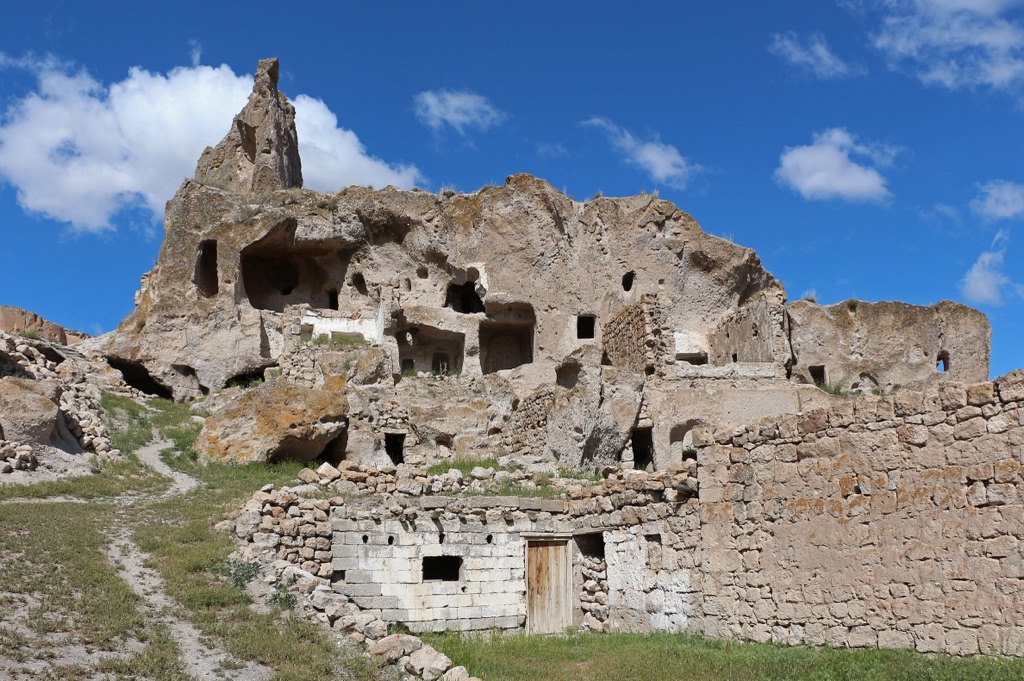
The Soğanlı Valley, nestled in the central Anatolian region of Turkey, is a historical gem that boasts a rich tapestry of cultural heritage. Known for its striking rock-cut churches and frescoes, the valley is a testament to the Byzantine era’s religious and artistic fervor. The landscape is dotted with ancient dwellings, monasteries, and chapels, many adorned with intricate paintings that have withstood the test of time. This serene and picturesque valley not only offers a glimpse into early Christian life but also serves as a beacon of historical and archaeological significance.
Neural Pathways
Neural Pathways is a collective of seasoned experts and researchers with a profound passion for unraveling the enigmas of ancient history and artifacts. With a wealth of combined experience spanning decades, Neural Pathways has established itself as a leading voice in the realm of archaeological exploration and interpretation.
Our team of researchers and scholars provide unparalleled depth of knowledge in deciphering the intricate narratives embedded within ancient artifacts and deciphering the cultural nuances that shaped civilizations of the past. Through meticulous research, rigorous analysis, and a collaborative spirit, Neural Pathways has made and continues to make significant contributions to our understanding of the human past.
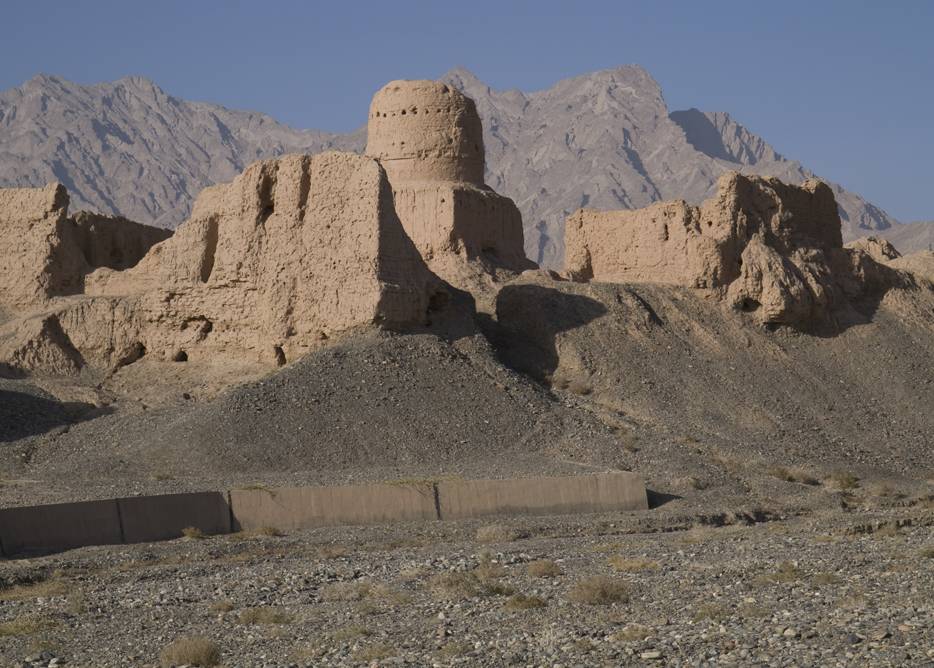
Subashi Temple
The Subashi Temple, nestled in the Taklamakan Desert of China’s Xinjiang region, stands as a testament to the rich tapestry of Silk Road history. This Buddhist temple complex, now in ruins, once served as a spiritual hub for travelers and monks. It offers a glimpse into the religious and cultural exchanges that took place along this ancient trade route. The temple’s remnants, with their intricate carvings and architectural prowess, continue to intrigue historians and archaeologists alike.
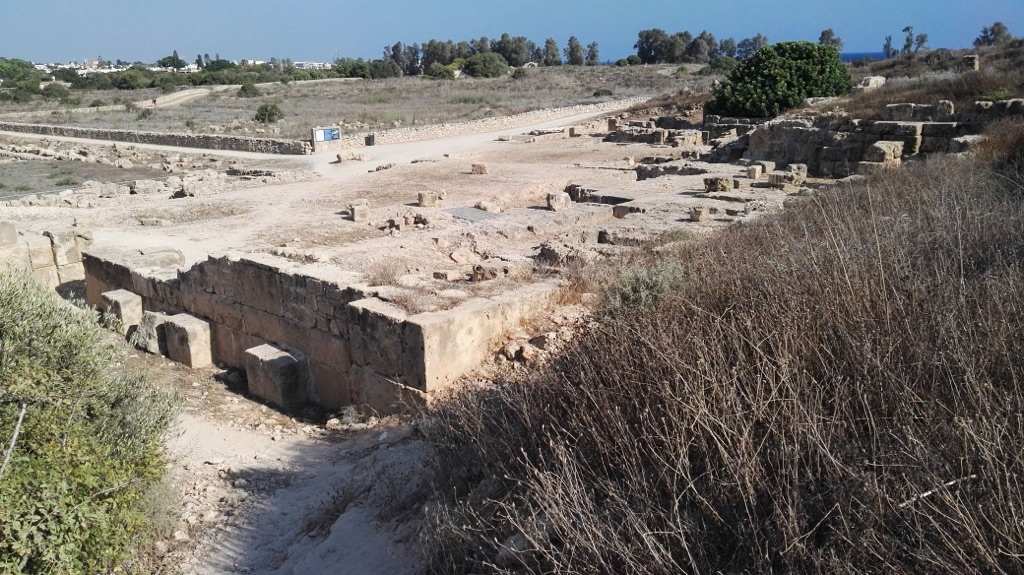
Paphos Archaeological Park
Nestled on the southwest coast of Cyprus, Paphos Archaeological Park is a treasure trove of ancient ruins and artifacts. This UNESCO World Heritage Site encompasses a vast area with remains dating back to prehistoric times. However, the park is most renowned for its Roman villas, stunning mosaics, and public buildings that tell tales of the island’s rich past. The park’s historical significance is not only due to its well-preserved monuments but also because it provides insight into the architectural and cultural evolution of the Mediterranean region over several millennia.
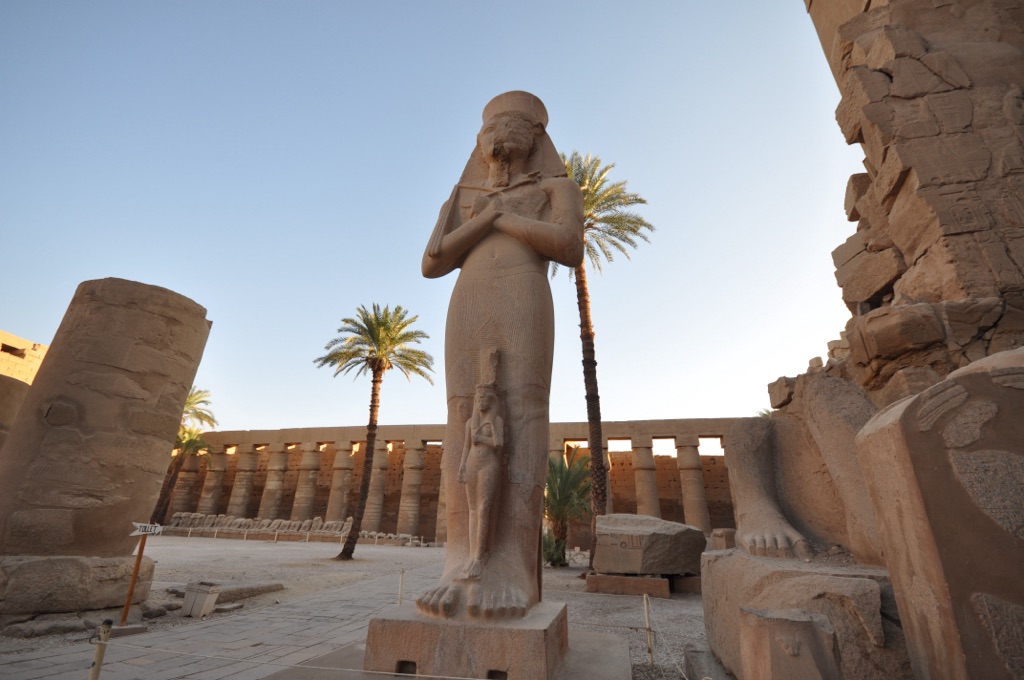
Pi-Ramesses
Pi-Ramesses was a flourishing city in the Nile delta region, established by Pharaoh Ramesses II during Egypt’s 19th Dynasty. It served as the new capital of Egypt and a monumental showcase of Ramesses’ wealth and power. The city was adorned with temples, palaces, and statues, becoming a hub of political and cultural activity. Over time, its significance waned, and the city was eventually abandoned. Rediscovery and excavation have brought Pi-Ramesses back into the limelight, offering insights into ancient Egyptian civilization.
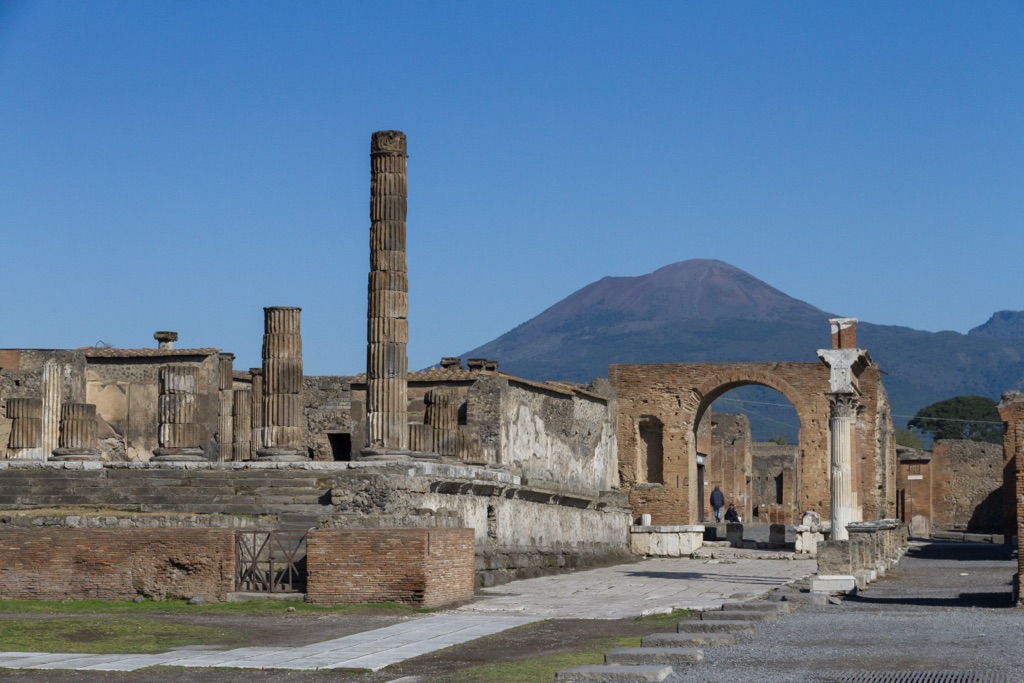
Pompeii
Pompeii, once a bustling Roman city, is now a significant archaeological site near Naples, Italy. It’s renowned for its tragic end, buried under volcanic ash and pumice after the catastrophic eruption of Mount Vesuvius in 79 AD. The site provides an unparalleled window into ancient life, frozen in time. Excavations have revealed well-preserved buildings, artifacts, and even the casts of victims, offering insights into Roman culture, economy, and daily routines. Pompeii’s discovery in the 16th century has since captivated historians, archaeologists, and tourists alike, making it an invaluable resource for understanding the ancient world.
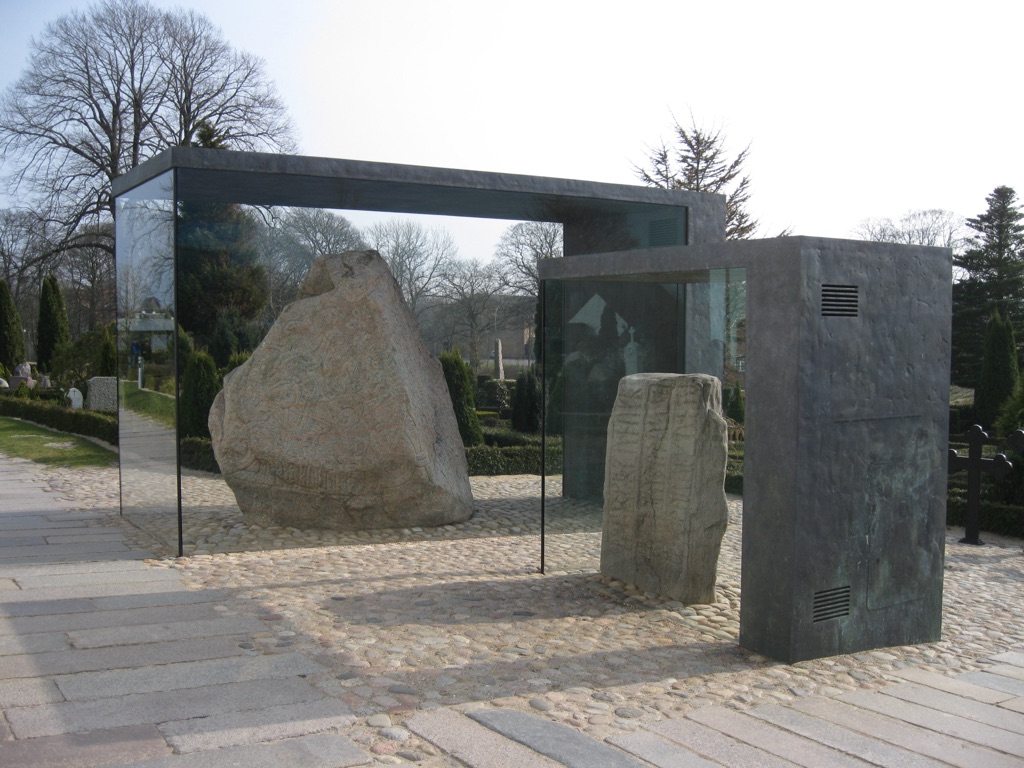
Jelling stones
The Jelling stones are a pair of remarkable runestones located in the village of Jelling in Denmark. They date back to the 10th century and are widely recognized as one of Denmark’s most significant historical artifacts. The larger of the two stones was erected by King Harald Bluetooth in memory of his parents and to celebrate his conquest of Denmark and Norway. The smaller stone was set up by King Gorm the Old, Harald’s father. Together, they mark the transition from paganism to Christianity in Denmark. The stones feature intricate carvings, including a depiction of Christ, which is one of the earliest representations in Scandinavia. The Jelling stones are often referred to as “Denmark’s birth certificate” because of their historical importance.