

Chaac is a pivotal deity in the pantheon of the ancient Maya civilization, revered as the god of rain, lightning, and thunder. His significance is deeply rooted in the agricultural society of the Maya, where water was a crucial resource for survival and prosperity. Chaac’s role extended beyond mere meteorological phenomena; he was a guardian of fertility and growth, embodying the life-giving aspects of water.
Neural Pathways
Neural Pathways is a collective of seasoned experts and researchers with a profound passion for unraveling the enigmas of ancient history and artifacts. With a wealth of combined experience spanning decades, Neural Pathways has established itself as a leading voice in the realm of archaeological exploration and interpretation.
Our team of researchers and scholars provide unparalleled depth of knowledge in deciphering the intricate narratives embedded within ancient artifacts and deciphering the cultural nuances that shaped civilizations of the past. Through meticulous research, rigorous analysis, and a collaborative spirit, Neural Pathways has made and continues to make significant contributions to our understanding of the human past.
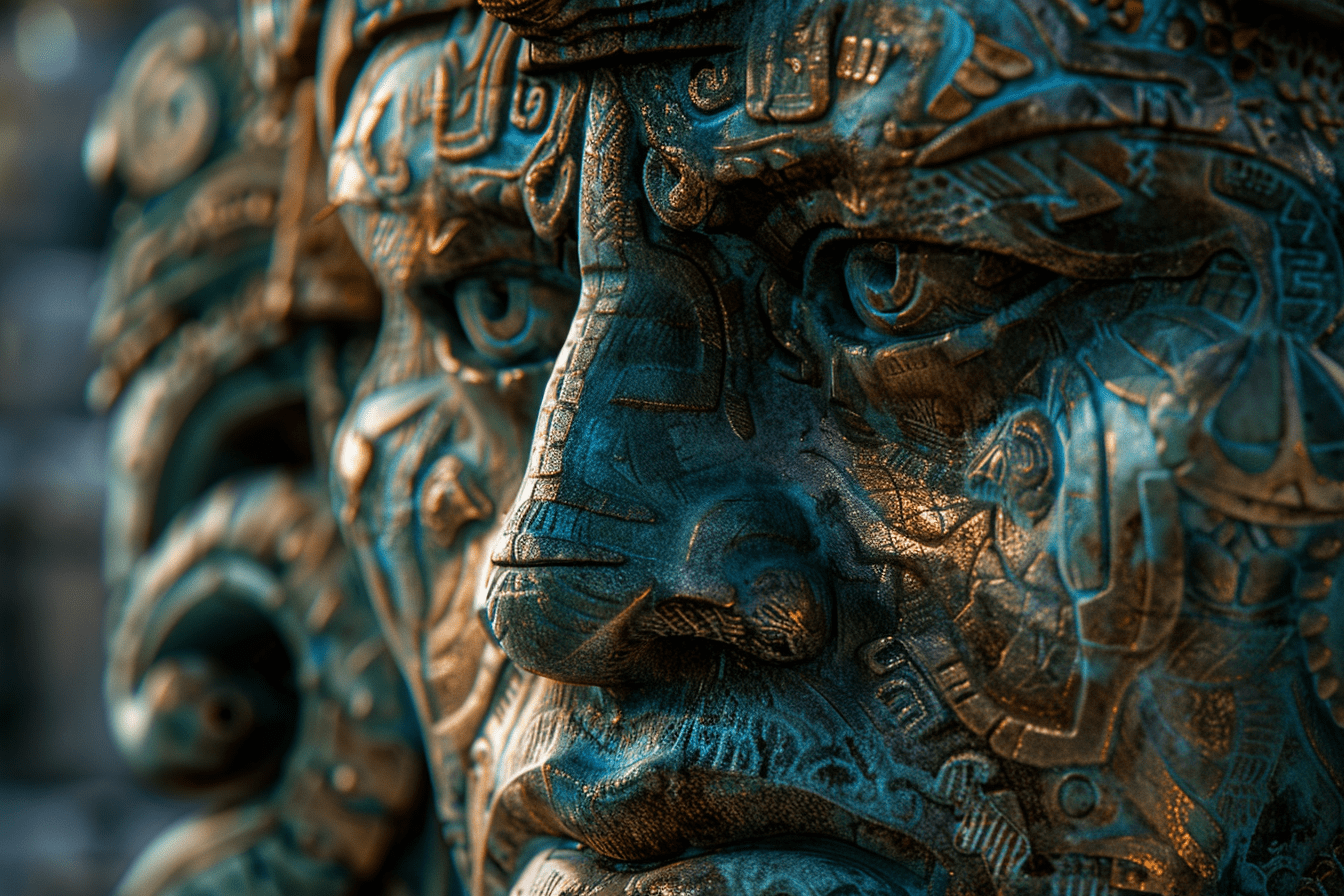
Kukulkan
Kukulkan, often depicted as a feathered serpent, is a central figure in Maya mythology. This deity bridges the gap between the heavens and the Earth, embodying the essential elements of wind and water. The mythology surrounding Kukulkan is rich with tales of creation, guidance, and endowment of knowledge to the Maya people, illustrating the god’s integral role in the formation of the world and the sustenance of life.
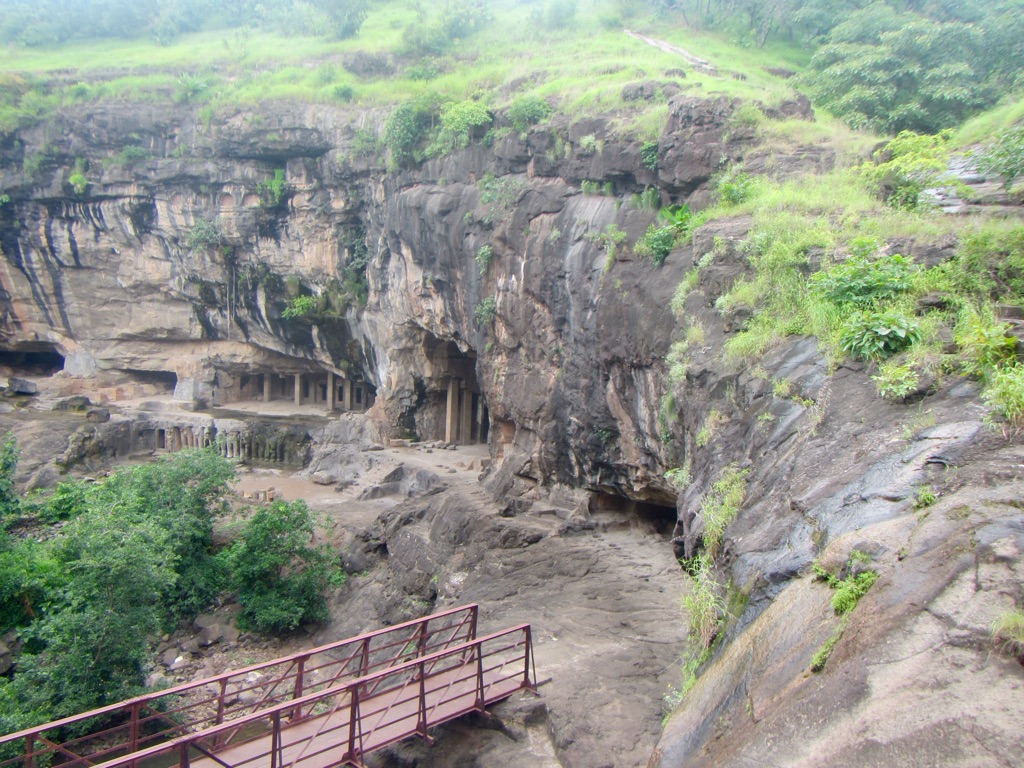
Pitalkhora Caves
The Pitalkhora Caves, nestled in the Satmala range of the Western Ghats of Maharashtra, India, are a group of ancient rock-cut caves. They are renowned for their early Buddhist architecture, inscriptions, and artwork. These caves, dating from the 2nd century BCE to the 5th century CE, offer a glimpse into the life and religious practices of the time. The site comprises fourteen caves that served as monasteries (viharas) and shrines (chaityas) for Buddhist monks. The caves are remarkable for their elaborate facades, sculptures, and inscriptions, which reflect the influence of the Hinayana phase of Buddhism. The remote location and the unique architectural elements make Pitalkhora Caves an important archaeological site for understanding early Indian rock-cut architecture.
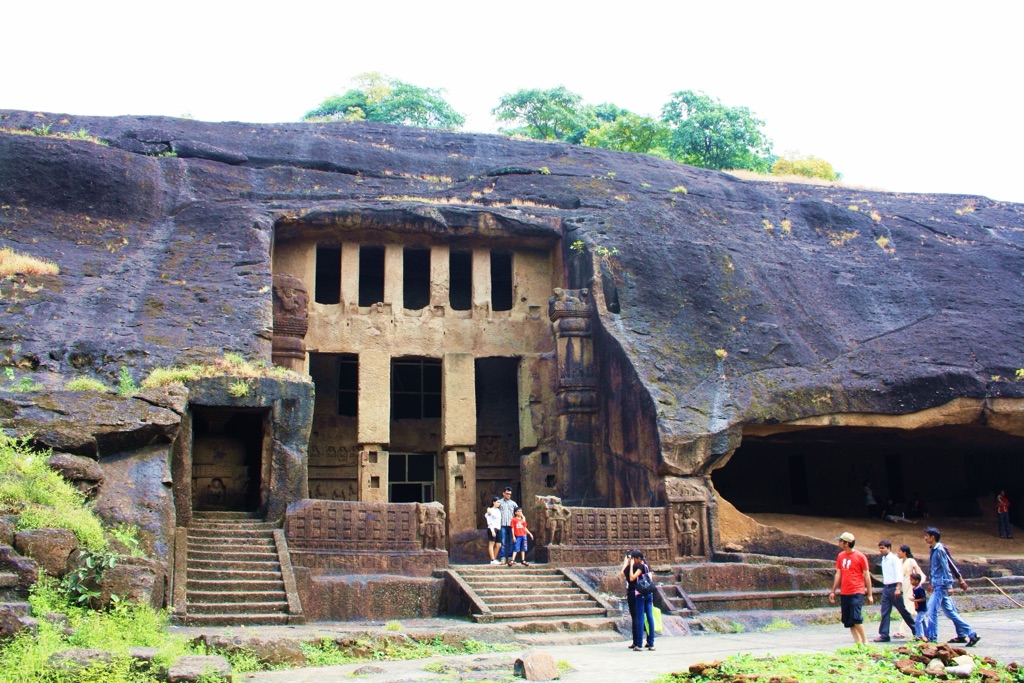
Kanheri Caves
The Kanheri Caves, nestled in the outskirts of Mumbai, India, stand as a remarkable testament to ancient Indian art and architecture. These rock-cut monuments, numbering over a hundred, date back to the 1st century BCE and extend up to the 10th century CE. They offer a glimpse into the life and times of the Buddhist monks who lived and meditated there. The caves are renowned for their intricate carvings, inscriptions, and the ingenious use of the basalt rock formation they are carved into.
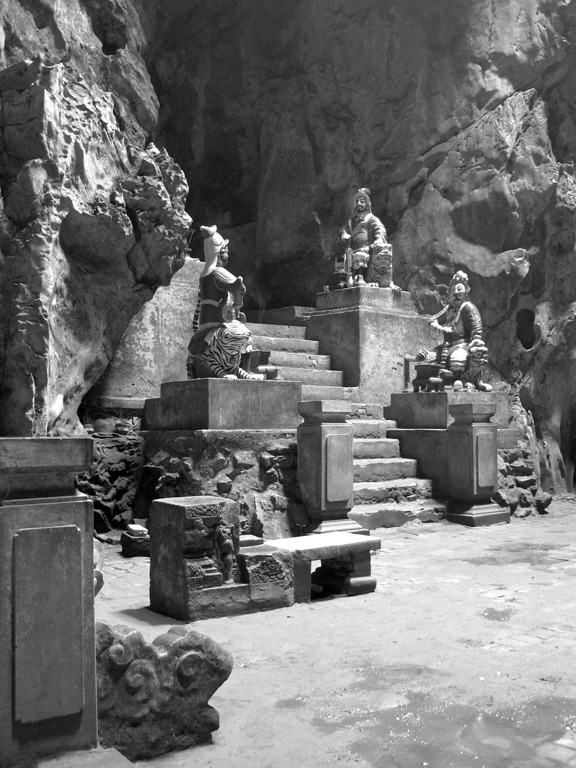
Huyen Khong Cave
Nestled within the Marble Mountains of Vietnam, Huyen Khong Cave stands as a serene sanctuary. Revered for its spiritual significance, the cave has been a place of worship for centuries. Its name, translating to “Cave of the Scented Clouds,” hints at the ethereal atmosphere that greets visitors. The cave’s natural beauty and historical importance make it a popular destination for both pilgrims and tourists.
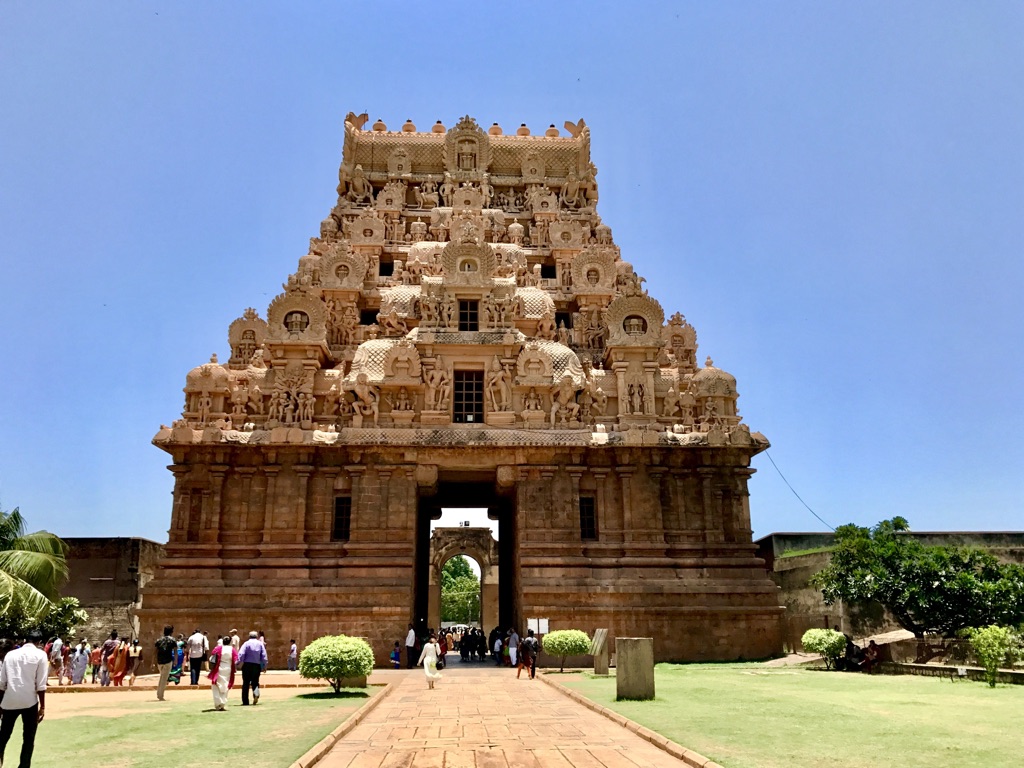
Brihadeeswarar Temple
The Brihadeeswarar Temple, also known as the Big Temple, is a marvel of ancient Indian architecture and a testament to the grandeur of the Chola dynasty. Located in Thanjavur, Tamil Nadu, it is a Hindu temple dedicated to Lord Shiva. Built by Emperor Rajaraja Chola I in 1010 AD, the temple is a part of the UNESCO World Heritage Site known as the “Great Living Chola Temples.” Its towering vimana (temple tower) stands at about 66 meters, making it one of the tallest of its kind. The temple’s intricate sculptures, frescoes, and architectural expertise reflect the zenith of Chola art and engineering.