
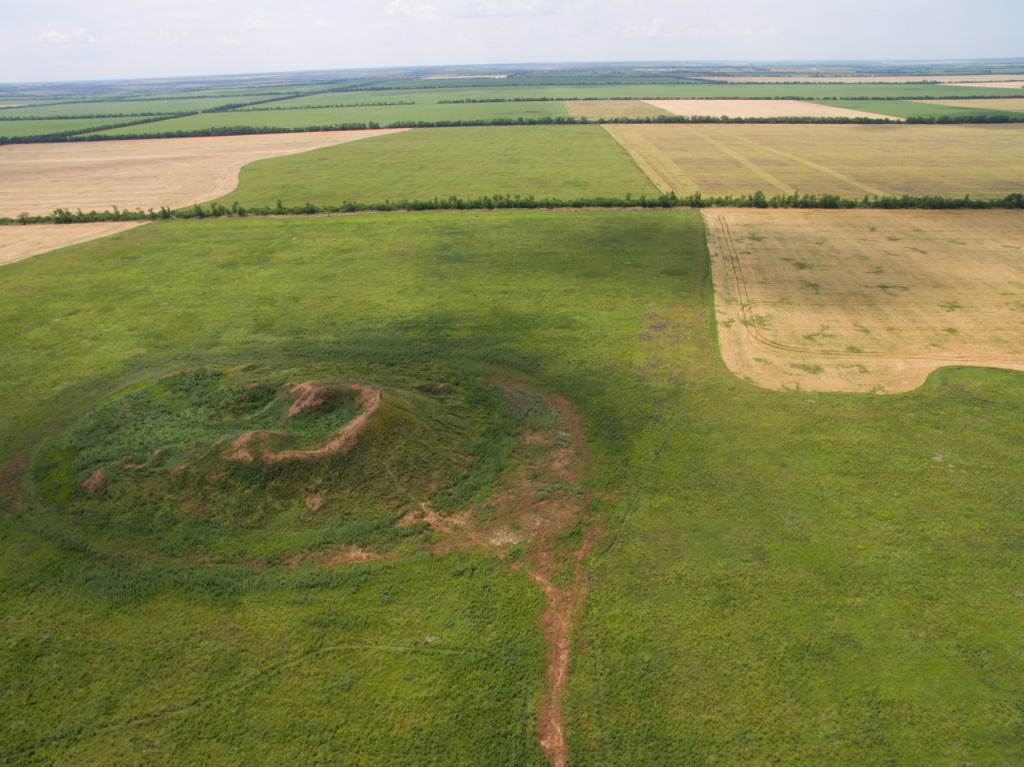
The Solokha Kurgan is a Scythian burial mound located in the Zaporizhia Oblast of Ukraine. Discovered in 1912, it is one of the largest and most significant Scythian burial mounds. The kurgan dates back to the 4th century BC and is renowned for the exquisite artifacts and the well-preserved condition of the tomb found within. It provides valuable insights into the life, culture, and burial practices of the Scythian civilization, a group of nomadic warriors who roamed the Eurasian steppes.
Neural Pathways
Neural Pathways is a collective of seasoned experts and researchers with a profound passion for unraveling the enigmas of ancient history and artifacts. With a wealth of combined experience spanning decades, Neural Pathways has established itself as a leading voice in the realm of archaeological exploration and interpretation.
Our team of researchers and scholars provide unparalleled depth of knowledge in deciphering the intricate narratives embedded within ancient artifacts and deciphering the cultural nuances that shaped civilizations of the past. Through meticulous research, rigorous analysis, and a collaborative spirit, Neural Pathways has made and continues to make significant contributions to our understanding of the human past.
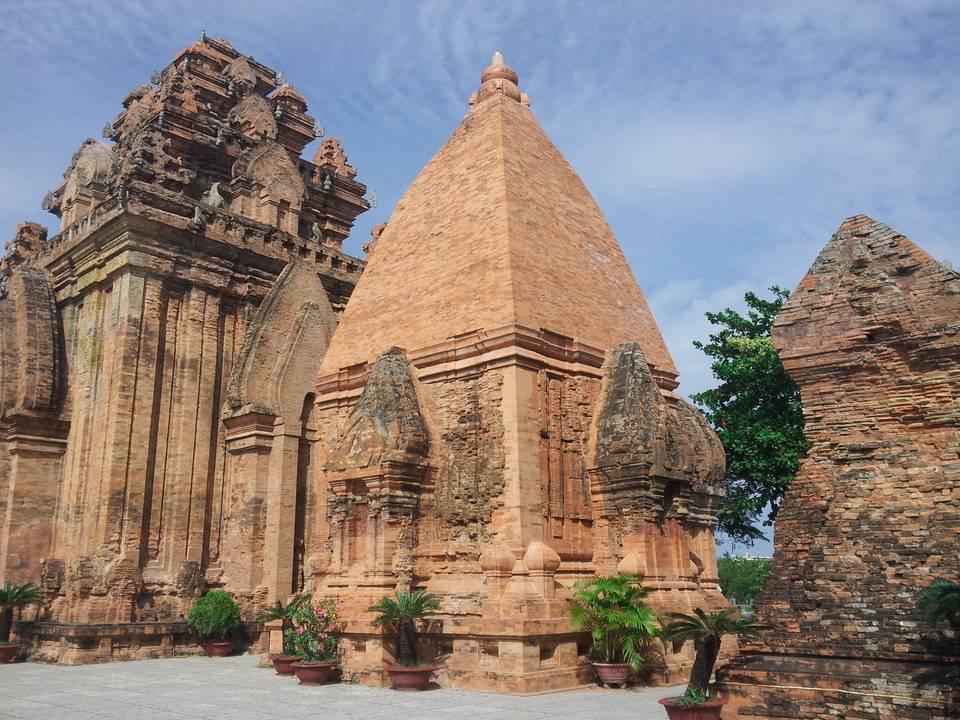
Po Nagar Cham Towers
The Po Nagar Cham Towers are a remarkable complex of temples located in Nha Trang, Vietnam. They stand as a testament to the architectural ingenuity and spiritual significance of the Cham civilization. These towers were built between the 7th and 12th centuries to honor the goddess Po Nagar, also known as Lady Thien Y A Na, revered by the Cham people. The site has been a place of pilgrimage for centuries and remains an active religious site for both Cham and Vietnamese Buddhists.
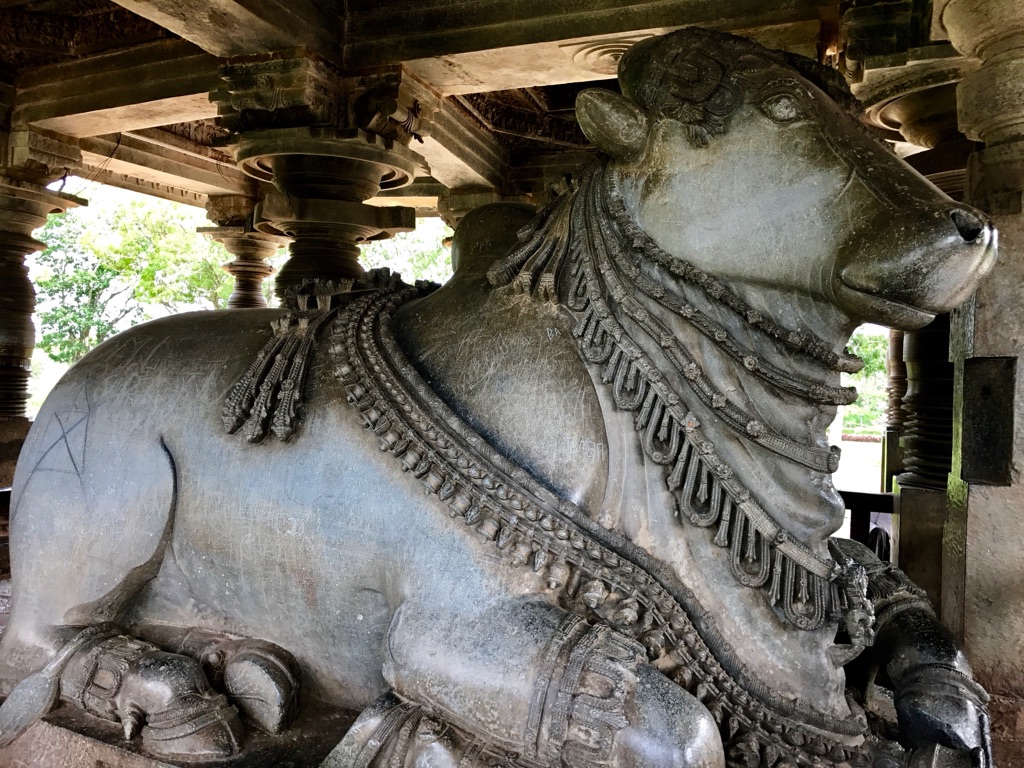
Hoysaleswara temple
The Hoysaleswara temple is a stunning example of Hoysala architecture from the 12th century. Located in Halebidu, Karnataka, India, it was dedicated to Lord Shiva. The temple is renowned for its intricate sculptures and detailed carvings. It stands as a testament to the skill and artistry of the Hoysala craftsmen. The temple’s construction began around 1121 CE and continued for several decades. Despite its incomplete status, it remains a significant heritage site and a masterpiece of Indian art.
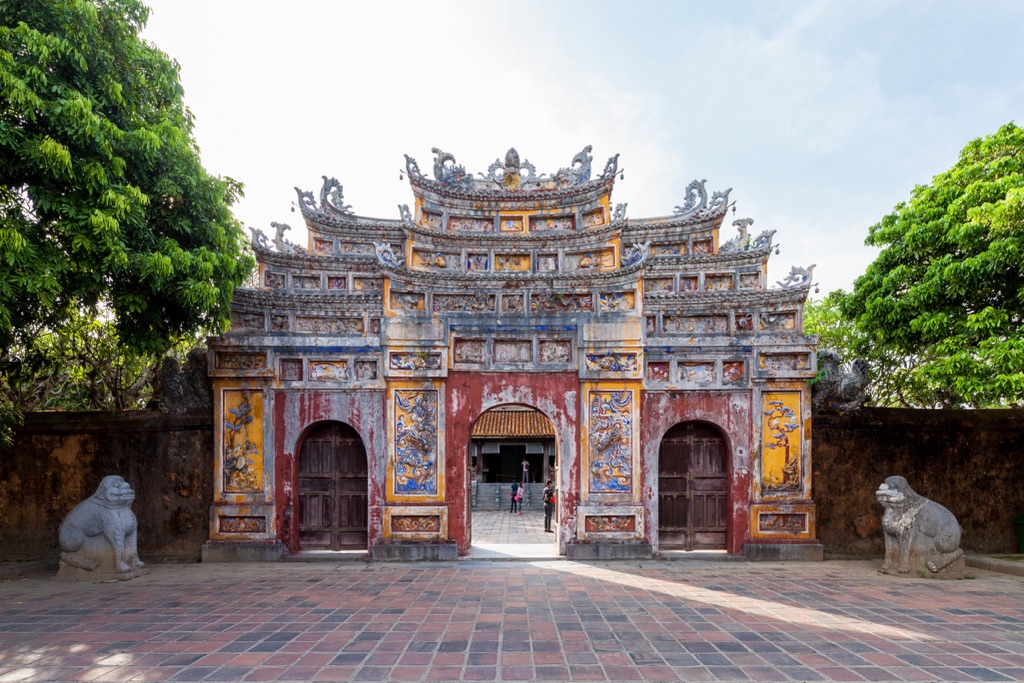
Imperial City of Huế
The Imperial City of Huế stands as a monumental landmark in central Vietnam. It was the capital of the Nguyen Dynasty, the last royal dynasty of Vietnamese history. This sprawling complex of palaces, temples, walls, and gates served as the political, cultural, and religious center of Vietnam from 1802 until 1945. The Imperial City is renowned for its traditional Vietnamese architecture, with influences from French design during the colonial period. It is a UNESCO World Heritage Site, recognized for its historical significance and well-preserved structures.
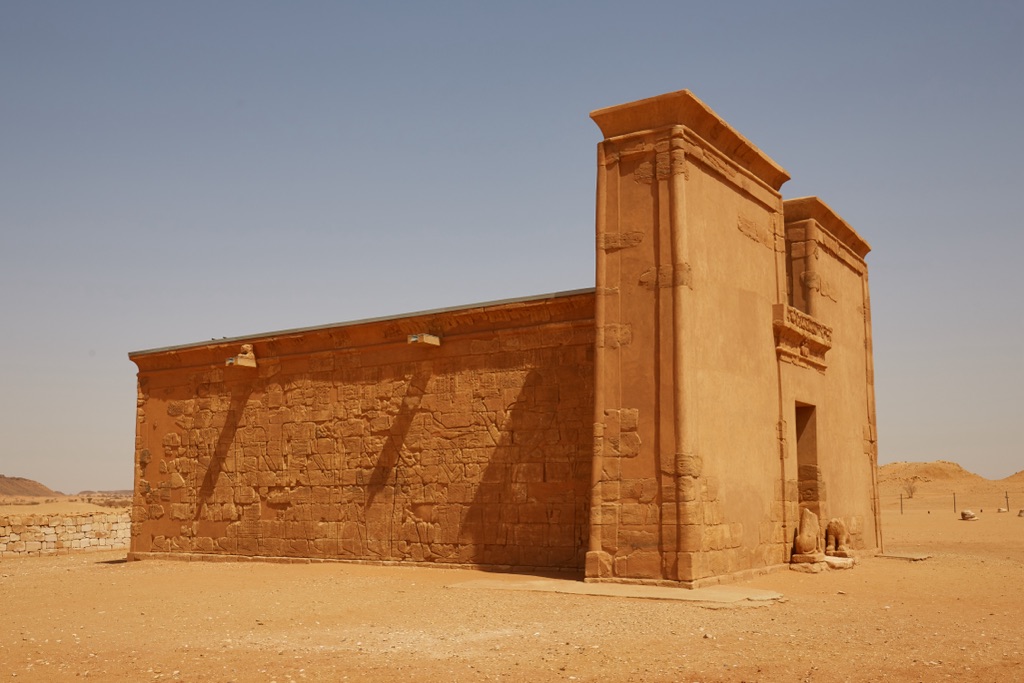
Musawwarat es-Sufra
Musawwarat es-Sufra is an archaeological site located in Sudan, known for its vast ruins that date back to the Meroitic period. The site features a large temple complex, which is one of the largest known Meroitic settlements. The name itself translates to “painted” or “depicted,” hinting at the potential presence of murals or art that once adorned the walls. Despite its grandeur, the exact purpose of the complex remains a mystery, with various theories suggesting it served as a pilgrimage center, a royal residence, or a training ground for elephants used in war.
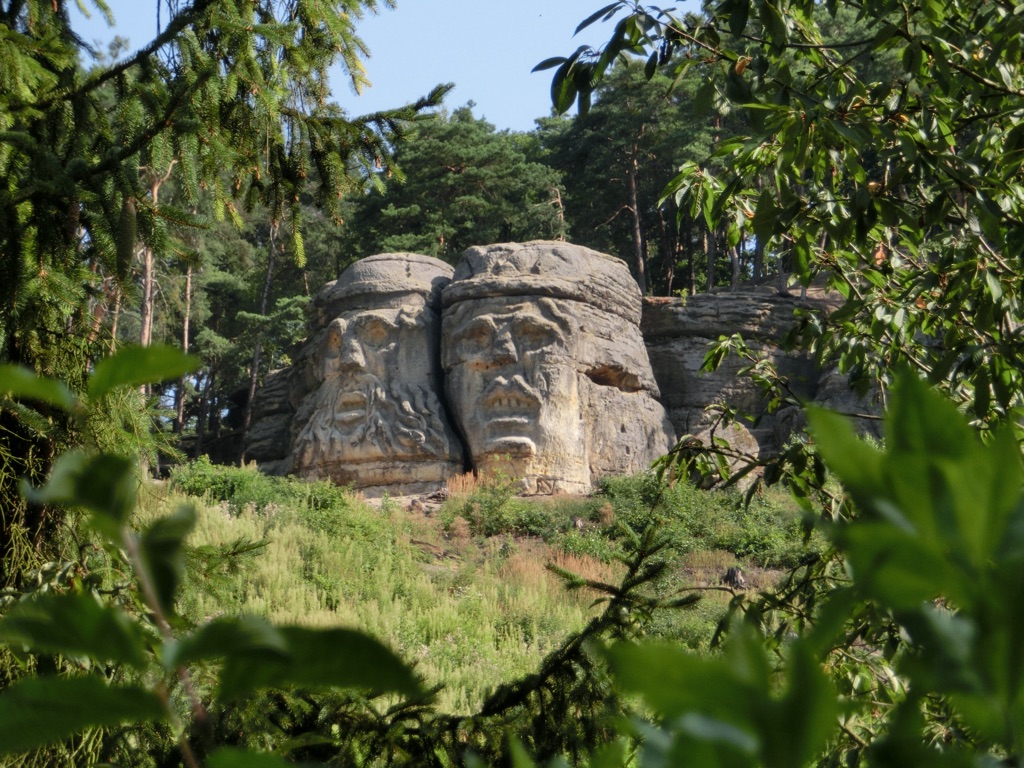
Čertovy hlavy
The Čertovy hlavy, or Devil’s Heads, are a striking pair of giant sculptures carved into the sandstone cliffs in the Czech Republic. Towering at about 9 meters high, these eerie faces overlook the village of Želízy near the town of Mělník, about an hour’s drive from Prague. Created by Czech sculptor Václav Levý in the mid-19th century, the sculptures have become a curious and somewhat mysterious attraction, drawing visitors intrigued by their size, history, and the legends that surround them.