
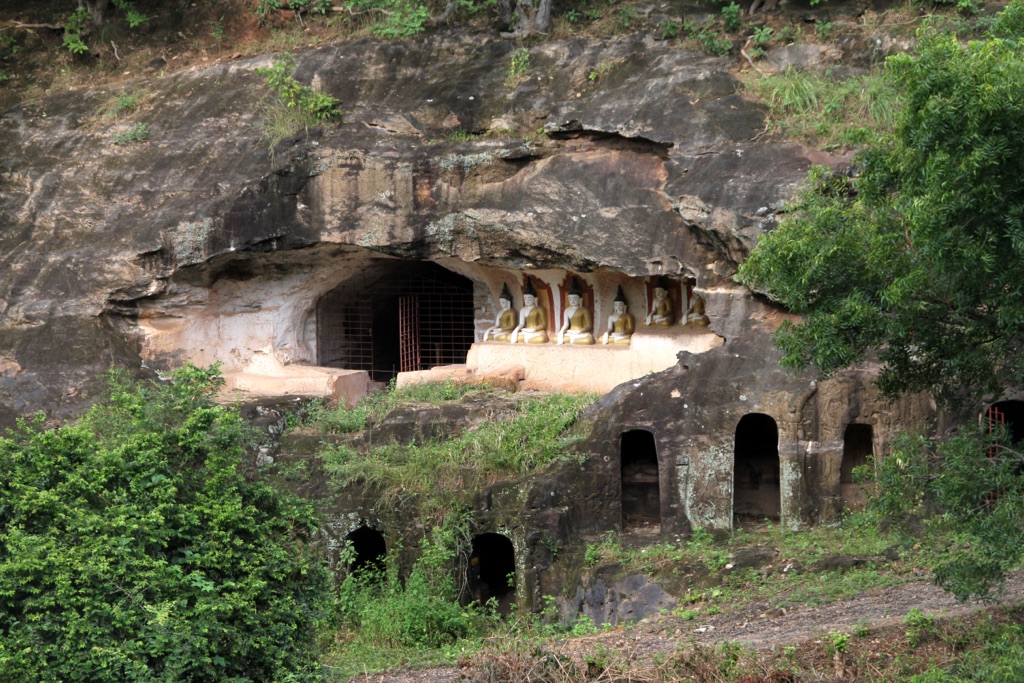
Phowintaung is a Buddhist cave complex located in the Sagaing Region of Myanmar. Known for its hundreds of caves, the site is a treasure trove of Buddhist art and murals. The name Phowintaung translates to “Mountain of Isolated Solitary Meditation,” reflecting its historical use as a place of worship and retreat. The caves are adorned with paintings and carvings that date back to the 14th century. This site provides a unique glimpse into the religious and cultural history of the region.
Neural Pathways
Neural Pathways is a collective of seasoned experts and researchers with a profound passion for unraveling the enigmas of ancient history and artifacts. With a wealth of combined experience spanning decades, Neural Pathways has established itself as a leading voice in the realm of archaeological exploration and interpretation.
Our team of researchers and scholars provide unparalleled depth of knowledge in deciphering the intricate narratives embedded within ancient artifacts and deciphering the cultural nuances that shaped civilizations of the past. Through meticulous research, rigorous analysis, and a collaborative spirit, Neural Pathways has made and continues to make significant contributions to our understanding of the human past.
Pak Ou caves
The Pak Ou Caves are a historical marvel located in Laos, near the town of Luang Prabang. These caves are renowned for housing thousands of Buddha statues of varying sizes and styles. Carved into a limestone cliff at the confluence of the Mekong and Ou rivers, the caves have been a site of spiritual significance for centuries. They consist of two main caves, the lower Tham Ting and the upper Tham Theung, both serving as shrines to the river spirit and Lord Buddha. Pilgrims and tourists alike visit the Pak Ou Caves, drawn by their historical, cultural, and spiritual allure.
Bezeklik Caves
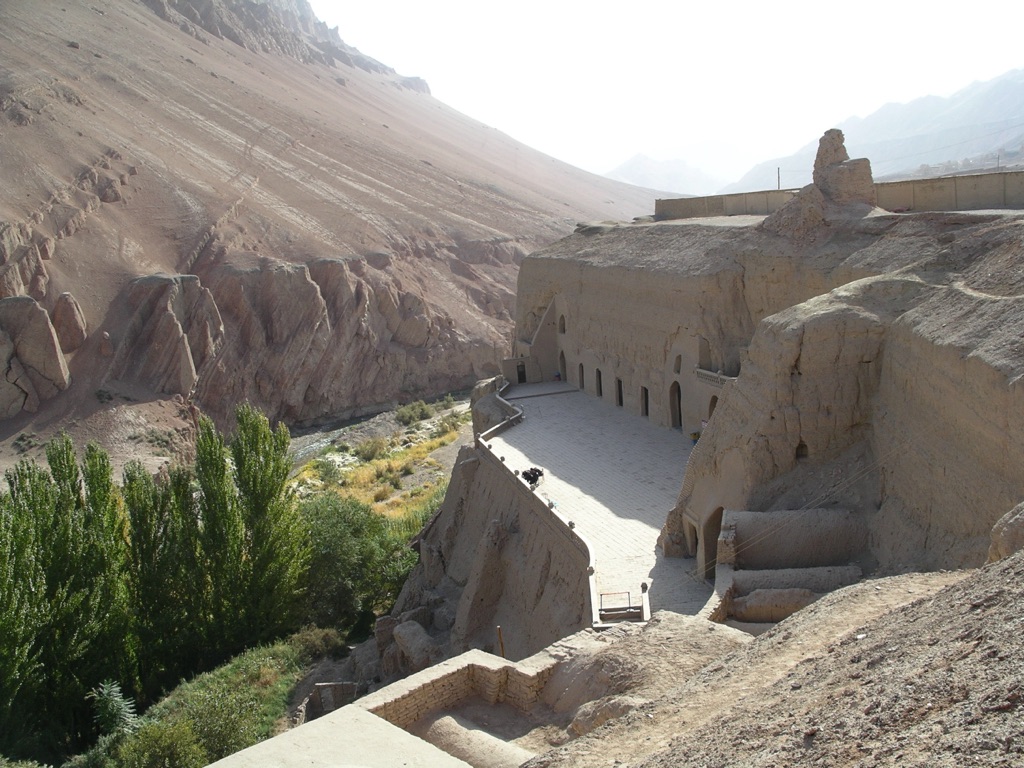
The Bezeklik Caves, nestled in the Flaming Mountains of China’s Xinjiang region, are a treasure trove of ancient Buddhist art. These caves, once a bustling hub of spiritual and cultural activity, boast a collection of exquisite murals and sculptures. They offer a glimpse into the religious life and artistic achievements of the people who lived along the Silk Road during the 5th to 14th centuries.
Gongxian Grottoes
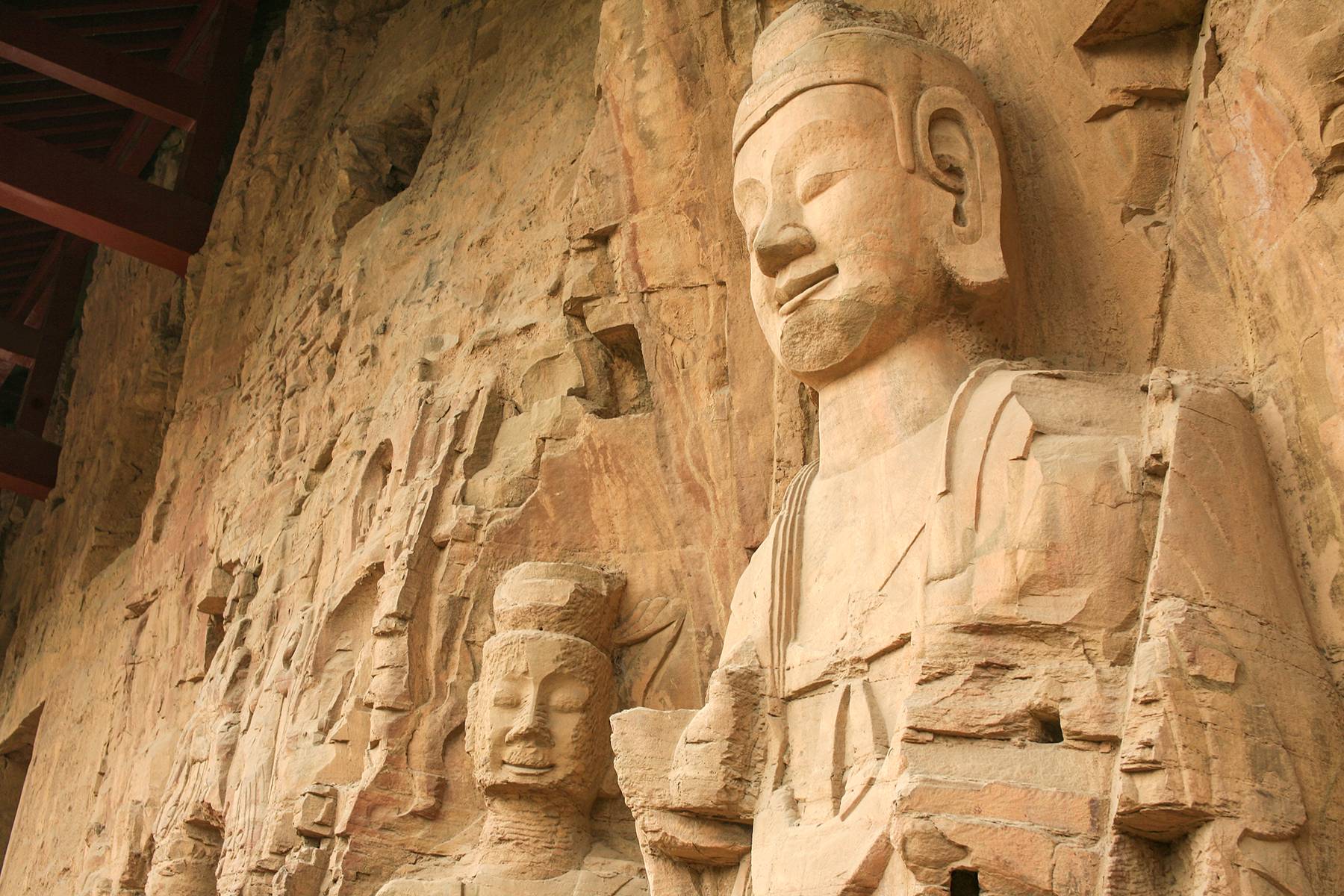
The Gongxian Grottoes, a treasure trove of ancient Buddhist art, stand as a testament to religious and cultural exchanges in China. These grottoes, carved into limestone cliffs, are located in Gongxian County, Henan Province. They house a collection of statues and inscriptions that date back to the late Northern Wei and Tang dynasties. The site is renowned for its historical significance and artistic value, showcasing the evolution of Buddhist sculpture in China.
Zhongshan Grottoes
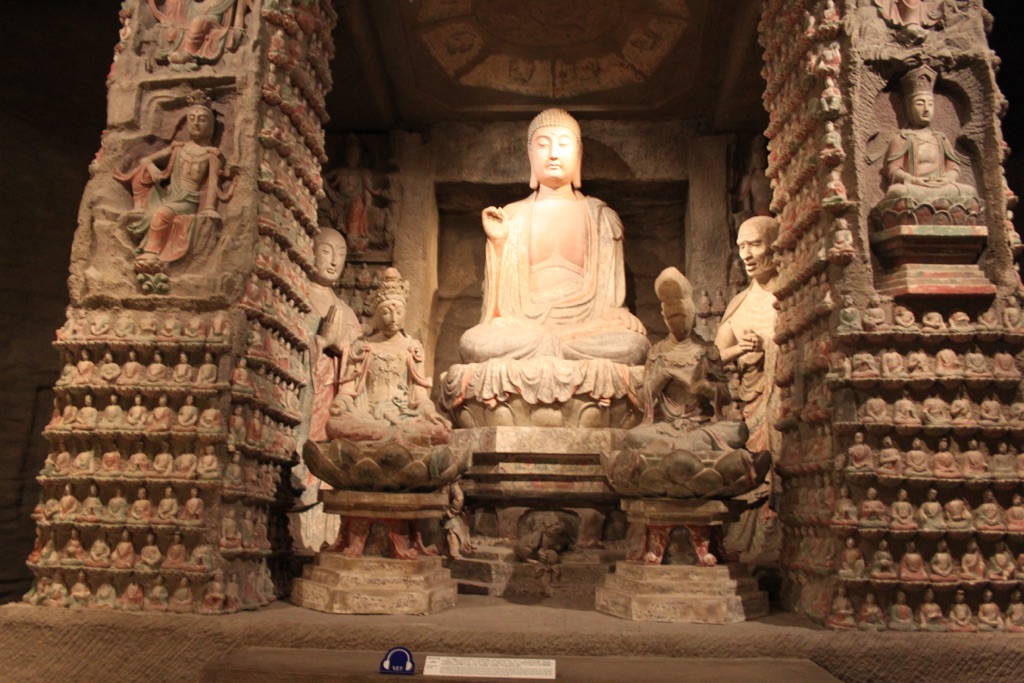
The Zhongshan Grottoes, a series of ancient Buddhist cave temples, are carved into the mountainside of Mount Zijin in Nanjing, China. These grottoes are a testament to the religious and artistic achievements of ancient China. They showcase intricate Buddhist sculptures and carvings that date back to the Southern Dynasties period (420-589 AD). The caves are a valuable source of historical and cultural knowledge, providing insight into the religious practices, art, and architecture of the time.
Mati Temple grottoes
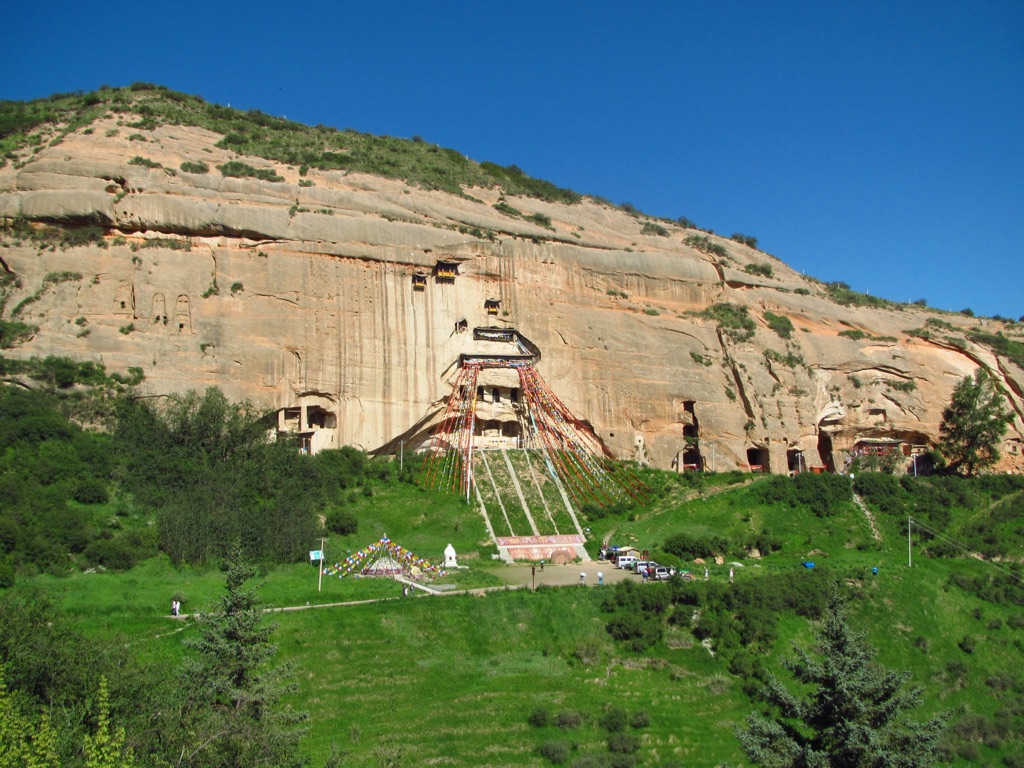
The Mati Temple grottoes, nestled in the cliffs of the Hexi Corridor, are a stunning example of Buddhist art and architecture. These grottoes, also known as the Horse’s Hoof Temple, are a series of caves carved into the rock face, showcasing a rich collection of Buddhist statues and frescoes. They are located in Gansu Province, China, and represent a fusion of Indian Buddhist art with Chinese cultural influences. The site is a testament to the spread of Buddhism along the Silk Road and is a valuable piece of cultural heritage that has attracted scholars, tourists, and pilgrims for centuries.