
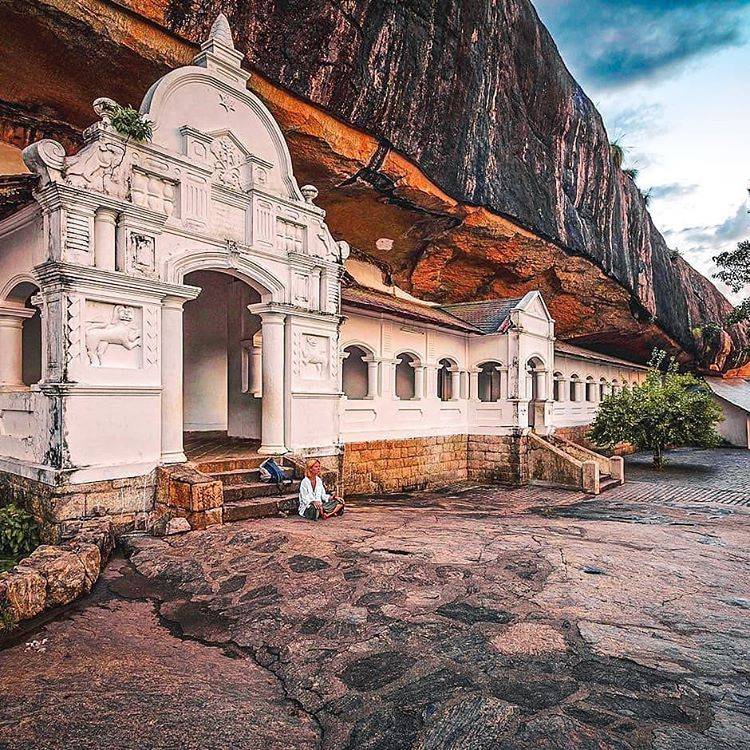
The Dambulla Cave Temple, also known as the Golden Temple of Dambulla, is a World Heritage Site in Sri Lanka. This sacred pilgrimage site has been a place of worship for over 22 centuries. The complex consists of five caves, which contain over 150 images of the Buddha, making it one of the most extensive and well-preserved cave temple complexes in the world. The murals covering the walls and ceilings add to the site’s historical and artistic significance, depicting the Buddha’s life and important events in the history of Sri Lankan kings.
Neural Pathways
Neural Pathways is a collective of seasoned experts and researchers with a profound passion for unraveling the enigmas of ancient history and artifacts. With a wealth of combined experience spanning decades, Neural Pathways has established itself as a leading voice in the realm of archaeological exploration and interpretation.
Our team of researchers and scholars provide unparalleled depth of knowledge in deciphering the intricate narratives embedded within ancient artifacts and deciphering the cultural nuances that shaped civilizations of the past. Through meticulous research, rigorous analysis, and a collaborative spirit, Neural Pathways has made and continues to make significant contributions to our understanding of the human past.
Pindaya Caves
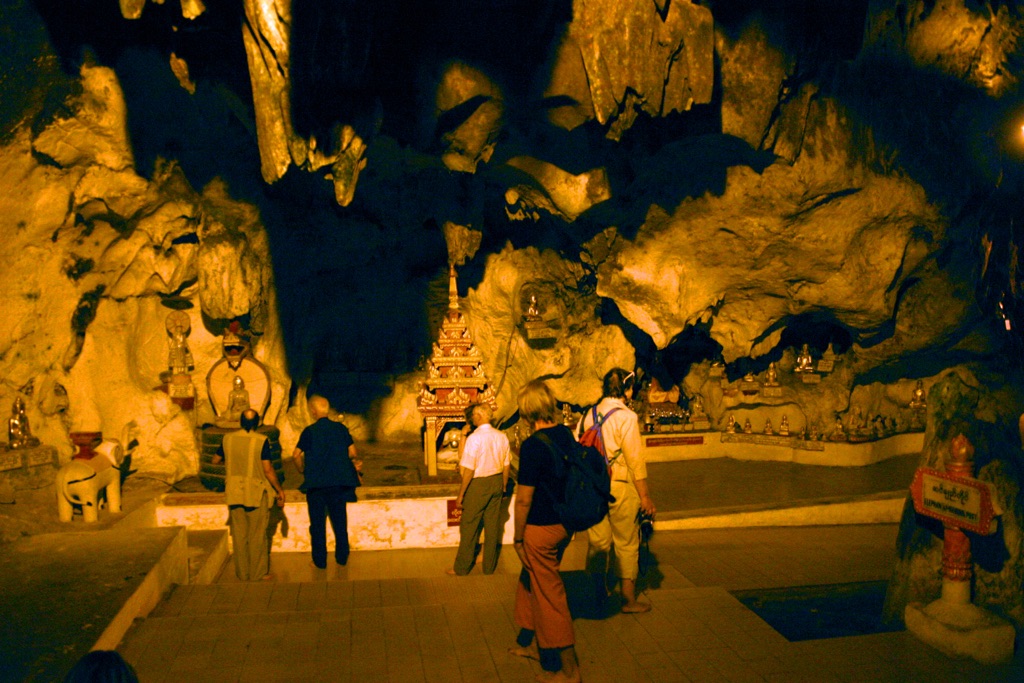
The Pindaya Caves are a significant Buddhist pilgrimage site and a tourist attraction located in the hills of the Shan State in Myanmar. These limestone caves are famous for their interior walls adorned with thousands of Buddha images in various sizes and shapes, made from alabaster, teak, marble, brick, lacquer, and cement. The caves are…
Batu Caves
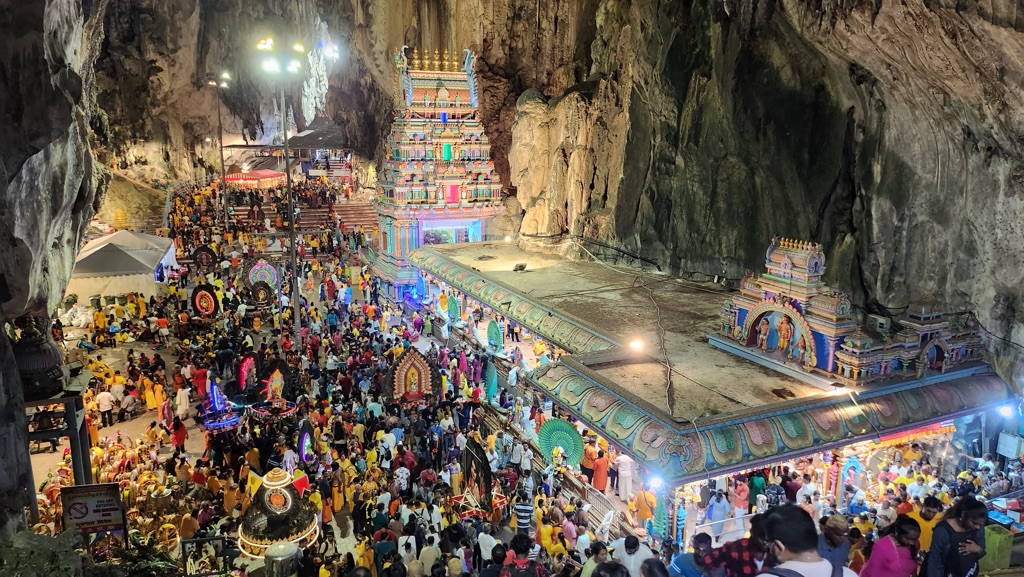
The Batu Caves are a series of limestone hills that house a collection of caves and cave temples. Located in Gombak, Selangor, Malaysia, they are a prominent Hindu shrine outside of India. The caves are dedicated to Lord Murugan and are a focal point for the Tamil festival of Thaipusam in Malaysia. The site’s main attraction is the large statue of Lord Murugan at the entrance, and the 272-step climb to the Temple Cave. Batu Caves attract thousands of worshippers and tourists, especially during the annual Thaipusam festival.
Itzamna
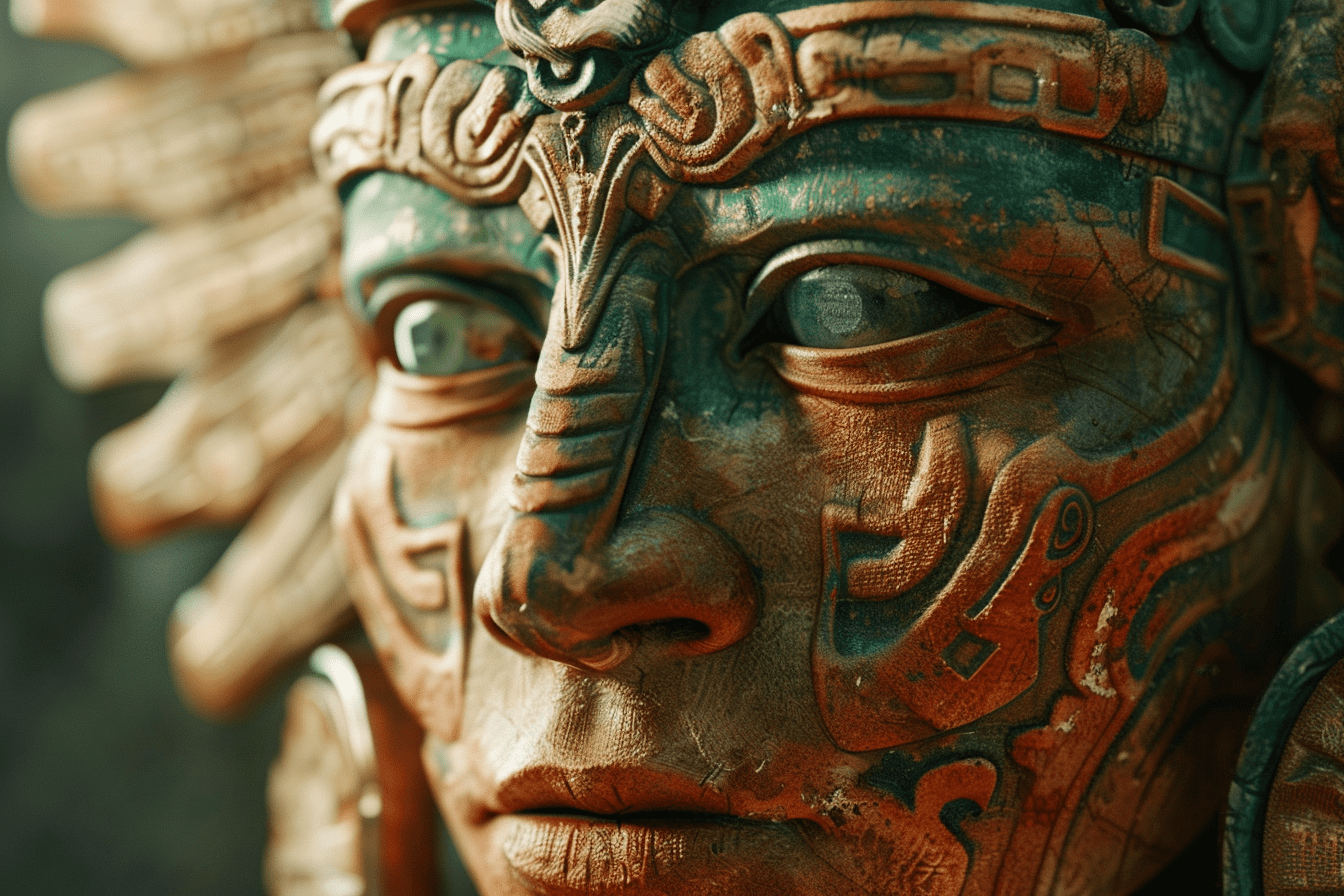
Itzamná, often regarded as one of the most significant deities in the ancient Maya pantheon, is traditionally viewed as a creator god and a patron of writing, learning, and the sciences. The origins of Itzamná are shrouded in the mists of Mesoamerican prehistory, with his name and attributes suggesting a deep-rooted significance in Maya mythology. Itzamná is frequently identified as the son of the creator couple Hunab Ku and the brother or consort of Ix Chel, a moon goddess associated with fertility and childbirth.
Ah Puch
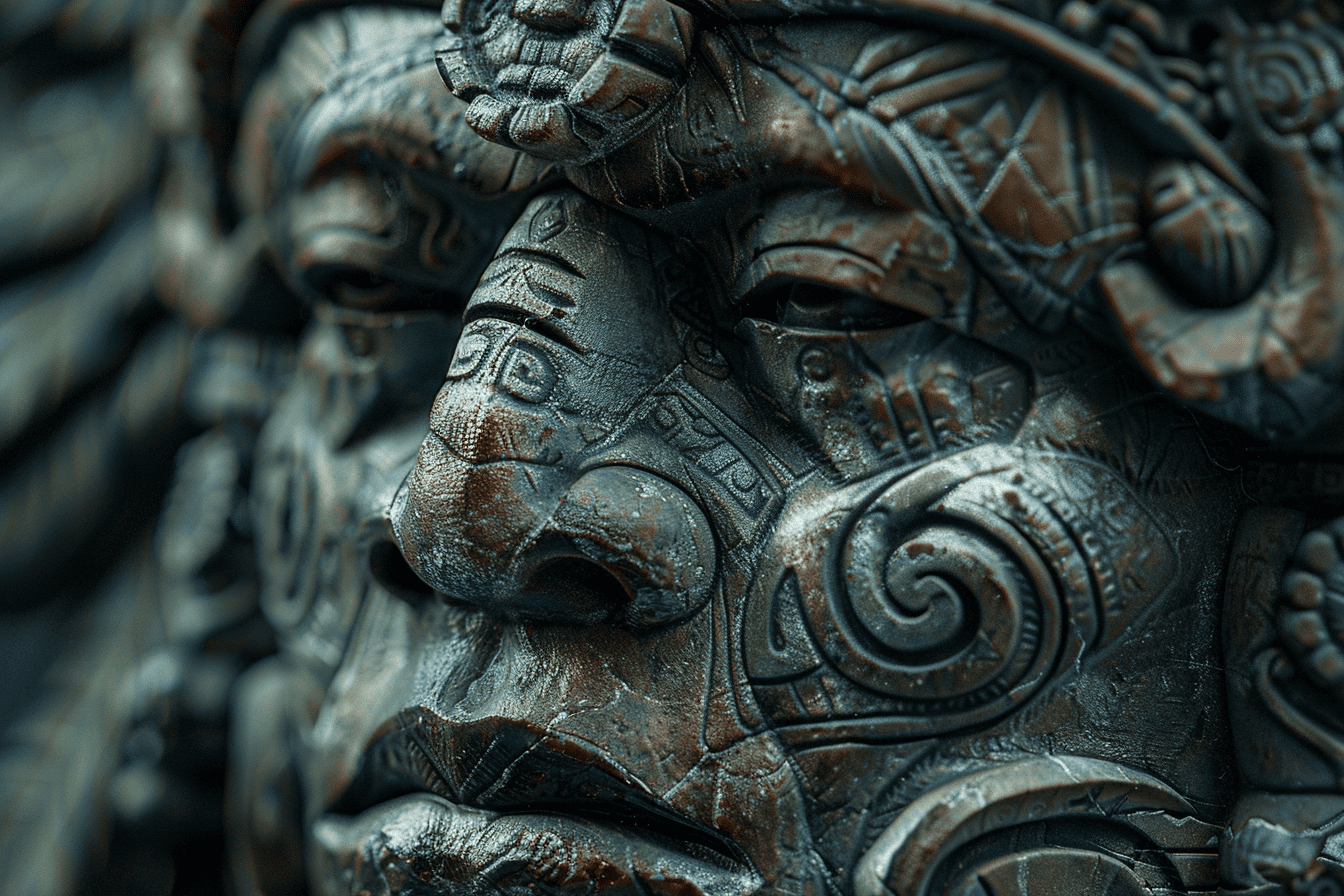
Ah Puch, known in the Maya civilization as the god of death, holds a significant place in the pantheon of Mayan deities. His presence is a testament to the complex relationship the ancient Maya had with the concept of death and the afterlife. The etymology of Ah Puch’s name is somewhat debated among scholars, but it is often associated with a sound that mimics the rattle of bones, a fitting imagery for the deity of death. In the Mayan pantheon, Ah Puch’s role was not just to oversee the dead but also to govern over the darker aspects of the human experience, including decay and disaster.
Ix Chel
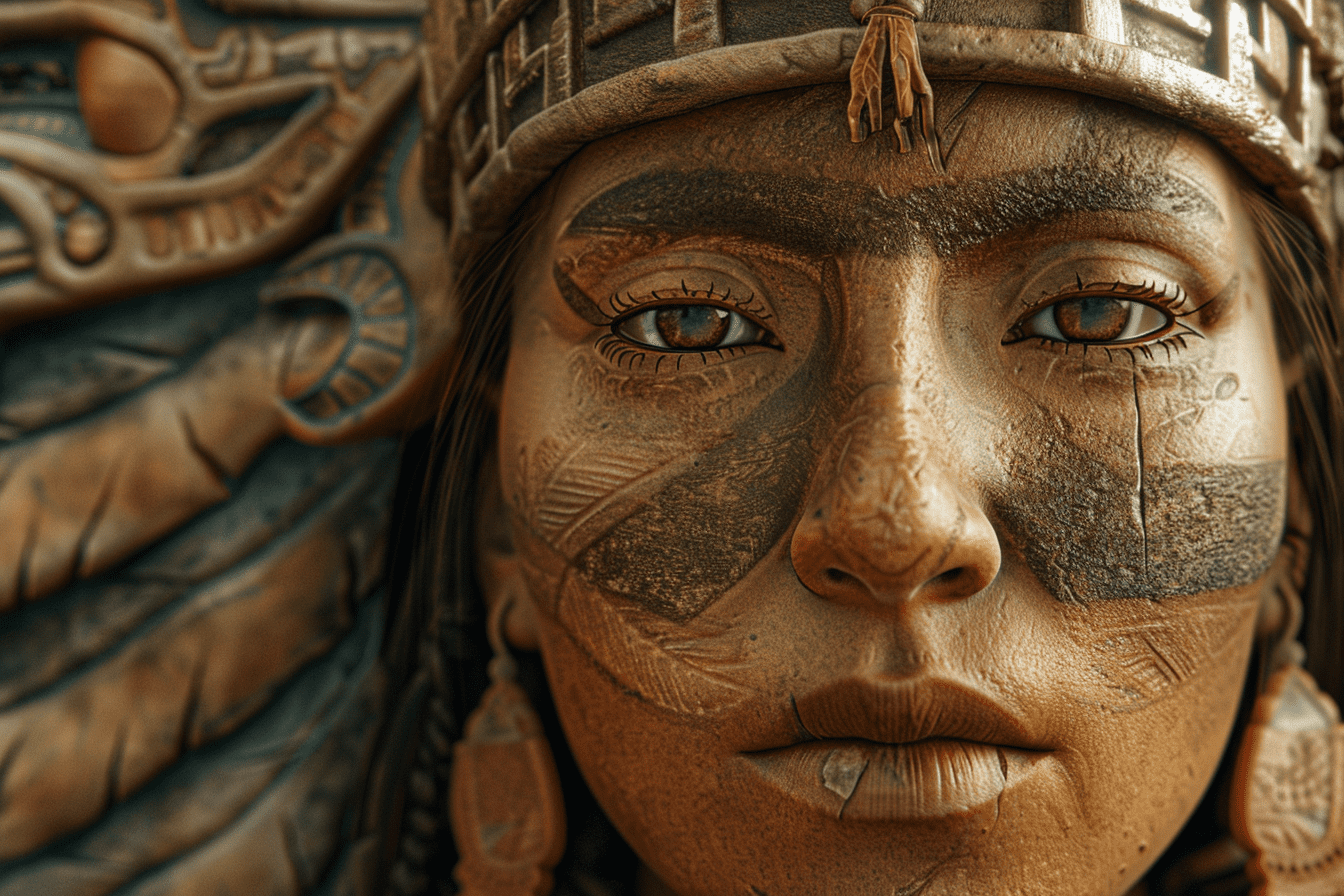
Ix Chel, a pivotal deity in the Maya pantheon, is often associated with fertility, childbirth, medicine, and weaving. Her mythology and origins are deeply embedded in Maya creation myths, where she is depicted as a powerful entity with a dual nature—both nurturing and destructive. According to these myths, Ix Chel, sometimes considered the wife of the sun god, Kinich Ahau, plays a crucial role in the cycle of life and death, embodying the paradox of creation and destruction.