
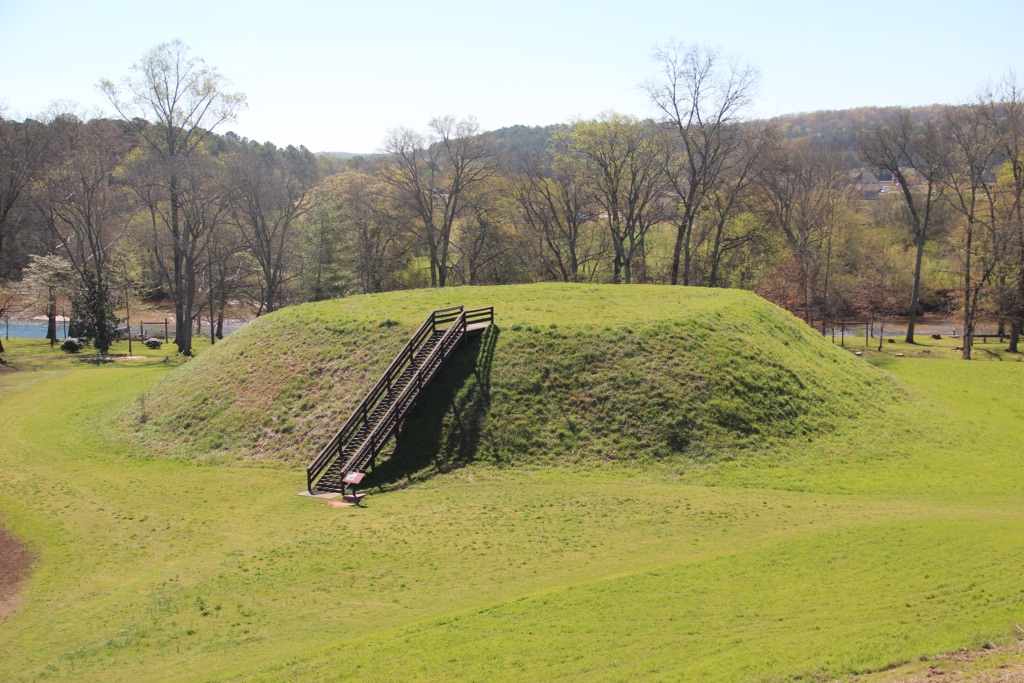
The Etowah Indian Mounds are a prehistoric Native American archaeological site located in Bartow County, Georgia. They are considered one of the most significant Mississippian culture sites in the Southeastern United States. The site includes six earthen mounds, a plaza, village site, borrow pits, and defensive ditch. The largest mound, Mound A, rises over 60 feet high and is thought to have been the platform for the home of the site’s chief or for religious ceremonies. These mounds were part of a society that thrived from around A.D. 1000 to 1550, and they offer a glimpse into the organization, culture, and daily life of the indigenous peoples of the region.
Neural Pathways
Neural Pathways is a collective of seasoned experts and researchers with a profound passion for unraveling the enigmas of ancient history and artifacts. With a wealth of combined experience spanning decades, Neural Pathways has established itself as a leading voice in the realm of archaeological exploration and interpretation.
Our team of researchers and scholars provide unparalleled depth of knowledge in deciphering the intricate narratives embedded within ancient artifacts and deciphering the cultural nuances that shaped civilizations of the past. Through meticulous research, rigorous analysis, and a collaborative spirit, Neural Pathways has made and continues to make significant contributions to our understanding of the human past.
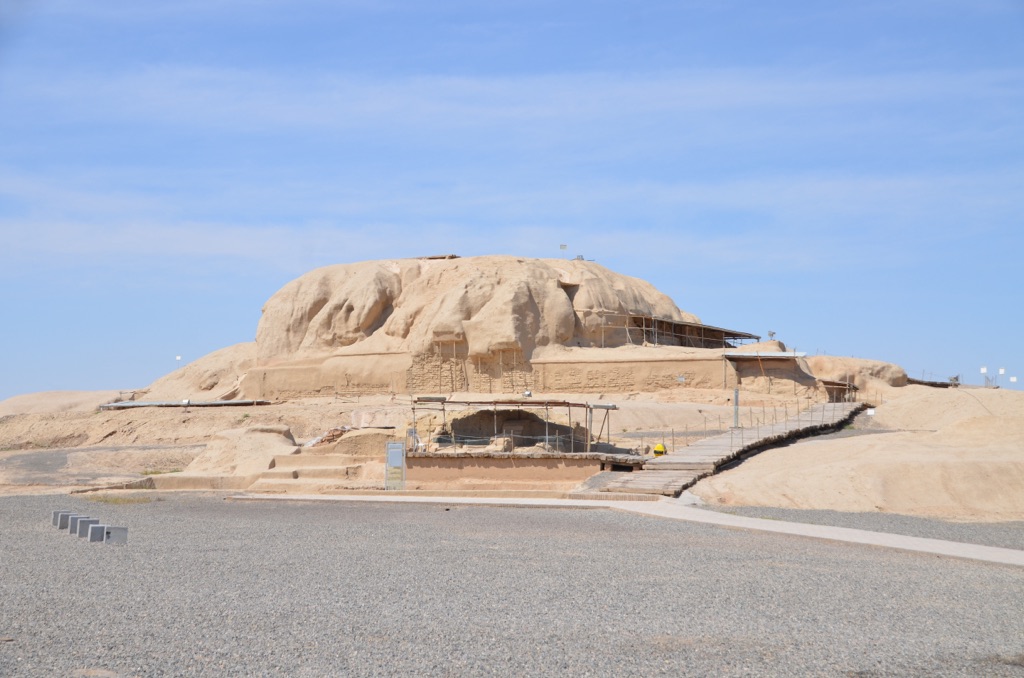
Tepe Sialk Ziggurat
The Tepe Sialk ziggurat stands as a testament to the architectural ingenuity of ancient civilizations. Located in modern-day Iran, this ancient structure is a remnant of the once-thriving Elamite civilization. The ziggurat’s ruins hint at a complex society with advanced knowledge of building techniques. Over time, it has sparked the curiosity of historians and archaeologists alike, eager to unravel its mysteries and the stories of the people who built it.
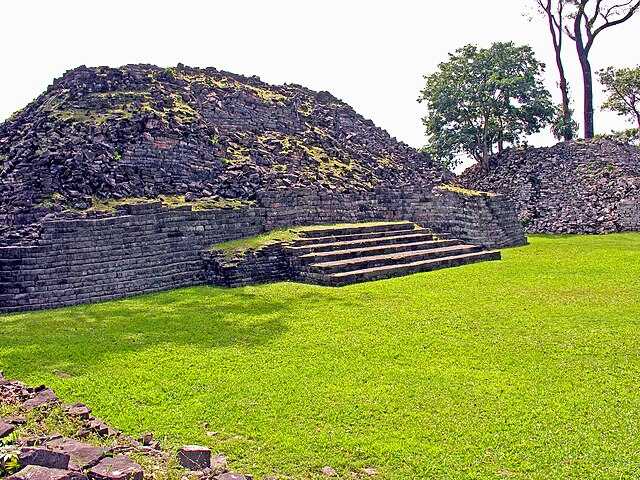
Lubaantun
Lubaantun is a pre-Columbian archaeological site of the Maya civilization located in the southern district of Toledo, Belize. Known for its distinctive architecture, which includes large pyramids and platforms arranged in a series of terraces, Lubaantun stands out as a significant center of the Late Classic period Maya. The site is famous for the discovery of the controversial Crystal Skull by the daughter of archaeologist F.A. Mitchell-Hedges. Lubaantun’s structures are primarily made from black slate rather than the limestone typical of the region. This has intrigued archaeologists and visitors alike, as it presents a unique example of Maya stone construction techniques.
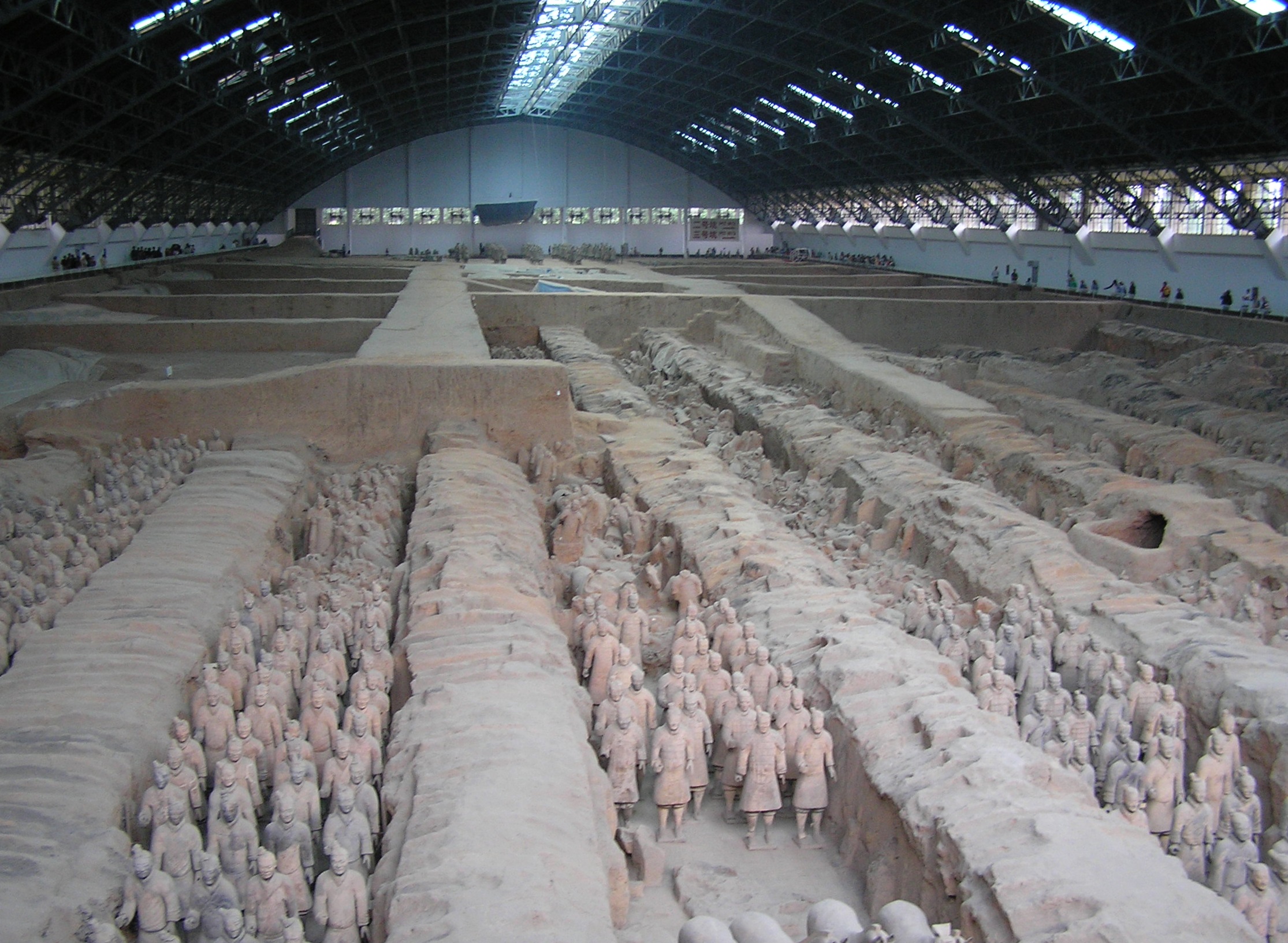
Mausoleum of the First Qin Emperor
The Mausoleum of the First Qin Emperor is an ancient architectural marvel and burial complex in China. It is most famous for the Terracotta Army, a collection of terracotta sculptures depicting the armies of Qin Shi Huang, the first Emperor of China. The site spans an area of over 56 square kilometers and is a testament to the emperor’s power and the capabilities of ancient Chinese engineering. Constructed between 246 and 208 BC, the mausoleum remained hidden for more than two millennia until its discovery in 1974 by local farmers. It has since become one of the most significant archaeological finds of the 20th century and a UNESCO World Heritage Site.
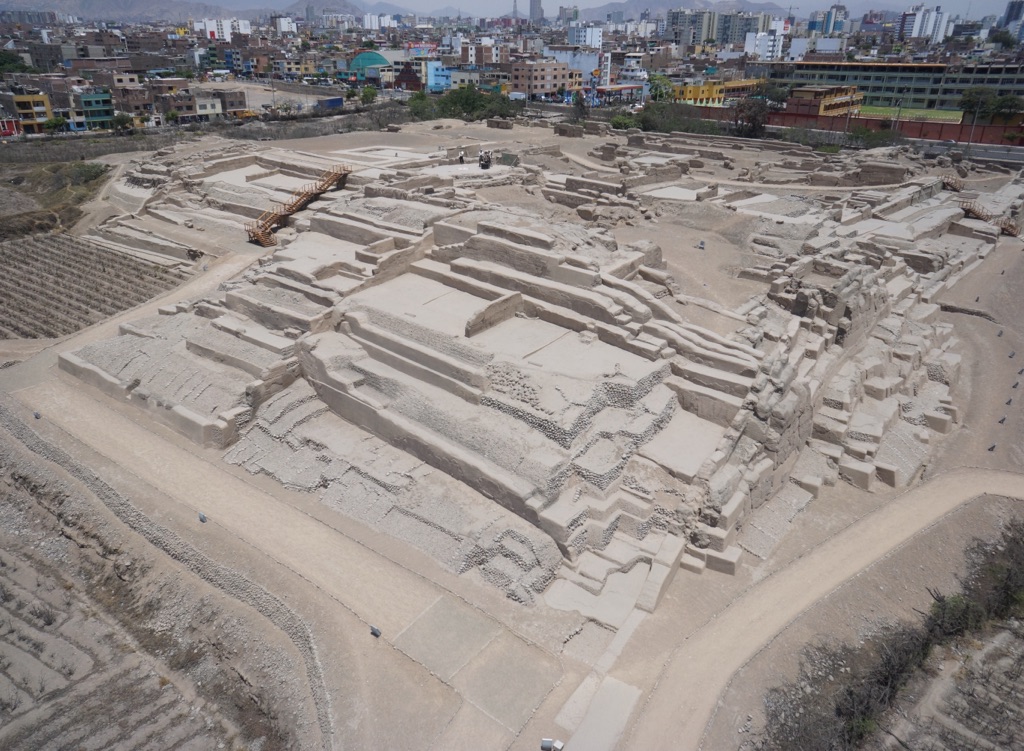
Mateo Salado archaeological complex
The Mateo Salado monumental archaeological complex, prominently located in the district of Lima, Peru, and bordering the districts of Breña and Pueblo Libre, stands as a significant testament to the rich pre-Hispanic heritage of the region. Spanning an area of 16.4 hectares, the complex is distinguished by its five stepped and truncated pyramids, marking it as one of the most important archaeological sites on the central coast of Peru. Its integration into the urban landscape of Lima further underscores its significance as a representative example of pre-Hispanic architecture within the Peruvian capital.
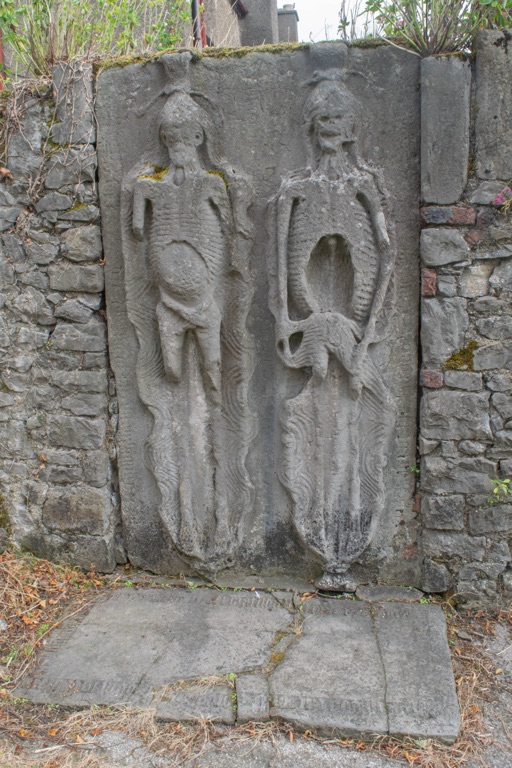
Cadaver Monuments
Cadaver monuments, also known as transi or memento mori tombs, are a type of funerary art. They depict the deceased in a state of decay. These monuments were particularly popular in the late medieval period. They served as a stark reminder of the transience of life and the physical decay that follows death. Often, they feature sculptures of skeletons or decomposing bodies. They were a powerful symbol of piety and reflection on mortality.