
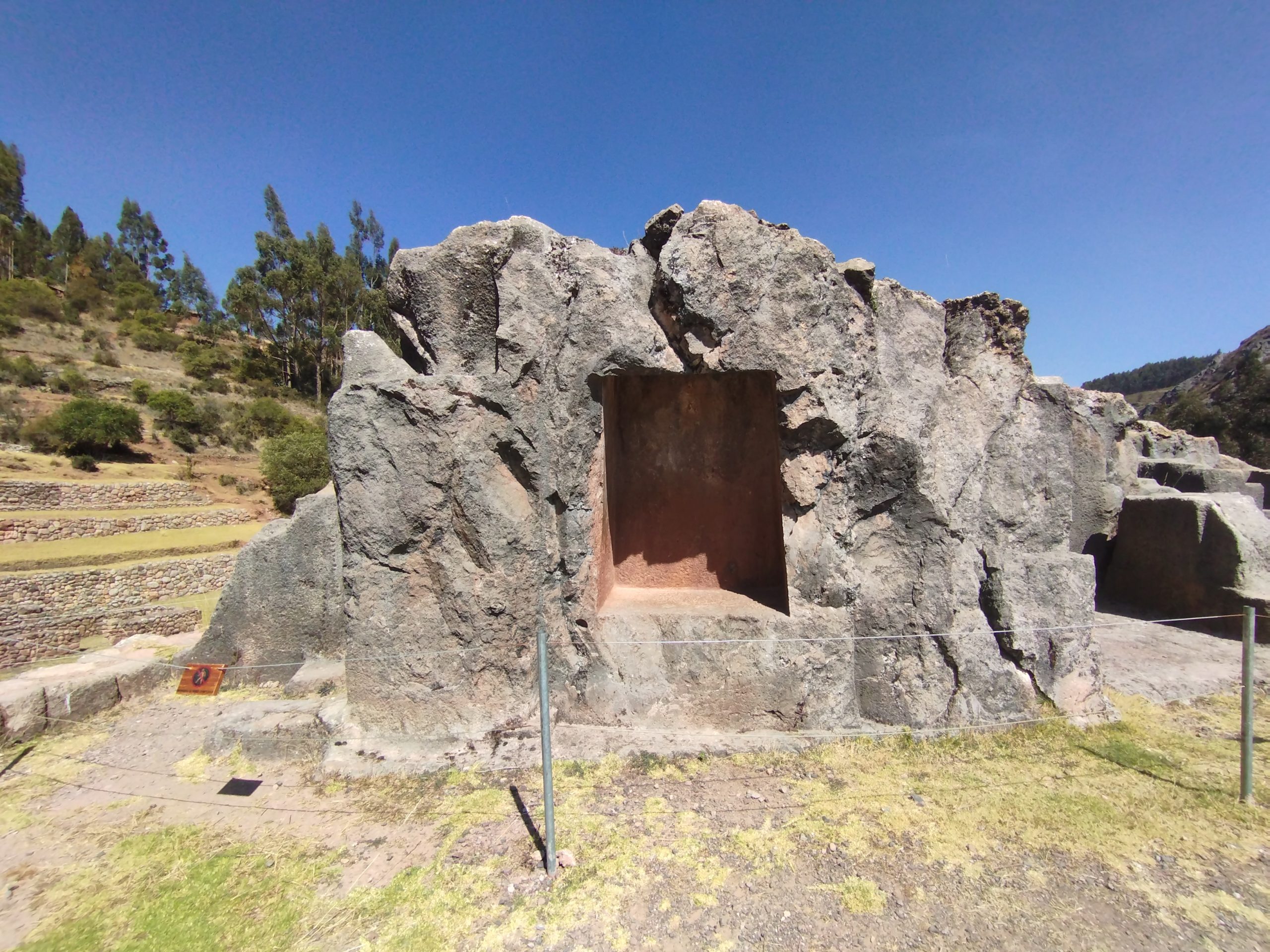
The Inkilltambo archaeological site, also known as the Inca “prison” is a significant archaeological site located within the micro-basin of Cachimayo. Encompassed by the Sacsayhuamán Archaeological Park, Inkilltambo is characterized by a series of structures surrounding a main huaca (sacred site) and several secondary huacas situated in the middle section of this monument.
Neural Pathways
Neural Pathways is a collective of seasoned experts and researchers with a profound passion for unraveling the enigmas of ancient history and artifacts. With a wealth of combined experience spanning decades, Neural Pathways has established itself as a leading voice in the realm of archaeological exploration and interpretation.
Our team of researchers and scholars provide unparalleled depth of knowledge in deciphering the intricate narratives embedded within ancient artifacts and deciphering the cultural nuances that shaped civilizations of the past. Through meticulous research, rigorous analysis, and a collaborative spirit, Neural Pathways has made and continues to make significant contributions to our understanding of the human past.
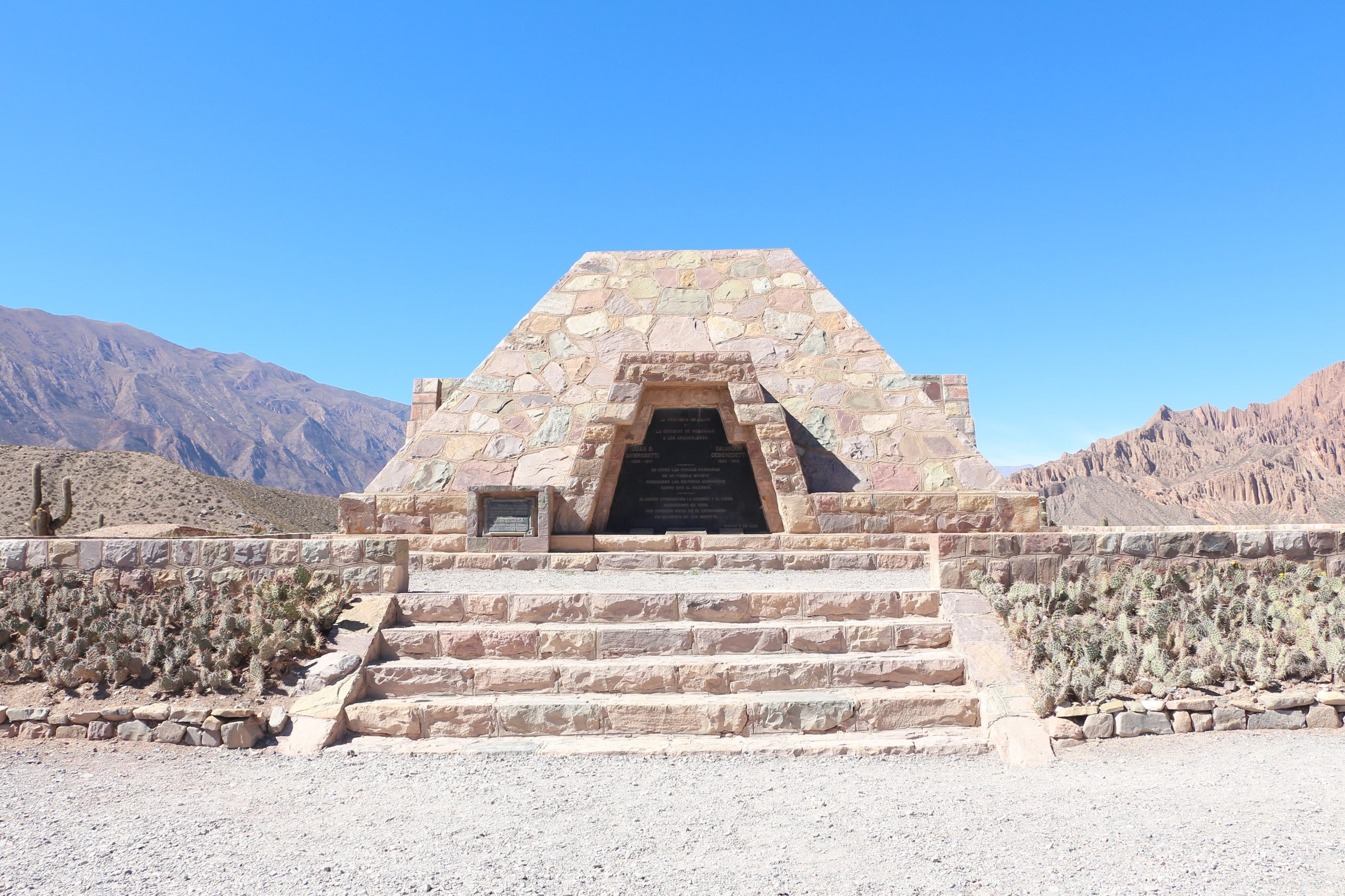
Pucará de Tilcara
The Pucará de Tilcara stands as a testament to the ingenuity and strategic prowess of the pre-Inca civilizations in the Argentine Andes. Located on a hill just outside the small town of Tilcara, in the province of Jujuy, this ancient fortification offers a window into the past, revealing the complex social, military, and religious practices of the indigenous peoples of the region.
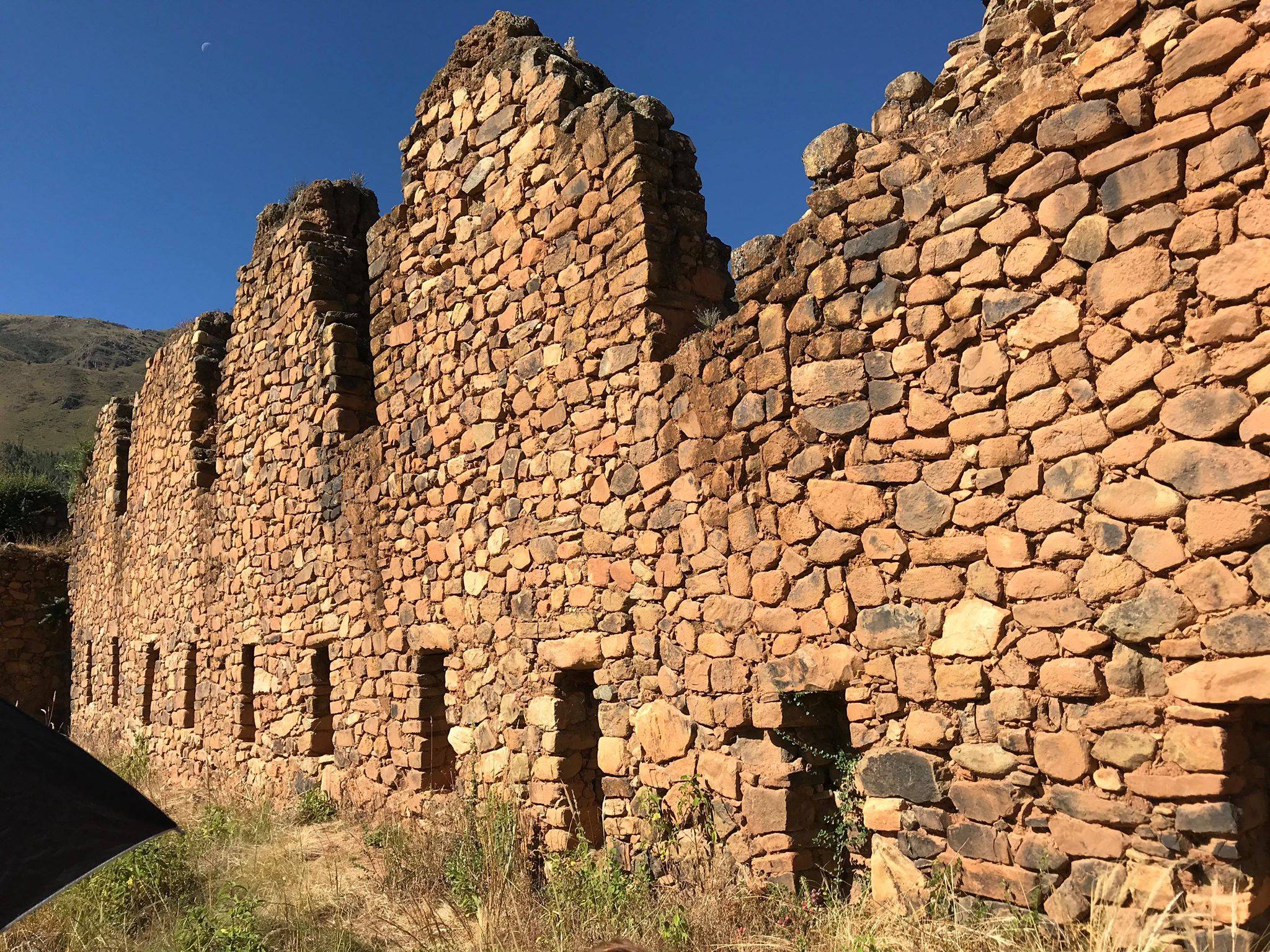
Incallajta
Inkallaqta, also known by various spellings such as Incallacta, Incallajta, Incallakta, Inkallajta, and Inkallakta, stands as a monumental testament to the architectural and cultural prowess of the Inca civilization. Located in the Cochabamba Department, Carrasco Province, Pocona Municipality of central Bolivia, approximately 130 kilometers east of Cochabamba, this site offers profound insights into the Inca’s ceremonial practices and their architectural ingenuity.
Huaca Las Balsas
Huaca Las Balsas, a significant archaeological site within the monumental complex of Túcume, offers profound insights into the maritime mythology of the Lambayeque culture (Sican Culture). Situated in the rural district of Túcume, Lambayeque Province, on the north coast of Peru, this site is part of a larger ensemble of pyramids surrounding Cerro Purgatorio. The name “Huaca Las Balsas” translates to “Shrine of the Rafts,” a title derived from the discovery of mud reliefs depicting mythological characters aboard rowing vessels amidst a marine setting. These findings underscore the Lambayeque culture’s deep connection with the sea, a theme recurrent in their mythology and artistic expressions.
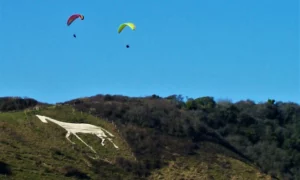
Litlington White Horse
The Litlington White Horse is a hill figure located on the South Downs near Litlington, East Sussex, England. Carved into the chalk hillside, this figure depicts a horse and is one of several such figures in the UK. Unlike its ancient counterparts, the Litlington White Horse is a relatively recent creation, dating back to the early 19th century. It has become a cultural landmark and is maintained by the local community, serving as a testament to the tradition of hill figures in British history.
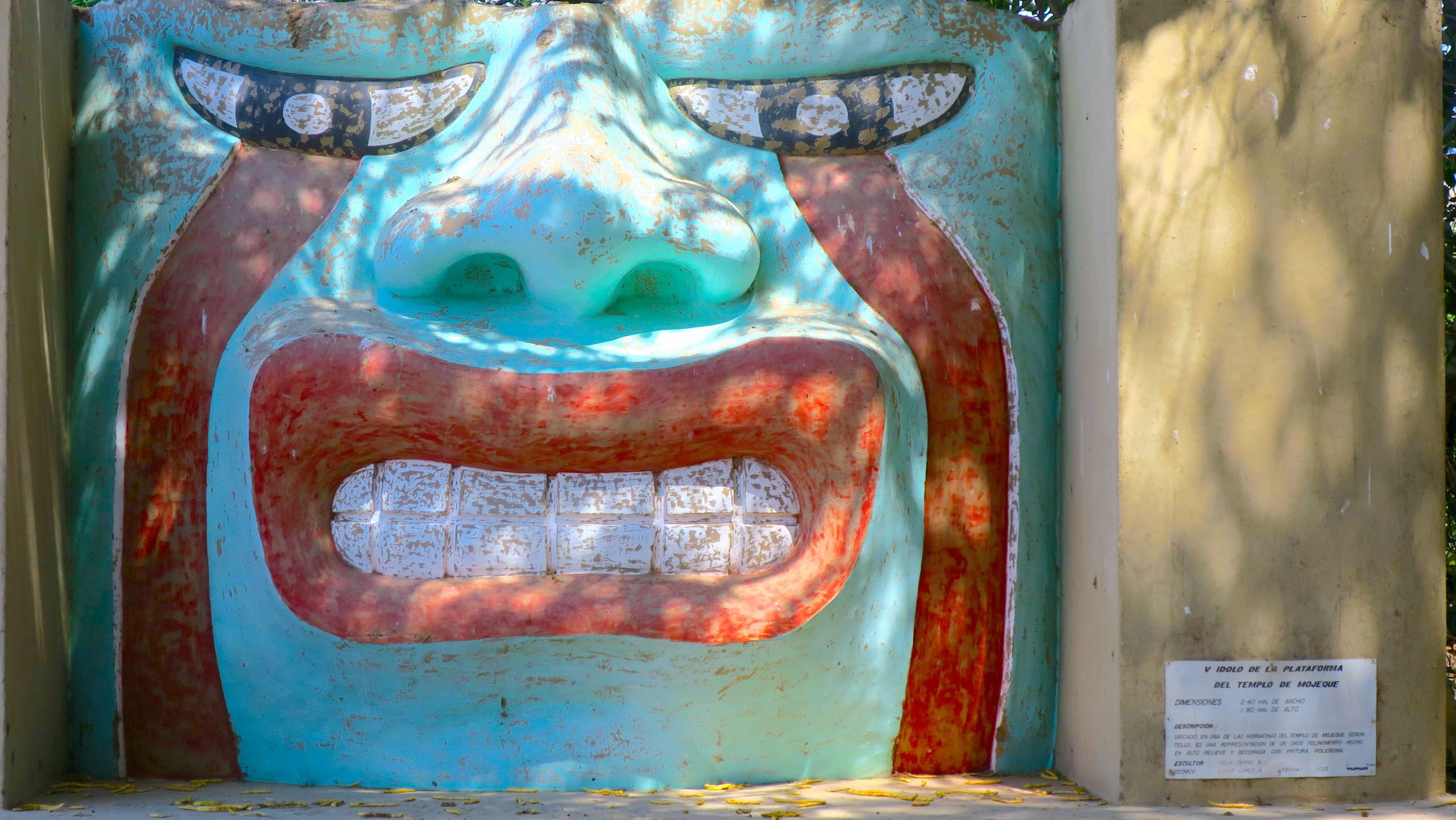
Cerro Sechín
Cerro Sechín, an archaeological site located in the Casma Province of the Ancash Region in northern Peru, represents one of the most intriguing pre-Columbian sites in South America. Discovered on July 1, 1937, by Julio C. Tello and Toribio Mejía Xesspe, this site has been a focal point for understanding the complexities of ancient Andean civilizations. Tello, a prominent figure in Peruvian archaeology, posited that Cerro Sechín was the capital of what is now referred to as the Casma/Sechín culture or Sechin complex. This complex is characterized by its megalithic architecture and the striking carved figures in bas-relief that graphically depict human sacrifices.