
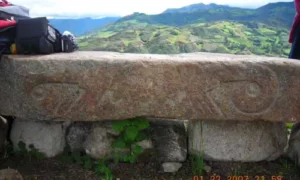
Pacopampa, a term derived from Quechua meaning “paqu pampa,” is an archaeological site of monumental importance located in the northern highlands of Peru, specifically within the department of Cajamarca. This site, dating from 1200 to 500 BC, showcases the remains of a ceremonial center constructed from cut and polished stone, marking it as a significant location from the Formative period of pre-Columbian history.
Neural Pathways
Neural Pathways is a collective of seasoned experts and researchers with a profound passion for unraveling the enigmas of ancient history and artifacts. With a wealth of combined experience spanning decades, Neural Pathways has established itself as a leading voice in the realm of archaeological exploration and interpretation.
Our team of researchers and scholars provide unparalleled depth of knowledge in deciphering the intricate narratives embedded within ancient artifacts and deciphering the cultural nuances that shaped civilizations of the past. Through meticulous research, rigorous analysis, and a collaborative spirit, Neural Pathways has made and continues to make significant contributions to our understanding of the human past.
Iñaq Uyu
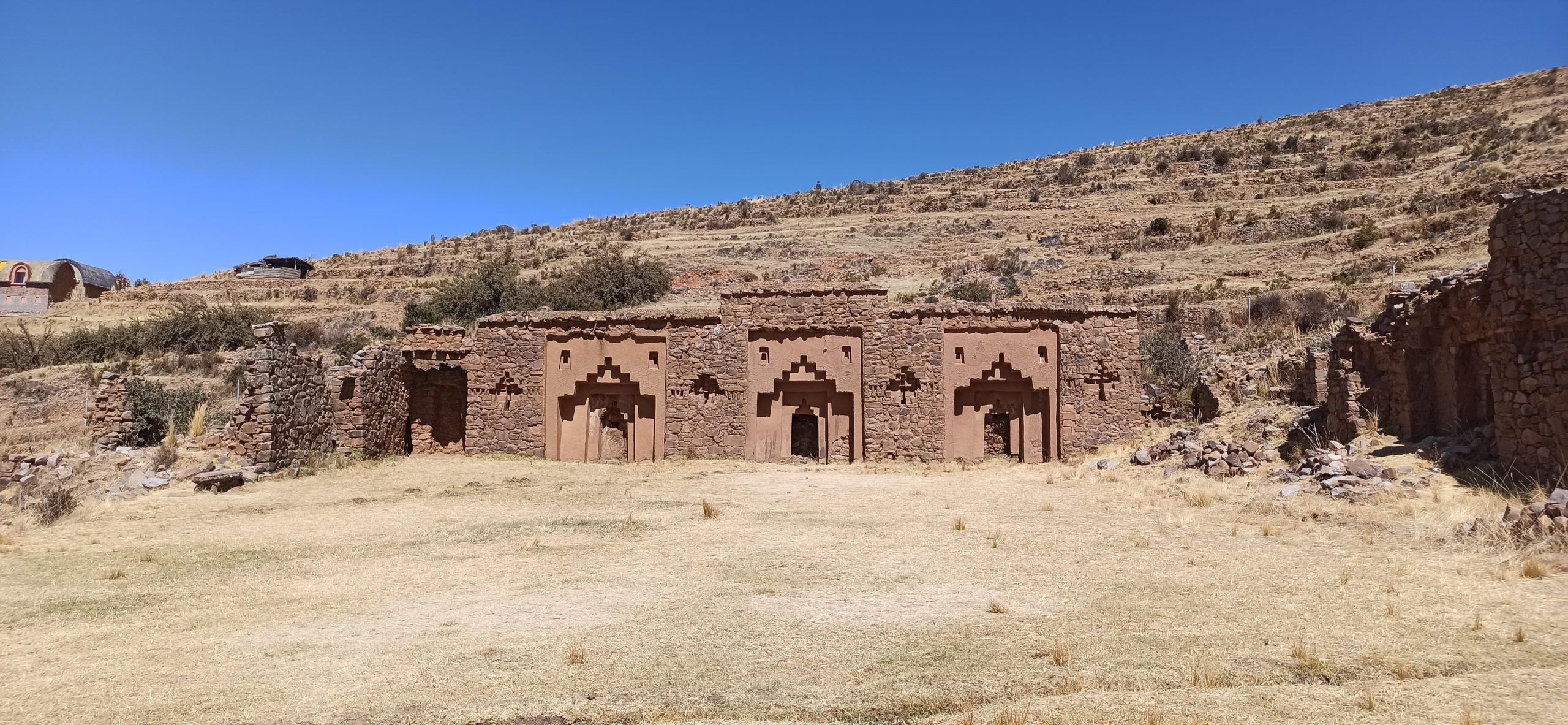
Iñaq Uyu, also known by various spellings such as Iñac Uyu, Iñac Uyo, and Iñakuyu, represents a significant archaeological site located on the Isla de la Luna in Lake Titicaca, Bolivia. This site, also referred to as Aklla Wasi, holds a profound historical and cultural importance within the Incan civilization, dating back to the period between 1000 C.E. and 1500 C.E. The name Iñaq Uyu, deriving from the Aymara language, translates to “pen of the iñaqa, the woman of the noble caste of the Incas,” indicating its association with the noble and aristocratic women of the Inca society
Common Maya Words Glossary
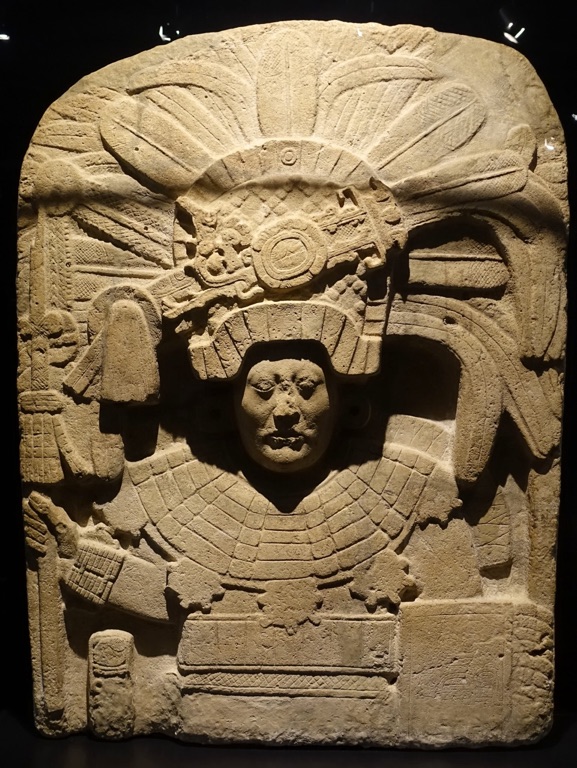
This glossary offers a window into the profound and intricate world of the Maya civilization, a culture renowned for its remarkable achievements in astronomy, architecture, agriculture, and art. Spanning from the Preclassic period through the Postclassic era, the Maya developed a complex society across Mesoamerica, leaving behind a legacy that continues to fascinate and inform. The terms included in this glossary, ranging from “Ajau” to “Zenith Tube,” encapsulate the breadth of Maya knowledge and their relationship with the cosmos, the natural environment, and the spiritual realm. Each entry not only provides a definition but also reflects the cultural significance and the underlying principles that guided the Maya people. Through this exploration of Maya words and their meanings, we gain insights into their sophisticated calendrical systems, religious beliefs, and daily practices, offering a deeper understanding of a civilization that has left an indelible mark on human history.
The Maya Calendar System
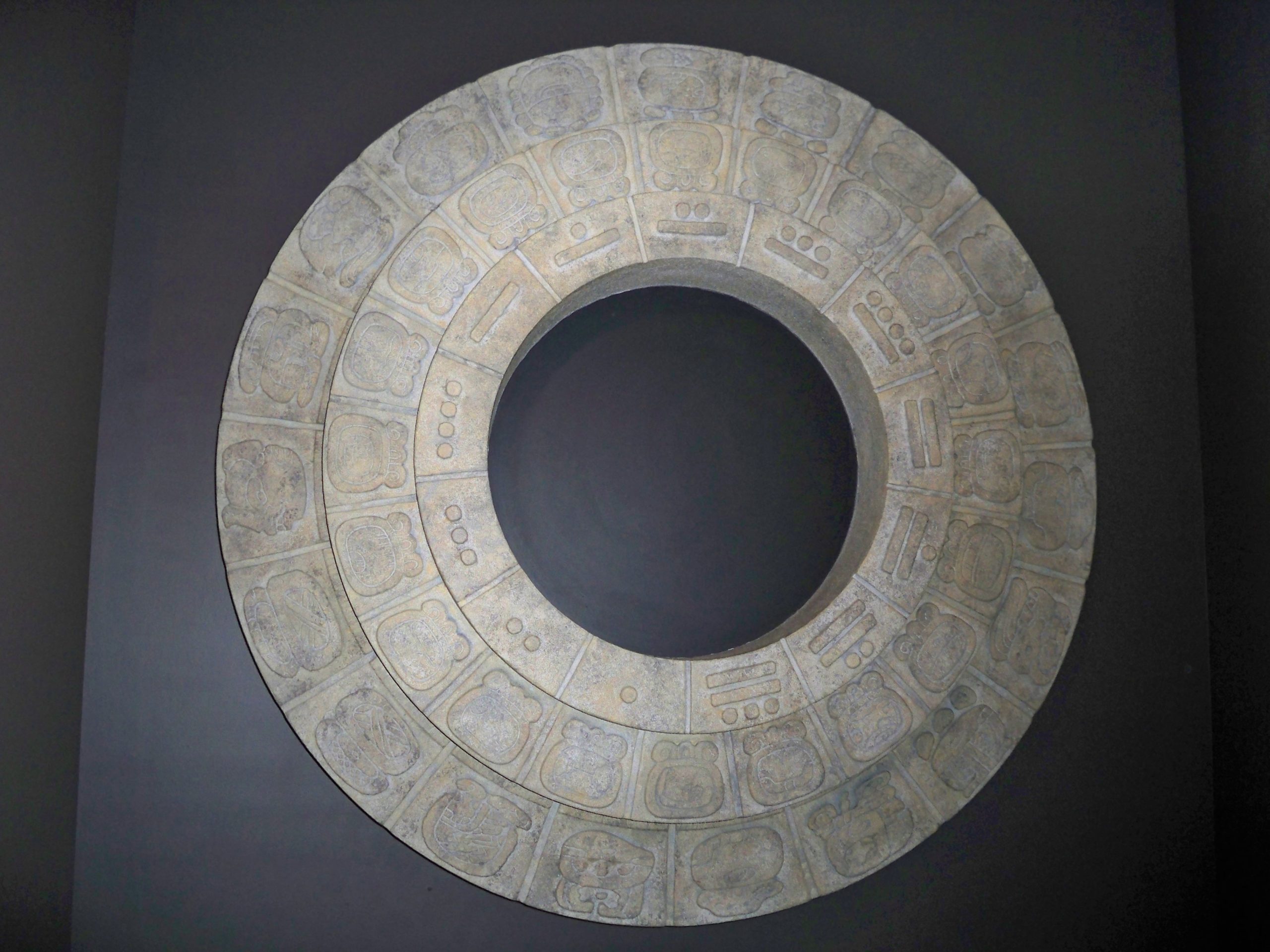
The Maya civilization, renowned for its advanced knowledge in astronomy and mathematics, developed one of the most sophisticated and accurate calendar systems in human history. This system, rooted in the ancient Mesoamerican civilizations, particularly the Olmec, served both practical and ceremonial purposes. It comprises several calendars measuring time periods of varying lengths, based on solar, planetary, and human cycles. The Maya calendar system includes the Haab, a 365-day solar calendar; the Tzolk’in, a 260-day sacred calendar; the Calendar Round, a 52-year cycle; and the Long Count calendar, used for chronological dating of mythical and historical events.
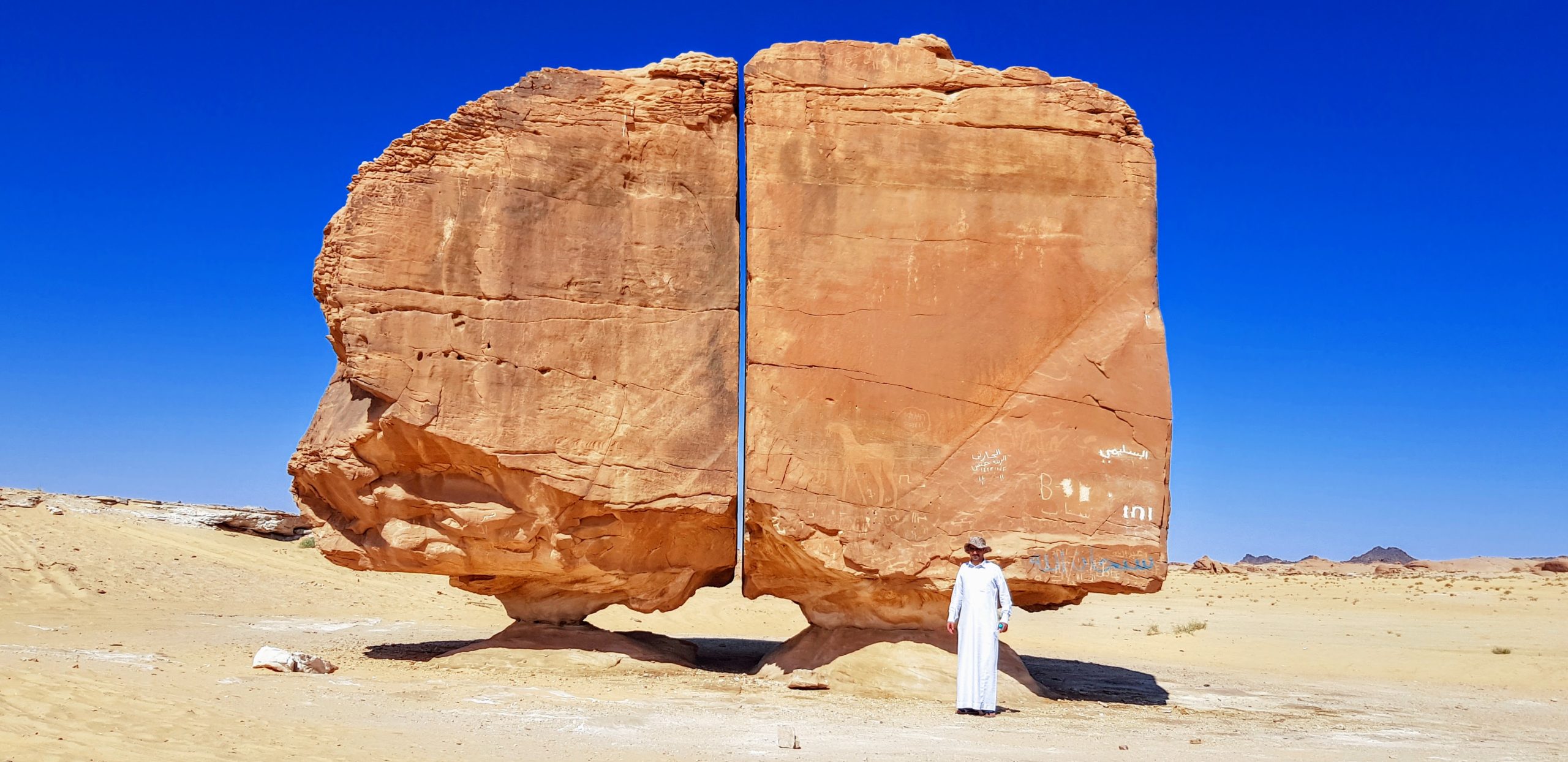
Al Naslaa Rock
The Al Naslaa Rock Formation is a captivating geological feature located in the Tayma oasis in Saudi Arabia. It is renowned for its perfectly split boulder, with the two halves standing upright and slightly separated, as if sliced with a laser. The flat faces of the boulders are adorned with ancient petroglyphs that add to the mystery and allure of the site. This rock formation has sparked the curiosity of both tourists and researchers alike, leading to various interpretations of its origin and the meaning behind the petroglyphs.
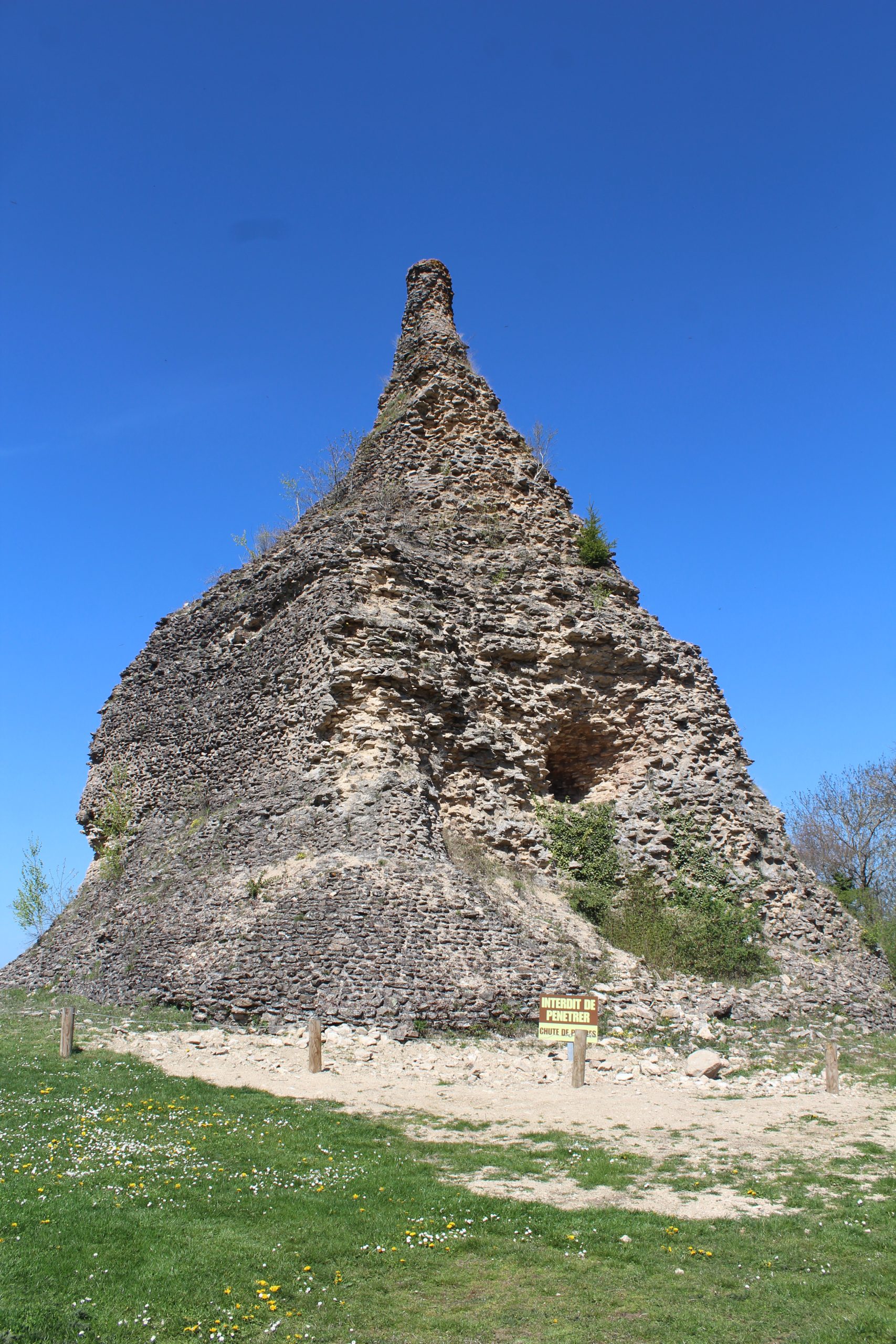
Pierre de Couhard (Couhard Pyramid)
The Couhard Pyramid, an ancient edifice that has stood the test of time, is a remarkable structure located near the ancient necropolis of “Champ des Urnes” in Autun, a commune in Saône-et-Loire, France. This pyramid, which majestically overlooks the town of Autun, is believed to have been constructed in the 1st century AD. Its presence near one of the large necropolises of the Roman city of Augustodunum, the ancient name for Autun, hints at its probable function as a funerary monument. Despite its long history, the pyramid’s true purpose and the identity of those it commemorates remain subjects of much speculation and debate.