Huaca Las Balsas: A Testament to Lambayeque Culture’s Maritime Mythology
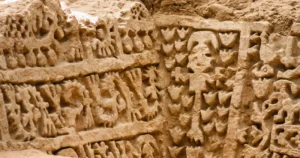
Huaca Las Balsas, a significant archaeological site within the monumental complex of Túcume, offers profound insights into the maritime mythology of the Lambayeque culture (Sican Culture). Situated in the rural district of Túcume, Lambayeque Province, on the north coast of Peru, this site is part of a larger ensemble of pyramids surrounding Cerro Purgatorio. The name “Huaca Las Balsas” translates to “Shrine of the Rafts,” a title derived from the discovery of mud reliefs depicting mythological characters aboard rowing vessels amidst a marine setting. These findings underscore the Lambayeque culture’s deep connection with the sea, a theme recurrent in their mythology and artistic expressions.
Discovery and Excavations
The initial discovery of Huaca Las Balsas was made during the Túcume Archaeological Project in 1991, under the leadership of Alfredo Narváez and Daniel Sandweiss, with the patronage of Thor Heyerdahl. Further excavations were conducted between 2008 and 2010, sponsored by the Counterpart Peru France Fund, and led by Bernarda Delgado and Alfredo Narváez. These efforts have significantly contributed to our understanding of the Lambayeque culture, particularly in the period leading up to the Inca conquest around 1470 AD and the subsequent Spanish conquest in 1532 AD.
The Monumental Complex of Túcume
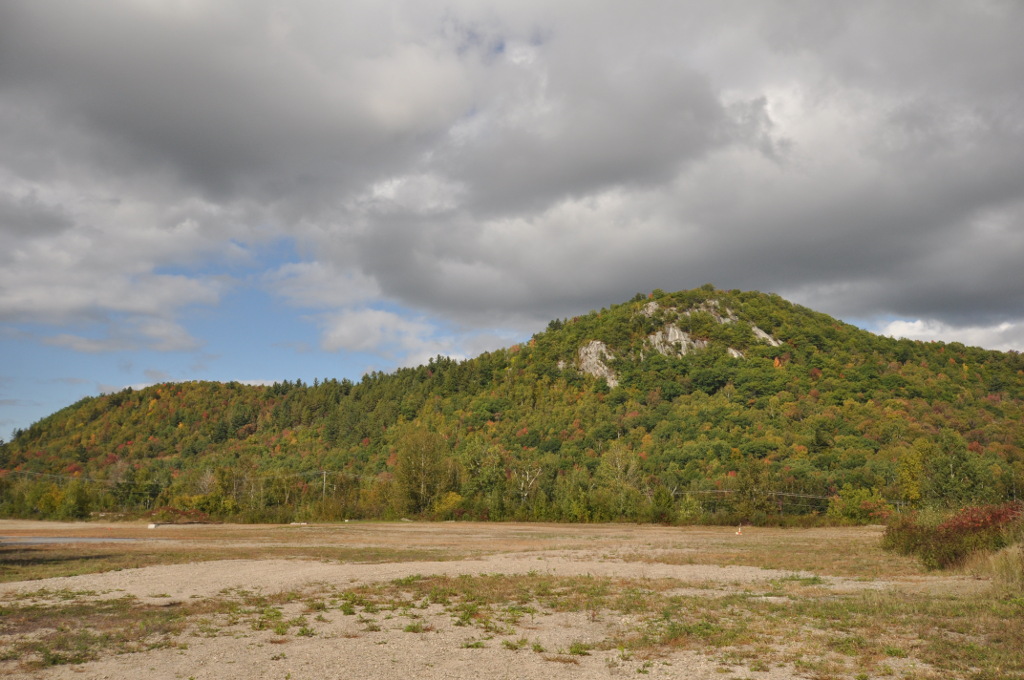
Spanning 221.5 hectares, the monumental complex of Túcume represents the largest concentration of adobe pyramids on the Peruvian coast and is among Peru’s most crucial archaeological sites. At its heart lies Cerro La Raya or Cerro Purgatorio, perceived as an axis mundi—a symbolic connector between the earthly realm and the divine. This central mountain divides the site into a binary order, with monumental buildings to the north and structures of lesser hierarchy to the south. This spatial organization is further nuanced by a concept of quartering, dividing the monument into four distinct sectors.
Political and Religious Significance
The northeast sector of the complex is particularly noteworthy, housing Huaca Larga, the most extensive building where political power was consolidated first by the Chimú conquerors and later by the Incas. Adjacent to this edifice is a walled path leading to the city and the Temple of the Sacred Stone, a site of complex ceremonies including human and llama sacrifices, as well as offerings of miniature silver artifacts and Spondylus shells. The sacred stone, extracted from the mountain, was revered as an alter ego of the mountain itself.
Huaca Las Balsas: A Cultural Nexus
Located to the southwest, Huaca Las Balsas is encircled by medium-sized buildings, forming a northeast-southwest axis that recurs in various architectural and burial contexts within the complex. This spatial arrangement reflects core pre-Hispanic cultural principles in Túcume, which continue to resonate in certain expressions of local mestizo culture today.
The reliefs at Huaca Las Balsas, portraying mythological beings navigating the ocean, serve as a vivid testament to the Lambayeque culture’s maritime orientation and its intricate mythology. These artistic depictions not only highlight the cultural significance of the sea and navigation but also underscore the broader cosmological and religious beliefs of the Lambayeque people. Through ongoing archaeological research, Huaca Las Balsas continues to reveal the depth and complexity of pre-Columbian civilizations on the north coast of Peru, offering invaluable insights into their social, political, and religious practices.
Source: https://repositorio.cultura.gob.pe/handle/CULTURA/1163

Neural Pathways is a collective of seasoned experts and researchers with a profound passion for unraveling the enigmas of ancient history and artifacts. With a wealth of combined experience spanning decades, Neural Pathways has established itself as a leading voice in the realm of archaeological exploration and interpretation.