
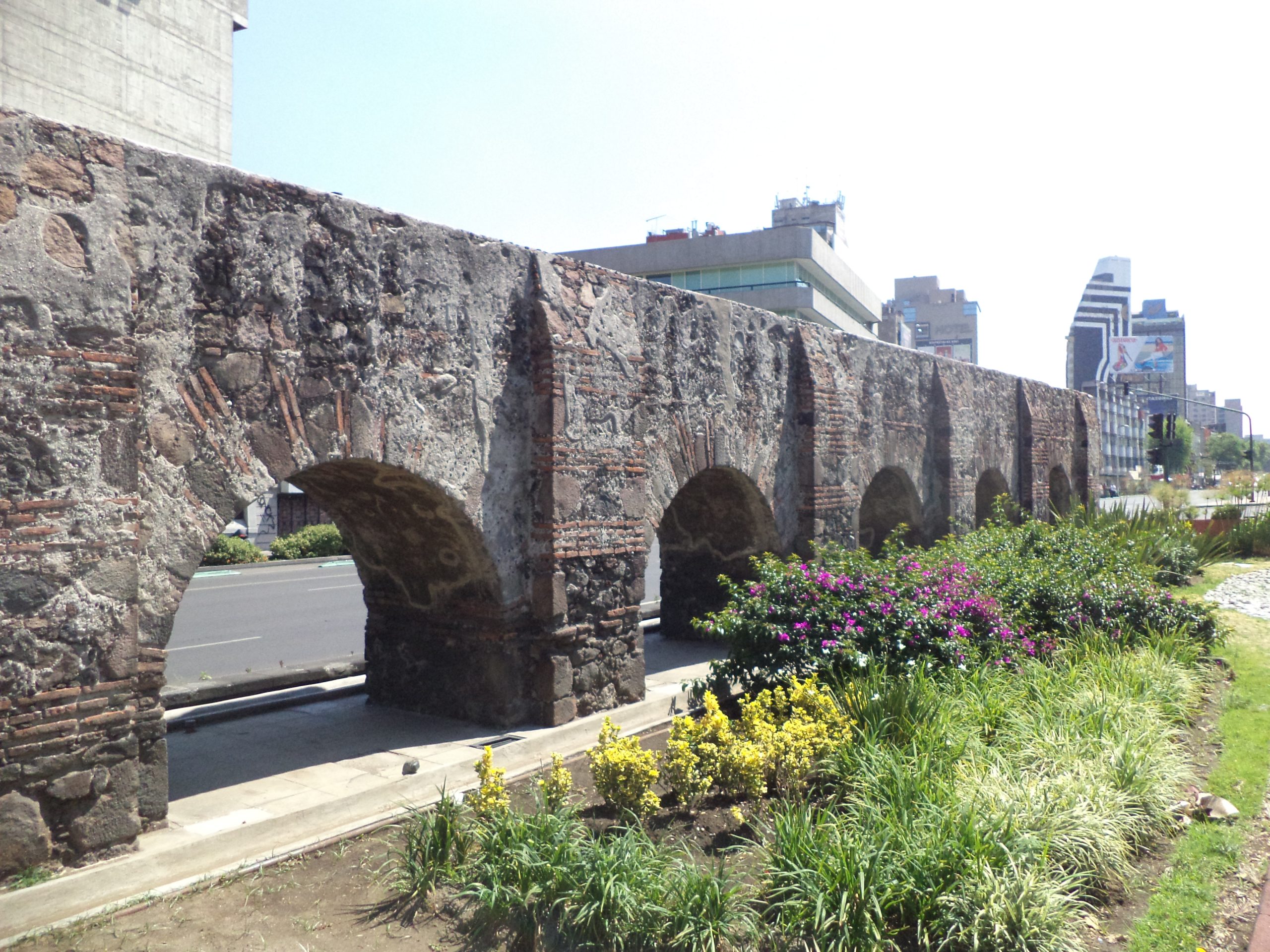
The Chapultepec aqueduct is a historic aqueduct located in Mexico City. Originally built by the Aztecs, it was a vital water supply system for the city. The aqueduct is an architectural marvel, showcasing the engineering skills of its creators. It stands as a testament to the city’s pre-Hispanic and colonial past, blending indigenous and Spanish influences. Today, it is a significant cultural landmark and a symbol of Mexico City’s rich history.
Neural Pathways
Neural Pathways is a collective of seasoned experts and researchers with a profound passion for unraveling the enigmas of ancient history and artifacts. With a wealth of combined experience spanning decades, Neural Pathways has established itself as a leading voice in the realm of archaeological exploration and interpretation.
Our team of researchers and scholars provide unparalleled depth of knowledge in deciphering the intricate narratives embedded within ancient artifacts and deciphering the cultural nuances that shaped civilizations of the past. Through meticulous research, rigorous analysis, and a collaborative spirit, Neural Pathways has made and continues to make significant contributions to our understanding of the human past.
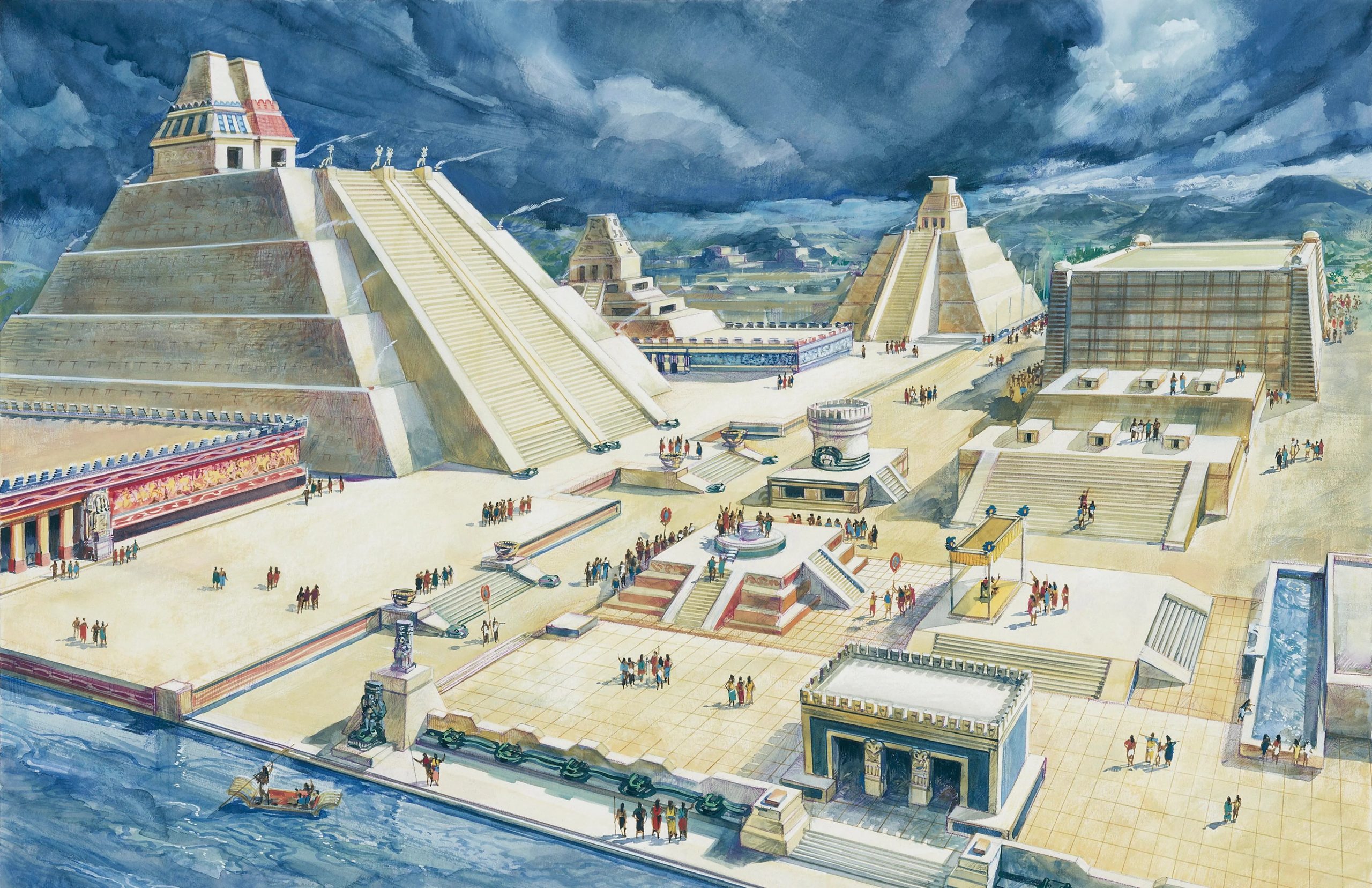
Tenochtitlan
Tenochtitlan, the ancient Aztec capital, was a marvel of engineering and culture. Founded in 1325, it stood on an island in Lake Texcoco, in what is now central Mexico. This city was the heart of the Aztec civilization, showcasing monumental architecture, complex canals, and vibrant markets. It was a hub of political power, religion, and commerce until the Spanish conquest in 1521. The Spaniards, led by Hernán Cortés, were astounded by its grandeur, comparing it to European cities. After the conquest, Tenochtitlan was largely destroyed, and Mexico City was built atop its ruins, burying its splendor for centuries.
Temple of Ramses II at Abydos
The Temple of Ramses II at Abydos is a significant archaeological site in Egypt. It stands as a testament to the grandeur of ancient Egyptian civilization and the enduring legacy of one of its most powerful pharaohs, Ramses II. This temple, dedicated to the cult of Ramses II, is one of the many monuments that the pharaoh commissioned during his long reign. It is renowned for its intricate wall carvings and the historical insights it provides into ancient Egyptian religion and kingship.
Tomb of Menna
The Tomb of Menna is a significant archaeological site located in the Theban Necropolis, on the west bank of the Nile, opposite Luxor, Egypt. It is the burial place of Menna, a high-ranking official during the reign of Pharaoh Thutmose IV of the 18th Dynasty. The tomb is renowned for its well-preserved wall paintings that depict various aspects of Egyptian life and the afterlife. These artworks provide valuable insights into the customs, religious beliefs, and daily activities of ancient Egyptians. The Tomb of Menna is a popular destination for scholars and tourists alike, offering a glimpse into the rich history and culture of ancient Egypt.
Tomb of Nakht
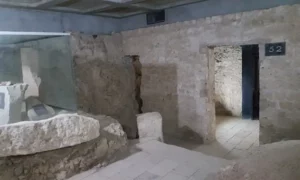
The Tomb of Nakht is an ancient Egyptian burial site located in the famed Valley of the Nobles near Luxor. It belongs to Nakht, an 18th Dynasty scribe and astronomer of the god Amun. The tomb is renowned for its vivid wall paintings that depict various aspects of Egyptian life and the afterlife. Discovered in the early 20th century, it has since provided scholars with valuable insights into the religious beliefs, artistic styles, and daily activities of the New Kingdom period.
El-Tod
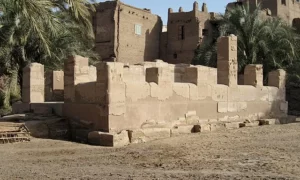
El-Tod is a small town in Upper Egypt, located near Luxor, known for its ancient ruins and artifacts. It was once an important city during the Pharaonic era, known as Tuphium. The site includes a temple dedicated to the Egyptian god Montu, a local war god, and remnants of structures from the Old and Middle Kingdoms. El-Tod has been a treasure trove for archaeologists, offering insights into ancient Egyptian civilization and its interactions with neighboring cultures.