
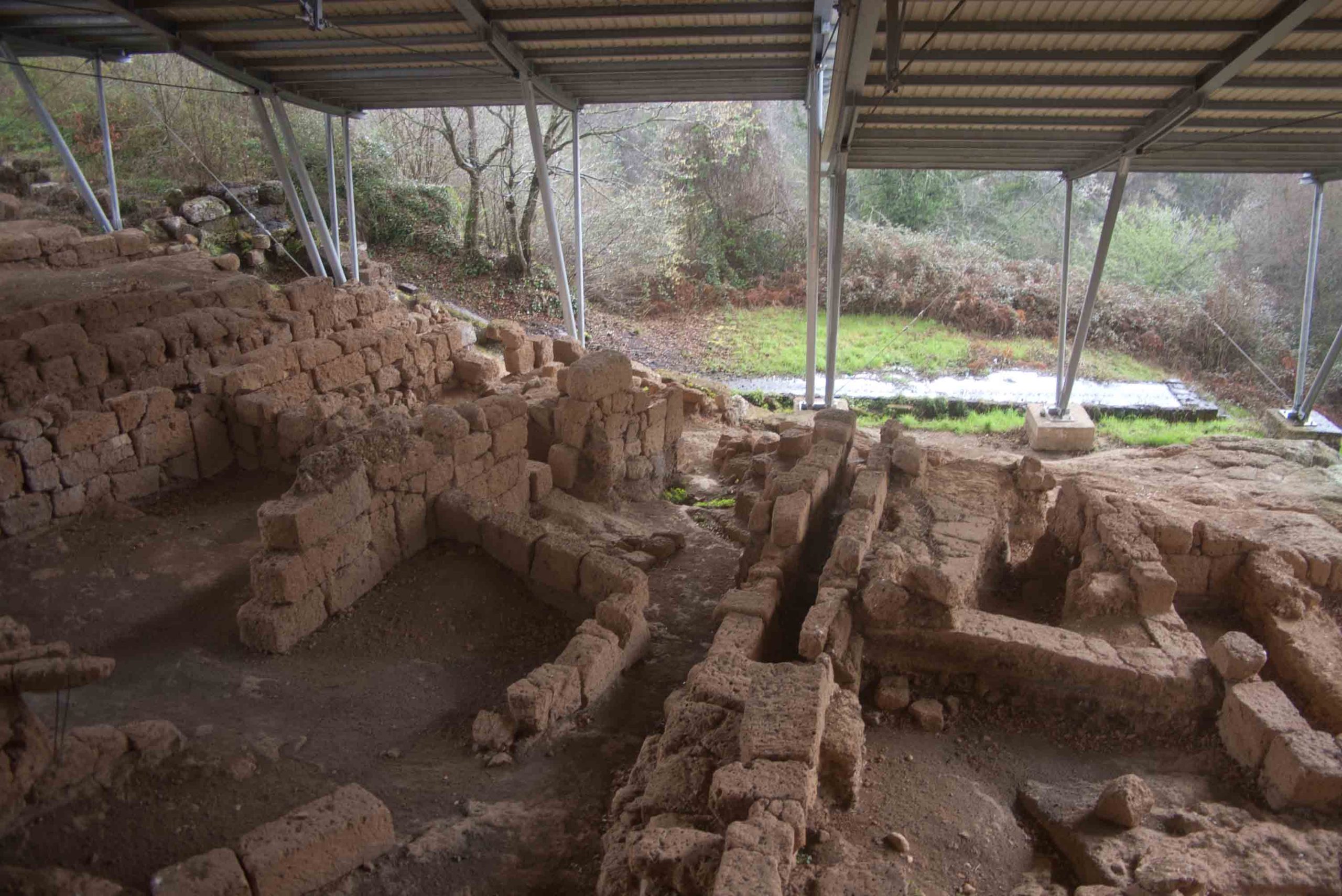
San Giovenale is an ancient Etruscan site located in the region of Lazio, Italy. It holds significant historical importance due to its well-preserved ruins and artifacts that provide insight into Etruscan civilization. The site was first excavated in the 1950s, revealing a complex history that dates back to at least the 9th century BC. San Giovenale’s remains include residential areas, sanctuaries, and tombs, offering a glimpse into the daily life, religious practices, and architectural prowess of the Etruscans.
Neural Pathways
Neural Pathways is a collective of seasoned experts and researchers with a profound passion for unraveling the enigmas of ancient history and artifacts. With a wealth of combined experience spanning decades, Neural Pathways has established itself as a leading voice in the realm of archaeological exploration and interpretation.
Our team of researchers and scholars provide unparalleled depth of knowledge in deciphering the intricate narratives embedded within ancient artifacts and deciphering the cultural nuances that shaped civilizations of the past. Through meticulous research, rigorous analysis, and a collaborative spirit, Neural Pathways has made and continues to make significant contributions to our understanding of the human past.
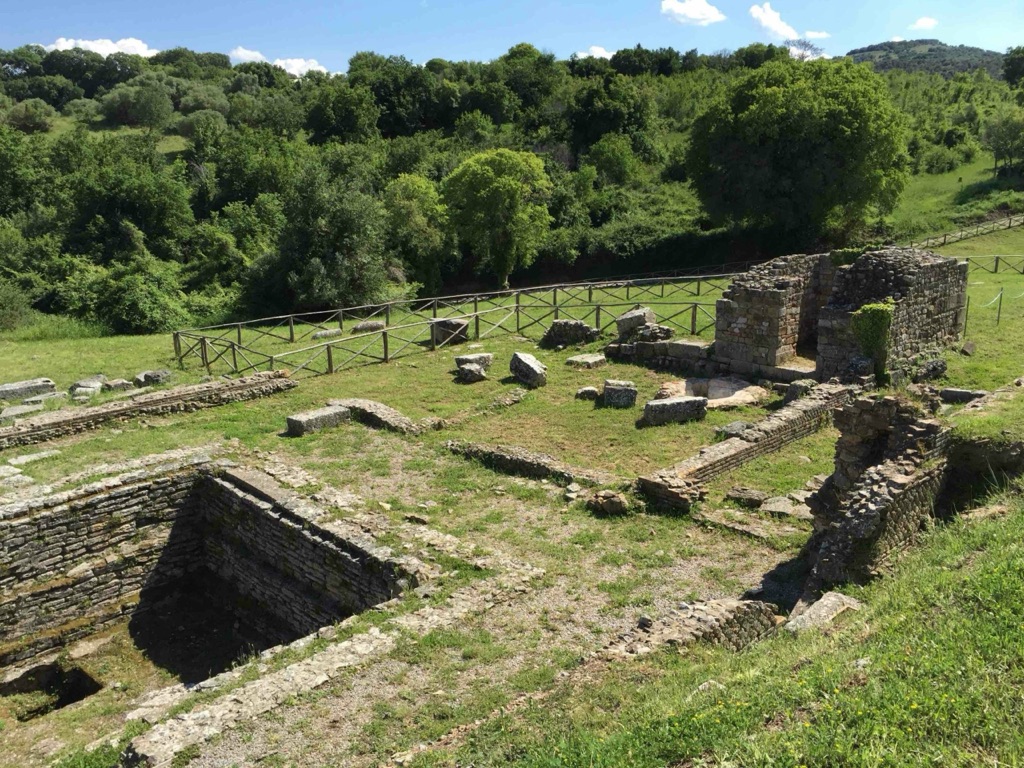
Rusellae
Rusellae, an ancient Etruscan city, sits in the Italian region of Tuscany. Founded around the 7th century BC, it flourished through the Etruscan, Roman, and Medieval periods. The city’s ruins, located near the modern town of Grosseto, offer a glimpse into ancient urban planning and architecture. Rusellae’s significance lies in its well-preserved city walls and the archaeological insights it provides into Etruscan civilization.
Fiesole
Fiesole is a historic town located in the Tuscany region of Italy, known for its ancient roots and rich cultural heritage. Perched on a hilltop, it offers stunning views of the surrounding countryside and the city of Florence. Fiesole’s history stretches back to antiquity, having been an important Etruscan settlement before becoming a Roman town. Over the centuries, it has witnessed numerous historical events and has accumulated a wealth of archaeological sites, monuments, and artistic treasures that attract scholars and tourists alike.
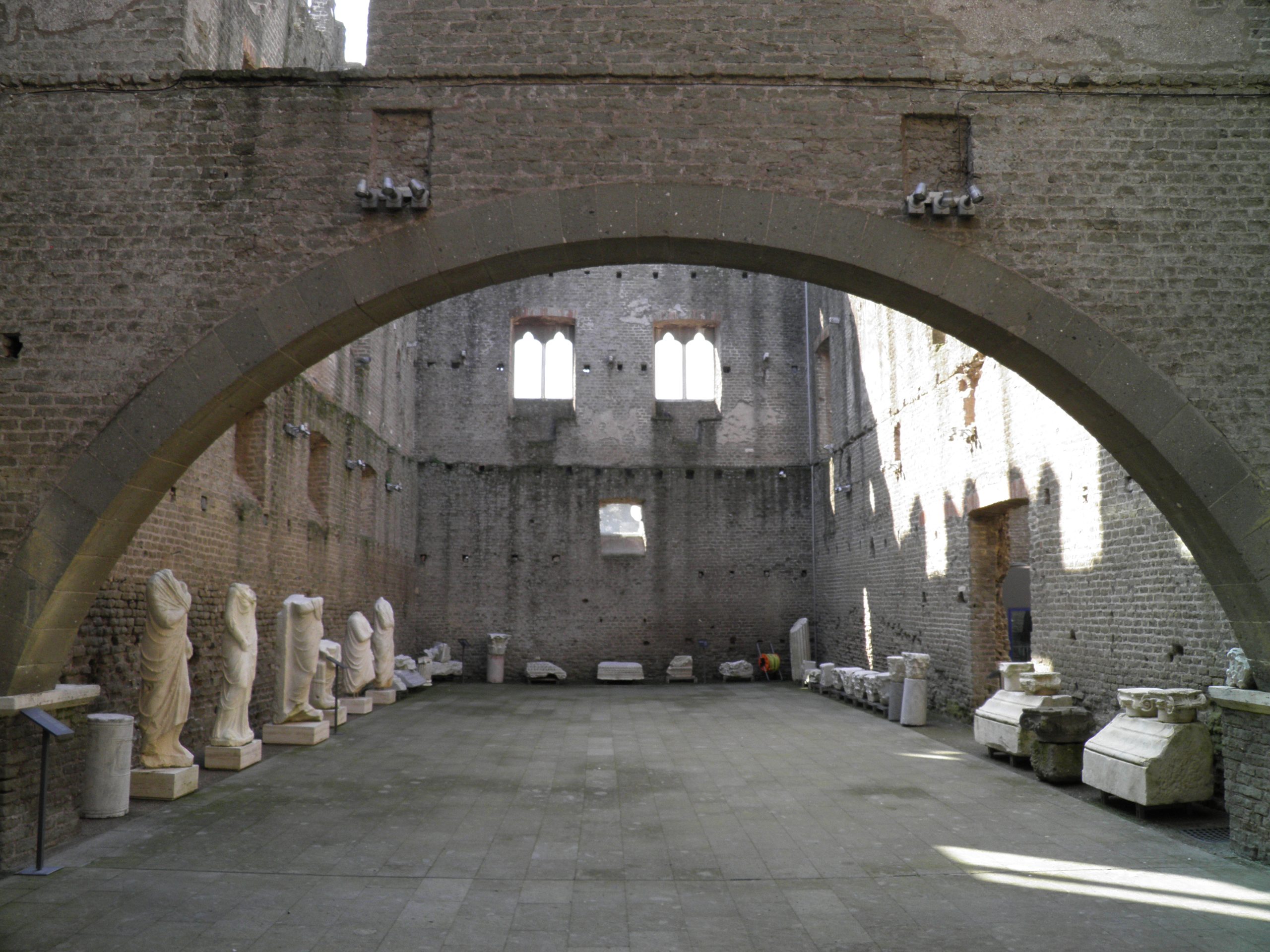
Tomb of Caecilia Metella
The Tomb of Caecilia Metella stands as a striking mausoleum on the ancient Appian Way, just outside of Rome, Italy. This monumental tomb, dating back to the 1st century BC, is a testament to the grandeur of Roman architecture and the social status of the family it represents. The circular drum and its battlemented top make it one of the most distinctive and best-preserved tombs of its kind. It was built for Caecilia Metella, a member of a prominent Roman family, and has since become a symbol of the power and wealth of the Roman elite.
Ferentium
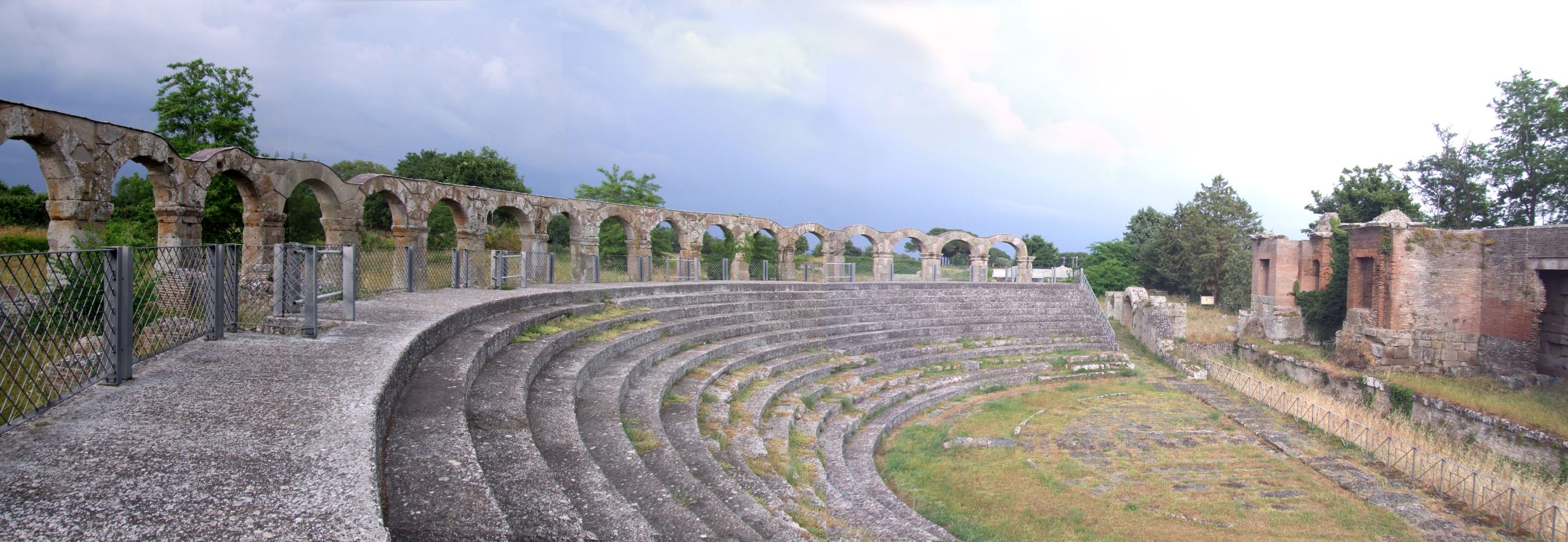
Ferentium, an ancient city in Italy, stands as a testament to the rich tapestry of human history. This once-flourishing Etruscan and later Roman settlement offers a glimpse into the past, revealing the complexities of ancient civilizations. Its ruins, though not as famous as some of its contemporaries, provide valuable insights into the urban planning, architecture, and daily life of its time. The city’s strategic location and historical significance make it a fascinating subject for both historians and archaeologists alike.
Tomb of the Scipios
The Tomb of the Scipios, located in Rome, is an ancient burial ground that dates back to the 3rd century BC. It served as the final resting place for members of the Scipio family, one of the most prominent families in the Roman Republic. The tomb gained fame due to its association with Scipio Africanus, the celebrated Roman general who defeated Hannibal in the Second Punic War. Despite his fame, Africanus was not buried here, but the tomb still holds the remains of other significant members of the Scipio family. Over time, the site fell into disrepair and was rediscovered in the 17th century, providing valuable insights into Roman funerary practices and the Scipio family’s history.