
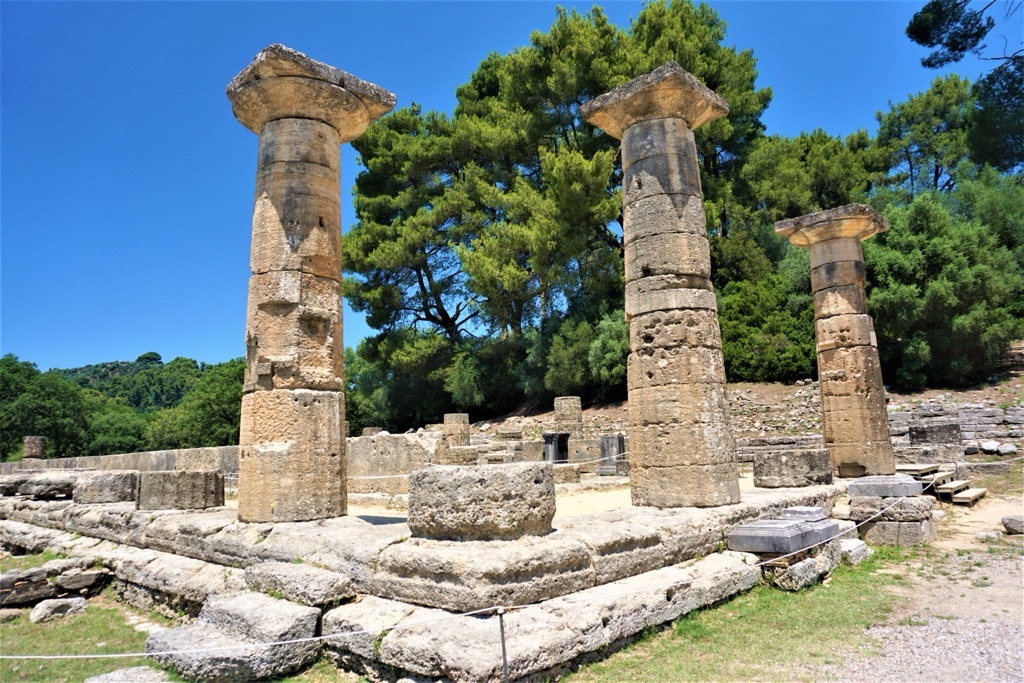
The Temple of Hera, also known as Heraion, is an ancient temple located in Olympia, Greece. Constructed in the 7th century BC, it is one of the oldest monumental temples in Greece. The temple was dedicated to Hera, the wife of Zeus and one of the most important deities in Greek mythology. It was an integral part of the Olympia sanctuary, a religious and political meeting place that was the site of the Olympic Games. The Temple of Hera is an architectural marvel, showcasing the early development of the Doric order, one of the three orders of ancient Greek architecture.
Neural Pathways
Neural Pathways is a collective of seasoned experts and researchers with a profound passion for unraveling the enigmas of ancient history and artifacts. With a wealth of combined experience spanning decades, Neural Pathways has established itself as a leading voice in the realm of archaeological exploration and interpretation.
Our team of researchers and scholars provide unparalleled depth of knowledge in deciphering the intricate narratives embedded within ancient artifacts and deciphering the cultural nuances that shaped civilizations of the past. Through meticulous research, rigorous analysis, and a collaborative spirit, Neural Pathways has made and continues to make significant contributions to our understanding of the human past.
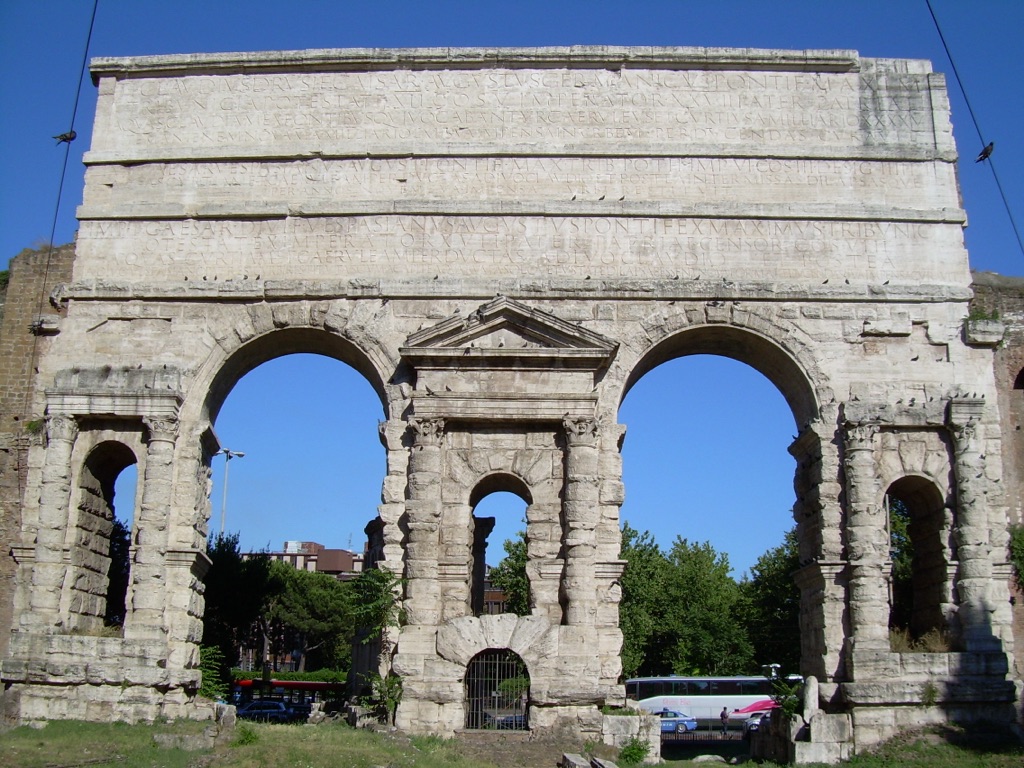
Porta Maggiore
Porta Maggiore stands as a testament to Rome’s architectural grandeur and engineering mastery. Initially an aqueduct, this edifice was seamlessly incorporated into the city’s defense walls, symbolizing the empire’s resourcefulness. It captivates visitors with its imposing structure, intricate carvings, and the stories of a bygone era preserved in travertine stone.
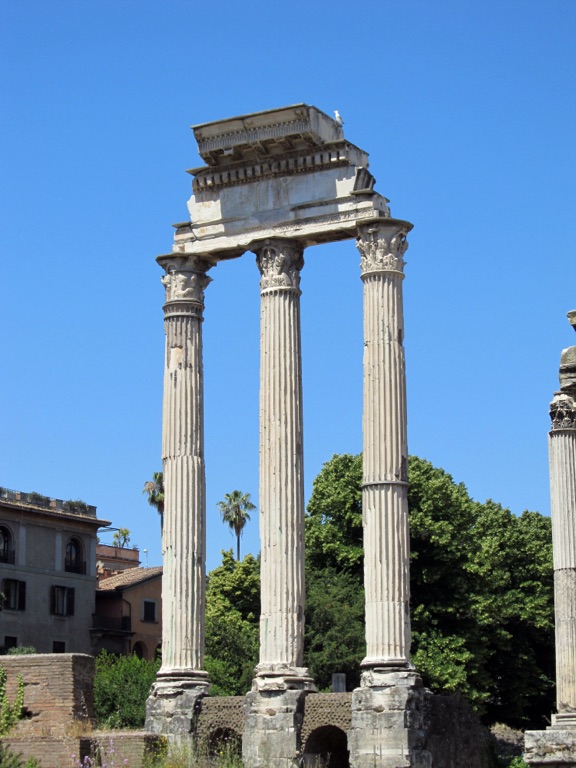
The Temple of Castor and Pollux
The Temple of Castor and Pollux stands as a timeless emblem of ancient Rome’s enduring legacy. Nestled in the heart of the Roman Forum, this architectural marvel provides a remarkable window into Roman religion and society. Though only three Corinthian columns remain, the temple once signified reverence for the divine twins, Castor and Pollux, credited with aiding Rome’s victory in the Battle of Lake Regillus. Visitors and history enthusiasts alike can bask in the temple’s historical significance, with remnants that speak volumes about Roman construction methods, religious beliefs, and the social importance of such structures in public life. A visit to the temple offers an immersive experience, bridging the gap between the past and present, allowing one to step back into a world where mythology and reality intertwined.
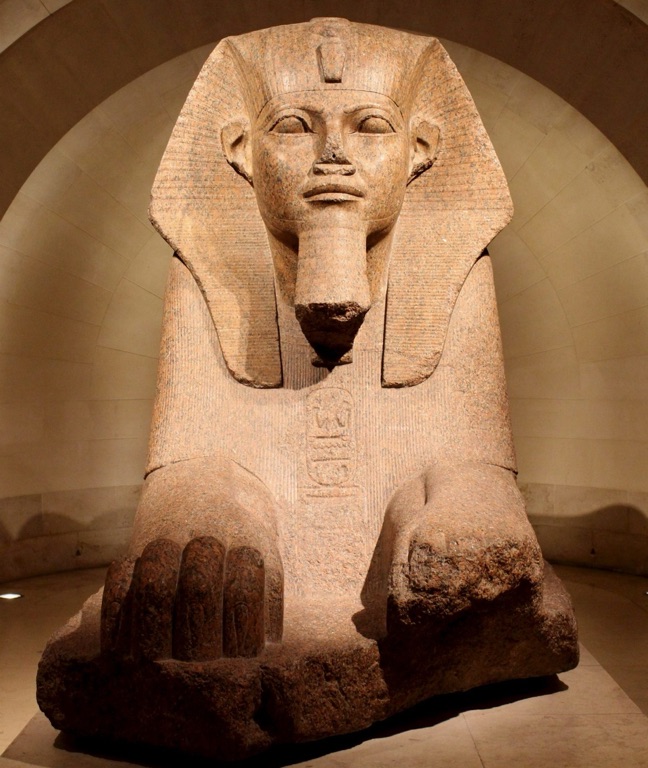
The Sphinx of Tanis
Amidst the sands of Egypt, the Sphinx of Tanis intrigues historians and tourists alike with its enigmatic appeal. Not as renowned as its Giza counterpart, this Sphinx remains a mystery, its origins shrouded in the mists of time. Carved from a single slab of granite, it now resides in the Louvre Museum, captivating onlookers with its intricately carved features and regal bearing. Tales of its discovery in the Temple of Amun in Tanis whisk us to an era of pharaohs and grandeur, hinting at untold stories between the lines of hieroglyphs etched on its surface.
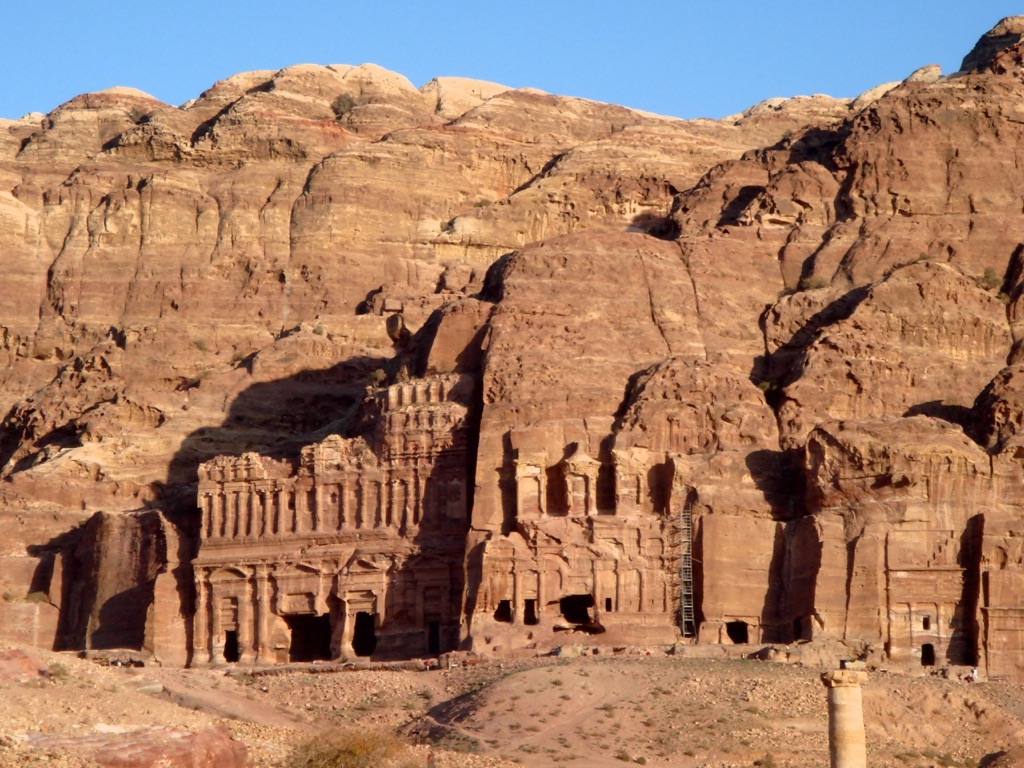
Petra Royal Tombs
Petra, known as the Rose City for its pink-hued rocks, stands as a testament to the ancient world’s creativity and determination. The Petra Royal Tombs, a significant component of this archaeological wonder, offer a glimpse into the Nabataean civilization’s complex societal and burial practices. Carved directly into the cliffs at the city’s heart, the grandeur of the Royal Tombs reinforces the skilled craftsmanship of the Nabataeans. These monumental structures served both as mausoleums and as a display of wealth and power, representing a unique fusion of Hellenistic architecture and indigenous innovation.
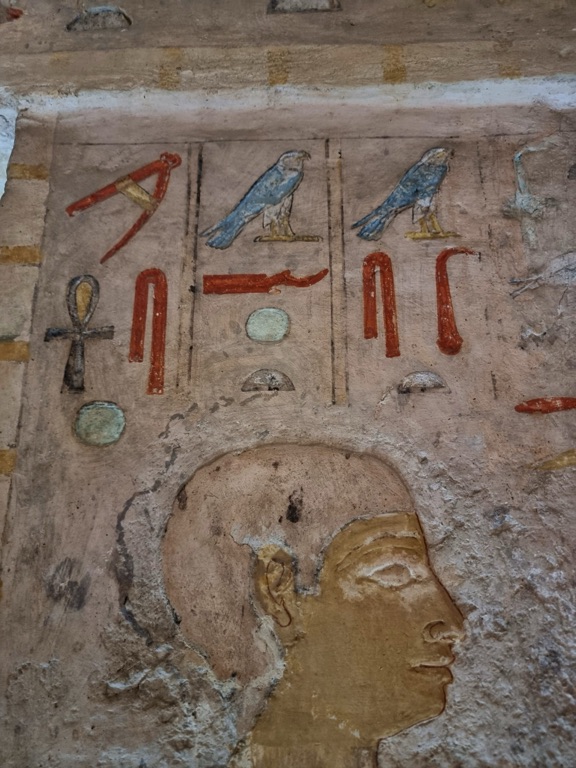
The Tomb of Queen Meresankh III
The Tomb of Queen Meresankh III stands as an architectural marvel, encapsulating the grandeur of ancient Egyptian royalty. Situated in the East Cemetery of the Giza Plateau, this tomb harbors the rich history and artistry of the Fourth Dynasty. Queen Meresankh III, with her tomb’s strategic location near the great pyramids, was no ordinary royalty; her resting place reflects her significance. Visitors marvel at the imposing facade and the intricate carvings within, representing scenes of daily life and highlighting the queen’s esteemed status in society.