
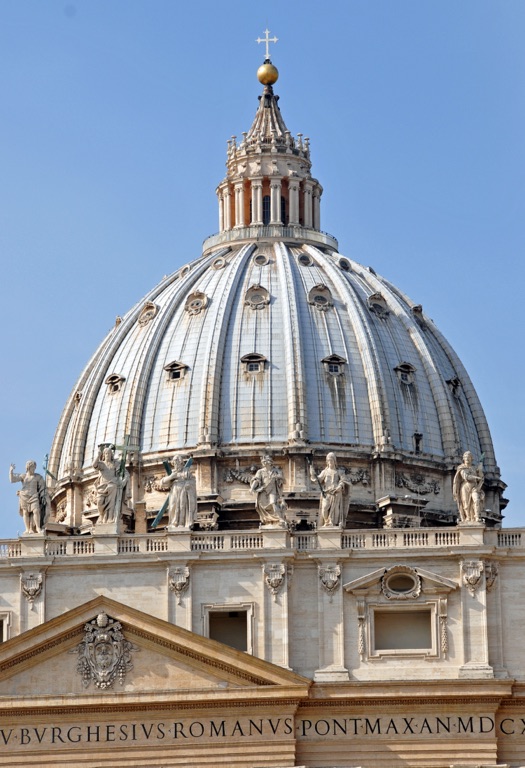
St Peter’s Basilica, located in Vatican City, is one of the most significant and revered sites in the Christian world. As the burial site of Saint Peter, one of Christ’s Apostles, it holds immense religious significance. Constructed in the 16th century, the basilica is renowned for its magnificent architecture and artwork, including pieces by Michelangelo and Bernini. It serves as a key place of pilgrimage for Catholics worldwide and is a symbol of the papacy and the Catholic Church. St Peter’s Basilica is historically significant as it is believed to be the burial site of Saint Peter, one of the twelve apostles of Jesus and the first Pope. The basilica was built over the historical site where Saint Peter was crucified and buried, making it a place of immense religious significance for Catholics worldwide. It has been a site of pilgrimage for centuries and continues to attract millions of visitors each year.
Neural Pathways
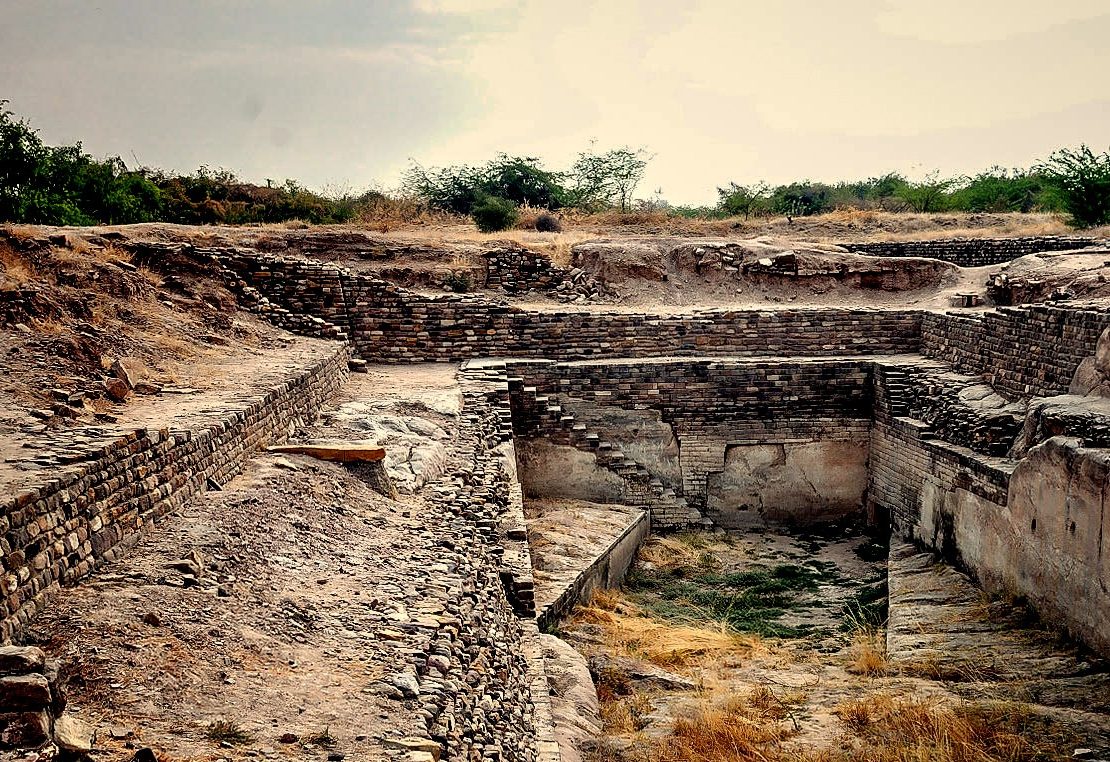
Dholavira – The Harappan City
Located on the Khadir island of the Rann of Kutch in the state of Gujarat, India, Dholavira is a testament to the ingenuity of the Indus Valley Civilization. This ancient city, believed to be over 4500 years old, showcases a remarkable level of urban planning and resource management. It’s spread across a massive area, featuring a citadel, middle town, and lower town, each fortified with thick walls. Intricate water conservation systems such as reservoirs and channels indicate the Harappans’ advanced understanding of hydraulic engineering.
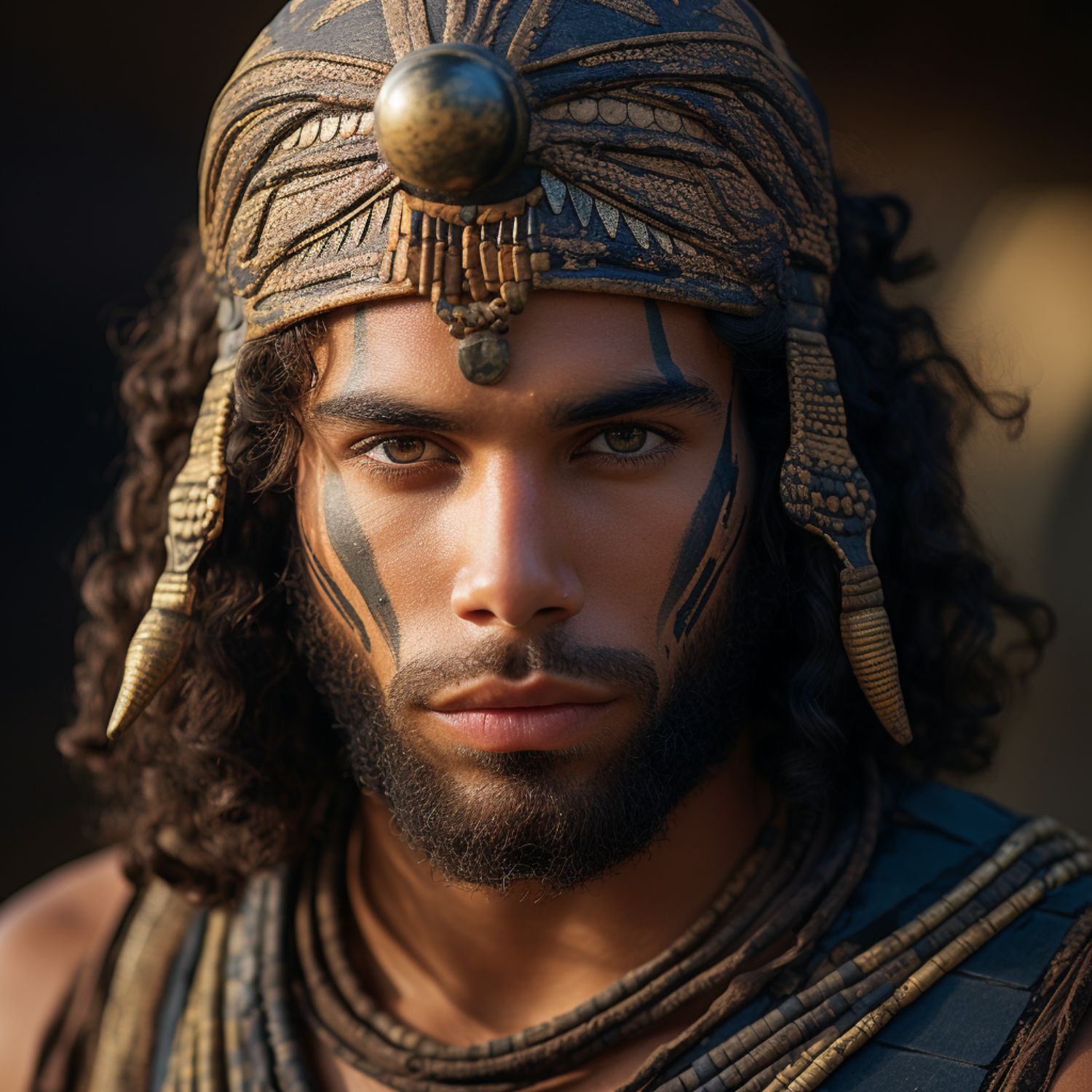
Geb – the Ancient Egyptian God
In the rich tapestry of ancient Egyptian mythology, Geb stands as a pivotal deity, embodying the earth itself. Known as the god of Earth, Geb was a symbol of fertility and strength. His portrayal often featured a man reclining beneath the arching figure of Nut, the sky goddess, reflecting his role as the physical ground supporting the heavens. As the son of Shu, the god of air, and Tefnut, the goddess of moisture, Geb was part of the Heliopolitan cosmogony.
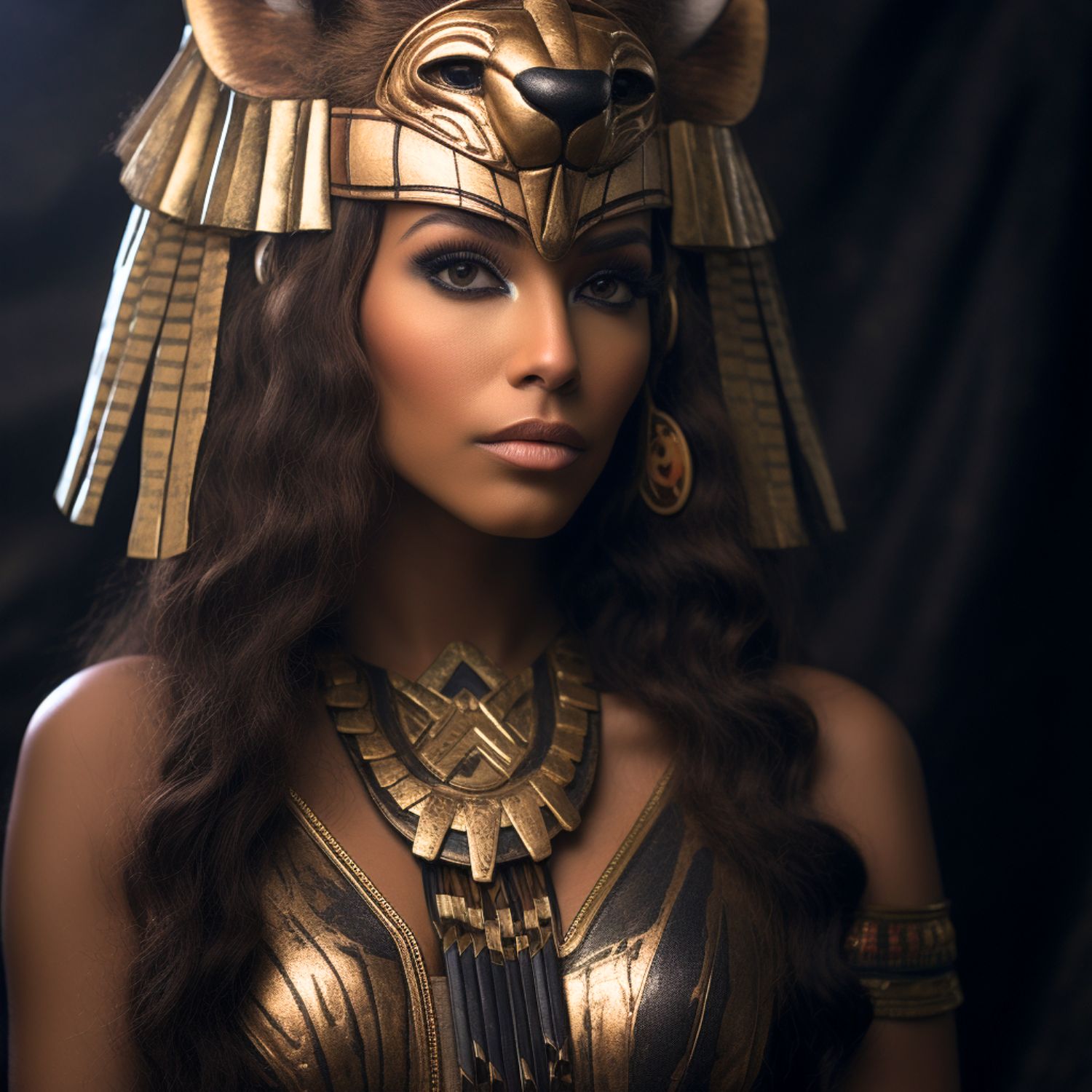
Sekhmet Egyptian Goddess
Sekhmet’s history dates back to Ancient Egypt as one of the oldest and most powerful goddesses. Her name means “the powerful one,” and she often appears as a lioness, a symbol of strength and courage. The Egyptians worshipped Sekhmet as a warrior goddess and the protector of the pharaohs. She held dual roles involving healing and destruction. In times of war, they believed Sekhmet could unleash chaos on their enemies. Conversely, in times of peace, she could ward off diseases and bring about healing.
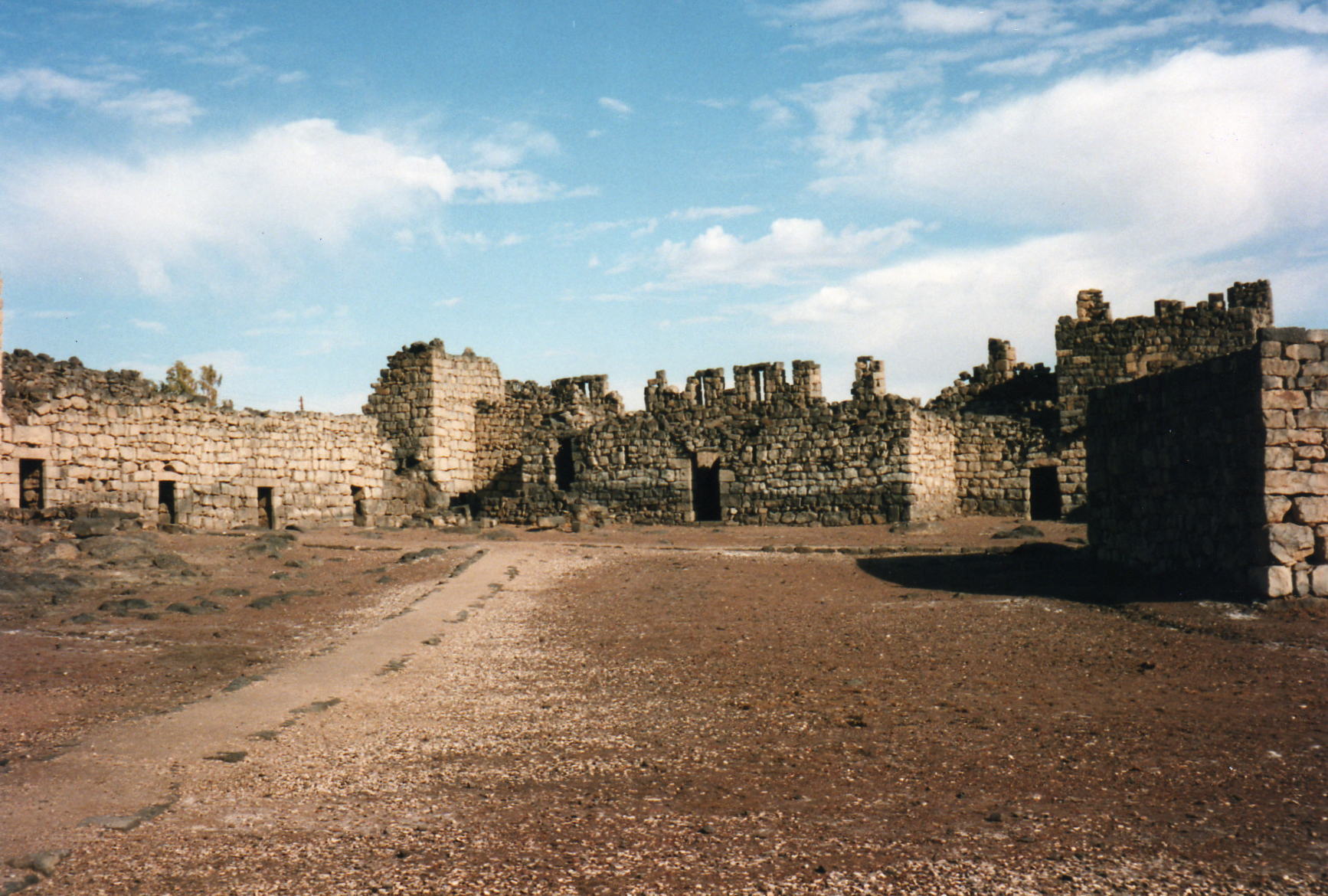
Qasr al-Azraq
Qasr al-Azraq is a fascinating historical site situated in the eastern Jordanian desert. With origins dating back to the Roman Empire, it has served numerous civilizations over the centuries. Notably, this awe-inspiring fortress was a strategic stronghold for the Ottoman Empire and later a headquarters for T.E. Lawrence during the Arab Revolt in World War I.
Qasr al-Azraq is a strong ancient building made from black rocks found nearby. The doors and walls have lasted a long time. They attract visitors who want to explore and imagine life in the past.
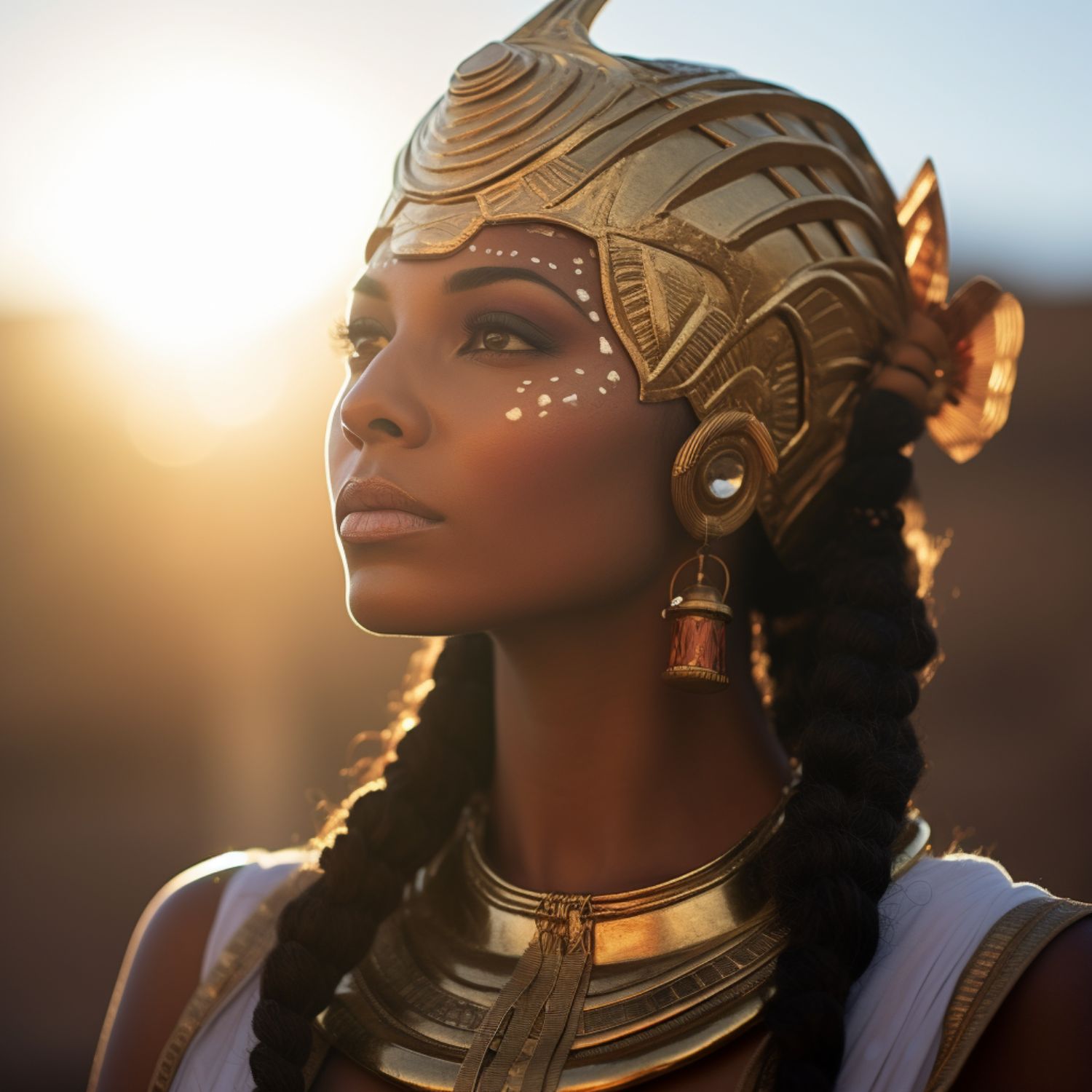
Nut – The Ancient Egyptian Sky Goddess
Nut, the ancient Egyptian sky goddess, plays a pivotal role in the Egyptian pantheon. Her arching body forms the heavens, a symbol of protection and motherhood. Nut’s tale weaves through creation myths, where she gives birth to the sun each morning. It sets back into her mouth at dusk, traveling through her body at night. Her story also intertwines with the legends of Osiris, Isis, Set, and Nephthys, her children, who are central to Egyptian mythos.