
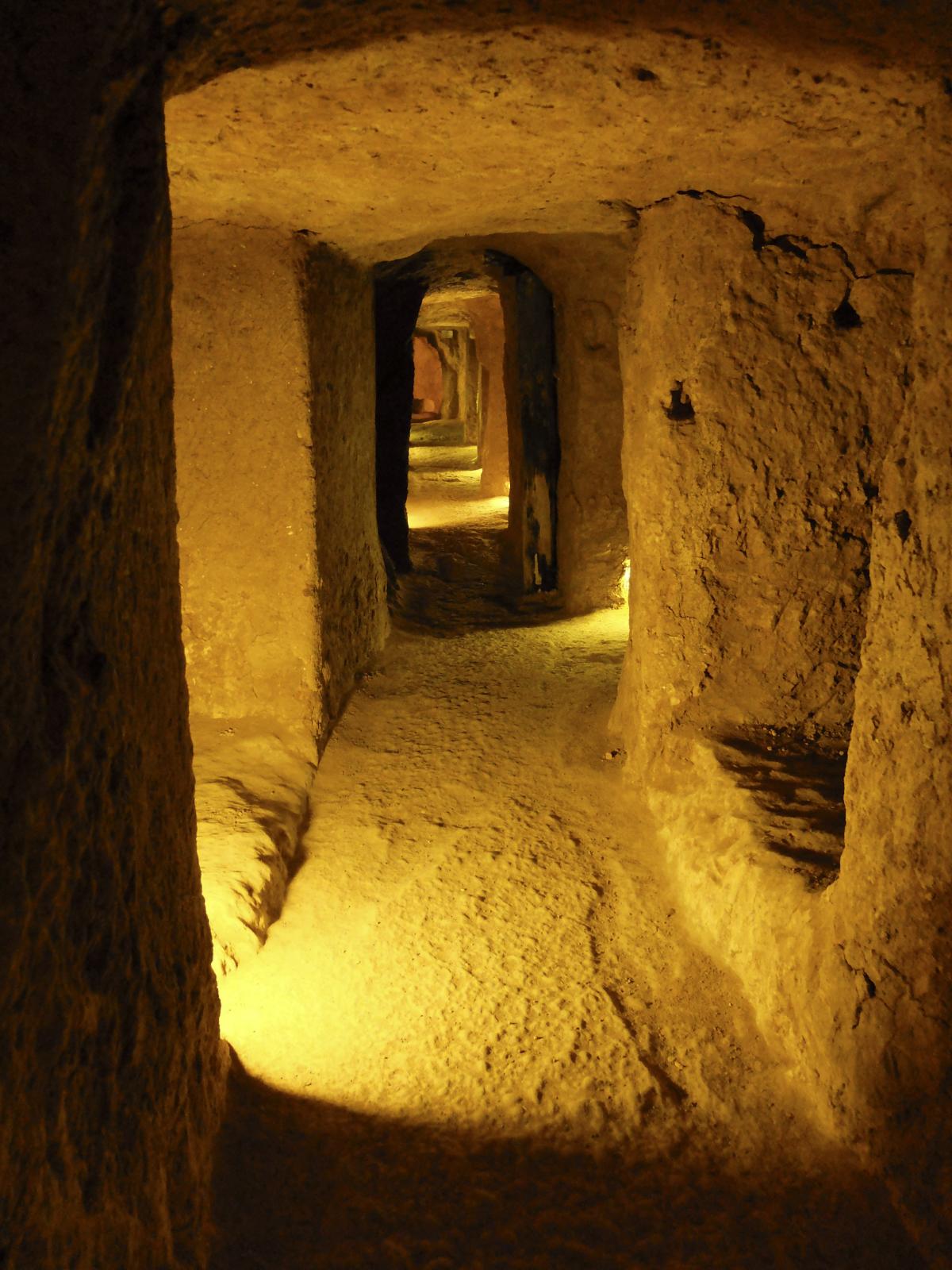
Located in central Iran, Nushabad Underground City, known locally as Ouyi, offers a fascinating glimpse into ancient engineering. This subterranean city dates back to the Sassanian era and remained in use until the Pahlavi dynasty. With its intricate network of tunnels lying up to 18 meters below ground level, Nushabad provided residents with a refuge from the harsh desert climate and invading forces. Remarkably, the city encompasses residential areas, corridors, chambers, and water channels, showcasing sophisticated urban planning and sustainable living practices from bygone centuries. This heritage site is not only a testament to human resilience but also acts as a window into the past, allowing visitors to walk through history.
Neural Pathways
Neural Pathways is a collective of seasoned experts and researchers with a profound passion for unraveling the enigmas of ancient history and artifacts. With a wealth of combined experience spanning decades, Neural Pathways has established itself as a leading voice in the realm of archaeological exploration and interpretation.
Our team of researchers and scholars provide unparalleled depth of knowledge in deciphering the intricate narratives embedded within ancient artifacts and deciphering the cultural nuances that shaped civilizations of the past. Through meticulous research, rigorous analysis, and a collaborative spirit, Neural Pathways has made and continues to make significant contributions to our understanding of the human past.
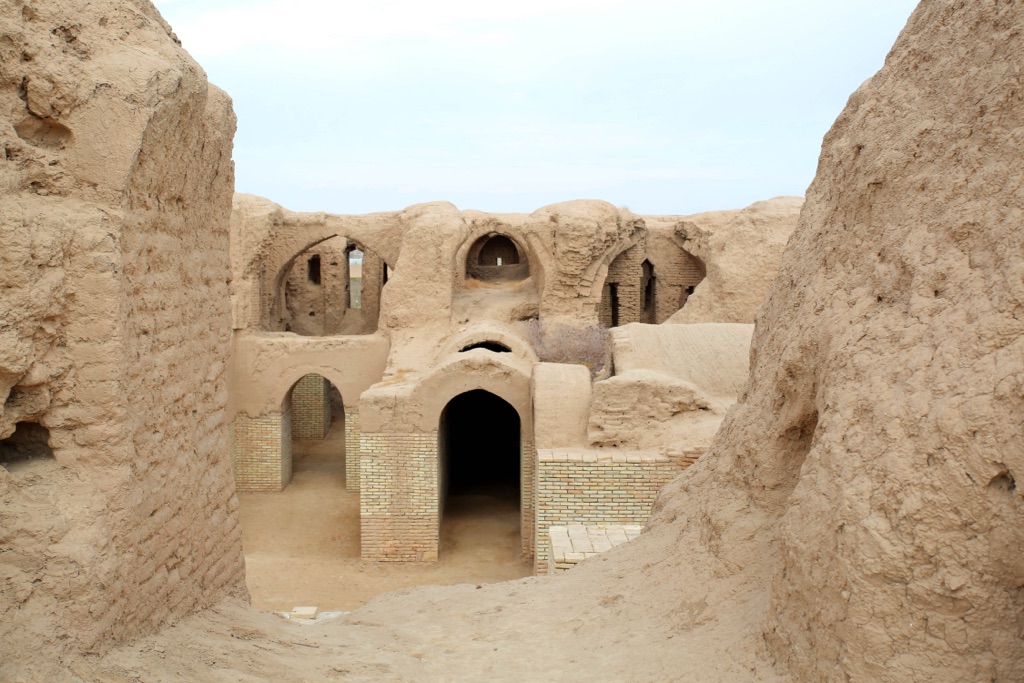
QirqQiz Fortress
The QirqQiz Fortress holds a tale as ancient as the Silk Road winds that sweep across Central Asia. This imposing structure, nestled in the fertile region of modern-day Uzbekistan, stands as a testament to the engineering and military prowess of the Karakhanid era. Built between the 11th and 12th centuries, the fortress’s purpose was to guard a thriving city along one of the world’s busiest trade routes back then. Its sturdy walls, although partially in ruins, tell a story of resilience and cultural exchange, offering a vivid window into the past for historians and travelers alike.
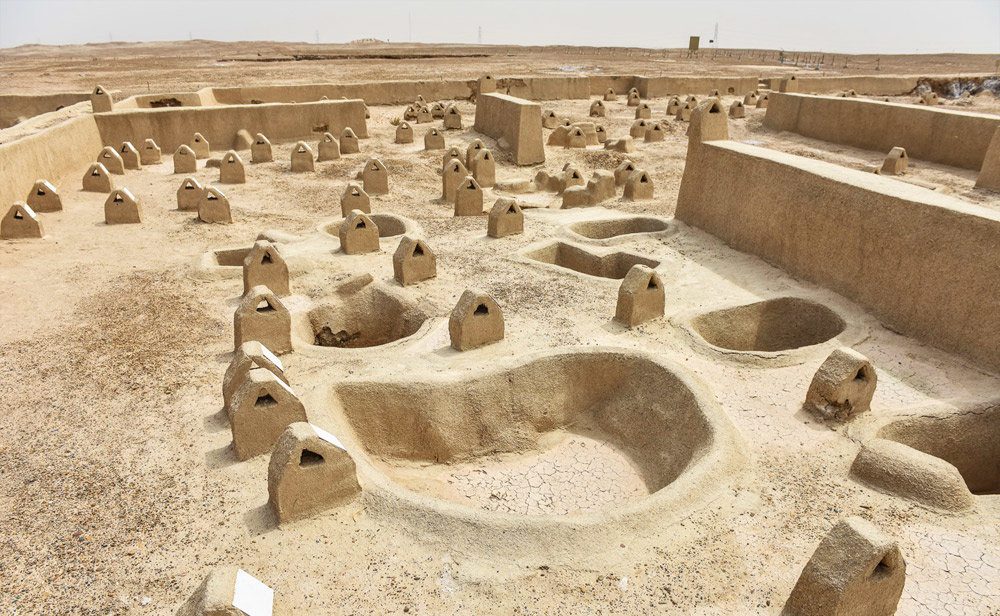
Shahr-e Sukhteh (Burnt City)
Shahr-e Sukhteh, known as the ‘Burnt City’, is a remarkable archaeological site in Iran. Its origins trace back to the Bronze Age, over 5,000 years ago. This ancient settlement offers a unique glimpse into early urban life. It spans over 151 hectares, revealing complex social structures, progress in various crafts, and early residential models. Found in the Sistan and Baluchestan province, Shahr-e Sukhteh was a hub for culture and trade emerged. Its interaction with Mesopotamia and the Indus Valley was extensive. This illustrates the city’s strategic importance in ancient trade routes. It was added to UNESCO’s World Heritage List for its valuable contribution to human history and culture.
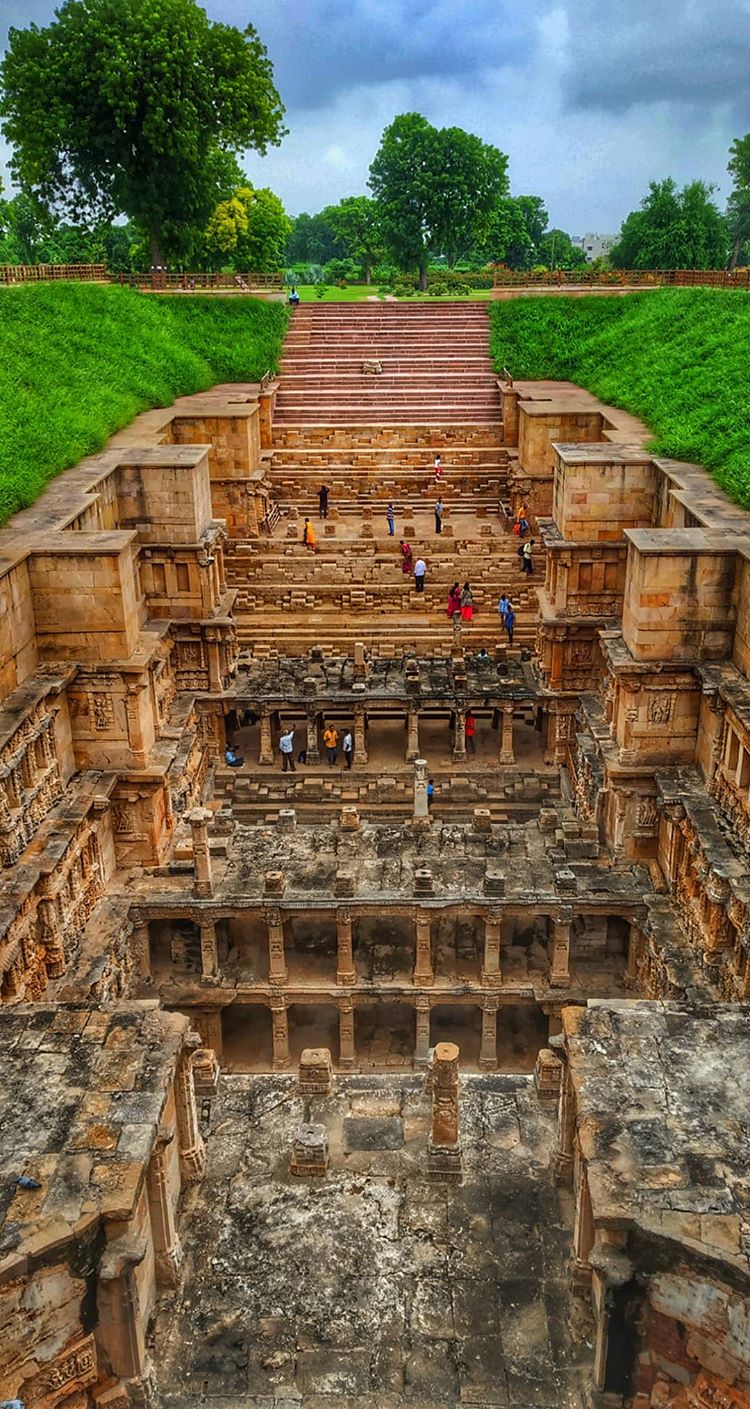
Rani ki Vav
Rani ki Vav, located in Patan, Gujarat, stands as a marvelous piece of ancient Indian architecture. Built in the 11th century, it was constructed in memory of King Bhimdev I by his widowed queen Udayamati. This stepwell plunges the visitor into a subterranean world with intricate carvings and a sophisticated design that has awed people for centuries. Its magnificent craftsmanship showcases the pinnacle of Maru-Gurjara architectural style. Each of its seven levels of walls is decorated with over 500 main sculptures and thousands of minor ones, depicting gods, goddesses, and mythological creatures. This enchanting site is much more than a water storage system; it’s a testament to the skill and artistry of the time.
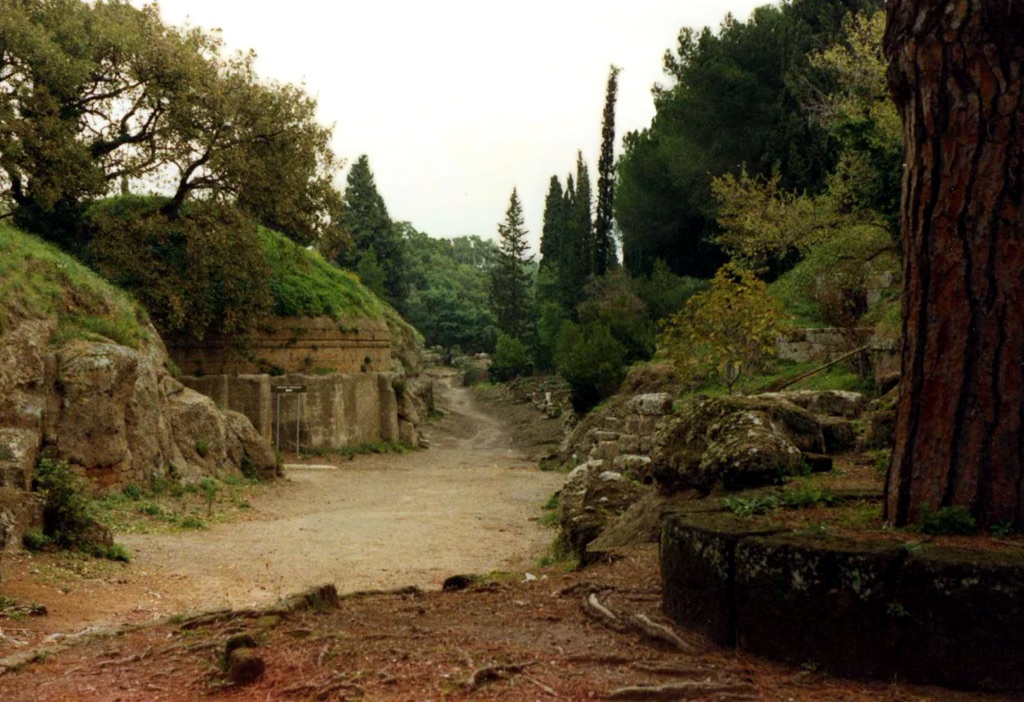
Banditaccia Necropolis
The Banditaccia Necropolis stands as a testament to the Etruscan civilization, one of ancient Italy’s most enigmatic cultures. Dating back to between the 9th and 3rd centuries BCE, this extensive burial ground near Cerveteri reveals the ingenuity and artistry of the Etruscans. Visitors can explore tombs cut out of rock, with hallways leading to rooms adorned with stunning frescoes. These paintings provide insights into daily life, social practices, and the Etruscans’ beliefs about the afterlife. Recognized by UNESCO as a World Heritage Site, Banditaccia Necropolis allows us to connect with a long-gone society through its remarkable preservation.
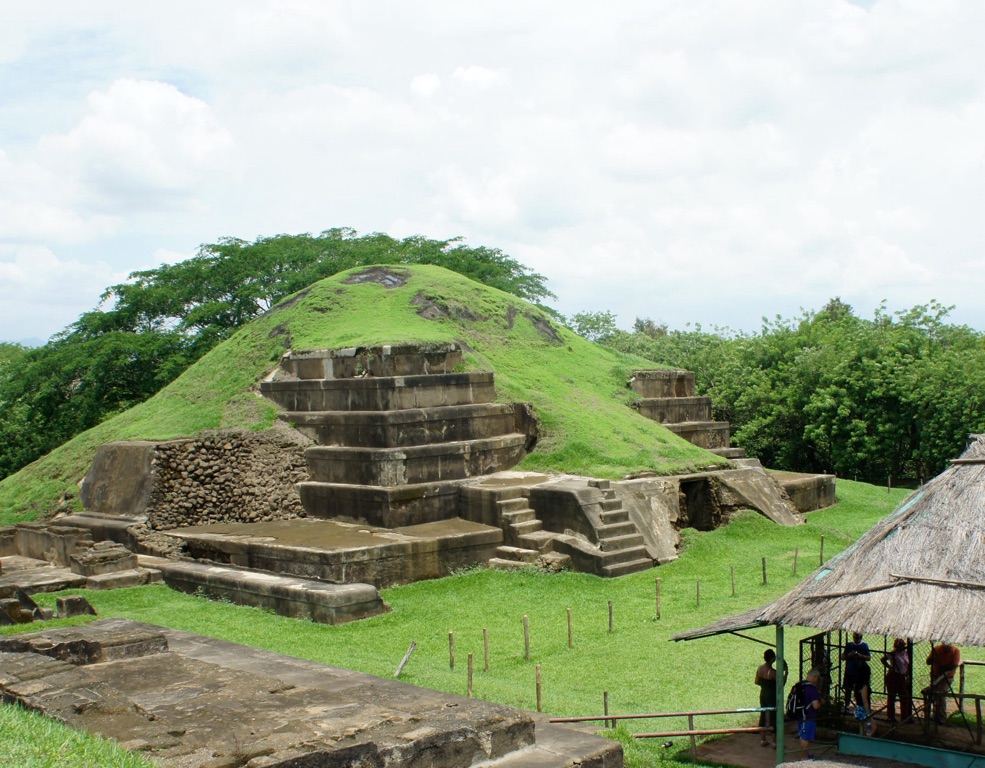
San Andrés Archaeological Park
San Andrés Archaeological Park, nestled in the vibrant heart of El Salvador, beckons history enthusiasts and curious travelers alike. This captivating park serves as a window into the ancient Mayan civilization. Visitors can explore the impressive pyramids, which reveal an intricate understanding of astronomy and urban design. The park’s main complex showcases the advanced societal structure of the Mayans. Here, one can get an intimate glimpse of the political and religious centers that once governed daily life.