
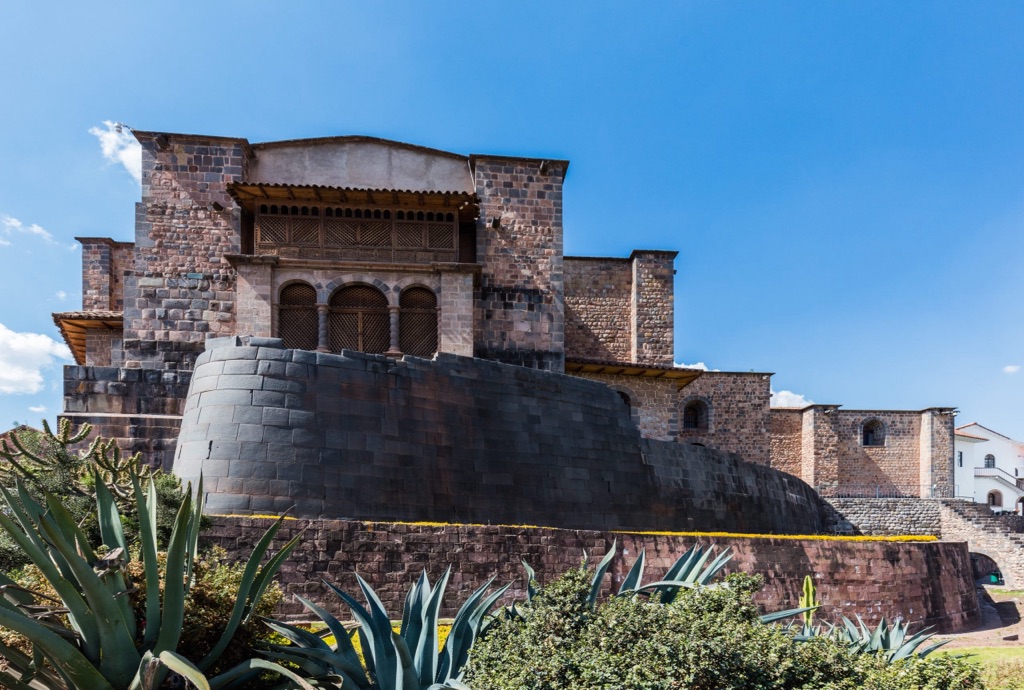
Coricancha, also known as the ‘Golden Temple,’ is a significant historical site located in Cusco, Peru. This ancient Inca temple was once the most important temple in the Inca Empire, dedicated primarily to Inti, the Sun God. The walls and floors were once covered in sheets of solid gold, and its adjacent courtyard was filled with golden statues. Spanish reports tell of its opulence that was ‘fabulous beyond belief’. Today, all that remains is the masterful stonework, a testament to the Inca’s advanced architectural skills and aesthetics.
Neural Pathways
Neural Pathways is a collective of seasoned experts and researchers with a profound passion for unraveling the enigmas of ancient history and artifacts. With a wealth of combined experience spanning decades, Neural Pathways has established itself as a leading voice in the realm of archaeological exploration and interpretation.
Our team of researchers and scholars provide unparalleled depth of knowledge in deciphering the intricate narratives embedded within ancient artifacts and deciphering the cultural nuances that shaped civilizations of the past. Through meticulous research, rigorous analysis, and a collaborative spirit, Neural Pathways has made and continues to make significant contributions to our understanding of the human past.
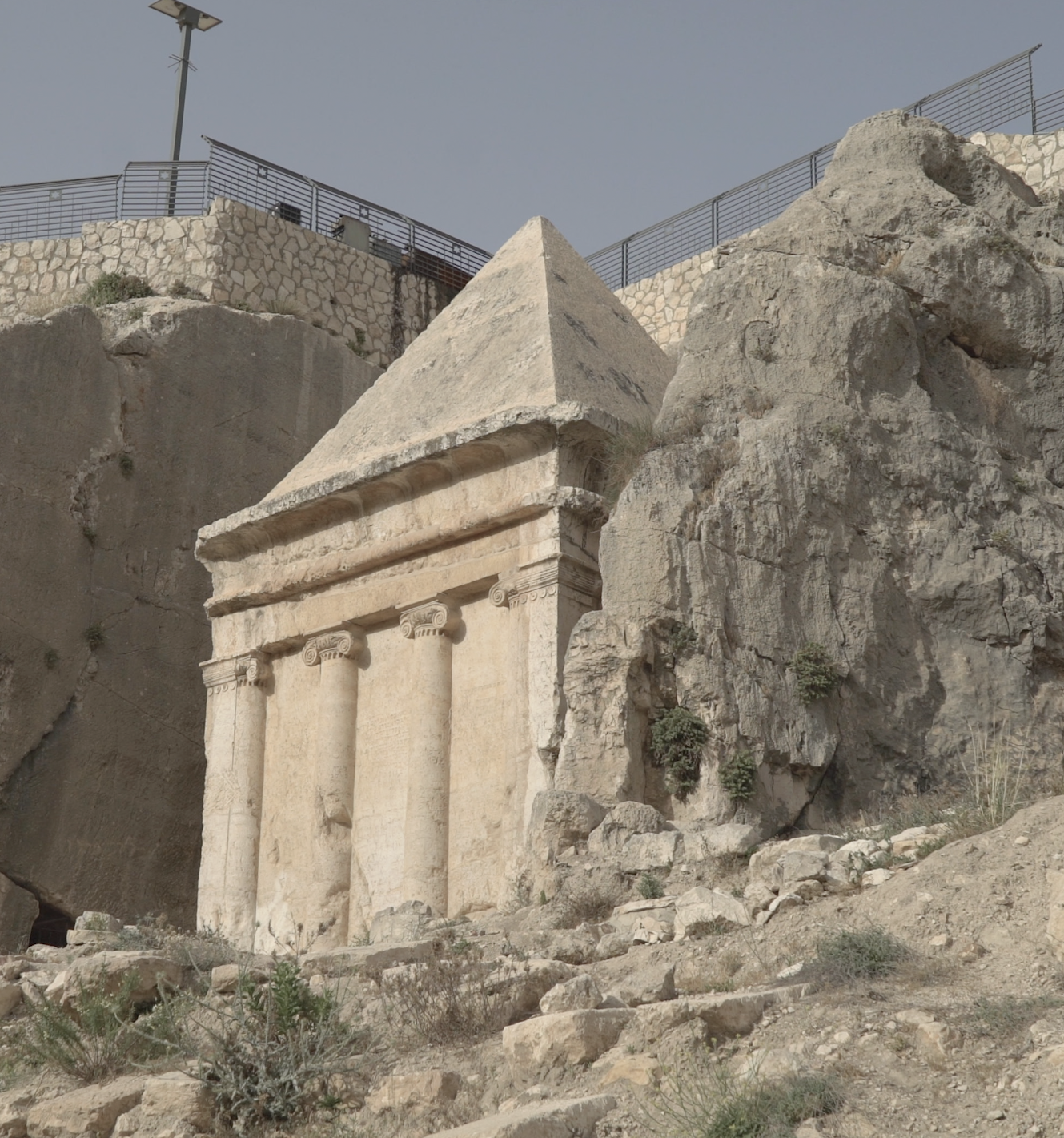
Kidron Valley Tombs
The Kidron Valley Tombs are a set of ancient burial sites that carry a profound historic significance. Located at the foot of the Mount of Olives in Jerusalem, these tombs date back thousands of years. They serve as a testament to the area’s vibrant history. Each tomb has its own story, often tied to notable figures and families from antiquity. As a vivid reflection of past civilizations, the tombs offer insights into the burial customs, architectural styles, and religious beliefs of the times. Though weathered by time, the enduring structures continue to captivate researchers and visitors alike, unlocking secrets of our shared human past.
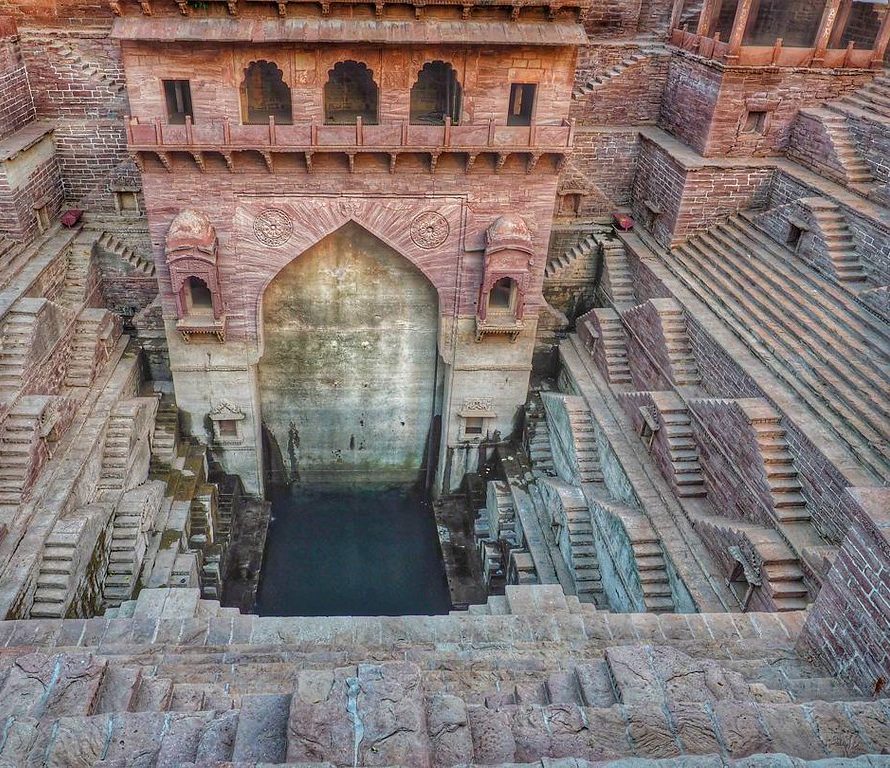
Toorji Ka Jhalra Bavdi
Immerse yourself in the historic essence of Toorji Ka Jhalra Bavdi, a stepwell deeply rooted in the heritage of Jodhpur, India. Built in the 1740s by a queen consort, this site is a stunning example of the ingenuity of water conservation methods of the past. Marvel at the intricate stonework and carvings that adorn the stair-laden walls—a testament to the craftsmanship of the era. Reflect on the stepwell’s significance as a social hub, where for centuries, locals have congregated not only to draw water but to socialize and celebrate community events.
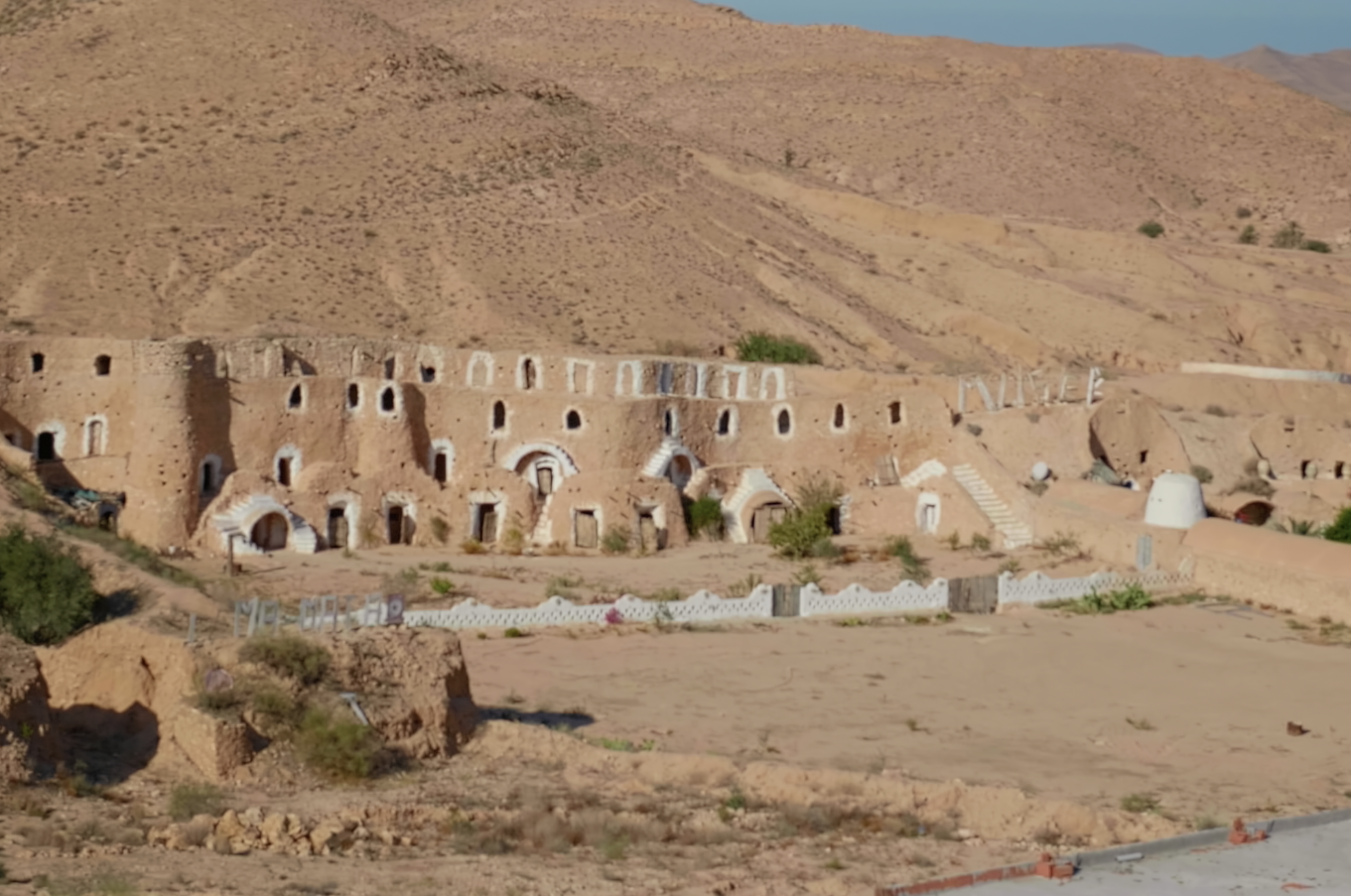
Matmata Underground Houses
Matmata Underground Houses represent a remarkable chapter in human architecture. These iconic structures, carved into the ground of Tunisia, offer a window into an ancient way of life. They are characterized by their troglodyte design—a series of pits dug into the earth, with rooms branching off the central courtyard. These ingenious constructions provided shelter from the harsh Saharan climate. Their design kept interiors cool during blistering hot days and warm through chilly nights. Today, Matmata’s underground houses stand not only as a testimony to human adaptability but also as an attraction for curious travelers worldwide.
Erebuni Fortress
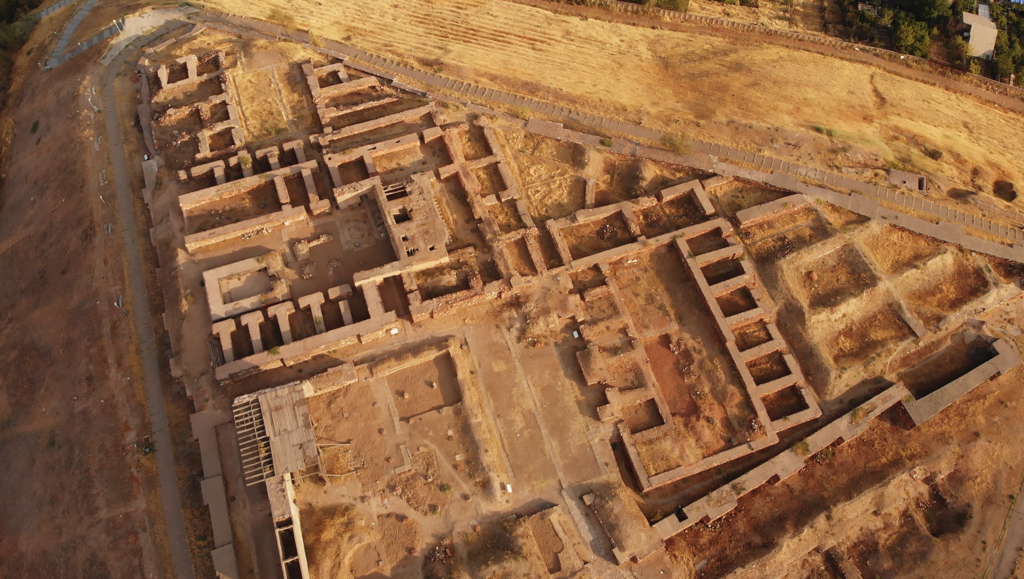
Delve into the past at Erebuni Fortress, a historical marvel in Yerevan, Armenia. Founded in 782 BC by King Argishti I of Urartu, this ancient site offers a window into the Iron Age kingdom’s might and sophistication. Visitors can explore the remnants of the once-majestic fortress and temple, revealing the Urartian passion for architecture and worship. The fortress, perched atop Arin Berd hill, provides a panoramic view of the modern city against the backdrop of Mount Ararat, blending the ancient with the present.
Kizilkoyun Necropolis
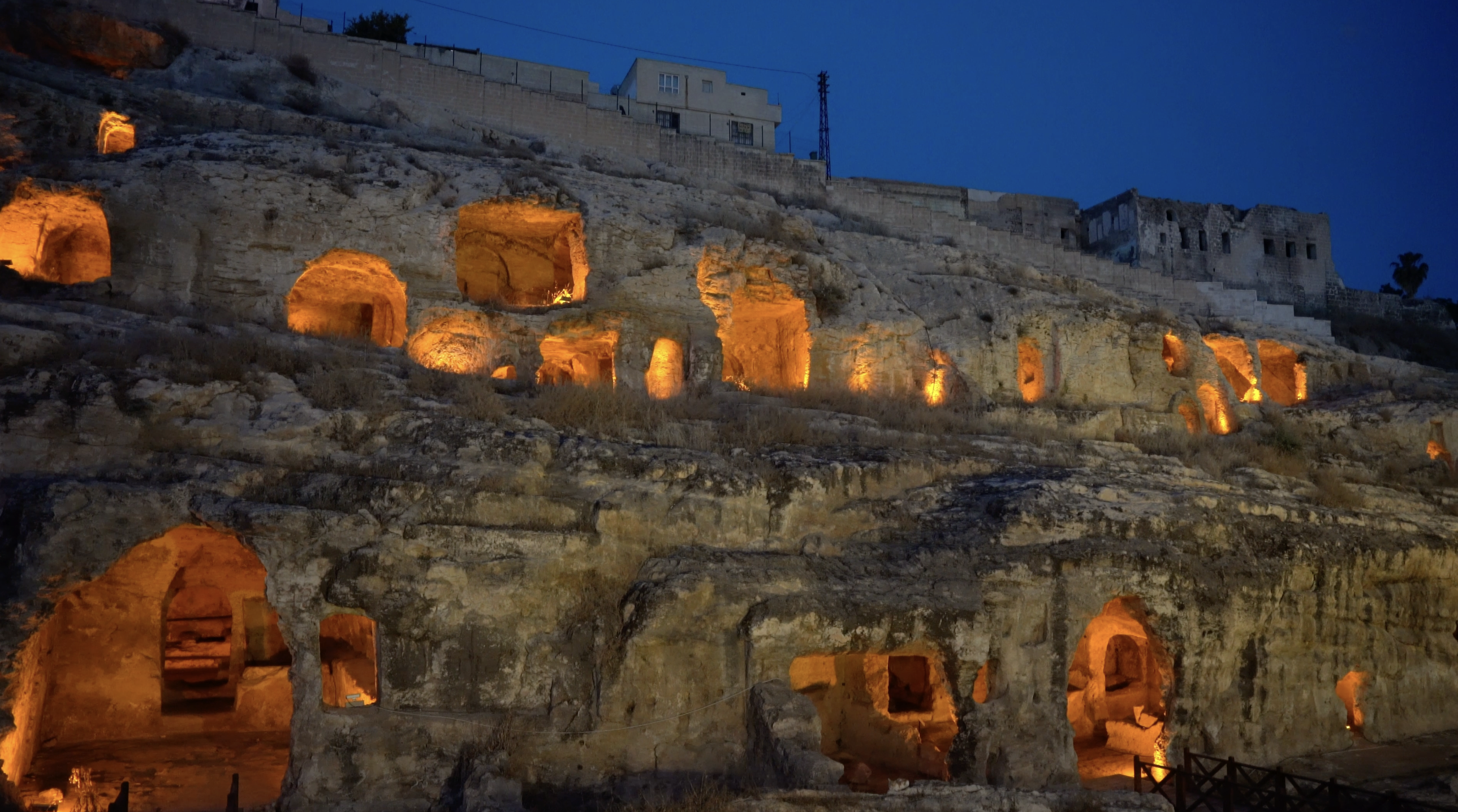
Kızılkoyun Necropolis stands as a testament to ancient craftsmanship and burial traditions. This archaeological treasure dates back to the Roman period and offers insight into historical funeral practices. Visitors to this site near Şanlıurfa, Turkey, explore tombs carved directly into the limestone bedrock. These intricate subterranean chambers resonate with the echoes of a bygone era. They reveal the Romans’ reverence for their deceased and their belief in an afterlife. Kızılkoyun Necropolis is not merely a tourist spot but a sacred place that provides a tangible connection to the ancestors of the region.