
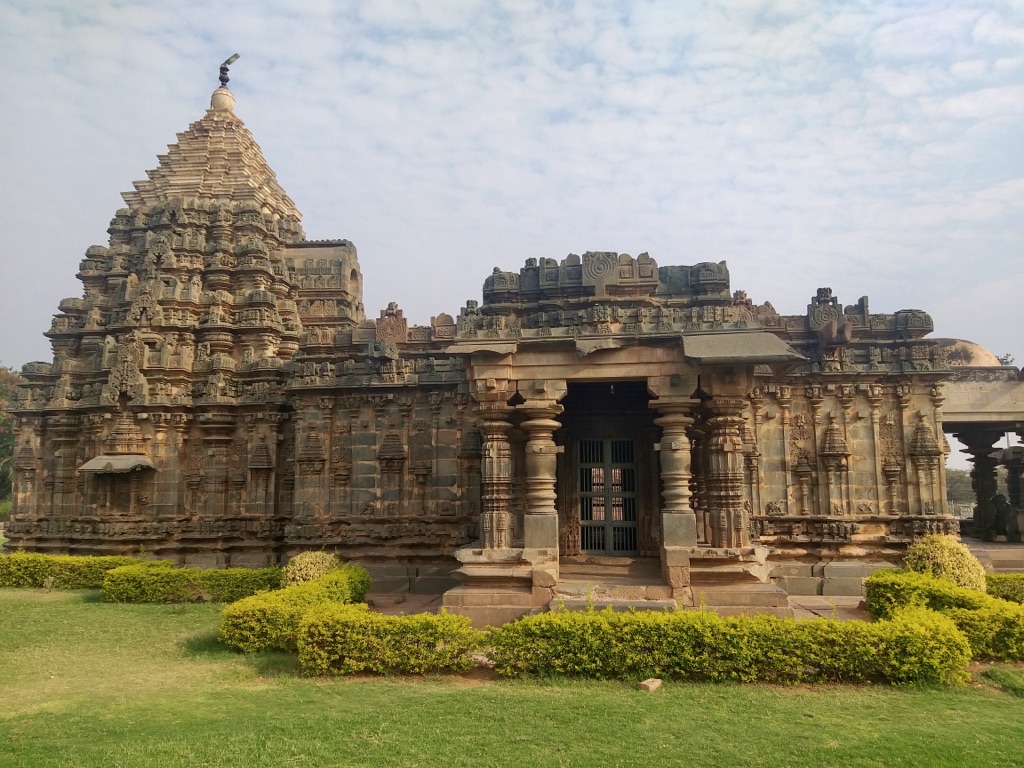
Indra Sabha, a historical site of great significance, stands as a testament to the architectural mastery of ancient times. Nestled within the Ellora Caves in Maharashtra, India, it showcases exquisite rock-cut craftsmanship. This ancient monument draws its name from the lord of heavens in Indian mythology, Indra. It reflects the reverence ancient civilizations held for spiritual and natural elements. The Indra Sabha is not just a mere structure; it’s a narrative carved in stone, representing the interplay of art, religion, and nature.
Neural Pathways
Neural Pathways is a collective of seasoned experts and researchers with a profound passion for unraveling the enigmas of ancient history and artifacts. With a wealth of combined experience spanning decades, Neural Pathways has established itself as a leading voice in the realm of archaeological exploration and interpretation.
Our team of researchers and scholars provide unparalleled depth of knowledge in deciphering the intricate narratives embedded within ancient artifacts and deciphering the cultural nuances that shaped civilizations of the past. Through meticulous research, rigorous analysis, and a collaborative spirit, Neural Pathways has made and continues to make significant contributions to our understanding of the human past.
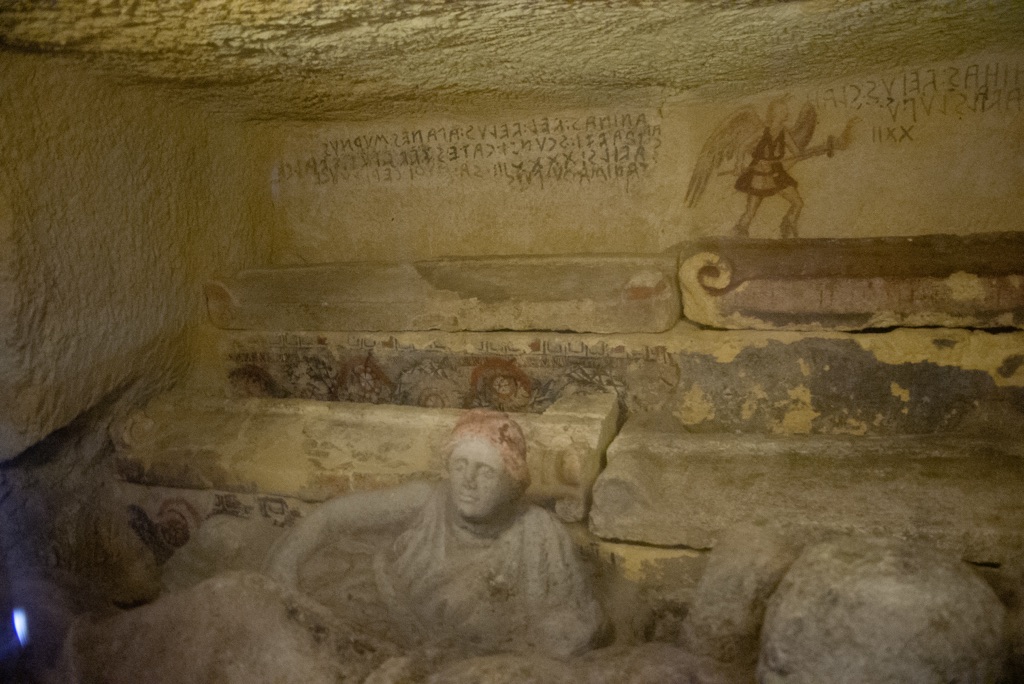
Monterozzi necropolis
The Monterozzi necropolis stands as a testament to the rich cultural tapestry of the Etruscan civilization. Nestled near Tarquinia in Italy, this ancient burial site is replete with over 6,000 graves. What makes it a treasure trove for historians and art enthusiasts alike are the exquisite frescoes adorning many tombs. These intricate paintings provide a vivid peek into Etruscan life, beliefs, and beyond. The vibrant colors and dynamic scenes, still resplendent after millennia, mirror the sophistication of a society that once rivaled the power of Rome.
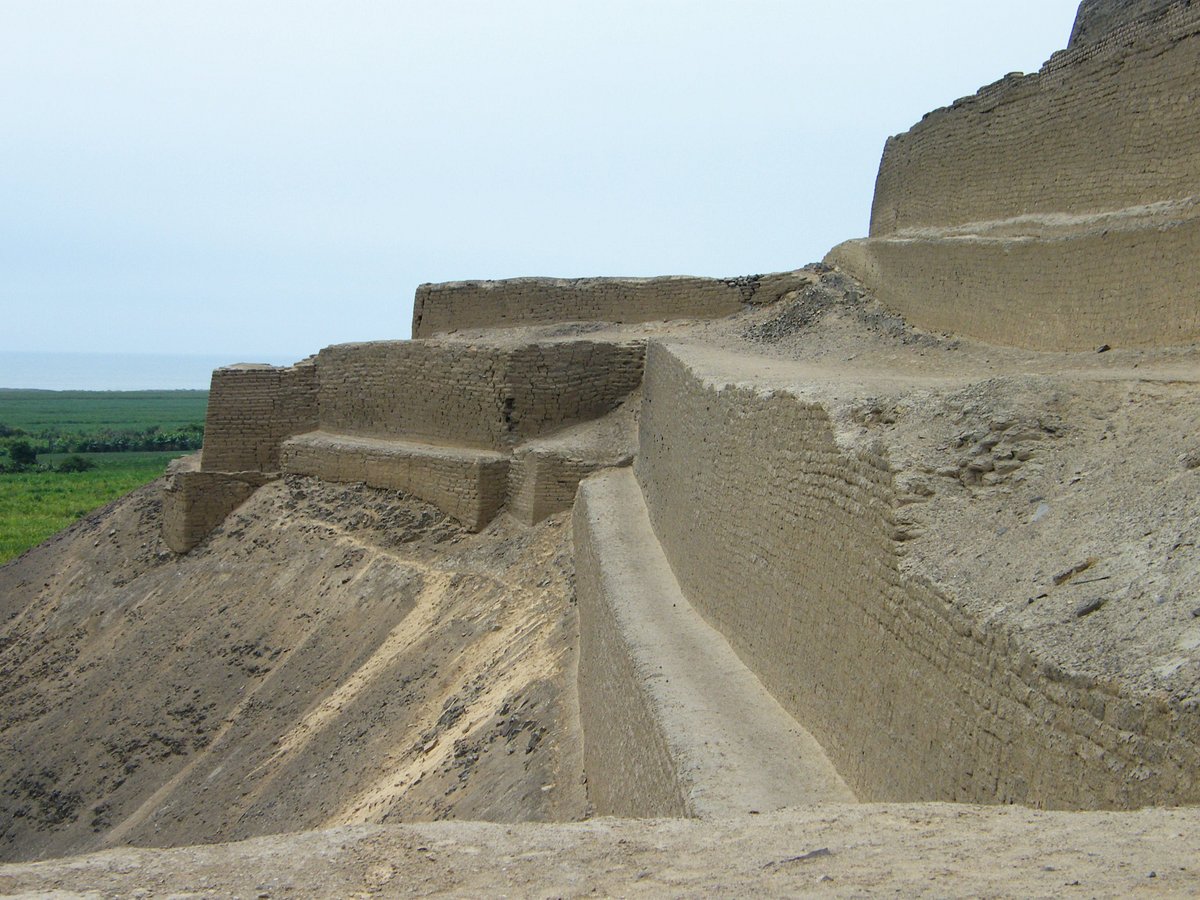
Paramonga Fortress
Paramonga Fortress stands as a testament to the ingenuity of ancient cultures. Nestled in the coastal valleys of Peru, this pre-Inca citadel captures the attention of historians and travelers alike. It showcases the architectural prowess of the Chimu and the succeeding Inca civilization. Remnants of walls, reliefs, and impressive gateways beckon visitors to explore its storied past. The fortress, believed to be built in the 15th century, served multiple roles, from a military stronghold to a site of religious significance.
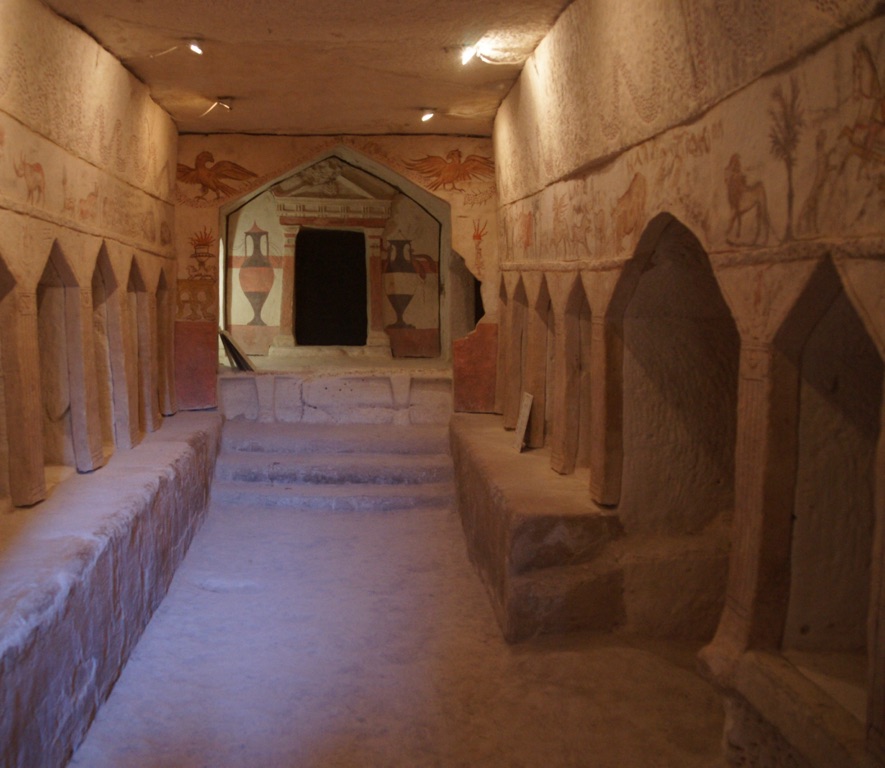
Caves of Maresha
The Caves of Maresha stand as a testament to human ingenuity, history, and culture. Nestled in Israel’s southern lowlands, these complex subterranean networks date back to the Hellenistic period. Visitors marvel at the extensive system of man-made caves, which served diverse purposes. Some caves were used for daily activities like pigeon rearing and olive oil production. Others bore significance in rituals and burial customs. With every corner holding a story, the site presents a unique journey into the past. Artifacts found here offer glimpses of life over two thousand years ago. They provide a tangible connection to the people who once lived and worked within these earthen walls.
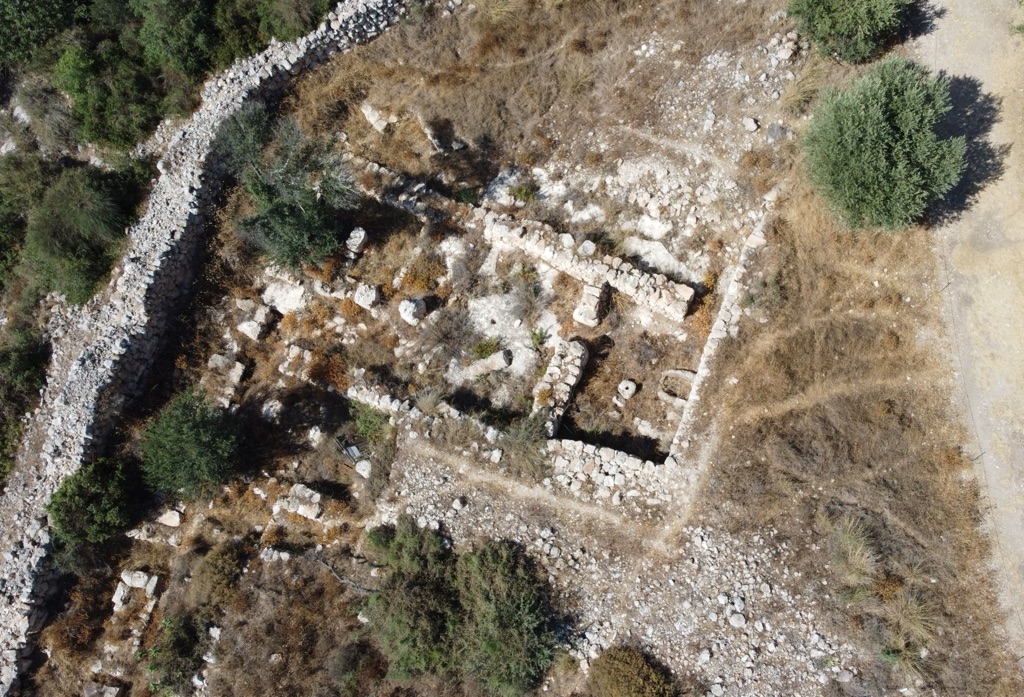
Khirbet Qeiyafa
Khirbet Qeiyafa is an ancient city that captivates historians and tourists alike. Located in the Judean Hills of Israel, this site overlooks the Elah Valley, rich in biblical history. Archaeologists believe it dates back to the Iron Age, between the 11th and 10th centuries BCE. Its strategic position and fortifications suggest it was once a thriving city. The discovery of an ostracon bearing an ancient script adds to its significance. Scholars see this as a vital link to understanding the early Kingdom of Judah.
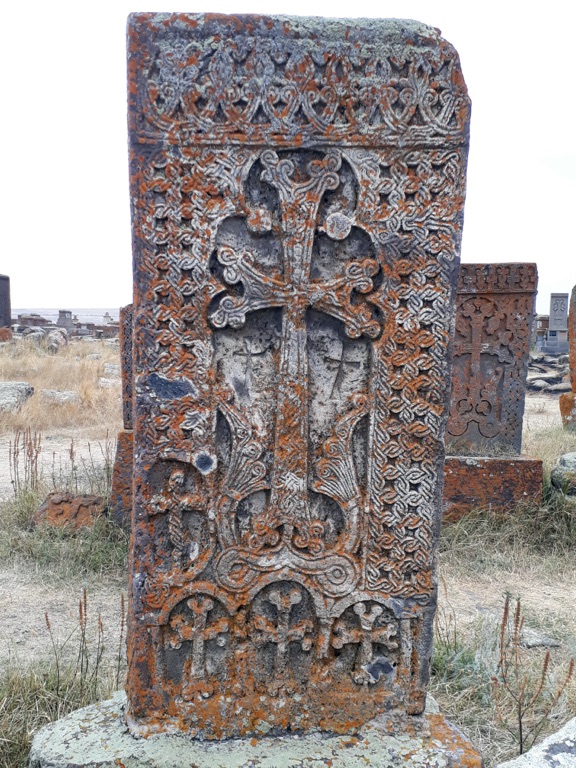
Noratus Cemetery
Noratus Cemetery stands as a captivating open-air gallery near Lake Sevan, Armenia. Its vast collection of khachkars, or cross-stones, captures the essence of medieval Armenian artistry. These stones, uniquely carved with crosses, rosettes, and painstakingly detailed motifs, tell stories of faith and life dating back to the 10th century. Visitors walk through rows of these ancient markers, some adorned with intricate lacework, others with depictions of biblical scenes. This historical site not only showcases Armenia’s religious heritage but also its centuries-old craftsmanship, making it a must-visit destination for art and history enthusiasts.