
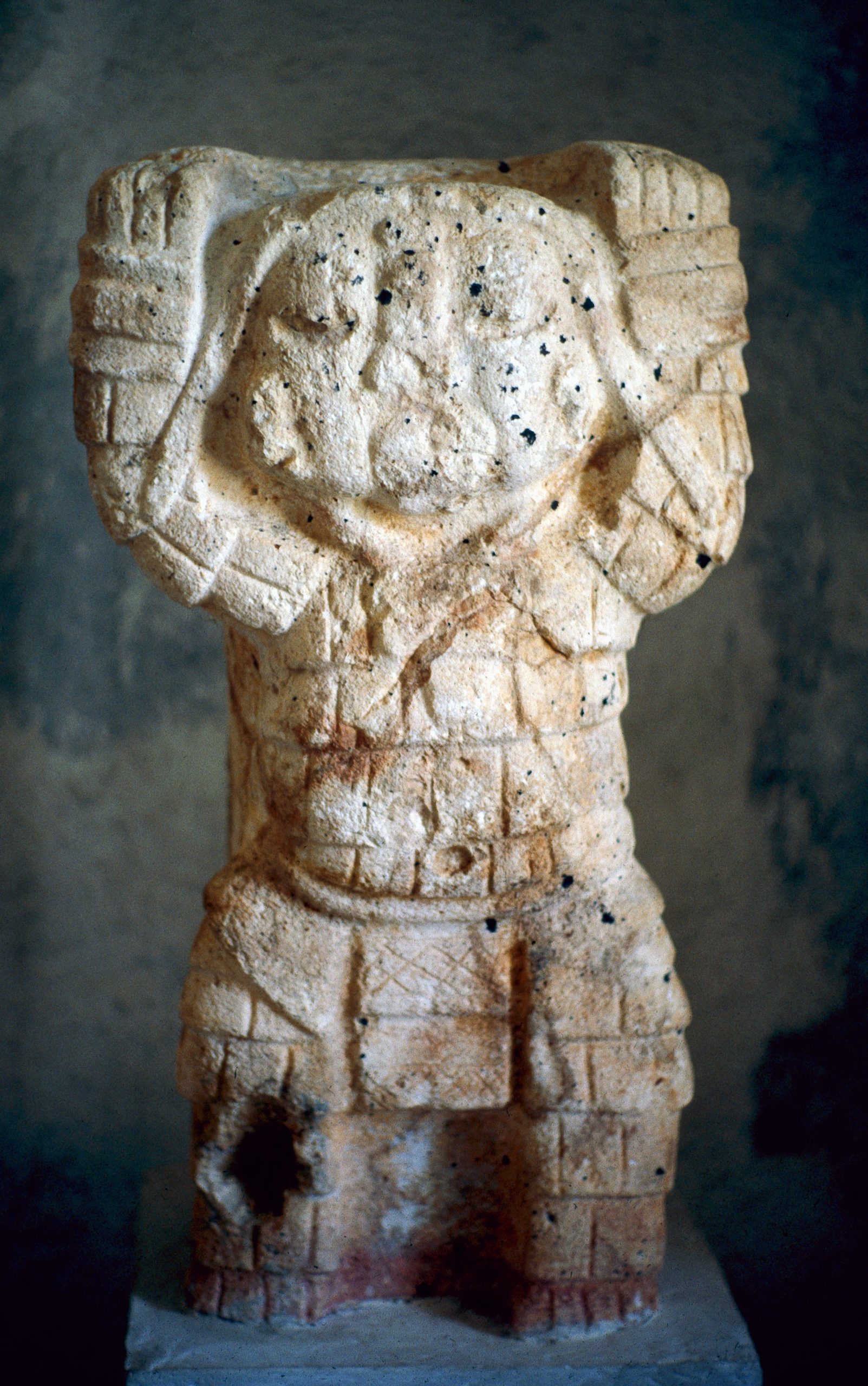
Xculoc, a village situated in Campeche, Mexico, serves as a testament to the enduring legacy of the Maya civilization. Despite its proximity to more renowned sites such as Uxmal and Sayil—located 20 kilometres north and 20 kilometres east, respectively—Xculoc remains shrouded in mystery. The village is home to ruins that date back to the Classic Period of Maya history, showcasing the architectural finesse characteristic of the Puuc style. However, the scarcity of detailed information about Xculoc has left a significant gap in our understanding of this ancient settlement and its inhabitants.
Neural Pathways
Neural Pathways is a collective of seasoned experts and researchers with a profound passion for unraveling the enigmas of ancient history and artifacts. With a wealth of combined experience spanning decades, Neural Pathways has established itself as a leading voice in the realm of archaeological exploration and interpretation.
Our team of researchers and scholars provide unparalleled depth of knowledge in deciphering the intricate narratives embedded within ancient artifacts and deciphering the cultural nuances that shaped civilizations of the past. Through meticulous research, rigorous analysis, and a collaborative spirit, Neural Pathways has made and continues to make significant contributions to our understanding of the human past.
Uxbenka
Uxbenka, also known as Uxbenká in Spanish orthography, stands as a significant pre-Columbian Mesoamerican archaeological site located in the Toledo district of Belize. This site represents the earliest-known Maya polity in the southern Belizean lowlands, with its origins tracing back to the Early Classic period of Mesoamerican chronology, approximately between 250 and 500 AD. Uxbenka, alongside other major Maya sites such as Nim Li Punit and Lubaantun, forms part of the rich archaeological landscape of southern Belize. The settlement of Uxbenka is believed to have been initiated by peoples from the Peten region, marking a significant phase in the expansion of Maya civilization.
La Blanca
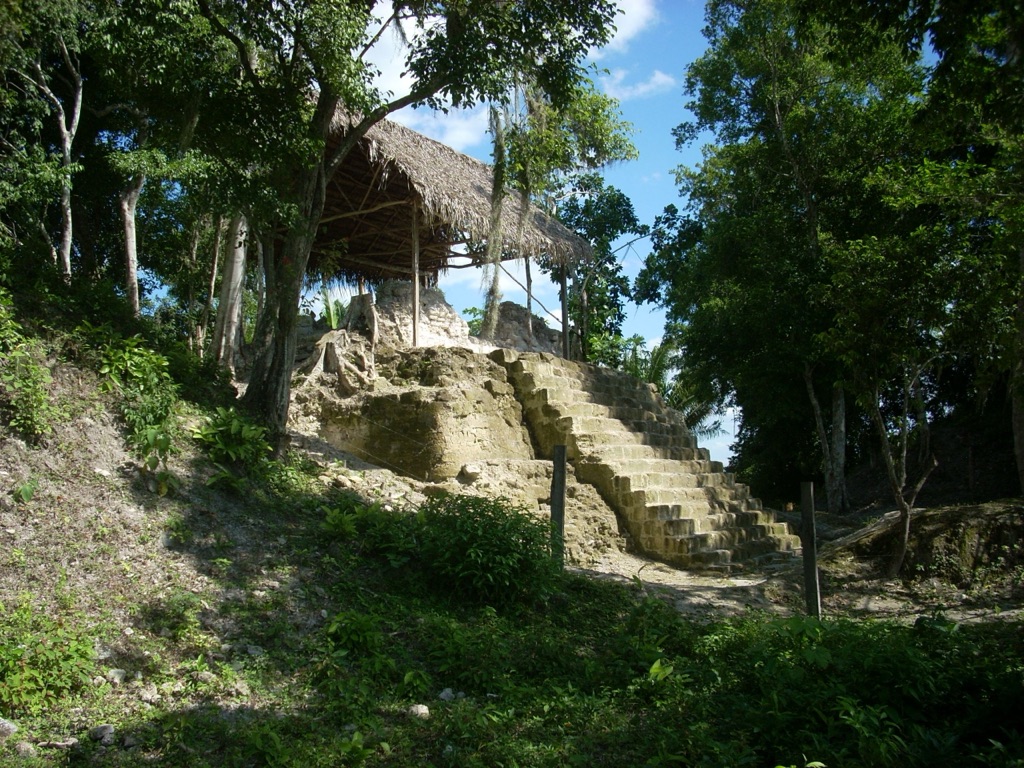
The Archaeological Site of La Blanca: A Pre-Columbian Maya Frontier La Blanca, a significant Maya pre-Columbian archaeological site, is situated in the municipality of Melchor de Mencos, within the northern Petén Department of Guatemala. The site’s occupation spans predominantly from the Middle Preclassic (900–600 BC) period, marking it as a later development within the Mokaya…
Nakbe
Nakbe stands as one of the paramount early Maya archaeological sites, offering profound insights into the civilization’s formative years. Situated in the Mirador Basin within the Petén region of Guatemala, Nakbe lies approximately 13 kilometers south of El Mirador, the largest known Maya city. The timeline of habitation at Nakbe spans from the Early Formative period (circa 1400 BC) to its decline during the Terminal Formative period (100–200 AD), paralleling the fall of El Mirador.
Qʼumarkaj
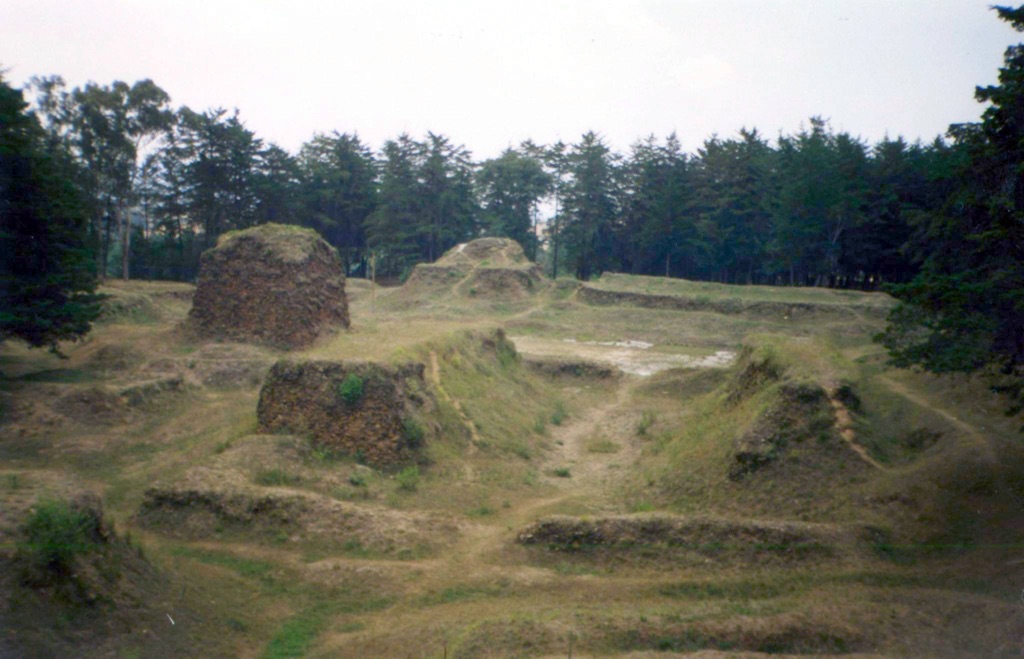
Qʼumarkaj, known in Nahuatl as Utatlán, translates to “Place of old reeds” from the Kʼicheʼ language. This ancient city, located in the southwest of the El Quiché department of Guatemala, occupies a plateau surrounded by deep ravines, providing a natural defense. Its strategic position and the surrounding landscape contributed to its prominence as a major political and ceremonial center among the Late Postclassic highland Maya capitals.
Beit She’an
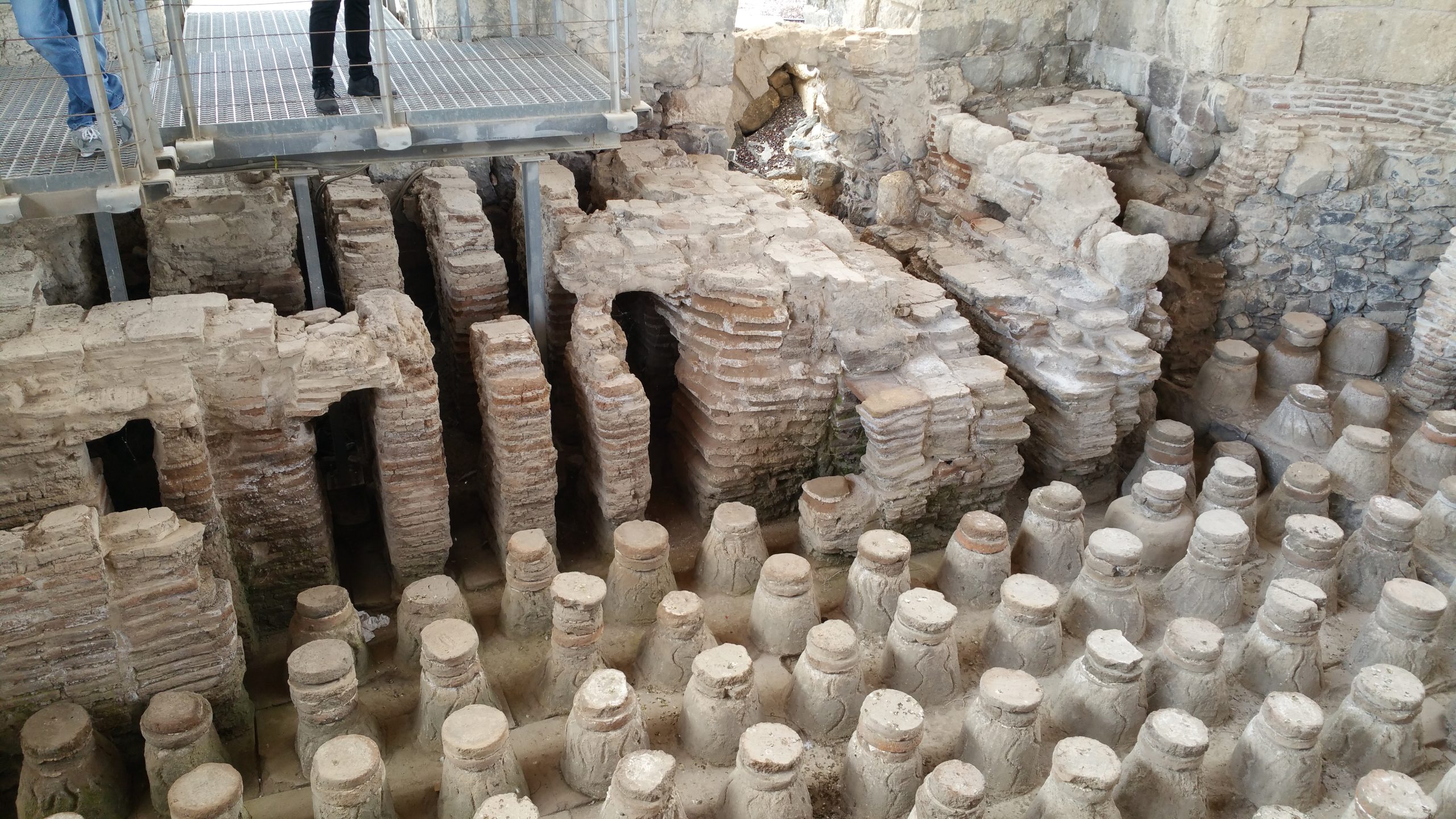
Beit She’an is a historical gem located in the Jordan Valley of northeastern Israel. Known for its rich layers of human civilization, it has been a crossroads of cultures for millennia. The city boasts a history that stretches back to the 5th millennium BCE, making it one of the oldest continuously inhabited sites in the world. Its strategic location made it a coveted prize for a succession of empires, including the Egyptians, Romans, and Byzantines. Today, Beit She’an’s extensive archaeological park reveals a cityscape dotted with ancient ruins, including a Roman theater, bathhouses, and Byzantine streets, offering a window into the past for visitors and scholars alike.