
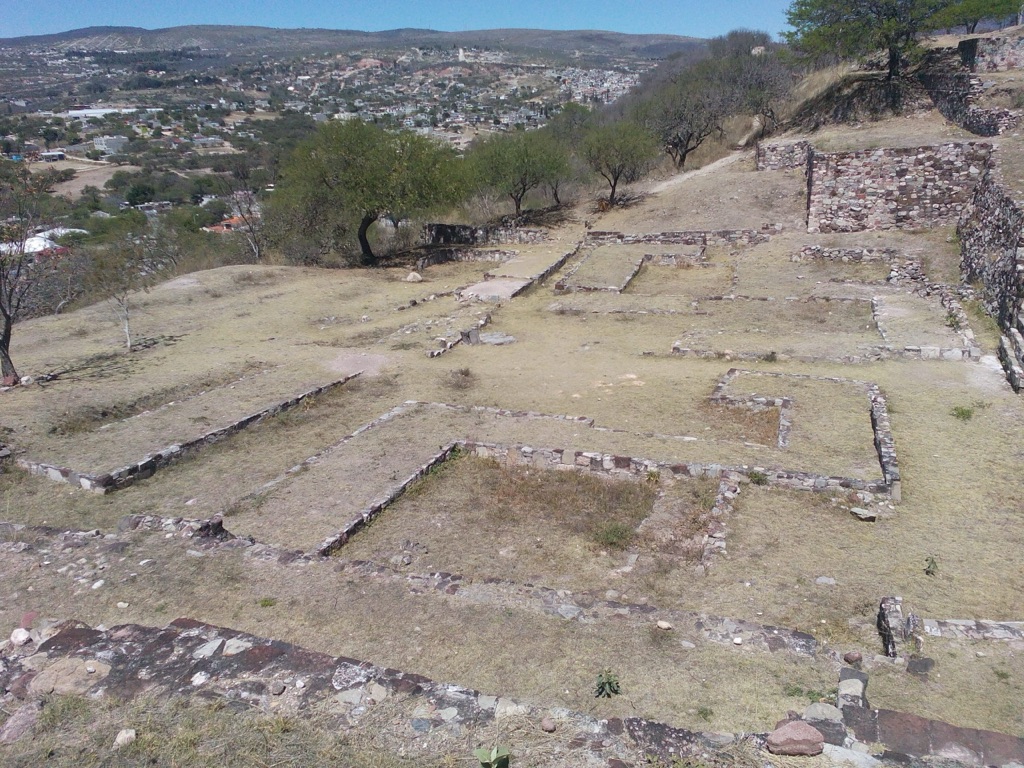
Cerro de las Minas, an archaeological treasure trove located in the modern state of Oaxaca, Mexico, offers a unique window into the ancient Mixtec civilization. Situated to the north of Huajuapan de León, this site is a testament to the ingenuity and culture of the Ñuiñe, or lowland Mixtec people. The strategic placement of Cerro de las Minas on a hill overlooking the Valley of Huajuapan made it a pivotal center for food production and trade routes, underscoring its regional significance.
Neural Pathways
Neural Pathways is a collective of seasoned experts and researchers with a profound passion for unraveling the enigmas of ancient history and artifacts. With a wealth of combined experience spanning decades, Neural Pathways has established itself as a leading voice in the realm of archaeological exploration and interpretation.
Our team of researchers and scholars provide unparalleled depth of knowledge in deciphering the intricate narratives embedded within ancient artifacts and deciphering the cultural nuances that shaped civilizations of the past. Through meticulous research, rigorous analysis, and a collaborative spirit, Neural Pathways has made and continues to make significant contributions to our understanding of the human past.
Tres Zapotes
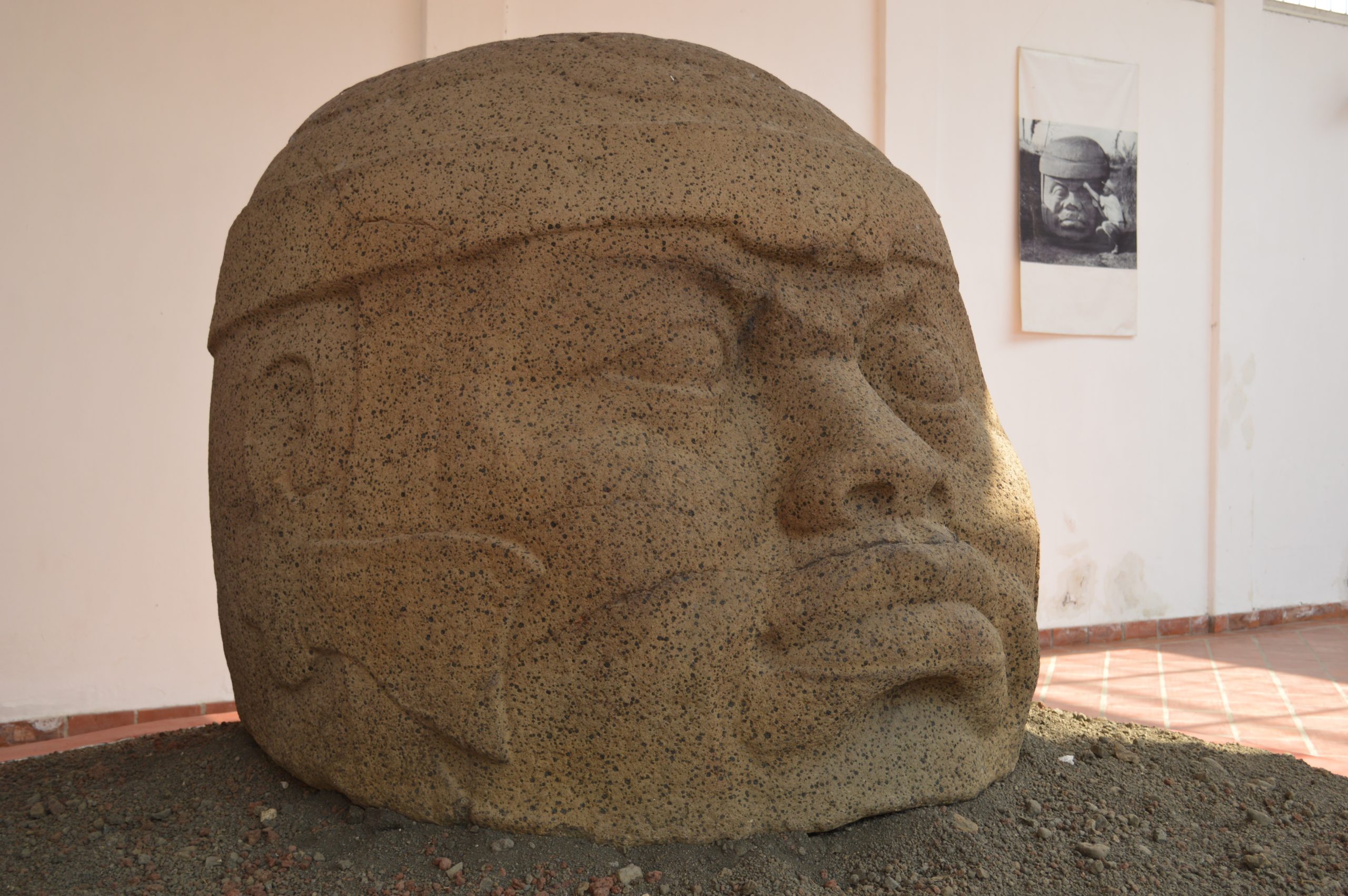
Tres Zapotes stands as a testament to the enduring legacy of Mesoamerican civilizations, marking a significant chapter in the pre-Columbian history of the Gulf Lowlands of Mexico. Located in the Papaloapan River plain, near the contemporary village of Tres Zapotes, this archaeological site offers invaluable insights into the Olmec civilization and its successors, the Epi-Olmec and Classic Veracruz cultures. The site’s strategic position at the western edge of the Los Tuxtlas Mountains facilitated a unique blend of cultural and economic activities, leveraging both the forested uplands and the fertile flatlands.
Juxtlahuaca
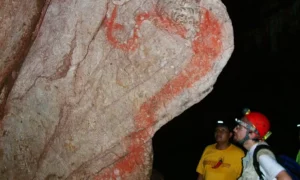
The Juxtlahuaca cave, located in the Mexican state of Guerrero, stands as a significant archaeological site that offers a rare window into the artistic and cultural practices of ancient Mesoamerica. This cave, along with the nearby Oxtotitlán cave, houses some of the earliest and most sophisticated painted art known in the region, displaying clear links to Olmec motifs and iconography. The presence of these murals in Juxtlahuaca not only highlights the artistic prowess of the people who created them but also raises intriguing questions about the extent of Olmec influence across Mesoamerica.
Olmec Gods
The Olmec civilization, flourishing from before 1200 BCE until around 400 BCE along Mexico’s southern Gulf Coast, stands as a monumental beacon in the annals of Mesoamerican history. As the progenitor of later Mesoamerican cultures, the Olmecs have left an indelible mark on the region’s religious and mythological landscape. Despite the absence of direct written accounts of their religious beliefs, scholars have pieced together a complex tapestry of Olmec deities and supernaturals through meticulous archaeological and iconographic analysis. This exploration into the Olmec pantheon not only sheds light on the civilization’s spiritual realm but also underscores the profound influence the Olmecs had on subsequent Mesoamerican religious thought.
Oxtotitlán
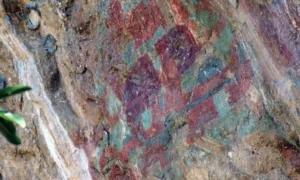
Oxtotitlán, a natural rock shelter located in Chilapa de Álvarez, in the Mexican state of Guerrero, stands as a testament to the complexity and reach of Olmec culture within Mesoamerica. This archaeological site, along with the nearby Juxtlahuaca cave, harbors some of the earliest sophisticated painted art in the region, dating back to approximately 900 years BCE. The presence of Olmec motifs and iconography hundreds of kilometers away from the Olmec heartland raises intriguing questions about the spread of this influential culture.
El Manatí
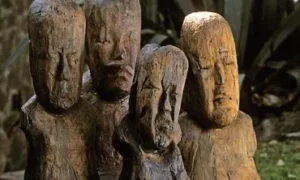
In 1987, a seemingly mundane effort to boost local income through fish farming by the residents of El Macayal, a village in the Mexican state of Veracruz, led to an extraordinary archaeological discovery. Situated on the floodplains of the Coatzacoalcos River system, the village is in proximity to Cerro Manatí, a hill that would soon reveal its historical significance. As villagers dug artificial ponds near a local freshwater spring, they unearthed a trove of artifacts, including pottery shards, stone axes, rubber balls, bones, and peculiar wooden objects initially mistaken for tree roots. Recognizing the potential importance of their finds, the villagers contacted Mexico’s National Institute of Anthropology and History (INAH), setting the stage for a series of investigations that would uncover the rich history of El Manatí and its significance to the Olmec civilization.