
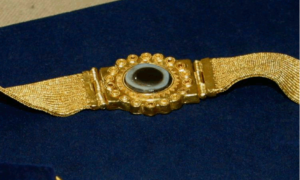
In the annals of archaeological discoveries, few finds have sparked as much excitement and awe as the treasure of Nimrud. Unearthed in the 1980s, this collection of artifacts from the ancient Assyrian city of Nimrud, located in the Tigris Valley of Northern Iraq, rivals the discovery of King Tutankhamun’s tomb in its historical significance and the sheer beauty of the items recovered. Yet, despite its importance, the treasure of Nimrud has not reached the same level of global recognition as its Egyptian counterpart.
Neural Pathways
Neural Pathways is a collective of seasoned experts and researchers with a profound passion for unraveling the enigmas of ancient history and artifacts. With a wealth of combined experience spanning decades, Neural Pathways has established itself as a leading voice in the realm of archaeological exploration and interpretation.
Our team of researchers and scholars provide unparalleled depth of knowledge in deciphering the intricate narratives embedded within ancient artifacts and deciphering the cultural nuances that shaped civilizations of the past. Through meticulous research, rigorous analysis, and a collaborative spirit, Neural Pathways has made and continues to make significant contributions to our understanding of the human past.
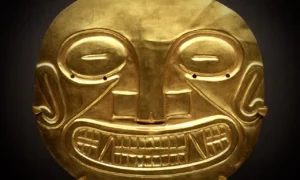
Sitio Conte
Sitio Conte, an archaeological site of significant historical importance, is situated in the Coclé province of Panama, close to Parita Bay. This site, primarily recognized as a necropolis, serves as a quintessential example of a ranked or chiefdom society, offering invaluable insights into the social dynamics of the region from AD 500 to 1500. Despite the cessation of excavations since 1940, the mortuary remains discovered at Sitio Conte continue to be a pivotal resource for archaeologists aiming to understand the complex societal structures of ancient Central America.
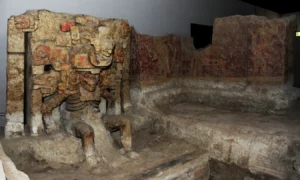
El Zapotal
El Zapotal stands as a significant archaeological site that offers a window into the ancient Totonac culture, situated in the Mixtequilla region, bordered by the Blanco and Papaloapan rivers in Veracruz, Mexico. The discovery of El Zapotal has been pivotal in enhancing our understanding of the ancient cultures of Veracruz and Mexico at large.
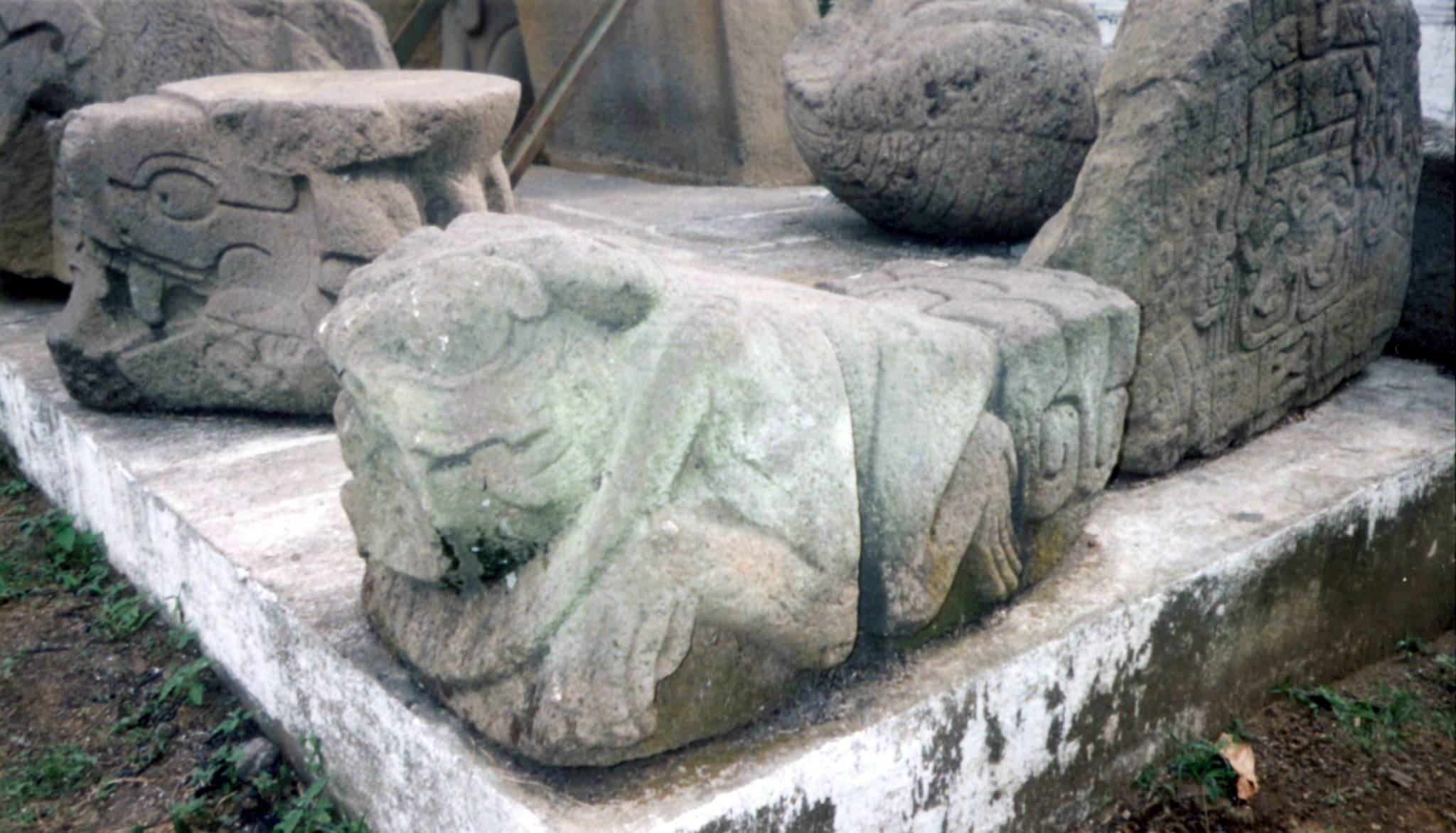
El Baúl
The archaeological site of El Baúl, nestled within the Escuintla Department of Guatemala, represents a significant node in the pre-Columbian landscape of Mesoamerica. As part of the Cotzumalhuapa Archaeological Zone, which also includes Bilbao and El Castillo, El Baúl offers a unique window into the Formative stage of the Americas, a period marked by the emergence of complex societies and monumental architecture. This article aims to dissect the multifaceted aspects of El Baúl, from its strategic geographical positioning and architectural marvels to its role in the ancient obsidian trade, thereby contributing to a deeper understanding of the Cotzumalhuapa culture.
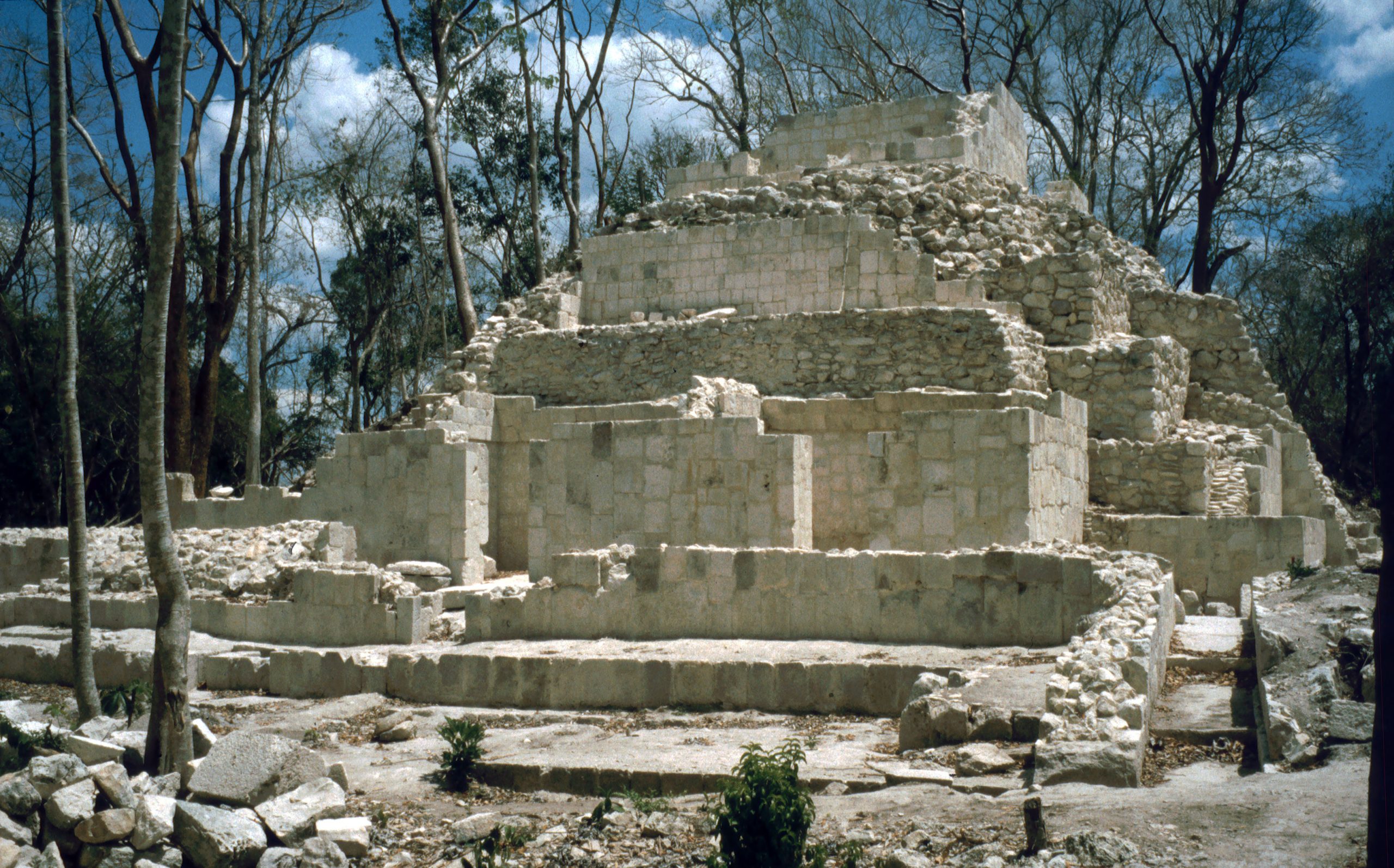
Acanmul
Acanmul is an ancient archaeological site located approximately 25 kilometers northeast of Campeche city and about 20 kilometers from the coast. The site spans an area of 2 square kilometers and experienced its period of greatest prosperity between the 7th and 9th centuries AD. The research project at Acanmul is led by Héber Ojeda M. from INAH Campeche, focusing on the excavation and restoration of significant structures within the site.
Nim Li Punit
Nim Li Punit is a significant archaeological site from the Maya Classic Period, located in the Toledo District of Belize. This site, flourishing between the 5th and 8th centuries AD, offers a unique glimpse into the ancient Maya civilization, known for its sophisticated culture, architecture, and social systems. The name Nim Li Punit, which translates to “Big Hat” in Kekchi Maya, is derived from a stela sculpture found at the site depicting an ancient king adorned with a large, elaborate head-dress. This article explores the geography, economy, architecture, population, ecology, and archaeological investigations of Nim Li Punit, providing insights into its historical and cultural significance.