
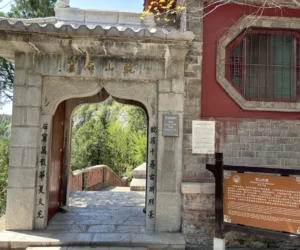
Overview of Tuoshan Grottoes Tuoshan Grottoes, located in Qingzhou, Shandong, stand as a monumental site. They house 638 Buddha statues across five grottoes. This makes them the largest group of cliff statues in Shandong. The earliest statues date back to the Northern Zhou Dynasty (577-581 AD). Later additions came from the Tang Dynasty (613-907 AD)….
Neural Pathways
Neural Pathways is a collective of seasoned experts and researchers with a profound passion for unraveling the enigmas of ancient history and artifacts. With a wealth of combined experience spanning decades, Neural Pathways has established itself as a leading voice in the realm of archaeological exploration and interpretation.
Our team of researchers and scholars provide unparalleled depth of knowledge in deciphering the intricate narratives embedded within ancient artifacts and deciphering the cultural nuances that shaped civilizations of the past. Through meticulous research, rigorous analysis, and a collaborative spirit, Neural Pathways has made and continues to make significant contributions to our understanding of the human past.
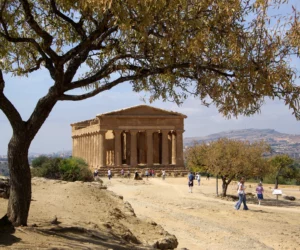
Agrigento
The Historical Tapestry of Agrigento: A Journey Through Time Agrigento, a city steeped in history on Sicily’s southern coast, serves as a testament to the rich cultural and architectural legacy of the Mediterranean. Founded around 582 BC by Greek colonists from Gela, Agrigento, originally known as Akragas, quickly rose to prominence during Ancient Greece’s golden…
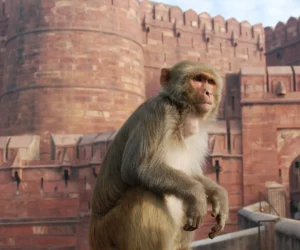
Agra Fort
The Historical Significance of Agra Fort Agra Fort, a UNESCO World Heritage Site since 1983, stands as a testament to the architectural grandeur and historical importance of the Mughal era. Located approximately 2.5 kilometers from the iconic Taj Mahal, this fort has witnessed numerous historical events and transformations that have shaped the region’s history. A…
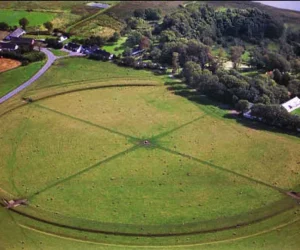
Aggersborg
Unveiling Aggersborg: A Titan of Viking Fortresses Aggersborg stands as the largest Viking ring fortress in Denmark. It is strategically located near Aggersund on the north side of the Limfjord. The fortress features a circular rampart surrounded by a ditch. Four main roads, arranged in a cross, connect the fortress center to the outer ring….
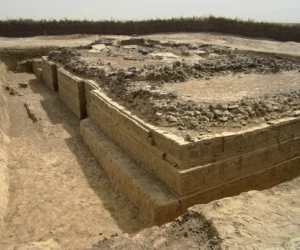
Adulis
Adulis, an ancient city along the Red Sea, played a pivotal role in the commerce and culture of several ancient kingdoms. Located in the Gulf of Zula, approximately 40 kilometers south of Massawa, its ruins now lie within the modern Eritrean city of Zula. Historically, Adulis was a crucial emporium for the D’mt and the Kingdom of Aksum, linking them to Greece, the Byzantine Empire, and beyond.
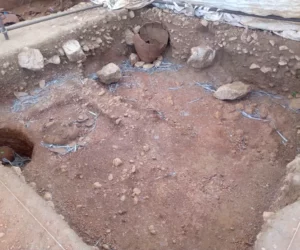
Adichanallur
Unveiling the Historical Layers of Adichanallur Adichanallur, located in the Thoothukudi district of Tamil Nadu, India, stands as a significant archaeological site. It first caught the attention of the academic world in 1876. That year, a team comprising a district collector, an engineer, and a German ethnologist, Dr. Jagor, embarked on excavations. They unearthed superior…