Overview of Tuoshan Grottoes
Tuoshan Grottoes, located in Qingzhou, Shandong, stand as a monumental site. They house 638 Buddha statues across five grottoes. This makes them the largest group of cliff statues in Shandong. The earliest statues date back to the Northern Zhou Dynasty (577-581 AD). Later additions came from the Tang Dynasty (613-907 AD). The State Council recognized the site as a key national cultural relic on January 3, 1988.
Distinct Features of the Grottoes
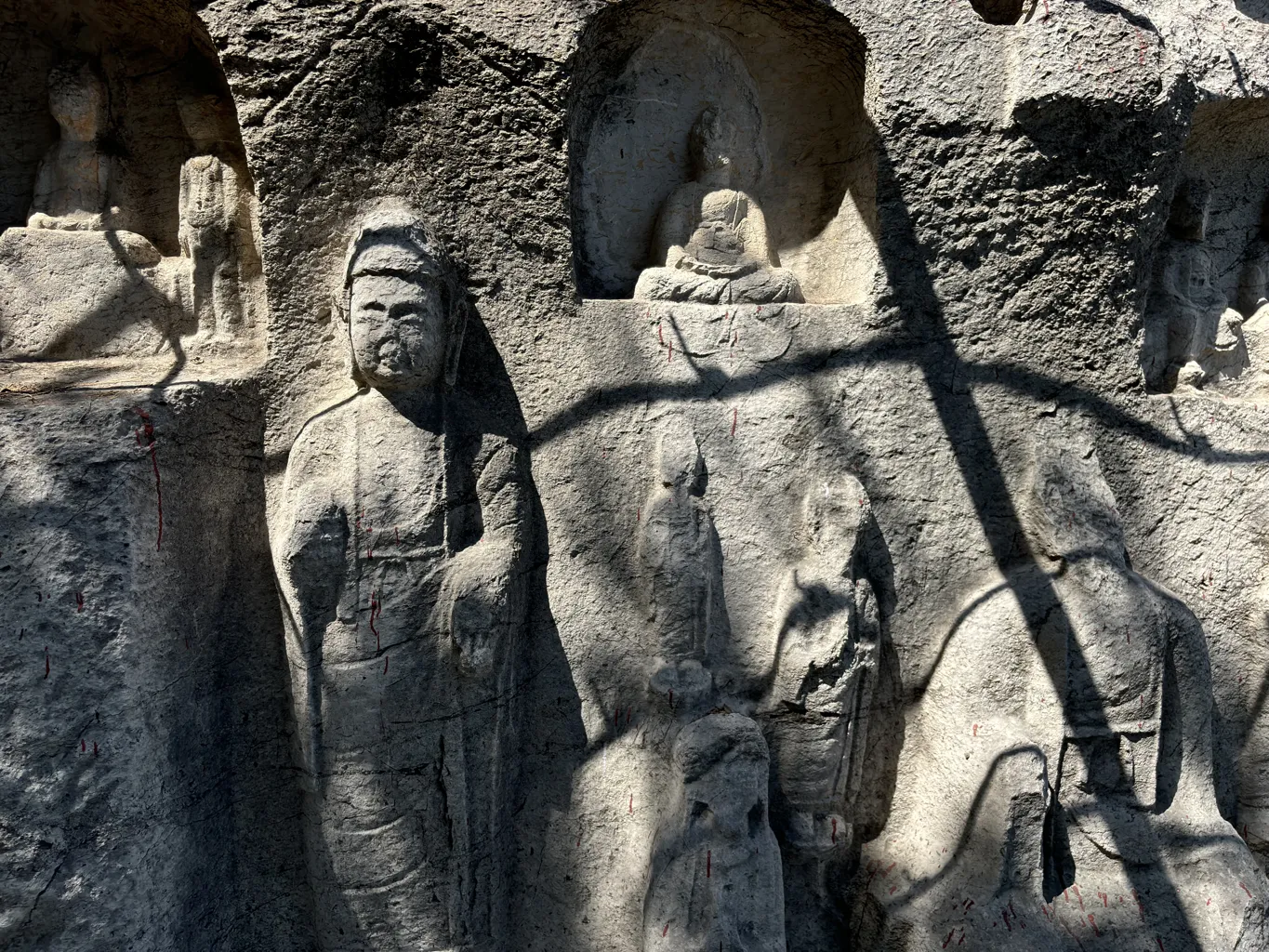
Each grotto at Tuoshan offers a unique glimpse into Buddhist art and architecture. The statues predominantly depict the Western Three Saints: Amitabha, Avalokitesvara, and Mahasthamaprapta Bodhisattva. Additionally, visitors can see representations of the Thousand Buddhas, Hercules, and Feitian, along with smaller donor figures.
Grotto One: The Tang Dynasty Showcase
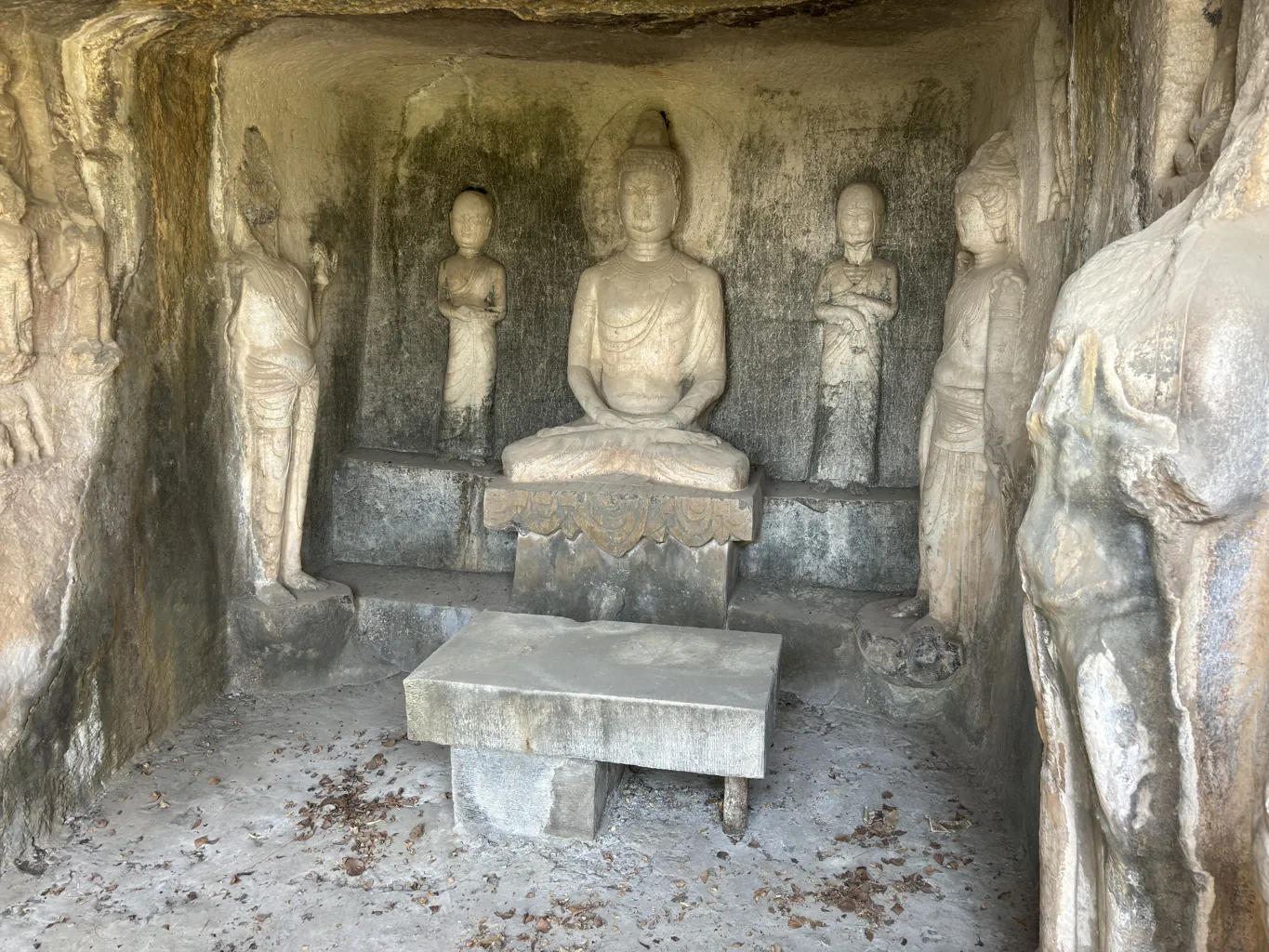
Grotto One is a masterpiece from the Tang Dynasty. It measures 1.9 meters high, 2.3 meters wide, and 4.1 meters deep. The main deity, surrounded by disciples and bodhisattvas, dominates this space. Notably, inscriptions in the grotto provide exact dates and details about the patrons who commissioned the statues.
Grotto Two and Five: Later Additions
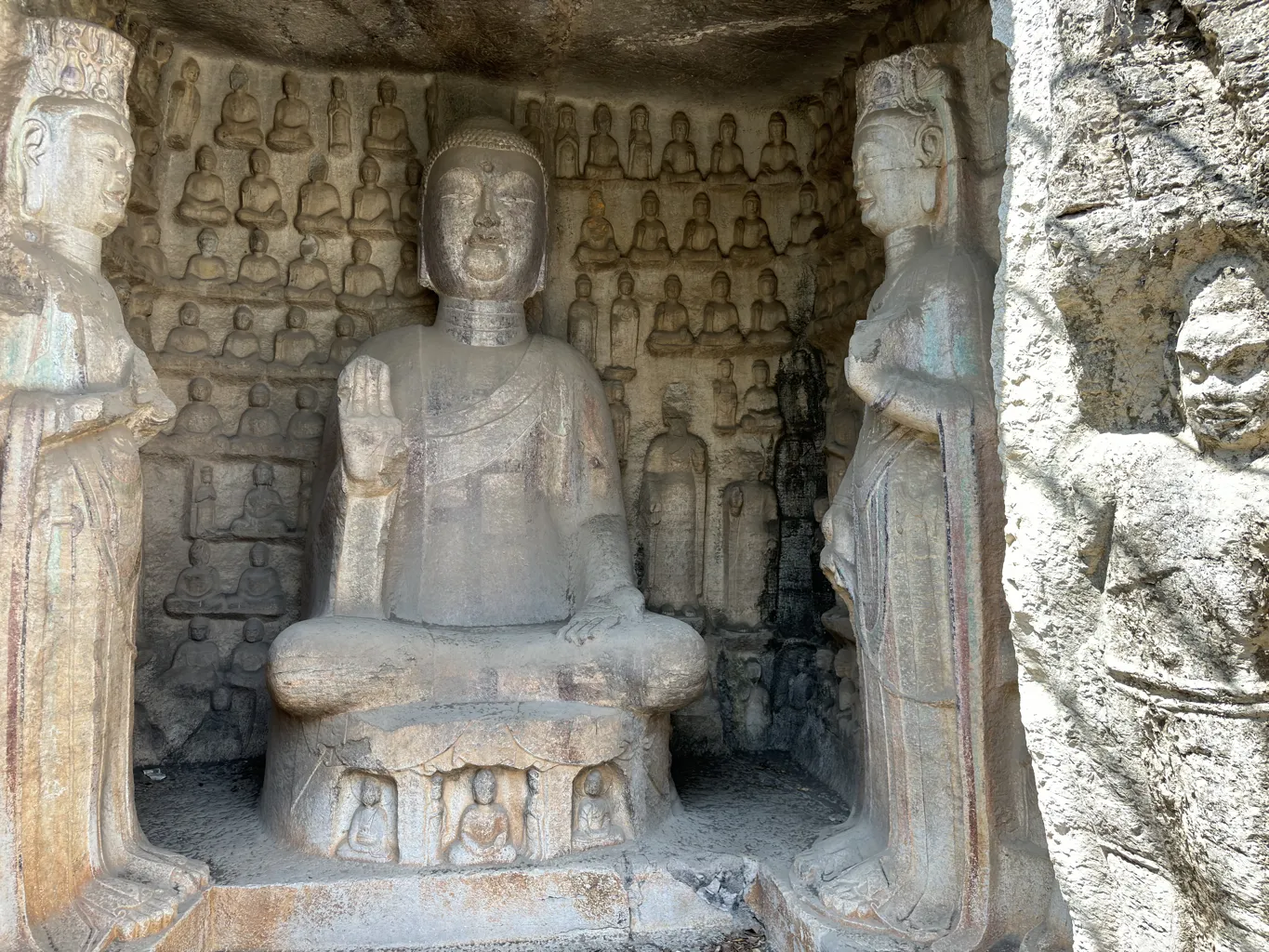
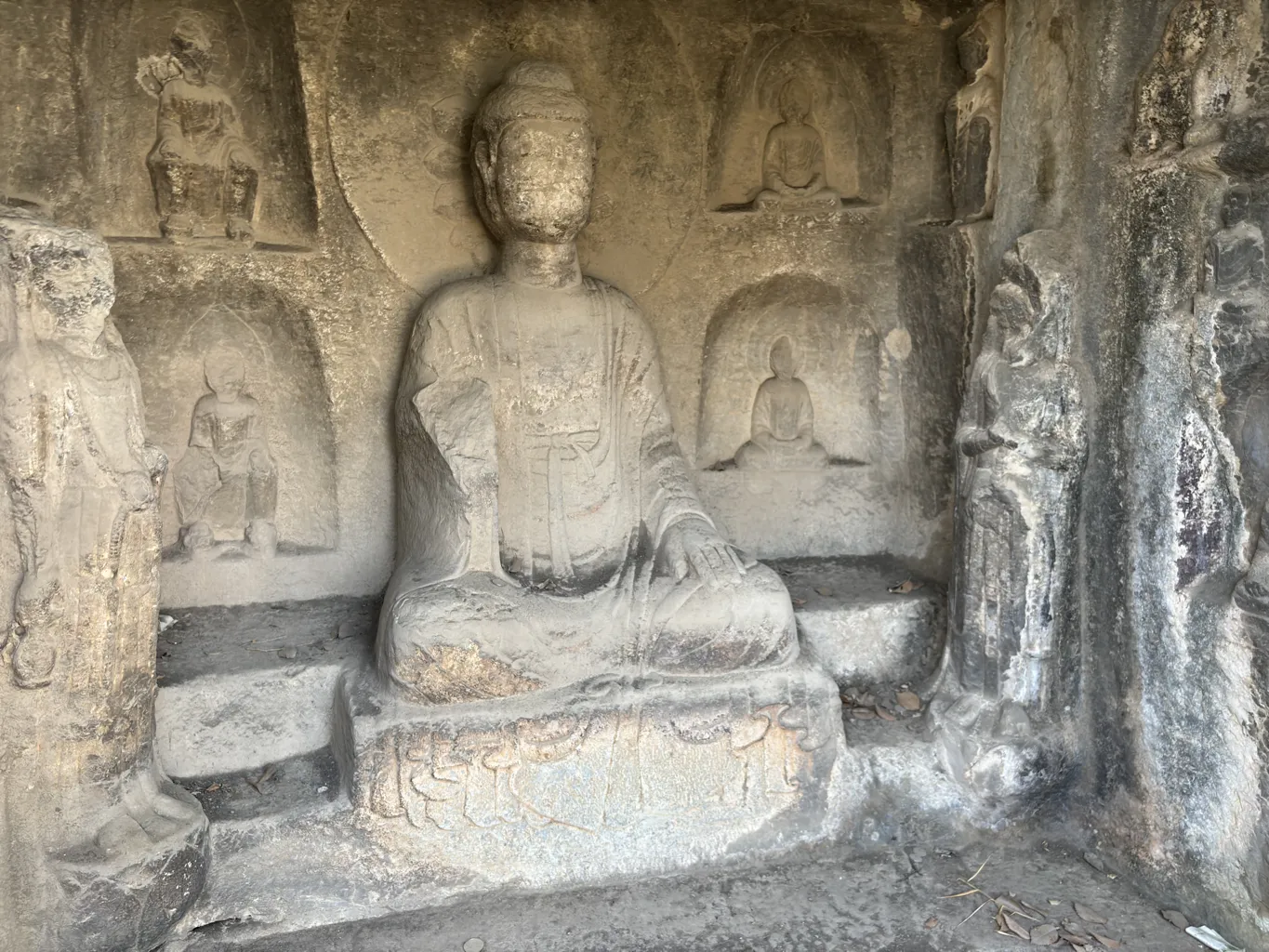
Grottoes Two and Five, though smaller, are significant for their detailed carvings. They feature deities in meditative poses, attended by figures wearing elaborate crowns and jewelry. These statues share stylistic traits with Sui Dynasty sculptures, suggesting a nuanced evolution of religious art over time.
Grotto Three: The Earliest and Largest
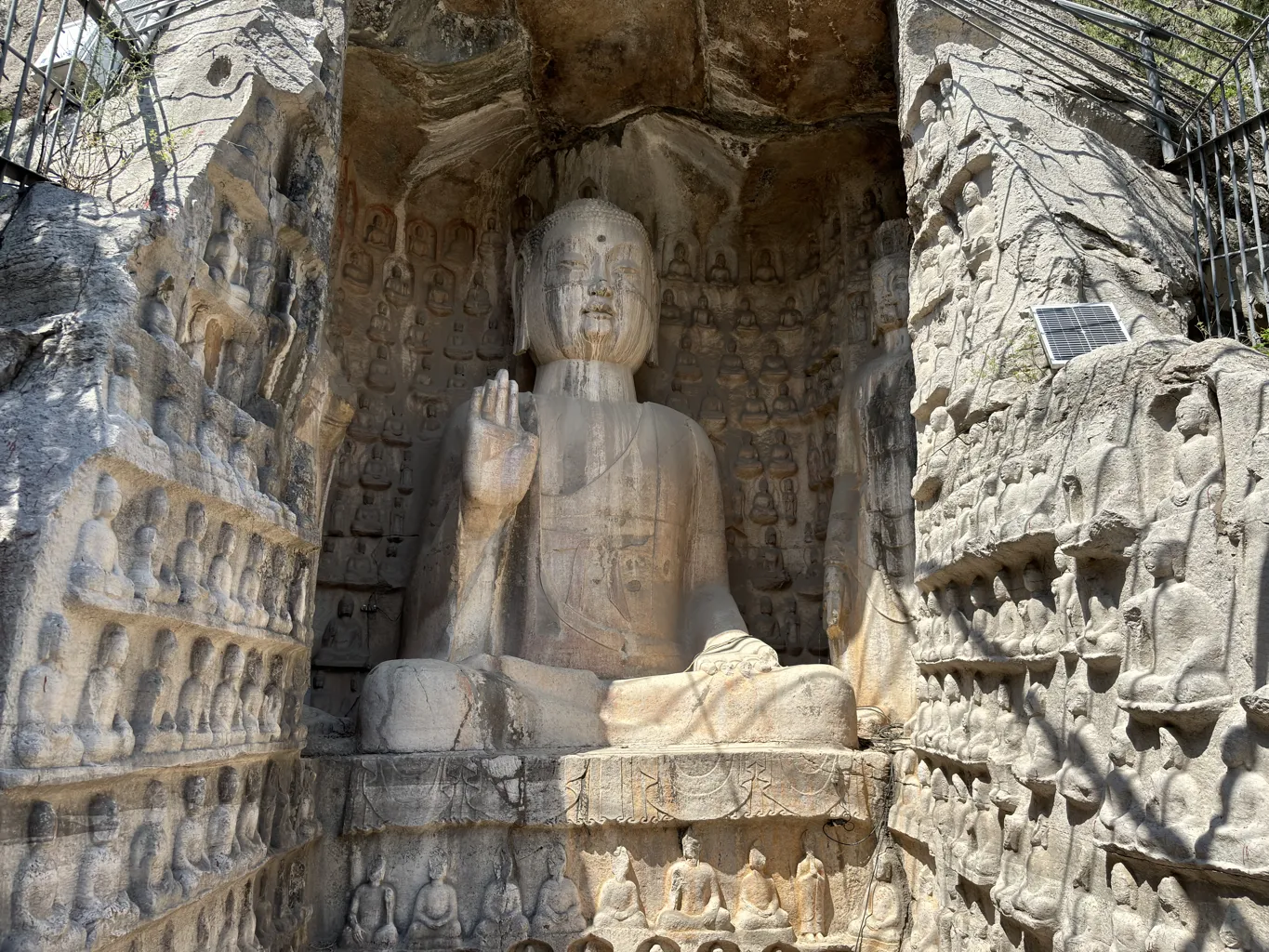
Grotto Three is both the largest and the earliest excavated. It houses a grand statue of Amitabha Buddha, approximately 6 meters high. This statue is not only the largest in Shandong but also among the most artistically significant, with detailed inscriptions that link it to historical figures from the Sui Dynasty.
Grotto Four: Tang Dynasty Artistry
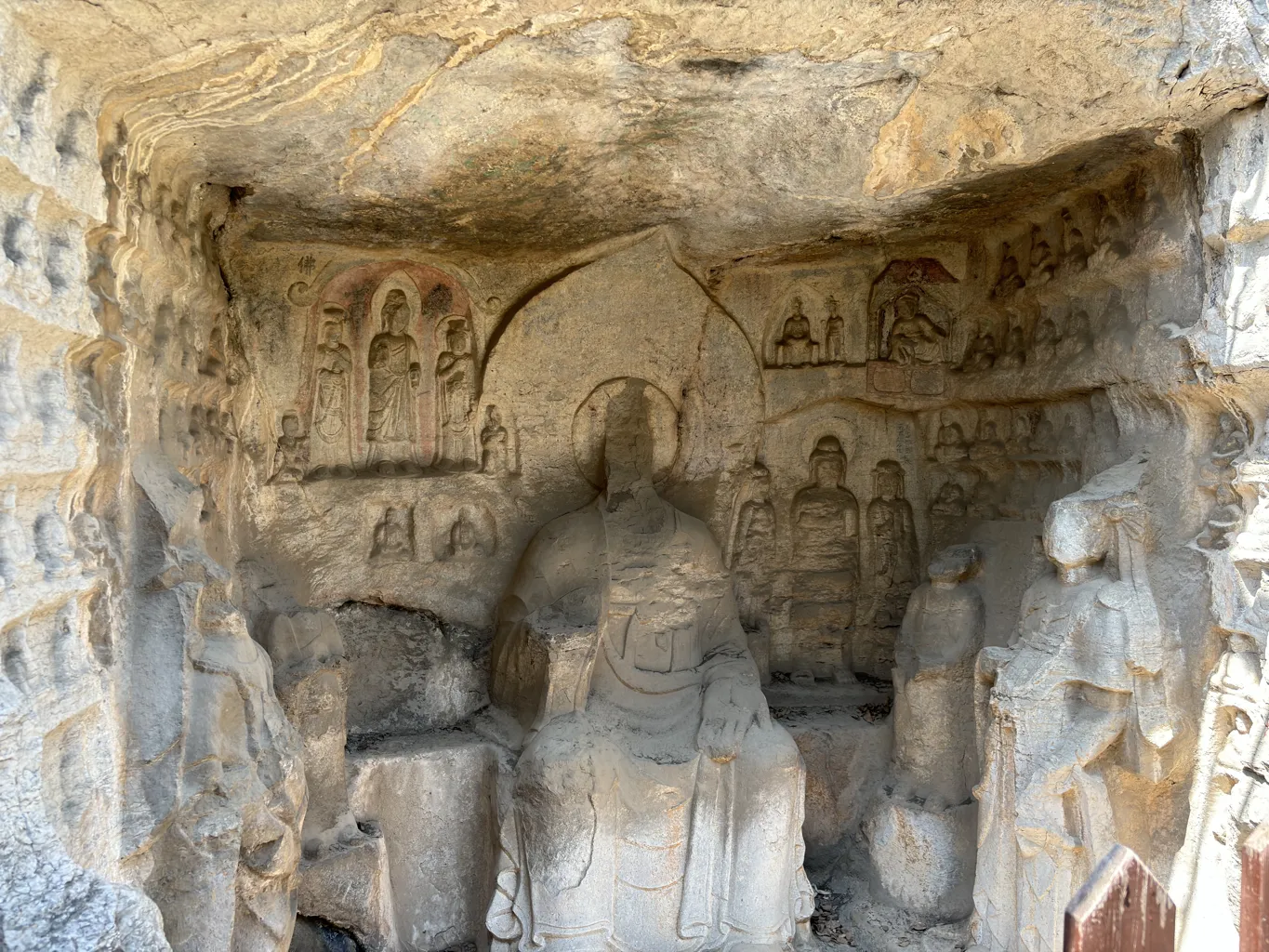
Despite suffering significant damage, Grotto Four offers insights into Tang Dynasty aesthetics. The remaining sculptures, though headless, exhibit a distinct style that differs from those in the other grottoes. This diversity highlights the artistic experimentation during the Tang period.
Conclusion: A Testament to Spiritual and Artistic Endeavor
The Tuoshan Grottoes serve as a testament to the spiritual devotion and artistic endeavor of ancient China. They offer scholars and visitors alike a profound insight into the religious life and cultural richness of the periods they represent. As a protected site, they continue to fascinate and inspire all who explore their depths.
Sources:

Neural Pathways is a collective of seasoned experts and researchers with a profound passion for unraveling the enigmas of ancient history and artifacts. With a wealth of combined experience spanning decades, Neural Pathways has established itself as a leading voice in the realm of archaeological exploration and interpretation.