
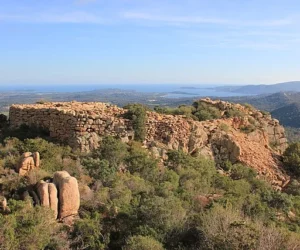
The archaeological site of Araghju is a prehistoric fortress located in the Corsican region of France. It is one of the best-preserved torre sites on the island. Archaeologists have studied it extensively due to its historical importance, particularly for understanding the Torrean civilization that flourished during the Bronze Age. Location and Structure Araghju is located…
Neural Pathways
Neural Pathways is a collective of seasoned experts and researchers with a profound passion for unraveling the enigmas of ancient history and artifacts. With a wealth of combined experience spanning decades, Neural Pathways has established itself as a leading voice in the realm of archaeological exploration and interpretation.
Our team of researchers and scholars provide unparalleled depth of knowledge in deciphering the intricate narratives embedded within ancient artifacts and deciphering the cultural nuances that shaped civilizations of the past. Through meticulous research, rigorous analysis, and a collaborative spirit, Neural Pathways has made and continues to make significant contributions to our understanding of the human past.
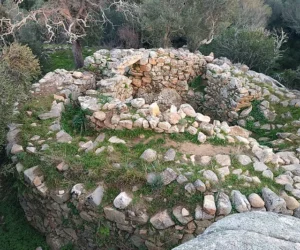
Casteddu di Tappa
Casteddu di Tappa is an important archaeological site in Sardinia, Italy. It dates back to the Bronze Age, around 1800 BC. The site offers key insights into Nuragic civilization, which flourished in Sardinia during the second millennium BC. Location and Structure of Casteddu di Tappa Casteddu di Tappa is located near Perfugas, in northern Sardinia….
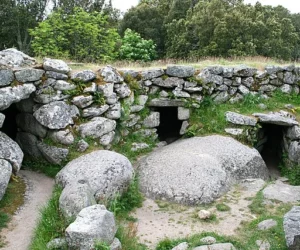
Cucuruzzu
Cucuruzzu is an archaeological site in Corsica, France. It dates back to the Bronze Age, around 1800 BC. The site is located in the Alta Rocca region, which is rich in prehistoric settlements. Cucuruzzu is known for its impressive fortifications and residential structures that reveal the advanced skills of its builders. Discovery and Excavation Cucuruzzu…
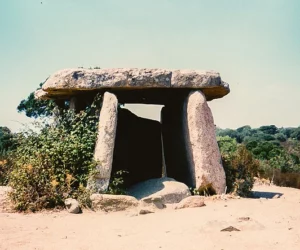
Dolmen of Funtanaccia
The Dolmen of Funtanaccia is a prehistoric burial monument located on the island of Corsica, France. It dates back to the late Neolithic period, around 2000 BC. This dolmen is one of the best-preserved megalithic structures on the island and holds significant archaeological value. Structure and Design The Dolmen of Funtanaccia features a rectangular chamber…
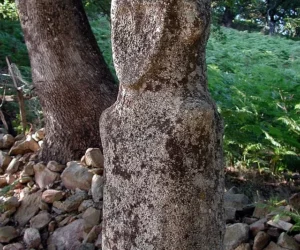
Tavera
Tavera is a significant historical landmark located in the city of Toledo, Spain. It is known primarily for the Hospital de Tavera, a Renaissance-style building that served both as a hospital and a pantheon for the Tavera family. The hospital is also known as the Hospital de San Juan Bautista or the Hospital de Afuera…
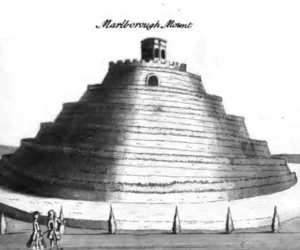
Marlborough Mound
Marlborough Mound is a prehistoric earthwork located in Marlborough, Wiltshire, England. The mound, which stands approximately 19 meters tall, is an artificial structure made of earth. Archaeological research suggests that its construction dates back to around 2400 BC, placing it in the Neolithic period. This dating was confirmed through radiocarbon testing of material extracted from…