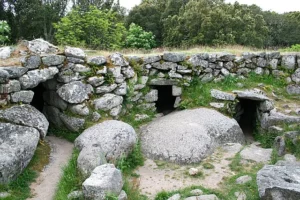
Cucuruzzu is an archaeological site in Corsica, France. It dates back to the Bronze Age, around 1800 BC. The site is located in the Alta Rocca region, which is rich in prehistoric settlements. Cucuruzzu is known for its impressive fortifications and residential structures that reveal the advanced skills of its builders.
Discovery and Excavation
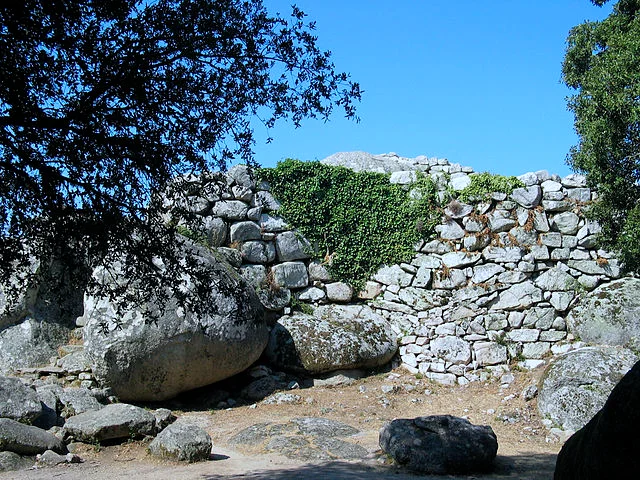
Cucuruzzu was first identified in 1959 by archaeologist Roger Grosjean, known for his work on Corsican prehistoric sites. Excavations began in the 1960s, uncovering several structures, including a fortress and a tower. Further excavation throughout the 1970s and 1980s provided insights into the site’s importance and the daily lives of its inhabitants.
The Bronze Age Fortification
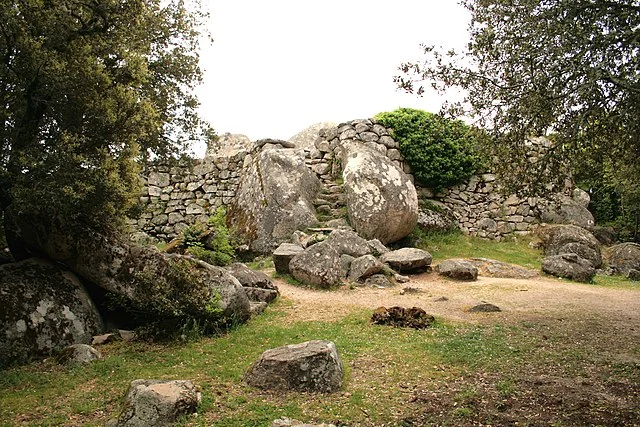
The most prominent feature of Cucuruzzu is its large fortification, constructed using dry stone techniques. The fortress was built with massive granite blocks and served both defensive and residential purposes. The walls, which were once up to 2.5 meters high, encircle the settlement, protecting its inhabitants from potential invaders.
The Torre Structure
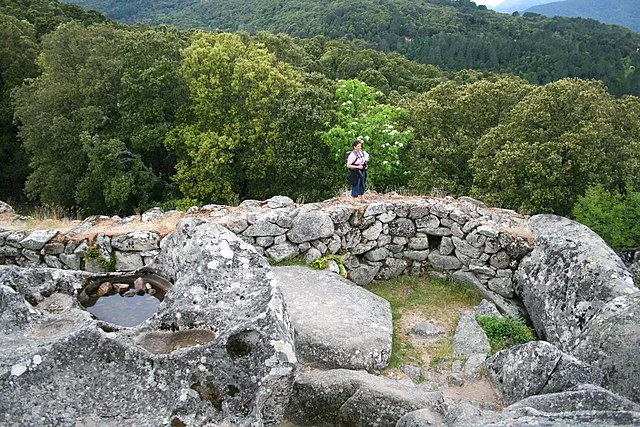
The “Torre” is another significant part of Cucuruzzu. This circular structure likely served as a central watchtower or a place of authority. Built with precision, the Torre showcases the advanced architectural capabilities of the Bronze Age community. Its strategic location offers expansive views of the surrounding valleys, which would have helped in monitoring nearby areas.
Daily Life at Cucuruzzu
Artifacts discovered at Cucuruzzu offer a glimpse into the daily lives of its Bronze Age residents. Tools, pottery, and other domestic items suggest that agriculture and livestock played a crucial role in the community’s economy. The site’s layout indicates organized living spaces, with separate areas for food storage, cooking, and gathering.
Religious and Cultural Practices
While there is limited direct evidence of religious practices at Cucuruzzu, its strategic location and complex design suggest the community may have had spiritual or ceremonial functions. Similar Bronze Age settlements often had altars or sacred spaces, and it is likely Cucuruzzu held cultural significance for its people.
Abandonment of the Site
Cucuruzzu was eventually abandoned, possibly due to environmental changes or shifts in political power during the Iron Age. By 500 BC, the site no longer served as a residential area. However, its fortifications and structures remained intact, providing valuable insights into Bronze Age Corsican society.
Preservation and Public Access
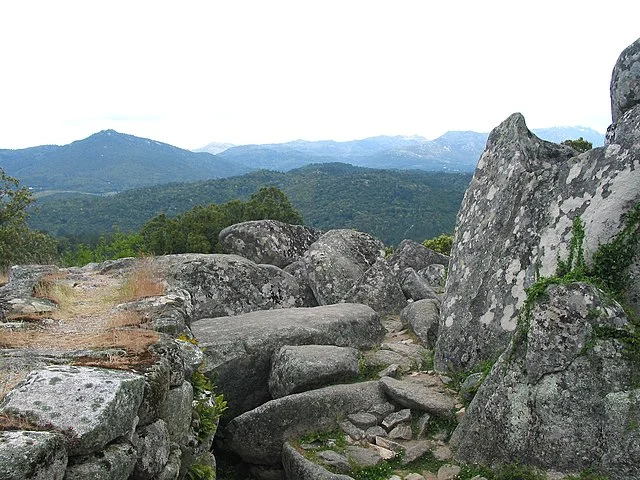
Today, Cucuruzzu is a protected site under French law. Visitors can explore the ruins, which are well-preserved and provide a rare look into the island’s prehistoric past. The surrounding forest and landscape also offer a scenic backdrop to this historical site.
Importance of Cucuruzzu in Archaeology
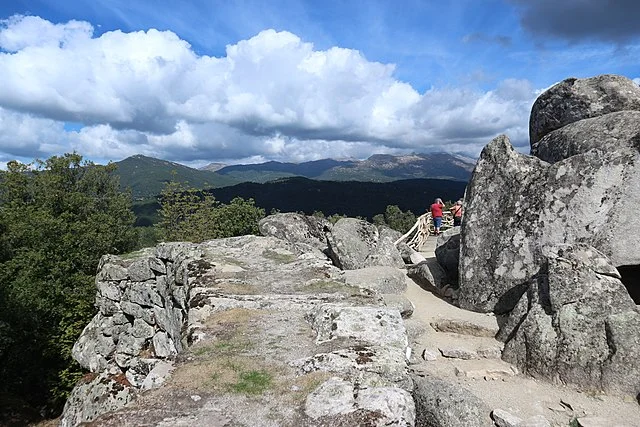
Cucuruzzu holds significant archaeological value due to its well-preserved structures and the insights it offers into Bronze Age fortifications. The site’s discovery helped broaden the understanding of prehistoric Corsican civilizations and their advanced architectural techniques. Its proximity to other prehistoric sites in the Alta Rocca region makes it an essential part of studying Corsica’s ancient history.
Source:

Neural Pathways is a collective of seasoned experts and researchers with a profound passion for unraveling the enigmas of ancient history and artifacts. With a wealth of combined experience spanning decades, Neural Pathways has established itself as a leading voice in the realm of archaeological exploration and interpretation.