Mythology
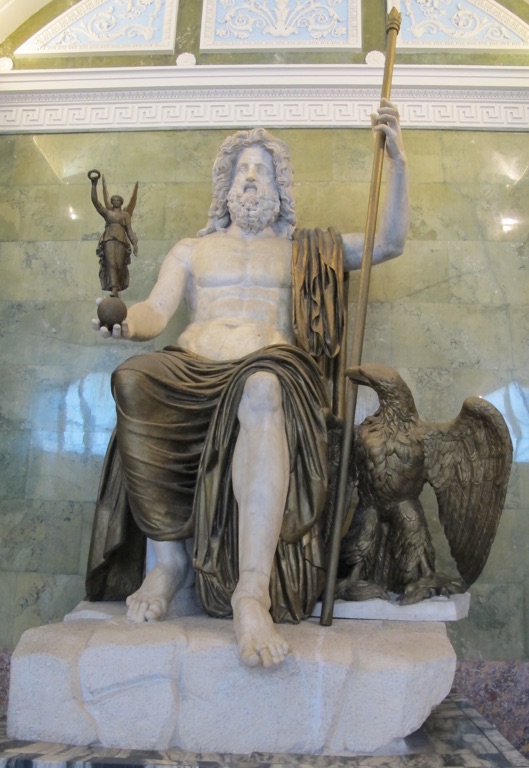
The Role of Mythology in Ancient Civilizations
Mythology has played a pivotal role in shaping the cultures and societies of ancient civilizations. These mythological narratives were not only sources of entertainment but also served as educational tools, imparting moral lessons and values to their audiences. In ancient Greece, for instance, the epic tales of Homer’s “Iliad” and “Odyssey” were more than just stories; they were integral to the education system, teaching virtues such as honor, bravery, and respect for the gods. Similarly, in ancient Egypt, the myth of Osiris, Isis, and Horus was not only a story about the cycle of life and death but also a foundational myth that reinforced the legitimacy of the pharaoh’s rule and the moral codes of society.
Mythology and Religious Practices
The intertwining of mythology with religious practices is evident across various cultures. In ancient Rome, festivals and ceremonies were often dedicated to gods and goddesses, with rituals designed to appease these divine beings and ensure their favor. The Vestal Virgins, for example, were priestesses of Vesta, the goddess of the hearth, and their role was crucial in maintaining the sacred fire, which was believed to be vital for the prosperity of Rome. In Norse mythology, rituals and sacrifices to gods like Odin and Thor were common practices, believed to ensure victory in battle and prosperity in life.
Mythological Creatures and Their Symbolism
Mythological creatures often symbolize human fears, desires, and natural phenomena. The Sphinx in Egyptian mythology, with the body of a lion and the head of a human, represents the power of the pharaoh, combining human intelligence with the strength of a lion. In Greek mythology, the Chimera, a fire-breathing monster with the body of a lion, the head of a goat, and the tail of a serpent, symbolizes the chaos and danger of the unknown. These creatures, while fantastical, served as metaphors for the challenges and mysteries that ancient peoples faced in their daily lives.
The Enduring Legacy of Mythology
The influence of ancient mythologies extends far beyond their original contexts, permeating modern literature, art, and media. Characters and themes from Greek, Egyptian, Norse, and Roman myths have found new life in contemporary books, movies, and video games, demonstrating the timeless appeal of these stories. The hero’s journey, a narrative structure found in many myths, has become a foundational concept in storytelling, influencing countless works of fiction. The enduring legacy of mythology underscores its universal relevance, reflecting the shared human experience across time and culture.
In conclusion, mythology is a testament to the creativity and imagination of ancient civilizations, offering insights into their beliefs, values, and fears. These stories, with their gods, heroes, and mythical creatures, continue to captivate and inspire, reminding us of the power of narrative to shape and reflect the human condition.
Mythology and Religion
-
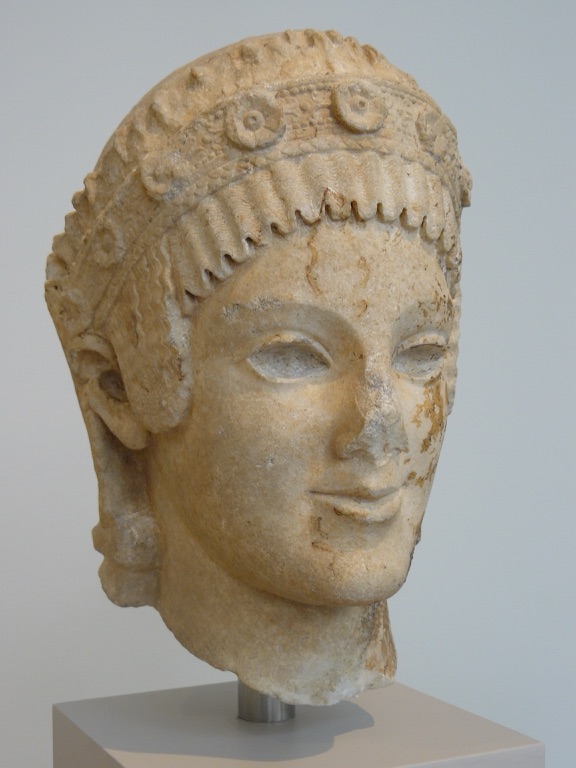
Athena, Goddess of War: Complete Greek Mythology Guide
Born fully armed from Zeus’s head, the Greek goddess of wisdom and strategic warfare. Explore Athena’s myths, her sacred owl, the Parthenon,…
-
Apollo, the Greek God: Complete Mythology and Symbols
God of light, music, prophecy, healing — Apollo is one of the most important Olympian gods. Explore his mythology, the Oracle of…
-
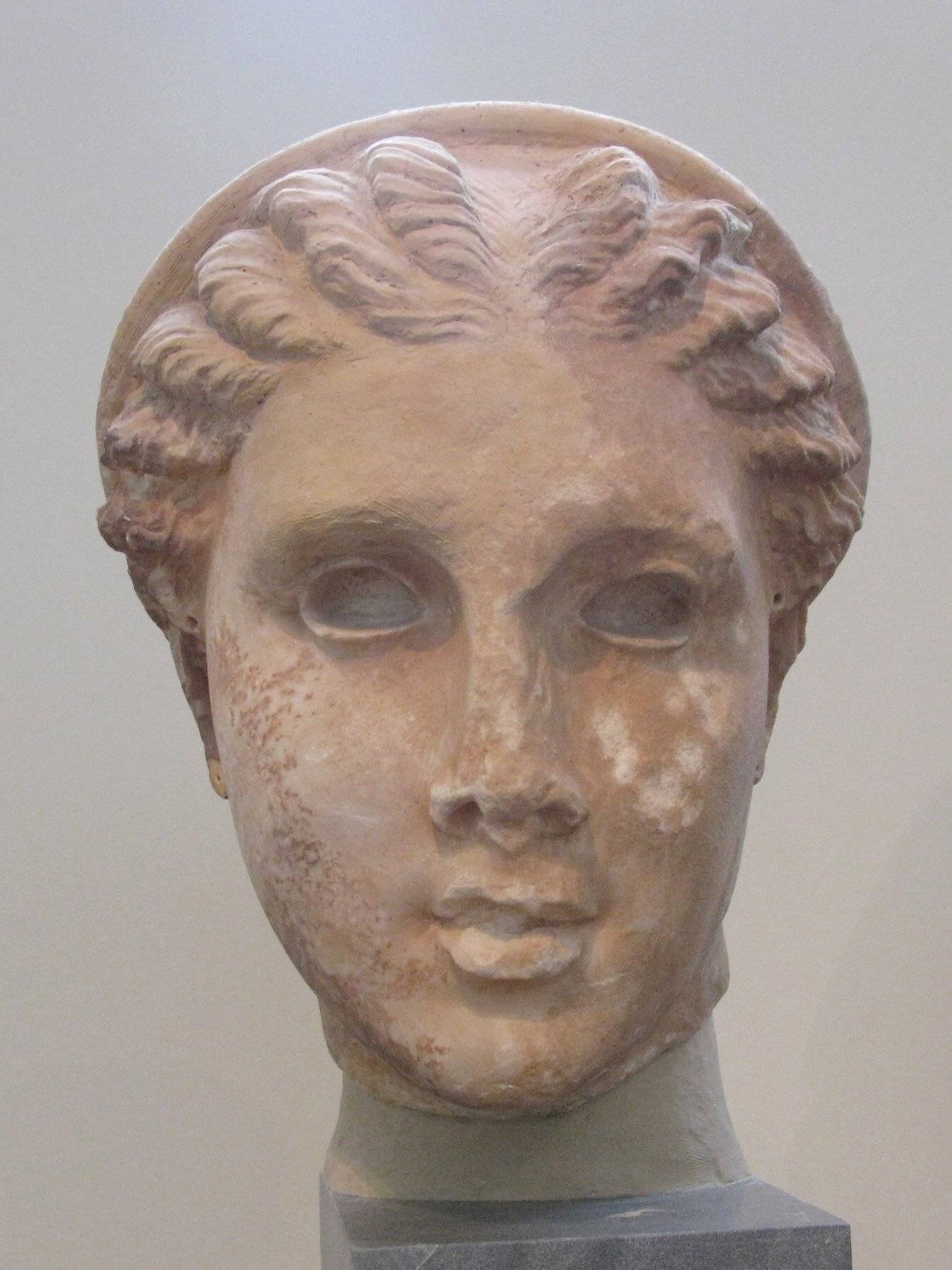
Artemis – The Greek Goddess
Artemis, a prominent figure in ancient Greek mythology, is revered as the goddess of the hunt, wilderness, childbirth, and virginity. She is…
-
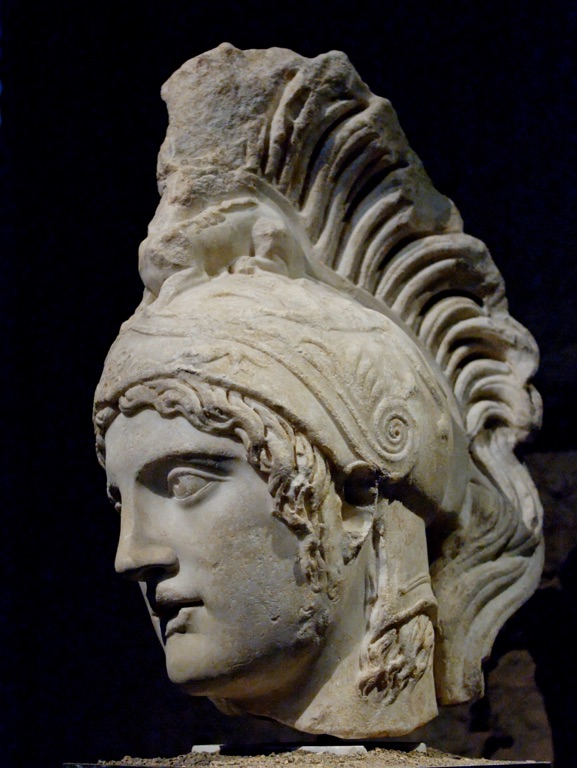
Ares, Greek God of War: Complete Mythology and Symbols
Son of Zeus and Hera, lover of Aphrodite — the Greek god of bloody combat. Explore Ares’s role in mythology, his Roman…
-
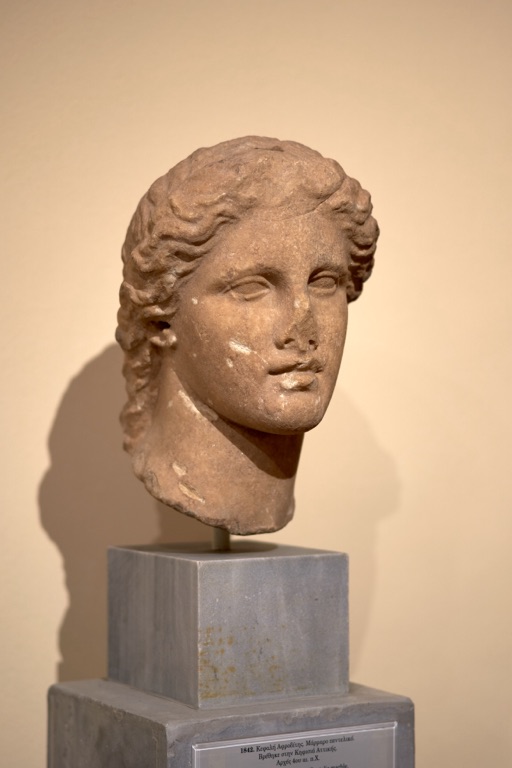
Aphrodite: The Goddess of Love
Aphrodite is one of the most venerated deities in ancient Greek mythology, known as the goddess of love, beauty, pleasure, passion, and…
-
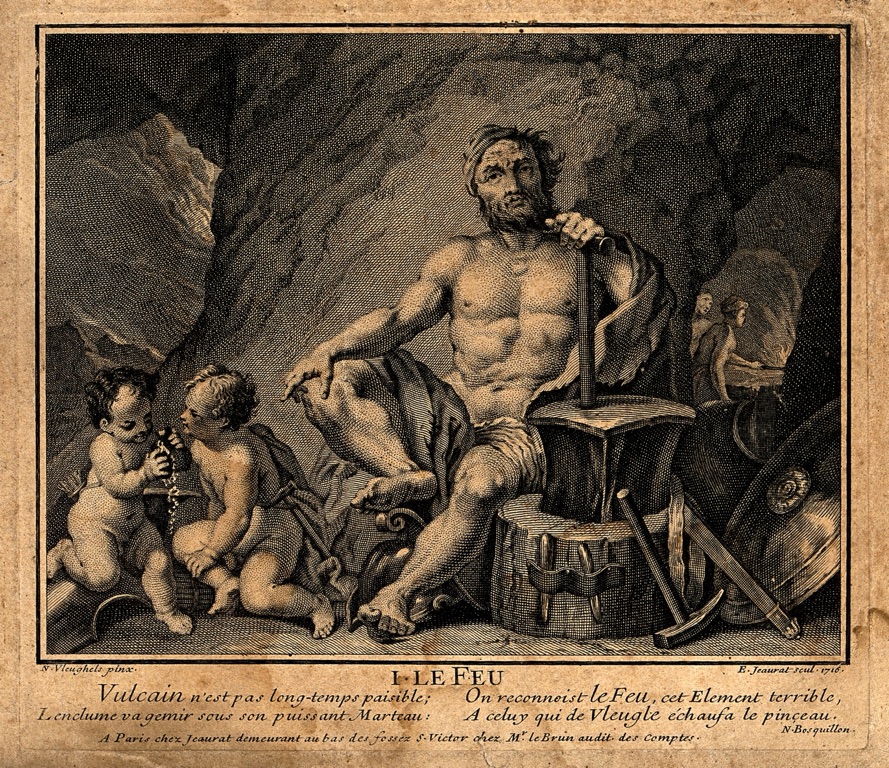
Hephaestus – The God of Fire
Hephaestus, known in ancient Greek religion and mythology, is the god of fire, metalworking, stone masonry, forges, and the art of sculpture.…