Ushiberd: An Archaeological and Historical Overview
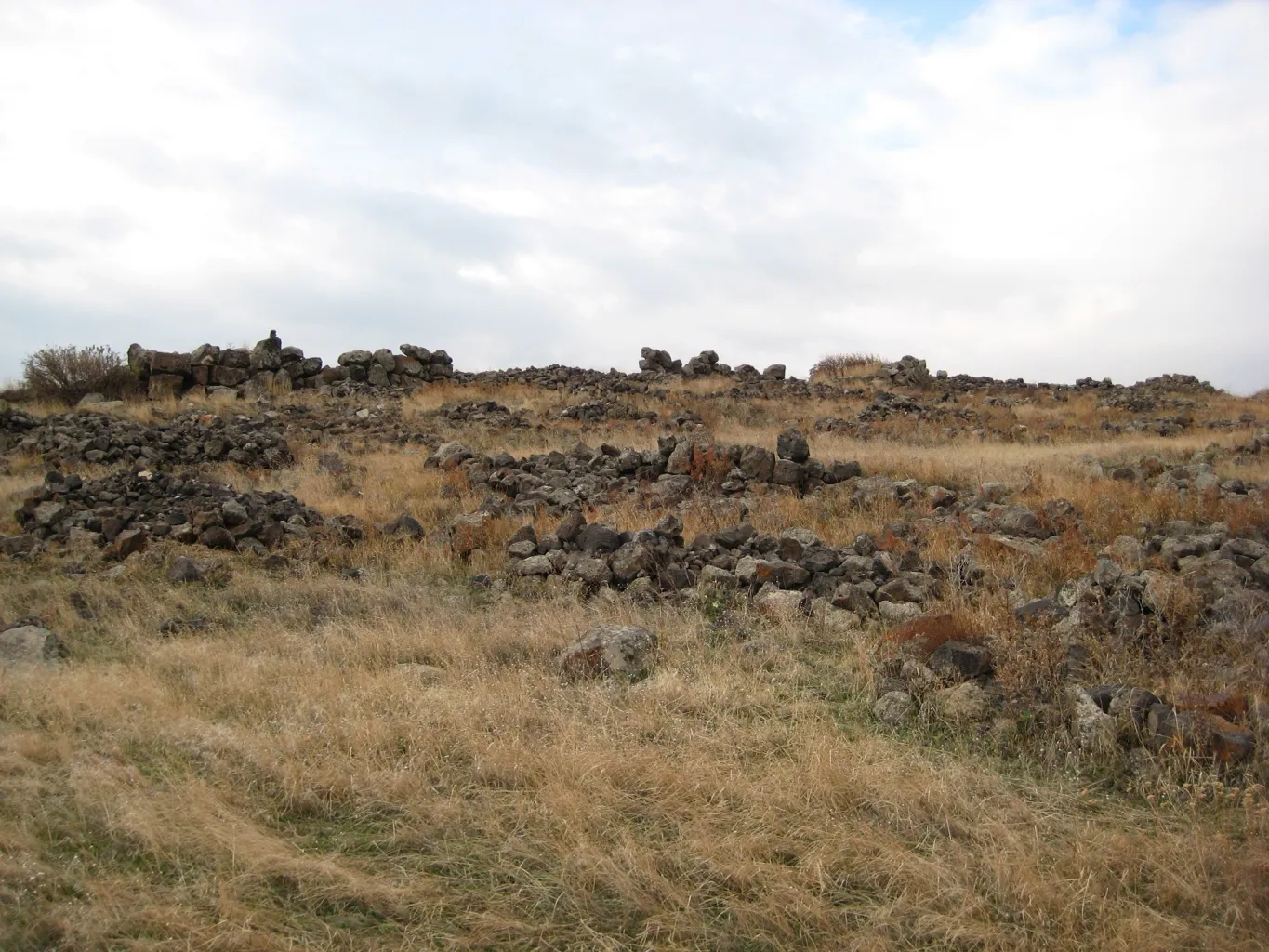
Ushiberd, an ancient fortress located in Armenia, offers a rich tapestry of history and archaeology. This site, dating back to the early medieval period, provides valuable insights into the region’s past.
Historical Context
Ushiberd’s origins trace back to the 5th century AD. During this period, Armenia experienced significant political and cultural changes. The fortress played a crucial role in the defense strategies of local rulers. Its strategic location allowed control over important trade routes and military pathways.
Architectural Features
The architecture of Ushiberd reflects the typical medieval Armenian style. Builders used large, roughly hewn stones to construct the fortress walls. These walls, some of which still stand, demonstrate advanced masonry techniques. The fortress also includes several towers and a central keep, which served as the last line of defense.
Archaeological Discoveries
Excavations at Ushiberd have unearthed various artifacts. These include pottery, tools, and weapons, which provide insights into the daily lives of its inhabitants. Researchers have also found remnants of ancient structures, such as churches and residential buildings. These findings help reconstruct the social and economic aspects of the fortress.
Strategic Importance
Ushiberd’s location on a high plateau made it a formidable defensive site. Its elevation provided a vantage point to monitor and control surrounding areas. This strategic importance made Ushiberd a target for various invading forces throughout history. Despite numerous attacks, the fortress remained a significant stronghold for centuries.
Cultural Significance
Ushiberd holds cultural importance for Armenia. It symbolizes the resilience and ingenuity of the Armenian people. The fortress also serves as a reminder of the region’s turbulent history and the various powers that sought to control it.
Preservation Efforts
Preservation of Ushiberd remains a priority for archaeologists and historians. Efforts focus on stabilizing the existing structures and preventing further decay. These initiatives aim to protect the site for future generations and ensure continued research opportunities.
Conclusion
Ushiberd stands as a testament to Armenia’s rich historical and cultural heritage. Its strategic importance, architectural features, and archaeological findings offer valuable insights into the medieval period. Ongoing preservation efforts will help maintain this significant site for future study and appreciation.
Sources:

Neural Pathways is a collective of seasoned experts and researchers with a profound passion for unraveling the enigmas of ancient history and artifacts. With a wealth of combined experience spanning decades, Neural Pathways has established itself as a leading voice in the realm of archaeological exploration and interpretation.