
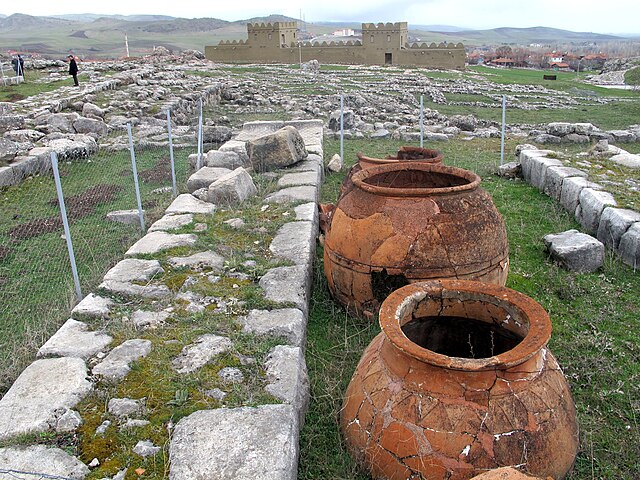
Hattusa, the ancient Hittite capital, sits in modern-day Turkey. This UNESCO World Heritage site echoes the power of a civilization that thrived over 3,000 years ago. Its impressive ruins spread across the landscape, including grand gates, temples, and towering fortifications. Visitors can connect with history by walking the ancient walls and exploring the royal archives. These contain fascinating cuneiform tablets that reveal secrets of the past. Hattusa is not just a testament to the Hittite empire; it forms a bridge between the modern world and ancient societies. Explorers and history buffs will find themselves transported to a time of innovation, conflict, and mythology.
Neural Pathways
Neural Pathways is a collective of seasoned experts and researchers with a profound passion for unraveling the enigmas of ancient history and artifacts. With a wealth of combined experience spanning decades, Neural Pathways has established itself as a leading voice in the realm of archaeological exploration and interpretation.
Our team of researchers and scholars provide unparalleled depth of knowledge in deciphering the intricate narratives embedded within ancient artifacts and deciphering the cultural nuances that shaped civilizations of the past. Through meticulous research, rigorous analysis, and a collaborative spirit, Neural Pathways has made and continues to make significant contributions to our understanding of the human past.
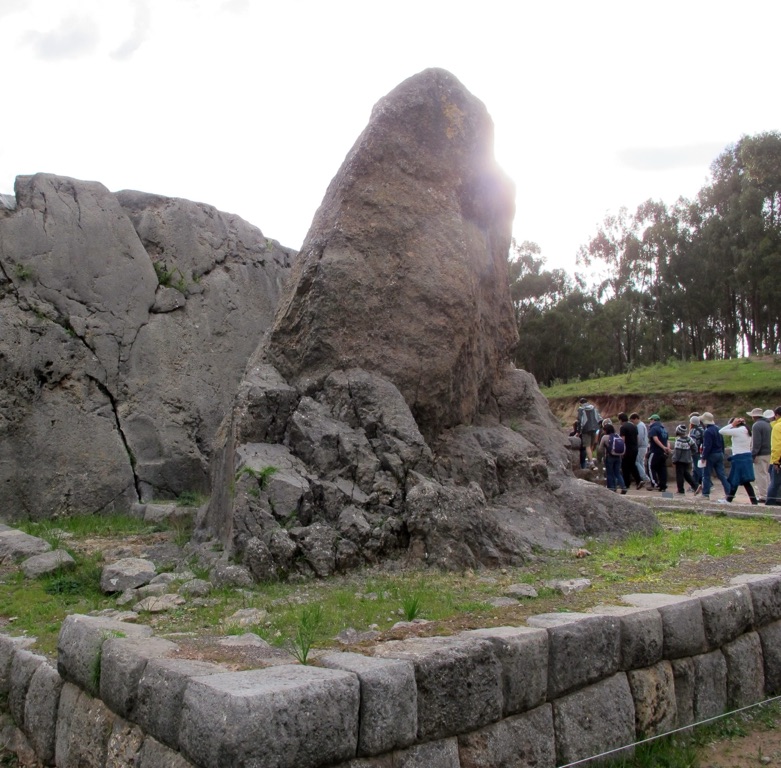
Q’enqo
Q’enqo is a unique archaeological gem located near Cusco, Peru. This ancient Inca site, also known as Kenko, holds a deep cultural significance. As a ceremonial center, Q’enqo was a place where Incas honored the sun, moon, and stars. Its name derives from the Quechua word meaning ‘zigzag,’ possibly due to the labyrinth-like channels carved into its rocks. These channels are thought to have been used for sacred rituals involving the flow of chicha or perhaps blood during sacrifices.
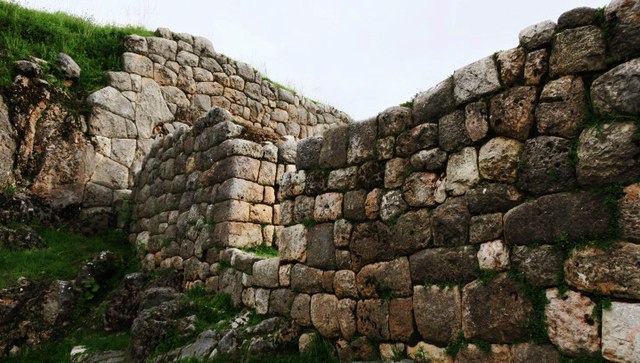
Puca Pucara
Puca Pucara stands out as a captivating historical site near Cusco, Peru. Its name, translating to ‘Red Fortress’, hints at its past military importance. Visitors marvel at the remains of walls, terraces, and staircases. They reflect the strategic design of the Incas. Scholars believe it served as a guard post along the Incan road system. It was a place to rest for travelers and an administrative center. Tales of ceremonial practices also emerge from its storied past. This site provides an invaluable window into ancient Incan civilization.
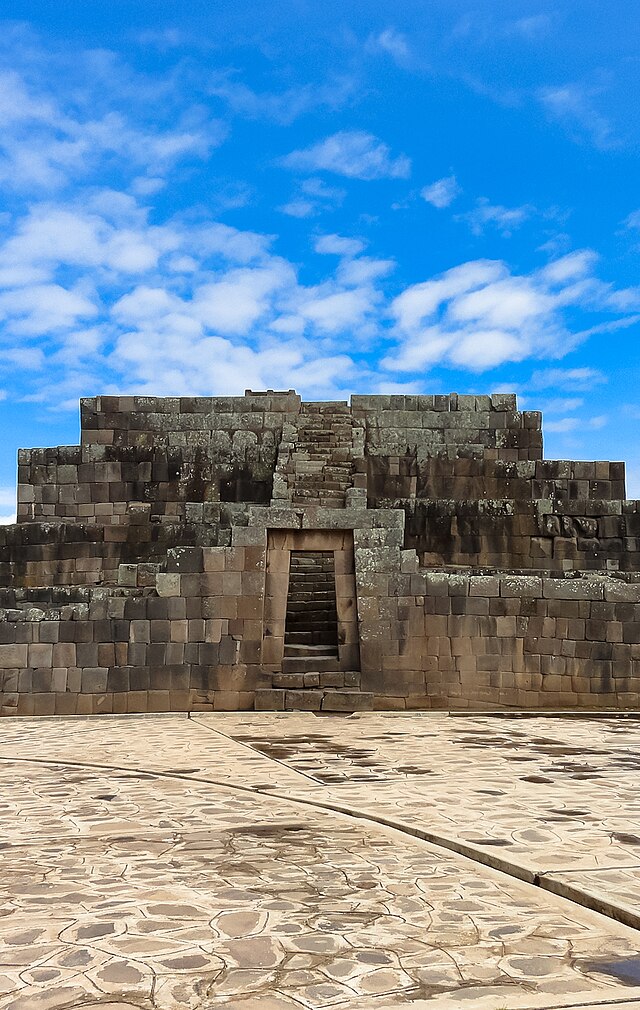
Vilcashuamán
Vilcashuamán, nestled in the Andes, stands out as a testament to Inca engineering and culture. This ancient site once served as an administrative center, showcasing the Inca’s strategic urban planning. Each structure had a purpose, from religious ceremonies to astronomic observation. Today, travelers can marvel at the Temple of the Sun and the ushnu, or ceremonial platform. These remain stark reminders of the Inca’s reverence for nature and their deities. The solid stonework and precise alignment with celestial bodies highlight their mastery over the environment. By exploring Vilcashuamán, we gain insight into the Inca civilization’s advanced societal structure and deep-rooted spirituality.
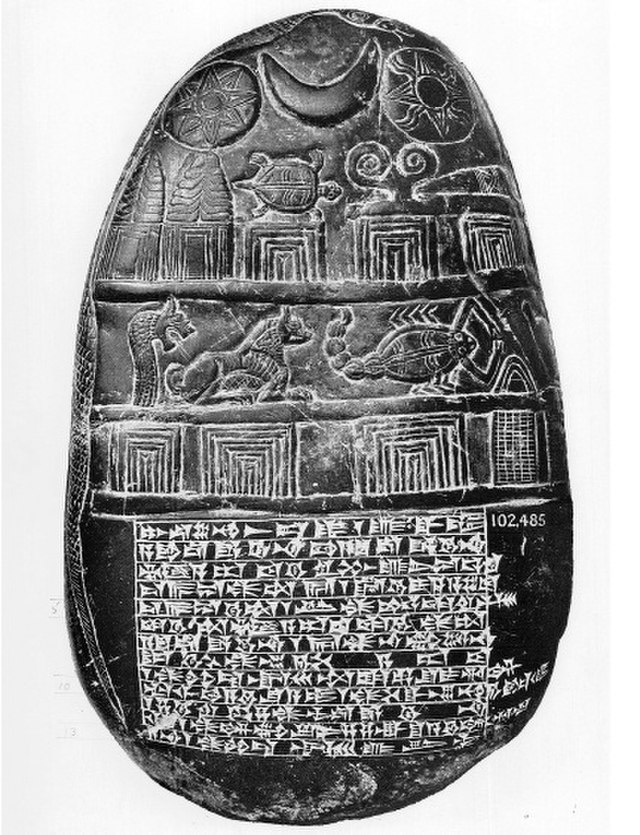
Kudurru Stones
At the crossroads of ancient civilizations, the Kudurru Stones mark a pivotal heritage of Mesopotamian society. They are not just markers of land but also a testament to the sophisticated bureaucracy and laws of the time. Intricately carved with symbols and cuneiform inscriptions, these boundary stones proclaim the power of kings and gods. They served as legal documents, detailing grants of land by the sovereign. By understanding these artifacts, we delve into the depths of ancient land rights and divine intercessions.
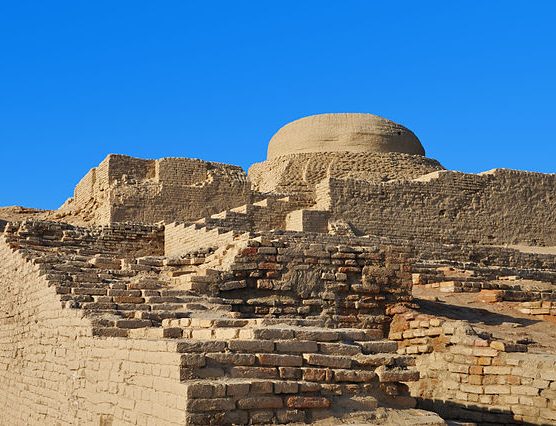
Mohenjo Daro
Unveiling the past, Mohenjo Daro stands as a testament to ancient urban planning and civilization in the Indus Valley. This archaeological marvel was one of the world’s earliest major cities. It thrived around 2600 BCE, well-planned with remarkable drainage systems and baked-brick houses. Explorers today marvel at the Great Bath, a central structure believed to hold religious significance. This once-bustling metropolis offers a unique window into early life, highlighting the ingenuity of its inhabitants.