
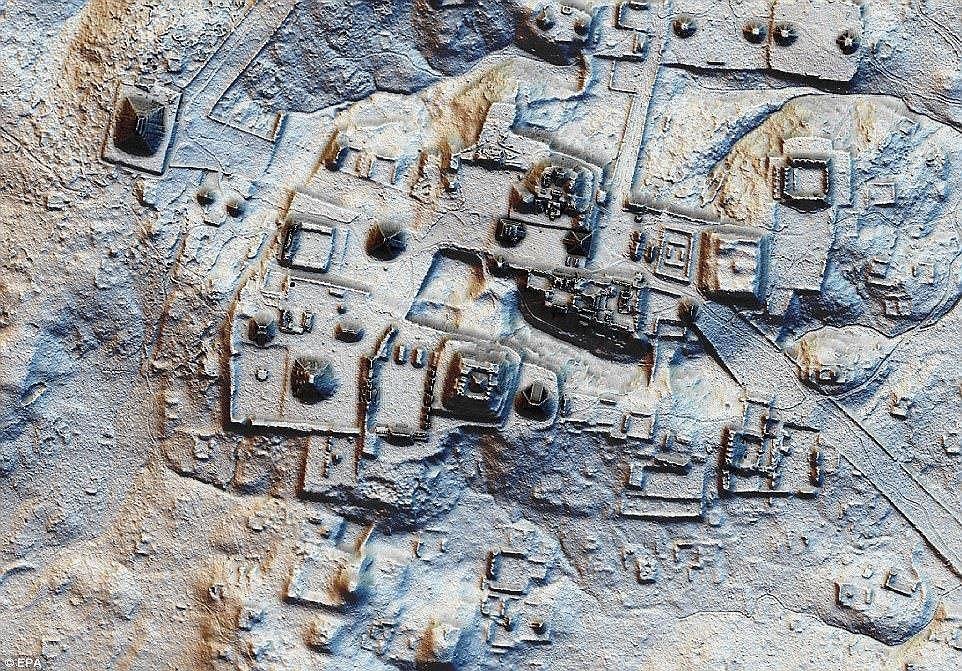
Angamuco, a lost pyramid city in Mexico, unveils a unique chapter in Mesoamerican history. This sprawling metropolis, home to over 40,000 structures, rivals the size of Manhattan. Researchers believe the Purepecha civilization, rivals of the Aztecs, built it around 900 AD. The city’s discovery enlightens us on this complex society’s urban planning and cultural practices. Most notably, Angamuco features a rare orthogonal layout. This indicates advanced knowledge of architectural design and city planning.
Neural Pathways
Neural Pathways is a collective of seasoned experts and researchers with a profound passion for unraveling the enigmas of ancient history and artifacts. With a wealth of combined experience spanning decades, Neural Pathways has established itself as a leading voice in the realm of archaeological exploration and interpretation.
Our team of researchers and scholars provide unparalleled depth of knowledge in deciphering the intricate narratives embedded within ancient artifacts and deciphering the cultural nuances that shaped civilizations of the past. Through meticulous research, rigorous analysis, and a collaborative spirit, Neural Pathways has made and continues to make significant contributions to our understanding of the human past.
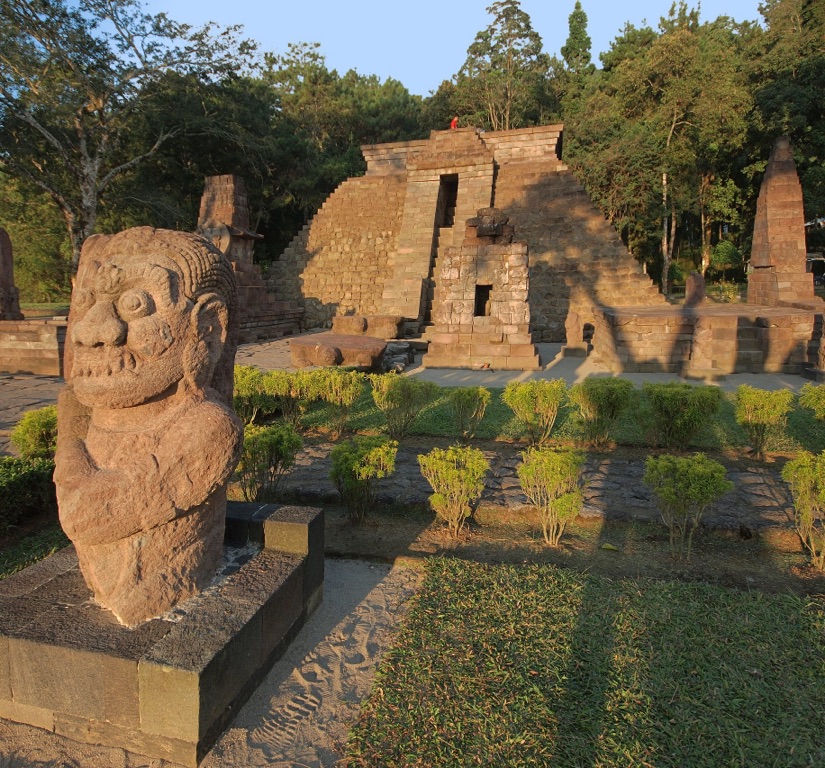
Candi Sukuh Pyramid
Step into the enigmatic realms of Candi Sukuh, a unique Hindu temple situated on the slopes of Mount Lawu in Central Java, Indonesia. This fascinating monument stands out for its pyramidal structure, reminiscent of ancient Latin American architecture. Unlike the typical sharp spires of Javanese temples, Candi Sukuh’s truncated form and unmistakable themes of life and fertility offer a glimpse into a distinctive blend of Indonesian and ancient animist beliefs. Visitors are greeted by a series of reliefs and statues that depict various symbols and rituals, possibly linked to pre-Hinduism practices, making it a treasured asset for cultural aficionados and historians alike.
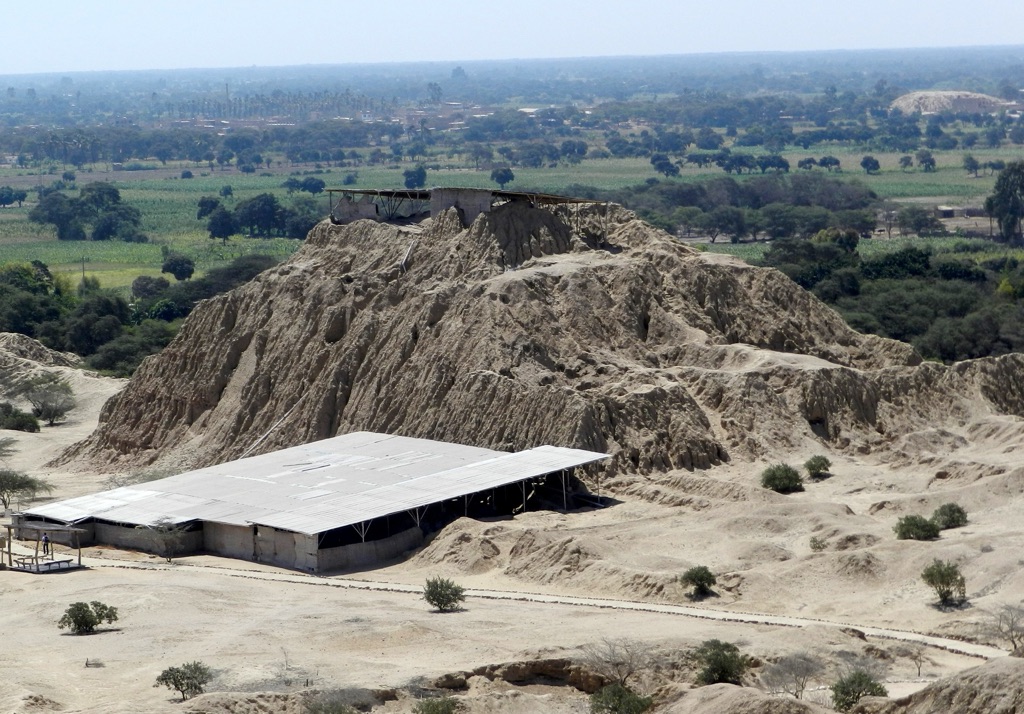
Tucume Pyramids
The Tucume Pyramids stand as a testament to the Lambayeque culture’s architectural prowess. Nestled in the arid landscape of northern Peru, this ancient site spans over 220 hectares. It’s home to 26 major pyramids and mounds. The main pyramid, Huaca Larga, is one of the largest monuments of its kind in South America. Visitors can explore the complex network of platforms, plazas, and intricate adobe friezes. These reveal tales of a civilization that thrived from about AD 1000 until the Inca conquest.
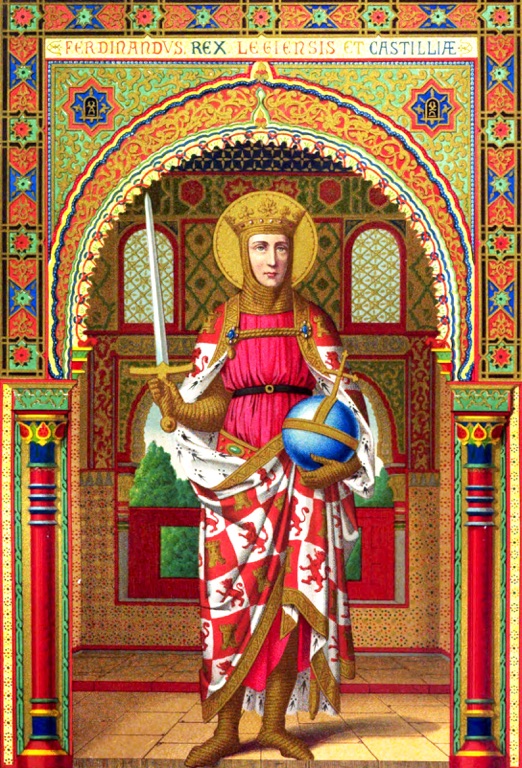
Tracing the Transformation of Europe During the Medieval Era
The Middle Ages paints a picture of Europe between two significant periods in history. During the medieval period, European life went through profound transformations. Some call this era the Dark Ages due to the perceived lack of progress.
Yet, during the Middle Ages, seeds of change were sown. This time ushered in new art, culture, and knowledge. These elements set the stage for the Renaissance.
Many find the term ‘dark ages’ misleading now. It does not represent the era’s complexities and achievements. The medieval times spanned from the 5th to the 15th century. It encompassed a vast timeline that bridged ancient and modern history.
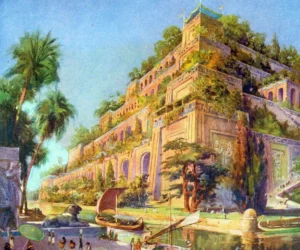
The Hanging Gardens of Babylon
The Hanging Gardens of Babylon stand as one of the Seven Wonders of the Ancient World, yet their existence remains shrouded in mystery. Accounts describe these gardens as a feat of engineering, with lush vegetation cascading from terraces constructed high above the ground. They symbolized the might and innovation of Babylon and King Nebuchadnezzar II, who purportedly built the gardens to assuage his wife’s longing for the green hills and valleys of her homeland. However, the lack of concrete archaeological evidence and contemporaneous records has led scholars to speculate about their actual presence. Some suggest they were purely mythical or located elsewhere. Despite the unknowns, the image of the Hanging Gardens continues to capture people’s imagination and represents the splendor of ancient civilizations.
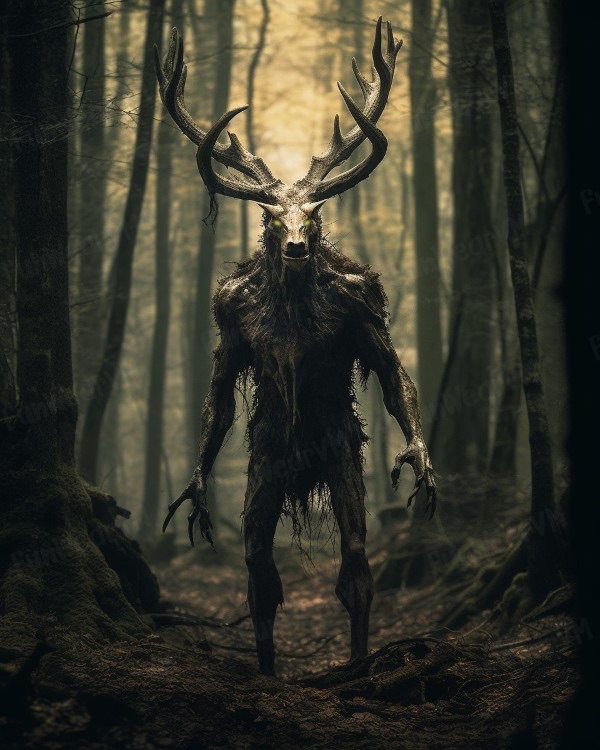
The Wendigo: Unraveling the Legend of the Insatiable Monster
The Wendigo stands at the intersection of myth and caution, a dark blend of human fear and cultural lore. The wendigo, a scary creature, has scared people in North American forests, especially the Algonquian peoples, through stories and the unknown. The wendigo monster, often associated with winter, cold, and famine, embodies insatiable greed and the dangers of overindulgence.
This story is now part of modern horror. However, it originally came from Indigenous beliefs. It teaches lessons that last for many generations.