
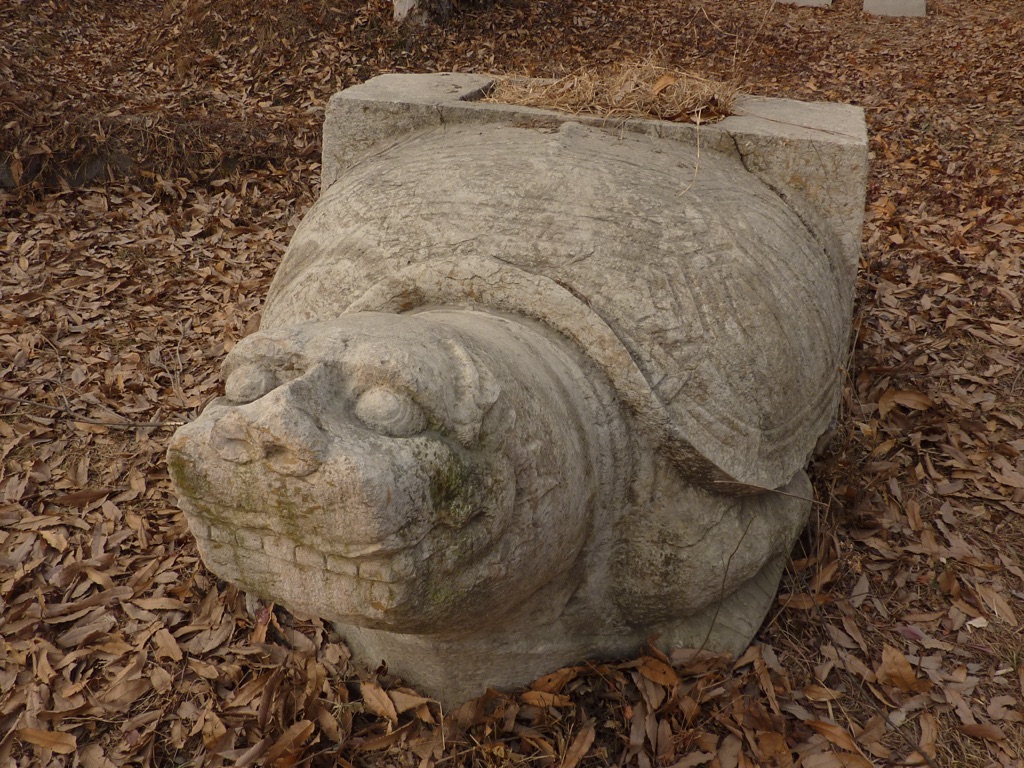
The Chinese Bixi, part of the fascinating realm of Chinese mythology and art, are monumental stone sculptures depicting tortoises carrying steles (stone or wooden slabs, often inscribed) on their backs. These creatures are among the Nine Sons of the Dragon, each with its own unique characteristics and roles within Chinese cultural symbolism. The Bixi, known for its strength and endurance, became a popular motif for memorializing important texts, edicts, and commemorations in stone, serving both a practical function in preserving these documents and a symbolic one in representing longevity and stability.
Neural Pathways
Neural Pathways is a collective of seasoned experts and researchers with a profound passion for unraveling the enigmas of ancient history and artifacts. With a wealth of combined experience spanning decades, Neural Pathways has established itself as a leading voice in the realm of archaeological exploration and interpretation.
Our team of researchers and scholars provide unparalleled depth of knowledge in deciphering the intricate narratives embedded within ancient artifacts and deciphering the cultural nuances that shaped civilizations of the past. Through meticulous research, rigorous analysis, and a collaborative spirit, Neural Pathways has made and continues to make significant contributions to our understanding of the human past.
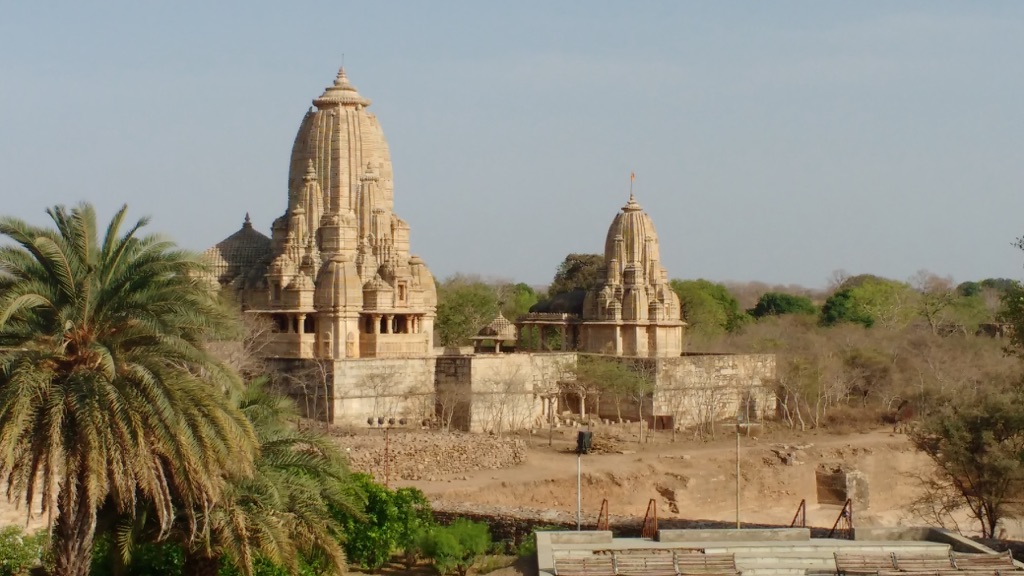
Chittorgarh Fort Rajasthan
Chittorgarh Fort, located in Rajasthan, India, stands as an enduring symbol of Rajput valor and resistance. Perched atop a hill, it overlooks the plains of the Berach River. This majestic fort is a testament to the rich history of India, with its origins tracing back to the 7th century AD. It has witnessed numerous battles and has been a site of significant historical events, including the famous sieges by Alauddin Khalji and Akbar. The fort is not only an architectural marvel but also a repository of legends and tales of heroism and sacrifice, making it a significant cultural and historical site.
The Tunjo Figurines
The Muisca people, an indigenous civilization that thrived in the Altiplano Cundiboyacense region of modern-day Colombia, have left behind a remarkable legacy through the Tunjo figurines. These small, intricately designed metal figures, often crafted from gold or a gold alloy, are not merely artifacts; they are windows into the religious practices, social structures, and artistic achievements of a civilization that flourished before the Spanish conquest. This article aims to explore the significance of the Tunjo figurines in understanding the Muisca civilization, their religious beliefs, and their advanced metallurgical skills.
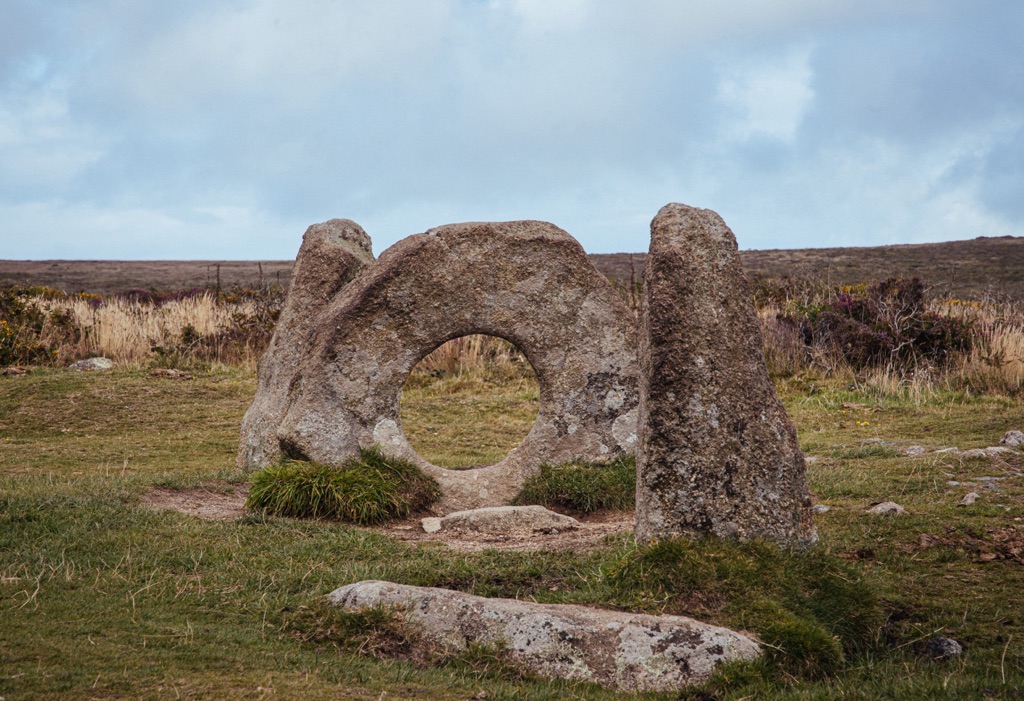
Mên-an-Tol England
The Mên-an-Tol in England is a small formation of standing stones located in Cornwall. Known for its iconic circular holed stone, it has intrigued visitors and researchers alike. The site’s purpose remains a mystery, but it’s believed to date back to the Neolithic or Bronze Age. The Mên-an-Tol stands as a testament to the region’s rich prehistoric past and continues to be a subject of folklore and archaeological interest.
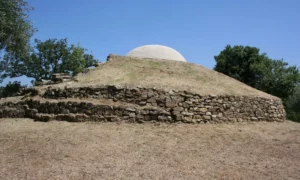
Vetulonia necropoli
The Vetulonia necropolis stands as a testament to the grandeur of the Etruscan civilization. This ancient site, located in Tuscany, Italy, is a complex of tombs and burial mounds. It offers a window into the rituals and social structures of a people who thrived before the rise of Rome. The necropolis, with its elaborate tombs, showcases the Etruscans’ sophisticated craftsmanship and their beliefs in the afterlife.
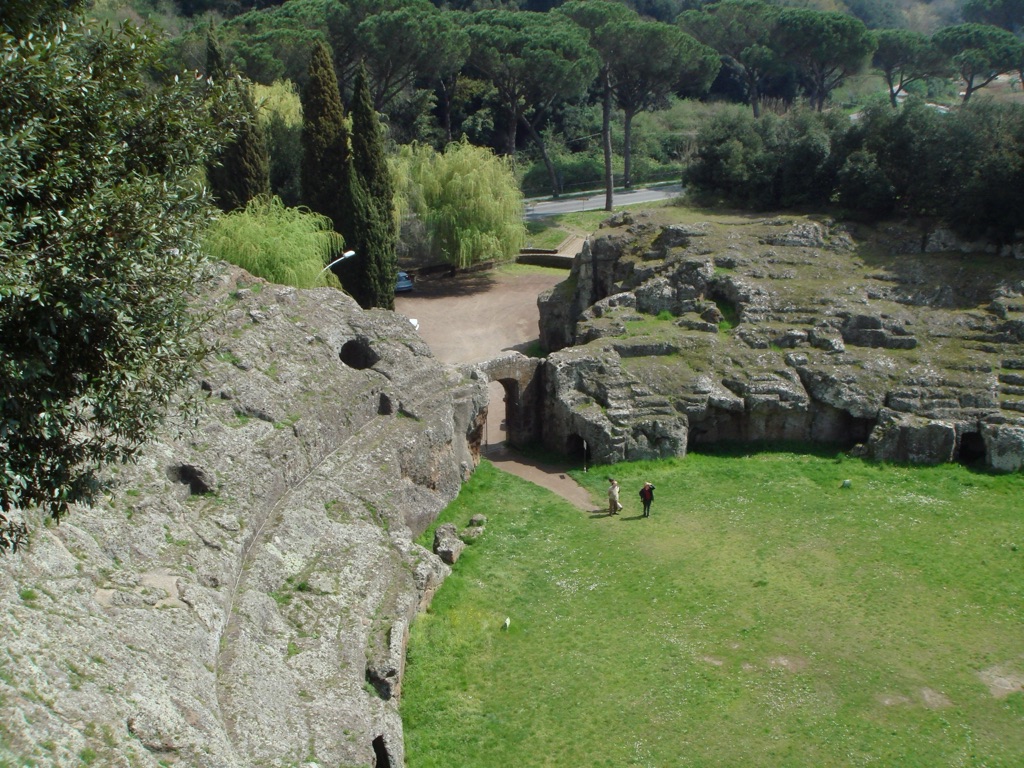
Ancient Roman Amphitheater in Sutri
The Ancient Roman Amphitheater in Sutri is a remarkable archaeological site in Italy. Carved out of tufa rock, it dates back to the 1st century AD. This amphitheater is a testament to the engineering prowess of the ancient Romans. It served as a venue for gladiatorial games and public spectacles. Over time, it has witnessed various historical phases, including a transformation into a medieval fortress. Today, it stands as a significant cultural and historical landmark, attracting scholars and tourists alike.