
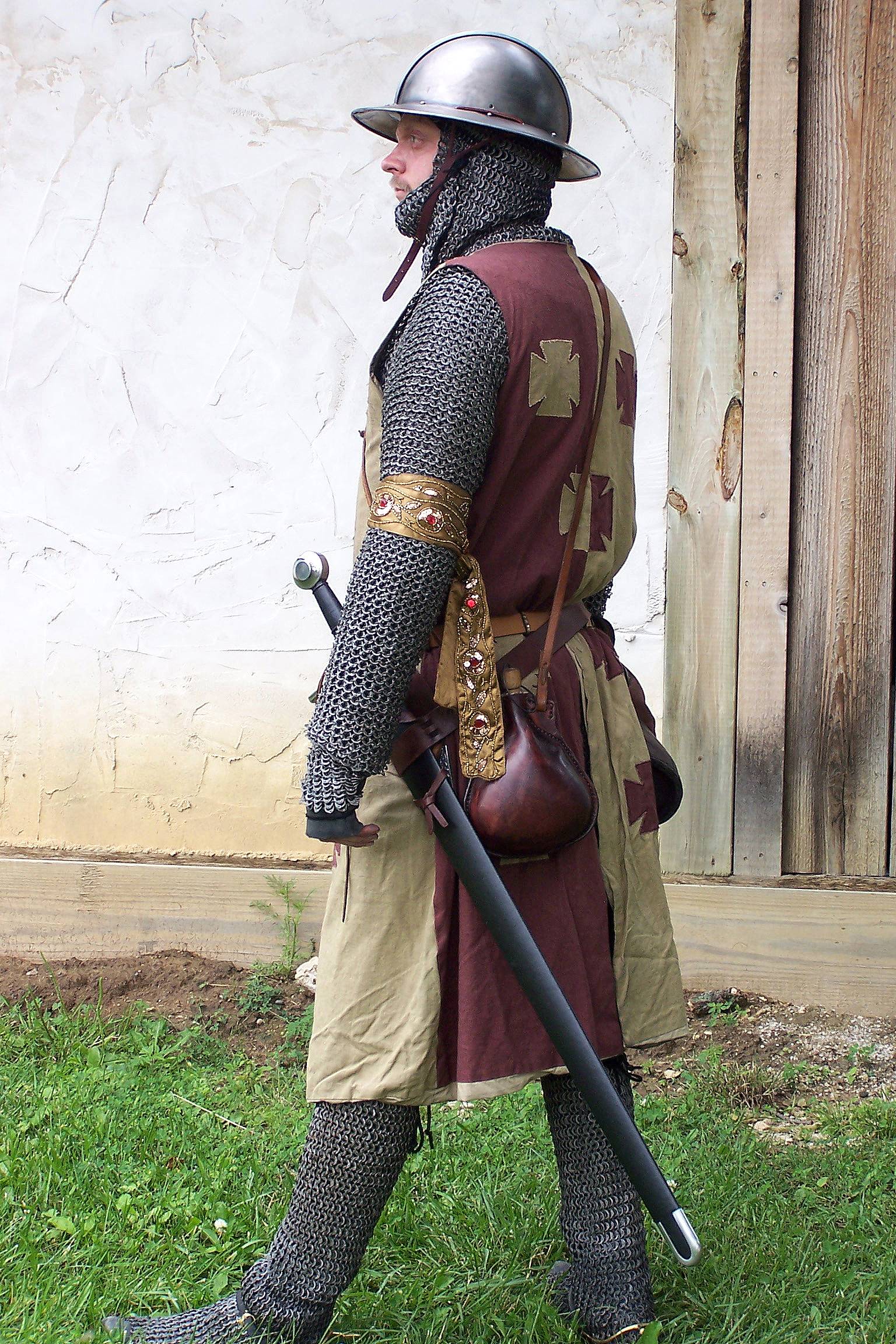
The Crusades, spanning from the late 11th to the late 13th centuries, were a series of religious wars sanctioned by the Latin Church in the medieval period. These historical events have captivated the imagination of many, not only for their religious and military significance but also for the evolution of warfare technology they witnessed, particularly in the realm of armor. The Crusader armor, emblematic of these tumultuous times, offers a fascinating glimpse into the medieval knight’s life, the technological advancements of the period, and the cultural exchanges that occurred through these conflicts.
Neural Pathways
Neural Pathways is a collective of seasoned experts and researchers with a profound passion for unraveling the enigmas of ancient history and artifacts. With a wealth of combined experience spanning decades, Neural Pathways has established itself as a leading voice in the realm of archaeological exploration and interpretation.
Our team of researchers and scholars provide unparalleled depth of knowledge in deciphering the intricate narratives embedded within ancient artifacts and deciphering the cultural nuances that shaped civilizations of the past. Through meticulous research, rigorous analysis, and a collaborative spirit, Neural Pathways has made and continues to make significant contributions to our understanding of the human past.
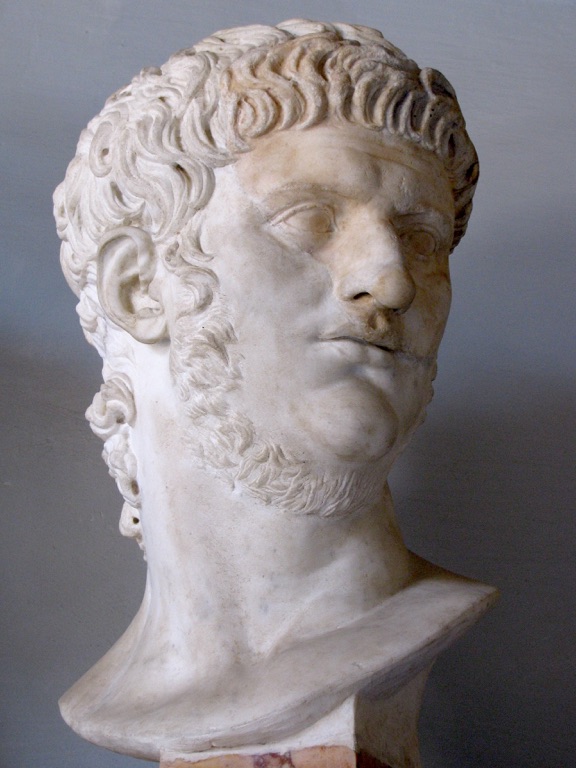
Nero
Nero Claudius Caesar Augustus Germanicus, born Lucius Domitius Ahenobarbus on 15 December AD 37, ascended to the Roman throne as the final emperor of the Julio-Claudian dynasty. His reign, from AD 54 until his death in AD 68, was marked by significant cultural contributions as well as political and social turmoil.
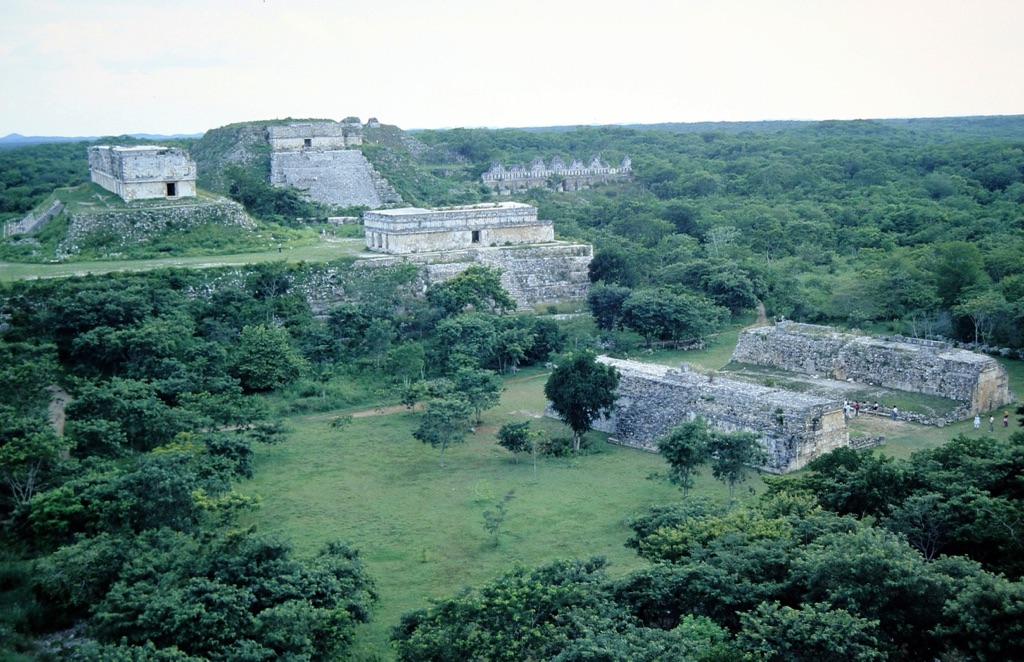
Uxmal
Uxmal, an ancient Maya city of the classical period, stands as a monumental testament to the architectural and cultural achievements of the Maya civilization. Located in present-day Mexico, specifically 62 km south of Mérida in the Yucatán state, Uxmal is recognized as one of the most significant archaeological sites of Maya culture. This recognition is shared with other notable sites such as Palenque, Chichen Itza, and Calakmul in Mexico, as well as Caracol and Xunantunich in Belize, and Tikal in Guatemala. The city’s architectural prowess and historical significance have earned it a designation as a UNESCO World Heritage Site.
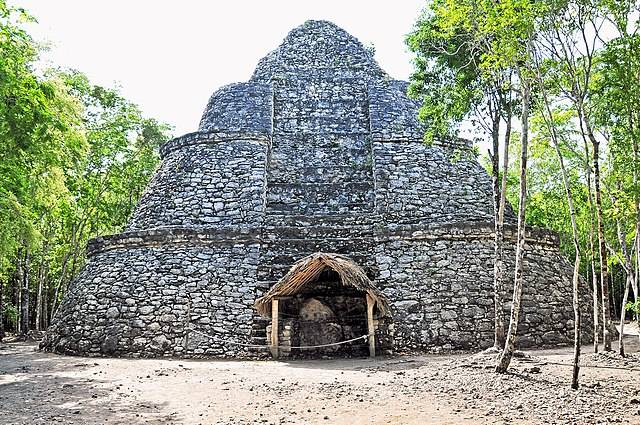
Cobá
Cobá, an ancient Maya city located on the Yucatán Peninsula within the Mexican state of Quintana Roo, stands as a significant archaeological site that offers profound insights into the ceremonial life and pivotal events of the Late Classic Period (AD 600–900) of Mesoamerican civilization. This city is distinguished by its extensive network of stone causeways, known as sacbeob, and its collection of engraved and sculpted stelae that document the rich ceremonial life and significant historical events of its time.
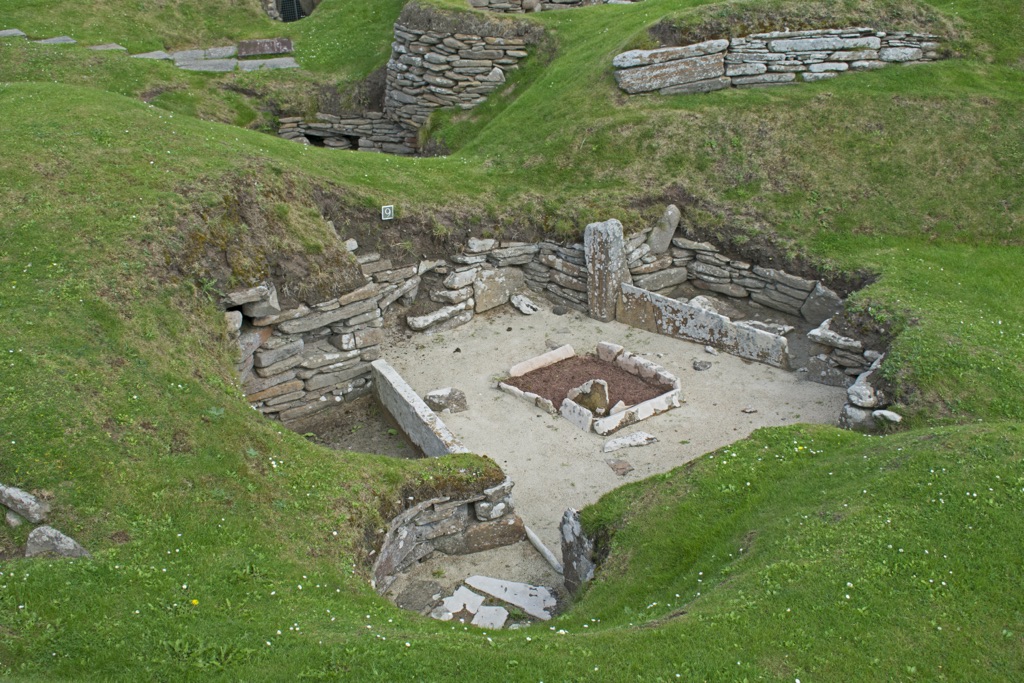
Skara Brae
Skara Brae stands as a testament to the ingenuity and lifestyle of Neolithic people, predating both Stonehenge and the Egyptian pyramids. Discovered in 1850 after a storm exposed its structures on the Bay of Skaill, Orkney, this site offers unparalleled insights into prehistoric life. Its significance was recognized globally when it was inscribed as part of the Heart of Neolithic Orkney World Heritage Site by UNESCO in 1999.
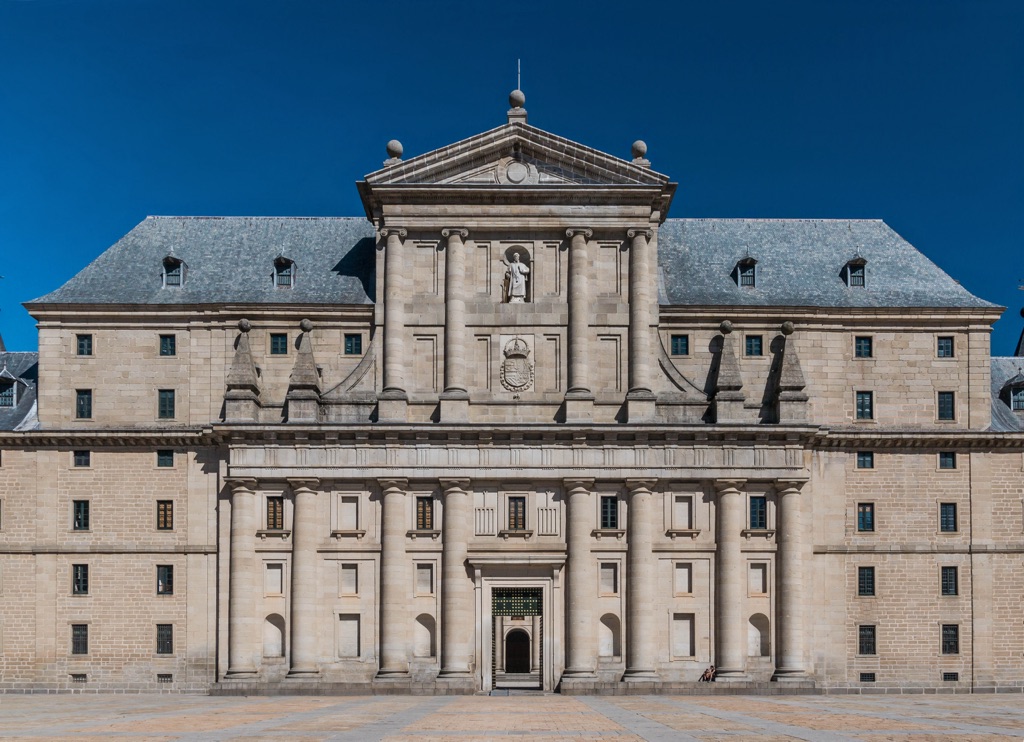
El Escorial
El Escorial, officially known as the Royal Site of San Lorenzo de El Escorial, stands as a historical testament to the grandeur of Spain’s past. Located in the town of San Lorenzo de El Escorial, approximately 45 kilometers northwest of Madrid, this expansive complex was constructed between 1563 and 1584 under the reign of King Philip II. As the largest Renaissance building in the world, El Escorial embodies the architectural and cultural zenith of the Spanish Empire, serving multiple functions as a monastery, basilica, royal palace, pantheon, library, museum, university, school, and hospital.