
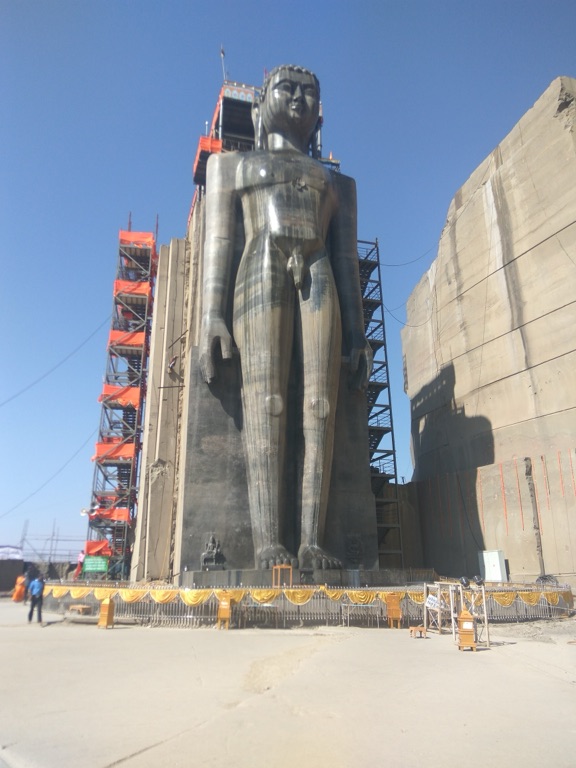
The Statue of Ahimsa, located at Mangi-Tungi, Nashik, Maharashtra, stands as a testament to the spiritual and artistic aspirations of the Jain community. This colossal statue, dedicated to the first Jain Tirthankara, Rishabhanatha, is recognized by the Guinness World Records as the tallest Jain statue in the world. The statue, including its pedestal, reaches a height of 121 feet (37 m), with the figure itself measuring 108 feet (33 m). Carved directly out of the sacred Mangi-Tungi hills, this monumental sculpture not only represents a significant religious icon but also a remarkable feat of engineering and artistry.
Neural Pathways
Neural Pathways is a collective of seasoned experts and researchers with a profound passion for unraveling the enigmas of ancient history and artifacts. With a wealth of combined experience spanning decades, Neural Pathways has established itself as a leading voice in the realm of archaeological exploration and interpretation.
Our team of researchers and scholars provide unparalleled depth of knowledge in deciphering the intricate narratives embedded within ancient artifacts and deciphering the cultural nuances that shaped civilizations of the past. Through meticulous research, rigorous analysis, and a collaborative spirit, Neural Pathways has made and continues to make significant contributions to our understanding of the human past.
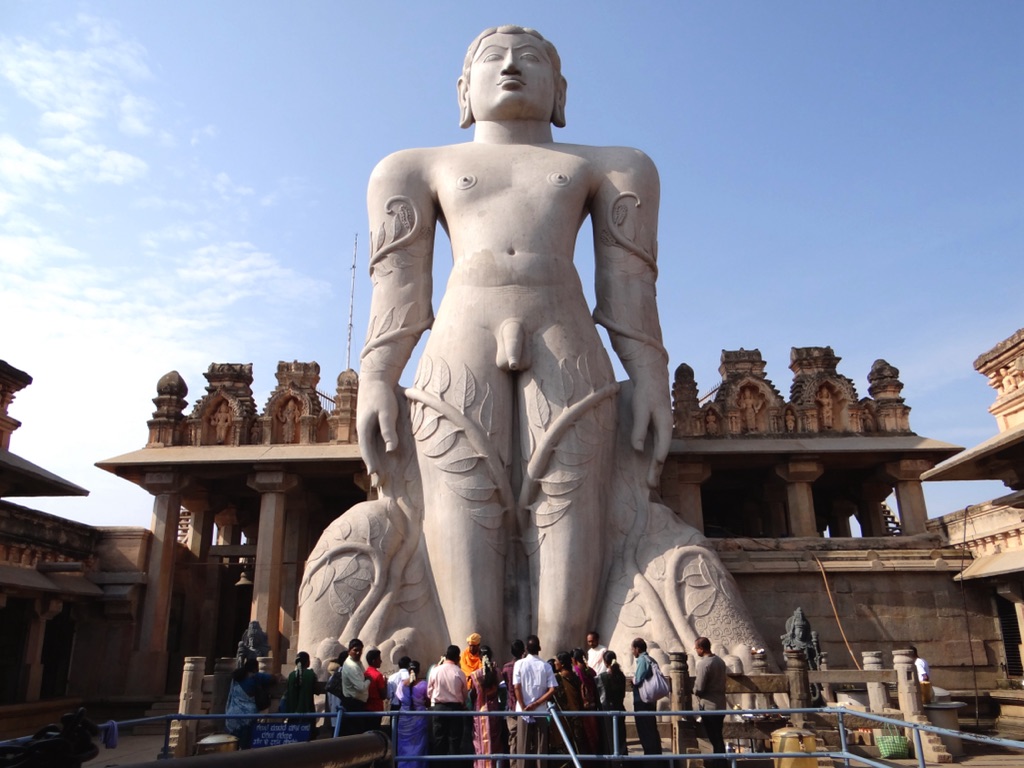
Gommateshwara statue
The Gommateshwara statue stands as a monumental testament to the Jain religion and its values. Located on Vindhyagiri Hill in Shravanbelagola, Karnataka, India, this 57-foot (17 m) high monolithic statue is carved from a single block of granite, making it one of the tallest monolithic statues from the ancient world. The statue is dedicated to Bahubali, a revered figure in Jainism, and symbolizes the Jain ideals of peace, non-violence, sacrifice, and simple living.
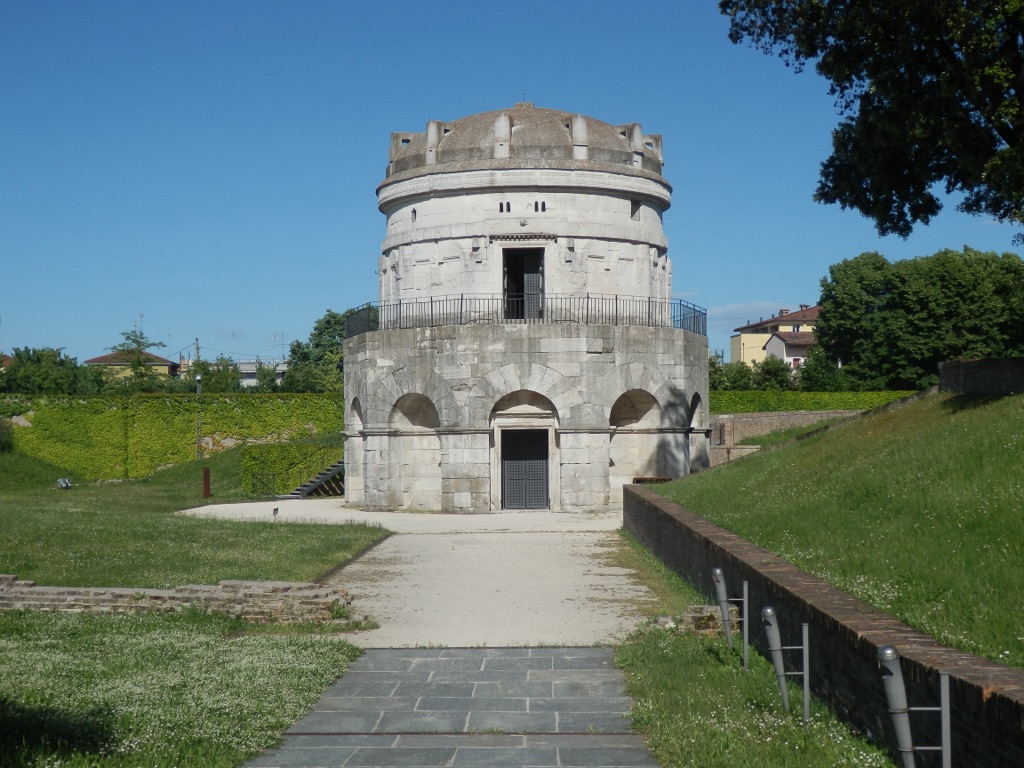
Mausoleum of Theodoric
The Mausoleum of Theodoric is a remarkable architectural feat from the early 6th century. It stands as a testament to the Ostrogothic King Theodoric the Great. Located in Ravenna, Italy, this structure is unique for its combination of Roman and Gothic elements. The mausoleum is particularly famous for its massive roof stone, which is a single piece of Istrian limestone weighing around 230 tons. It has been a UNESCO World Heritage Site since 1996, reflecting its historical and architectural significance.
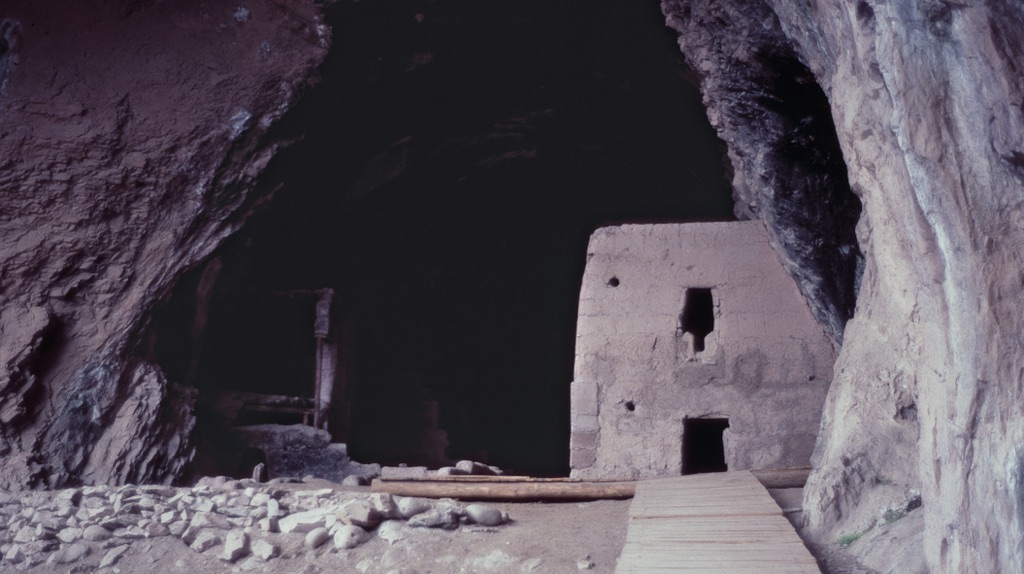
Huápoca
Huápoca, an archaeological site of considerable importance, is situated 36 kilometers west of Ciudad Madera, within the Huápoca Canyon area in the northwest of Chihuahua, Mexico. This region is renowned for its rich archaeological heritage, featuring approximately 150 sites scattered across its cliffs, many of which are in various states of preservation. Despite some suffering from neglect and vandalism, these sites offer invaluable insights into the ancient cultures of the area.
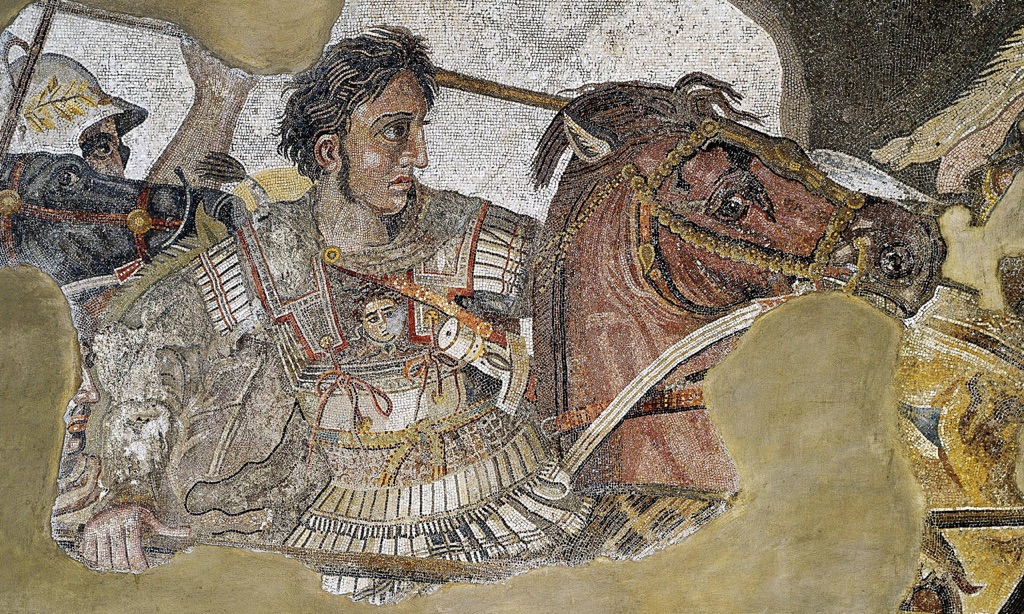
FAQ: Alexander the Great
Alexander the Great, a name that resonates through history as a symbol of conquest and strategy, continues to fascinate historians, scholars, and the general public alike. His life, filled with remarkable achievements and surrounded by intriguing myths, raises numerous questions. In this blog post, we’ll delve into some of the most frequently asked questions about Alexander the Great, aiming to separate fact from fiction and shed light on the life of this legendary figure.
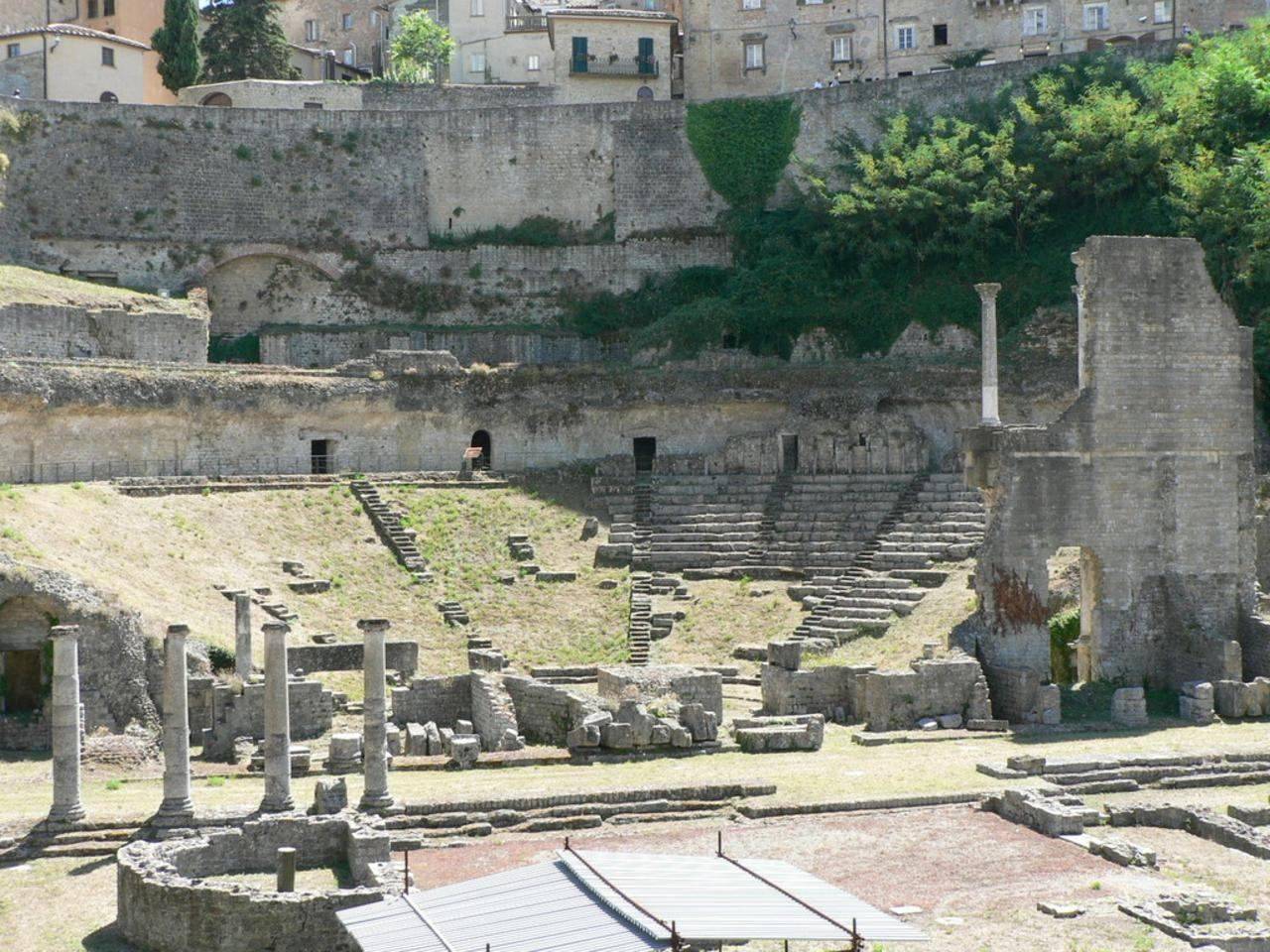
Volterra Roman Theatre
The Roman theatre of Volterra, a significant archaeological find, was unearthed in the 1950s during excavations led by Enrico Fiumi. Situated just outside the Porta Fiorentina in Vallebuona, this theatre stands as one of Italy’s most well-preserved Roman theatres.