
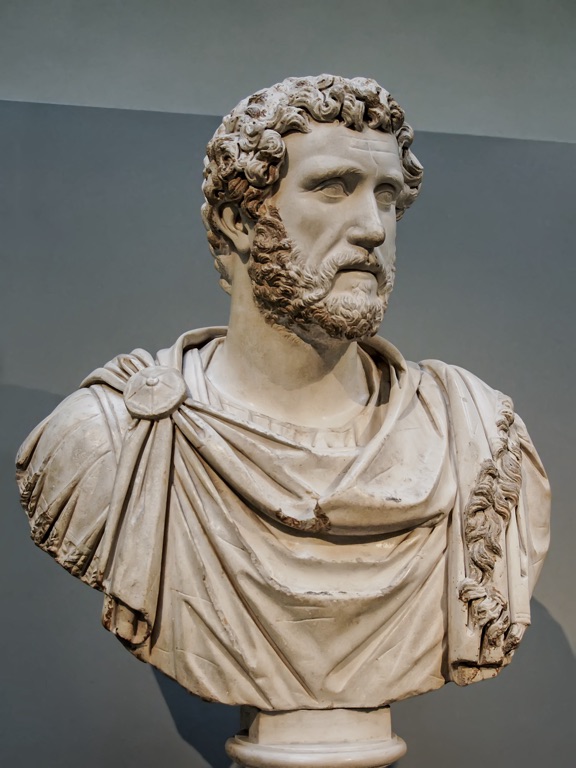
Marcus Aurelius Antoninus, born on 26 April 121 AD, reigned as Roman Emperor from 161 to 180 AD. His tenure marked the end of the Pax Romana, an era of relative peace and stability for the Roman Empire that had persisted since 27 BC. A member of the Nerva-Antonine dynasty, he was the last of the rulers traditionally known as the Five Good Emperors. Marcus Aurelius is also celebrated for his contributions to Stoic philosophy, notably through his work “Meditations”.
Neural Pathways
Neural Pathways is a collective of seasoned experts and researchers with a profound passion for unraveling the enigmas of ancient history and artifacts. With a wealth of combined experience spanning decades, Neural Pathways has established itself as a leading voice in the realm of archaeological exploration and interpretation.
Our team of researchers and scholars provide unparalleled depth of knowledge in deciphering the intricate narratives embedded within ancient artifacts and deciphering the cultural nuances that shaped civilizations of the past. Through meticulous research, rigorous analysis, and a collaborative spirit, Neural Pathways has made and continues to make significant contributions to our understanding of the human past.
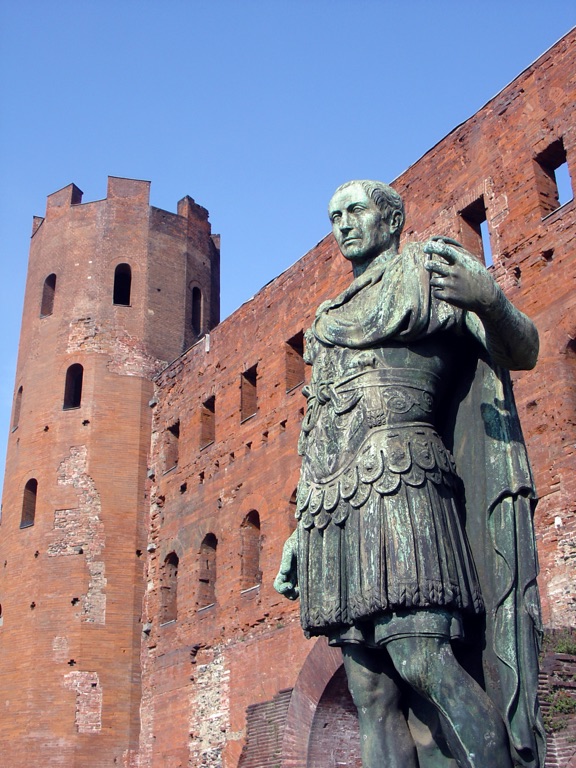
Julius Caesar
Gaius Julius Caesar was born into the patrician gens Julia on 12 July 100 BC. Despite their ancient lineage, the Julii Caesares were not particularly influential in Roman politics during the middle republic. Caesar’s early career was marked by a series of ambitious military and political maneuvers. His marriage to Cornelia, the daughter of Cinna, aligned him with the Populares faction. Following the death of his father in 84 BC, Caesar’s refusal to divorce Cornelia at Sulla’s command marked the beginning of his defiance against the established order.
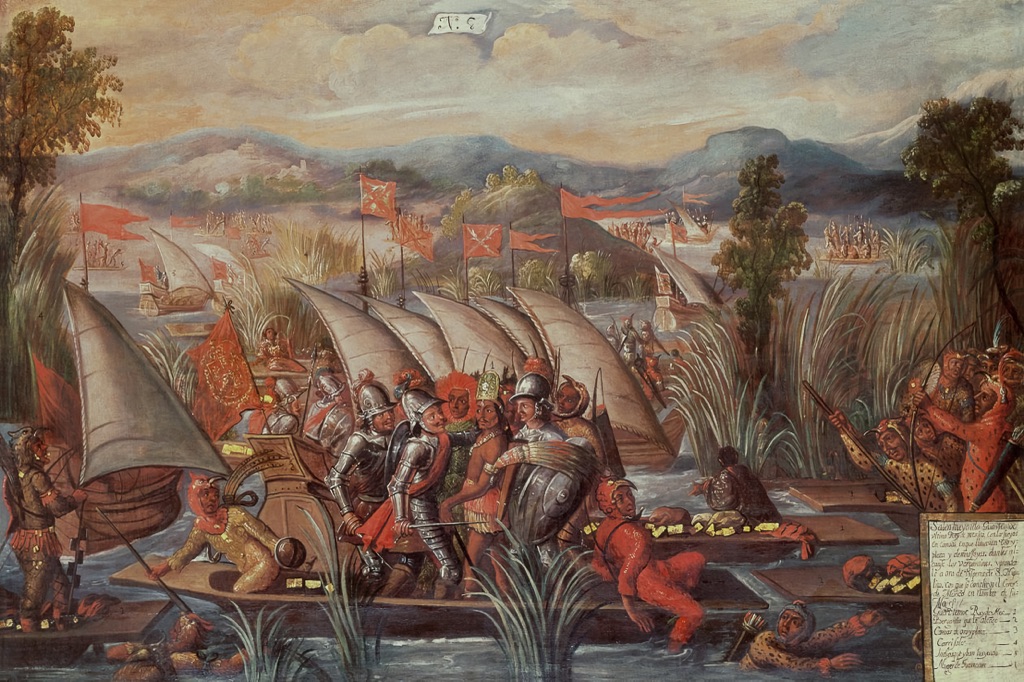
Cuauhtémoc
Cuauhtémoc, also known as Cuauhtemotzín, Guatimozín, or Guatémoc, was the final Aztec Emperor, ruling Tenochtitlan from 1520 to 1521 AD. His name, meaning “one who has descended like an eagle,” symbolizes aggressiveness and determination, qualities that defined his brief but significant reign.
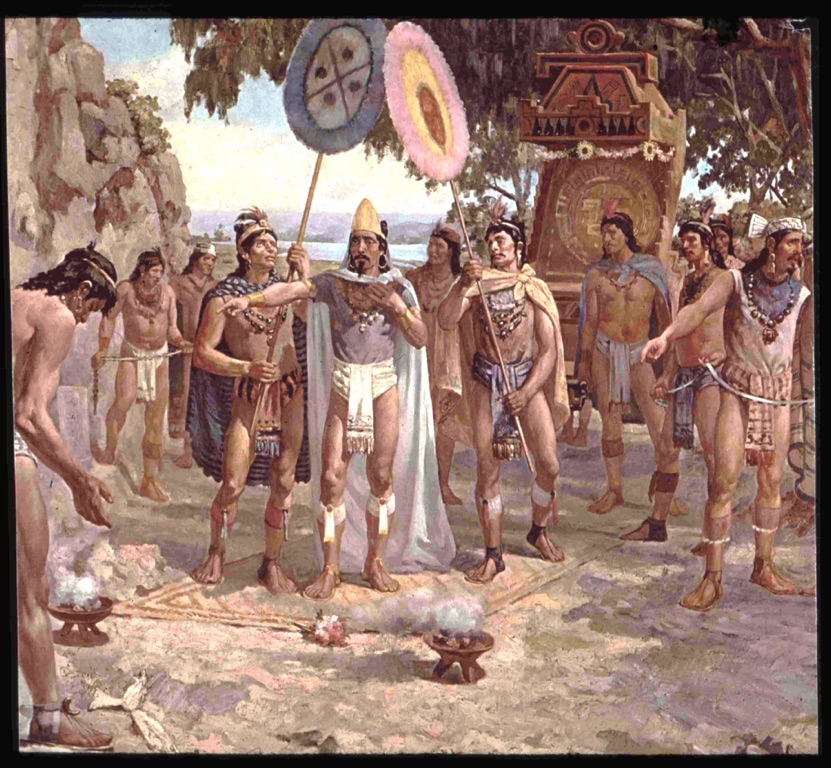
Montezuma II
Moctezuma II, also known as Motecuhzoma Xocoyotzin, was the ninth Emperor of the Aztec Empire, reigning from 1502 or 1503 until his death in 1520. His reign marked the zenith of Aztec power, territorial expansion, and ultimately, the initial stages of the empire’s downfall with the arrival of Spanish conquistadors led by Hernán Cortés. Moctezuma II’s legacy is complex, shaped by his efforts to maintain the integrity of his empire amidst internal divisions and the unprecedented challenge posed by the Spanish invasion.
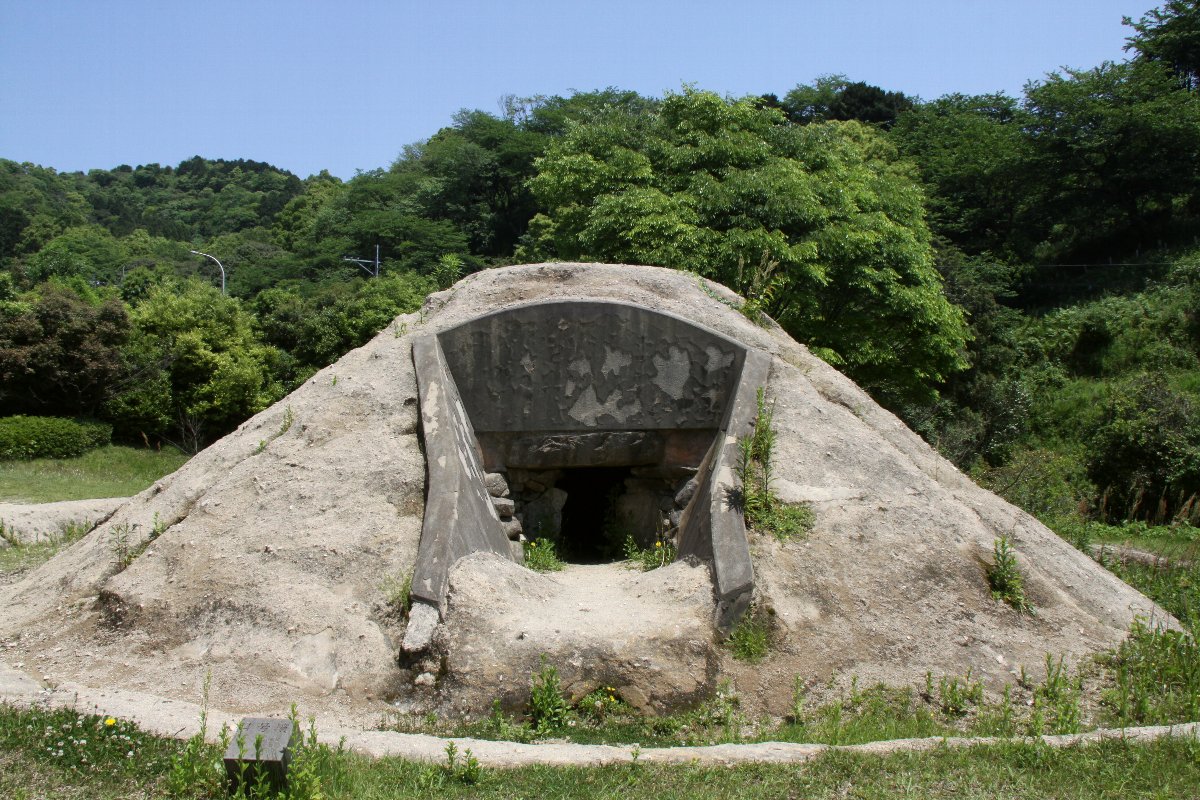
Kuboizumi Maruyama
The Kuboizumi Maruyama ruins, situated in Saga City, represent a significant archaeological site that offers invaluable insights into Japan’s ancient history. This complex encompasses a group of 118 dolmens from the late Jomon period to the early Yayoi period, alongside 12 ancient tombs dating from the 5th to 6th centuries AD. Originally located in Kawakubo, Kuboizumi-cho, the ruins were relocated to their current site due to the construction of the Nagasaki Expressway between January 1982 and March 1983.
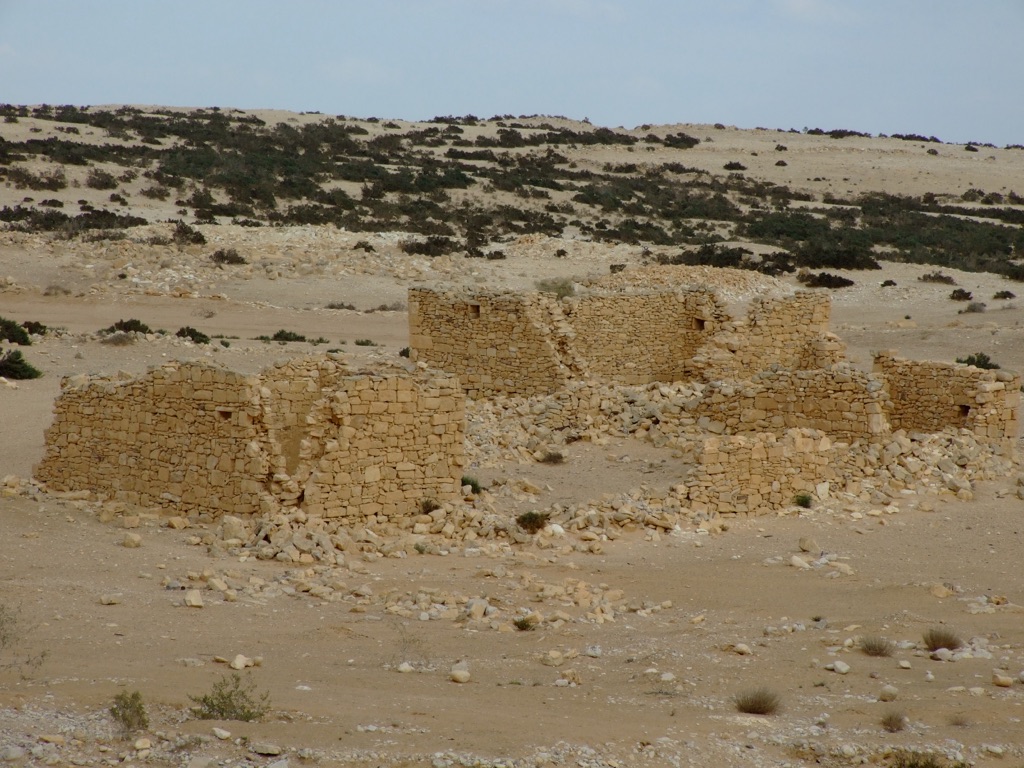
Elusa (Haluza)
Elusa, known in various historical periods by names such as Halasa, Chellous, and al-Khalūṣ, stands as a testament to the rich and complex history of the Negev desert. This ancient city, located near present-day Kibbutz Mash’abei Sadeh, was a crucial node on the Nabataean Incense Route, facilitating trade from Petra to Gaza. Its historical significance has been recognized by UNESCO, which declared Haluza a World Heritage Site alongside Mamshit, Avdat, and Shivta.