
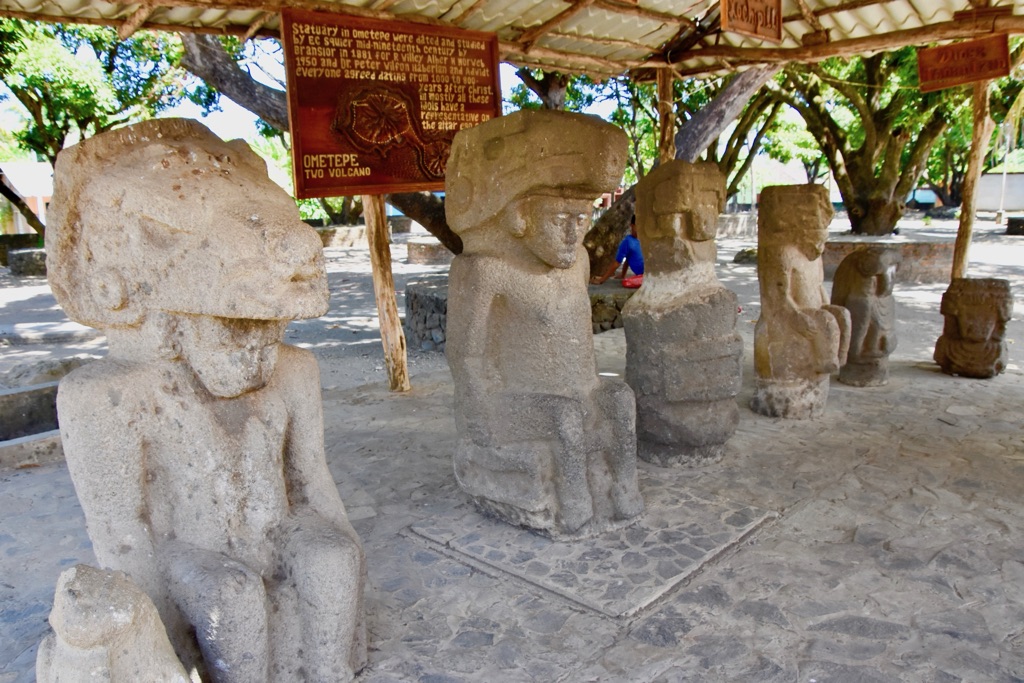
The region of the great lakes of Nicaragua, particularly noted for its large stone statues, has long intrigued archaeologists. These statues, ranging in height from three to twelve feet, predominantly depict human figures, often male, and frequently in association with animal figures. The subject matter and stylistic elements of these statues raise significant questions about the cultural and artistic influences in ancient Nicaragua, as well as the connections with neighboring civilizations.
Neural Pathways
Neural Pathways is a collective of seasoned experts and researchers with a profound passion for unraveling the enigmas of ancient history and artifacts. With a wealth of combined experience spanning decades, Neural Pathways has established itself as a leading voice in the realm of archaeological exploration and interpretation.
Our team of researchers and scholars provide unparalleled depth of knowledge in deciphering the intricate narratives embedded within ancient artifacts and deciphering the cultural nuances that shaped civilizations of the past. Through meticulous research, rigorous analysis, and a collaborative spirit, Neural Pathways has made and continues to make significant contributions to our understanding of the human past.
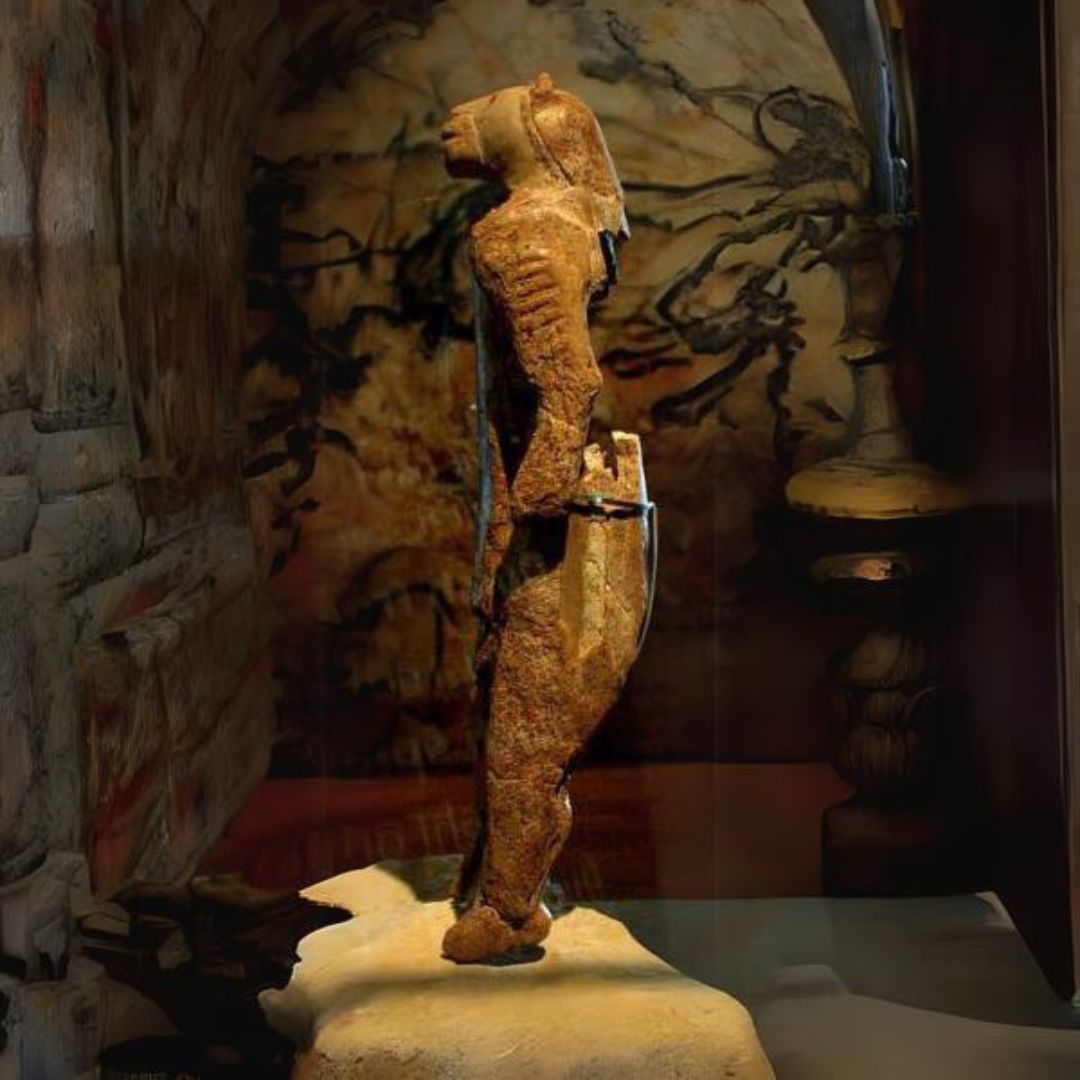
The Lion Man Sculpture
The Löwenmensch figurine, also known as the Lion-man of Hohlenstein-Stadel, stands as a remarkable testament to the artistic and cultural expressions of prehistoric humans. Discovered in 1939 within the Hohlenstein-Stadel cave in Germany, part of the UNESCO World Heritage Site of the Caves and Ice Age Art in the Swabian Jura, this ivory sculpture has intrigued and puzzled historians, archaeologists, and the public alike.
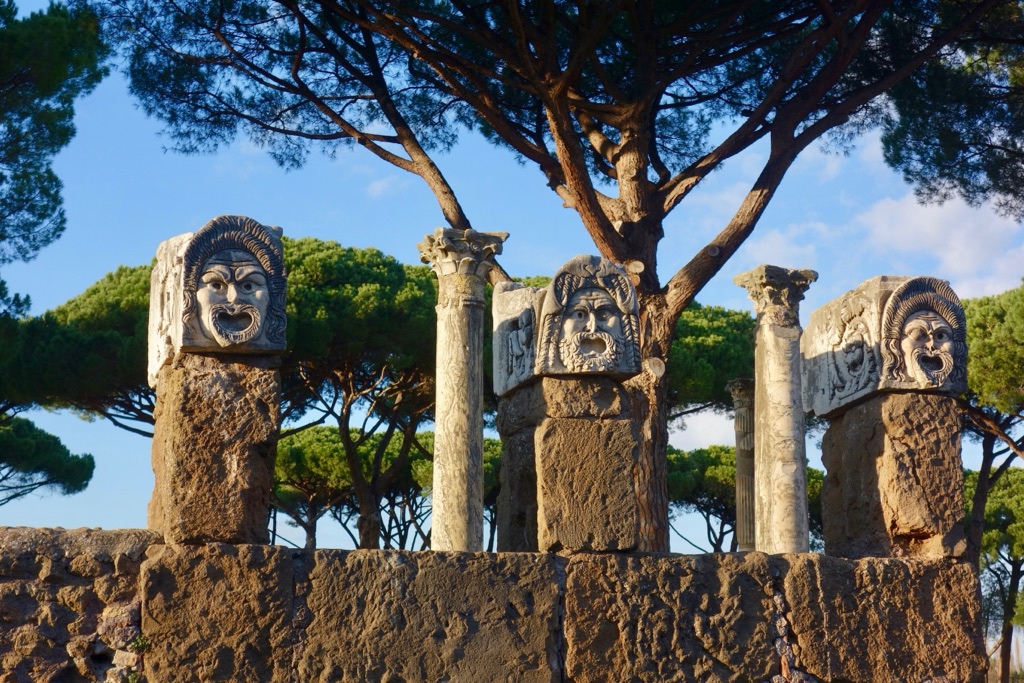
Ostia Antica
Ostia Antica, once the bustling port city of ancient Rome, now stands as a significant archaeological site, offering a window into Roman urban planning, architecture, and daily life. Located 25 km southwest of Rome, near the modern suburb of Ostia, this ancient city was strategically positioned at the mouth of the Tiber River. The site’s current distance of 3 km from the sea is a result of centuries of silting and sand invasion. The name “Ostia,” derived from the Latin “os,” meaning “mouth,” aptly describes its location and function.
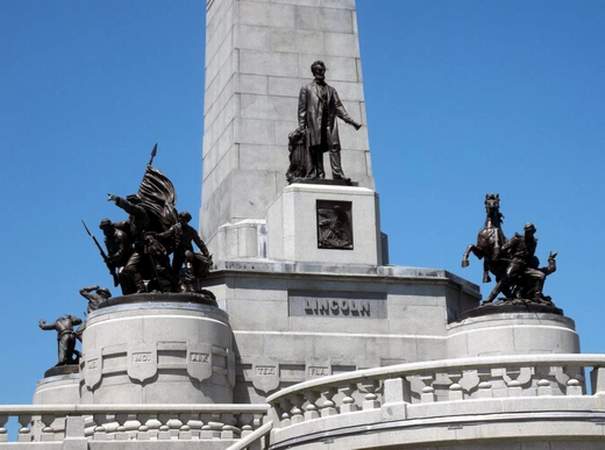
Lincoln Tomb
The Lincoln Tomb, located in Oak Ridge Cemetery in Springfield, Illinois, serves as the final resting place for Abraham Lincoln, the 16th President of the United States, his wife Mary Todd Lincoln, and three of their four sons: Edward, William, and Thomas. This historic site, owned and administered by the State of Illinois, stands as a testament to the legacy of one of America’s most revered leaders.
Crank Caverns
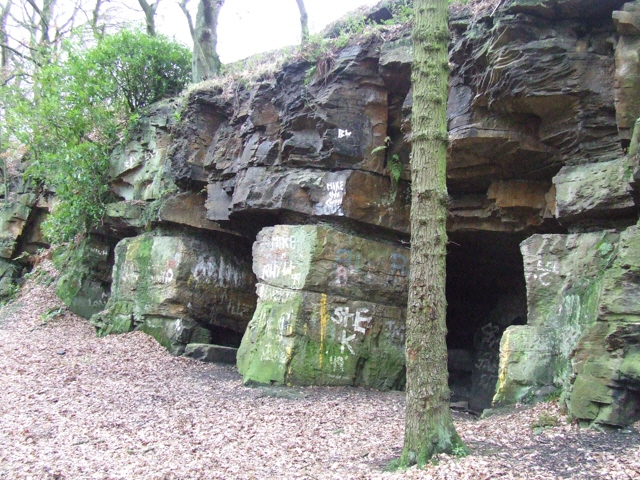
Crank Caverns, the colloquial name for the remnants of Rainford Delph Quarry located near Crank in St. Helens, Merseyside, England, presents a fascinating study of historical, archaeological, and cultural significance. This vast network of old tunnels and caverns, shrouded in mystery due to the scant information about its original owners or workers, offers a glimpse into the region’s past activities and the legends that have grown around them.
Khan Mountain (Holingol)
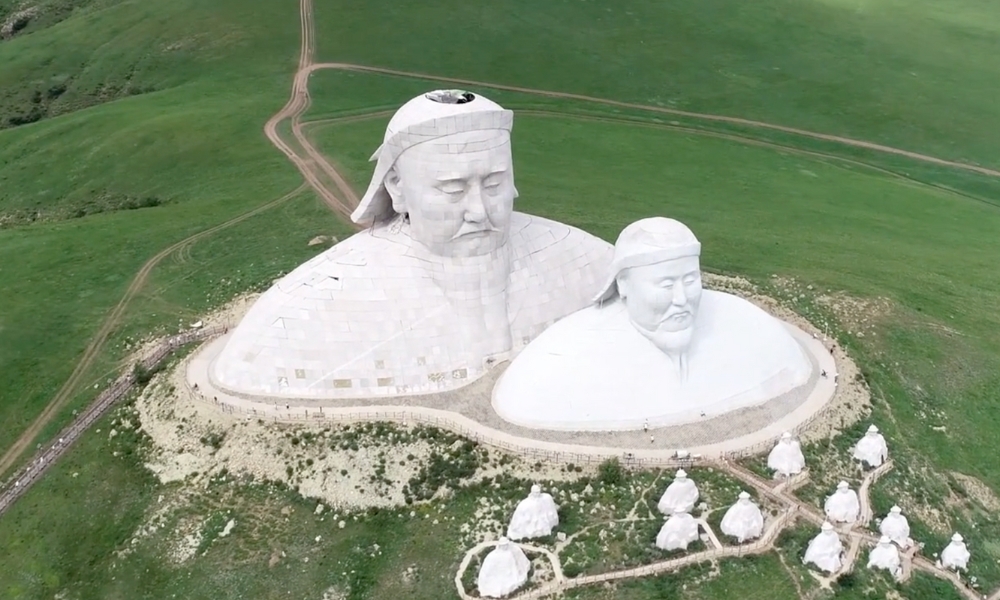
Khan Mountain, situated at the base of Guanyin Mountain in Huolin Gol City, stands as a testament to the grandeur and historical significance of the Mongol Empire. This site, spanning an area of 13,000 square meters, is not just a natural wonder but also a cultural heritage site that pays homage to two of the most influential figures in Mongolian and world history: Yuan Taizu Genghis Khan (1162-1227 AD) and Yuan Shizu Kublai Khan (1215-1294 AD).