
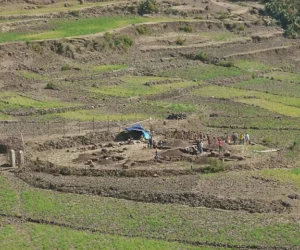
Mifsas Bahri is a significant archaeological site located in the northern region of Ethiopia. This site has drawn attention for its historical and architectural value. The site is positioned within the Tigray region, near Lake Ashenge, and offers a glimpse into the rich cultural and historical heritage of Ethiopia.Geographic and Historical ContextMifsas Bahri is situated…
Neural Pathways
Neural Pathways is a collective of seasoned experts and researchers with a profound passion for unraveling the enigmas of ancient history and artifacts. With a wealth of combined experience spanning decades, Neural Pathways has established itself as a leading voice in the realm of archaeological exploration and interpretation.
Our team of researchers and scholars provide unparalleled depth of knowledge in deciphering the intricate narratives embedded within ancient artifacts and deciphering the cultural nuances that shaped civilizations of the past. Through meticulous research, rigorous analysis, and a collaborative spirit, Neural Pathways has made and continues to make significant contributions to our understanding of the human past.
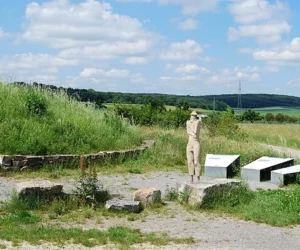
Warrior of Hirschlanden
The Warrior of Hirschlanden is an important archaeological artifact. It is a life-size sandstone statue from the 6th century BC. This artifact provides valuable insight into the culture and art of the Celtic people in Central Europe during the Early Iron Age.Discovery and DescriptionIn 1963, the Warrior of Hirschlanden was discovered near Ludwigsburg in Baden-Württemberg,…
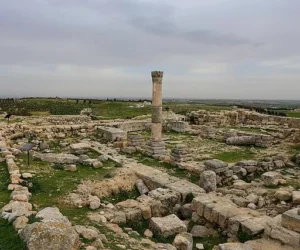
Heshbon
Heshbon is an ancient city located in present-day Jordan, near the modern town of Hesban. This site holds significant historical and archaeological value. Heshbon is mentioned in various ancient texts, including the Bible, which positions it as an important location in the Near Eastern history.Historical ContextHeshbon’s earliest references are found in the Bible. It was…
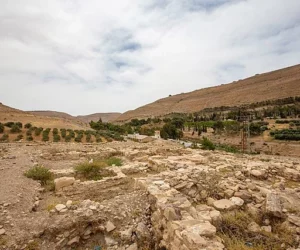
Khirbat Iskandar
Khirbat Iskandar is a significant archaeological site located in present-day Jordan. This site is situated in the Wadi al-Hasa region, approximately 50 kilometers southwest of Amman. It was a prominent settlement during the Early Bronze Age (circa 3300–2000 BC). Khirbat Iskandar holds importance due to its well-preserved fortifications, urban planning, and evidence of social organization…
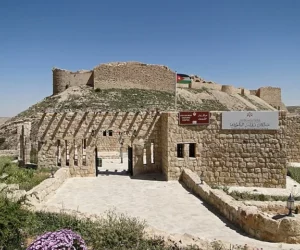
Montreal Castle
Montreal Castle, also known as Qal’at ash-Shawbak (Castle of Shobak), is a significant medieval fortress located in modern-day Jordan. Constructed during the early 12th century AD, the castle played a crucial role in the Crusader states’ efforts to control the region. It stands as a testament to the military strategies and architectural prowess of the…
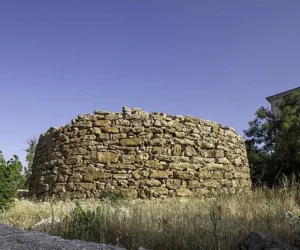
Rujm al-Malfouf
Rujm al-Malfouf is an ancient site located in modern-day Jordan. This site is significant for its architectural and historical value. The ruins date back to the Iron Age, approximately the 7th century BC. Its name, “Rujm al-Malfouf,” means “The Twisted Pile,” reflecting the site’s unique circular structure.Historical BackgroundRujm al-Malfouf is part of the broader Ammonite…