
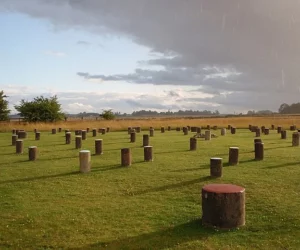
Woodhenge is a prehistoric monument located near Stonehenge in Wiltshire, England. Discovered in 1925, it dates back to around 2300 BC, during the late Neolithic or early Bronze Age. The site consists of six concentric rings of timber posts, which likely supported a roof or formed a freestanding structure. Its purpose remains debated among archaeologists….
Neural Pathways
Neural Pathways is a collective of seasoned experts and researchers with a profound passion for unraveling the enigmas of ancient history and artifacts. With a wealth of combined experience spanning decades, Neural Pathways has established itself as a leading voice in the realm of archaeological exploration and interpretation.
Our team of researchers and scholars provide unparalleled depth of knowledge in deciphering the intricate narratives embedded within ancient artifacts and deciphering the cultural nuances that shaped civilizations of the past. Through meticulous research, rigorous analysis, and a collaborative spirit, Neural Pathways has made and continues to make significant contributions to our understanding of the human past.
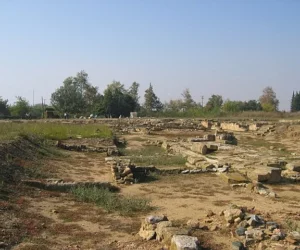
Abdera
Abdera was an ancient Greek city located on the coast of Thrace, in present-day northern Greece. The city is believed to have been founded in the 7th century BC. According to ancient tradition, its origins are tied to two mythical figures: Heracles and Timesius of Clazomenae. However, the more historically accepted foundation is attributed to…
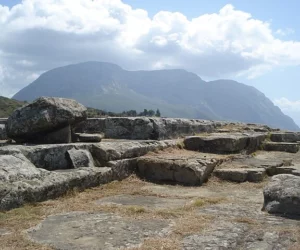
Calydon
Calydon was an ancient Greek city located in Aetolia, in western Greece. It played a significant role in Greek mythology and history. The city is best known for its involvement in the legendary Calydonian Boar Hunt, as well as for being a center of political and military activity during the Classical and Hellenistic periods. Mythological…
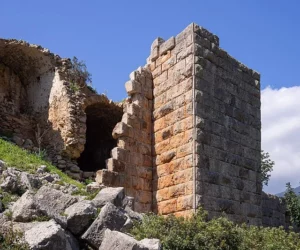
Aigosthena
Aigosthena was an ancient fortified city located on the northeastern coast of the Gulf of Corinth, Greece. It was part of the Megarian territory, a region known for its strategic location and role in ancient Greek military history. The site’s remains provide insight into Greek and Hellenistic defense architecture. Historical Background Aigosthena was first mentioned…
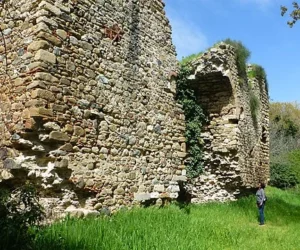
Anastasiopolis-Peritheorion
Anastasiopolis-Peritheorion, a Byzantine city in Thrace, holds significant historical importance. It was located near Lake Bistonis, in present-day Northern Greece, and was built during the reign of Emperor Anastasius I (AD 491–518). The city became a major center in the region due to its strategic position and role as a fortified settlement. Founding and Strategic…
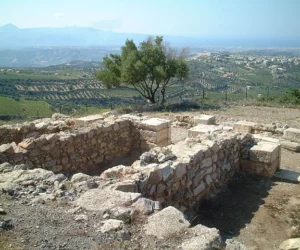
Anemospilia
Anemospilia is an archaeological site located on the northern slopes of Mount Juktas in Crete. It dates to the Minoan period, specifically around 1700 BC. The site was discovered in 1979 by archaeologist Yiannis Sakellarakis. Its excavation provided valuable insight into Minoan religious practices, including evidence of possible human sacrifice, which has sparked ongoing academic…