The Mummies of Guanajuato
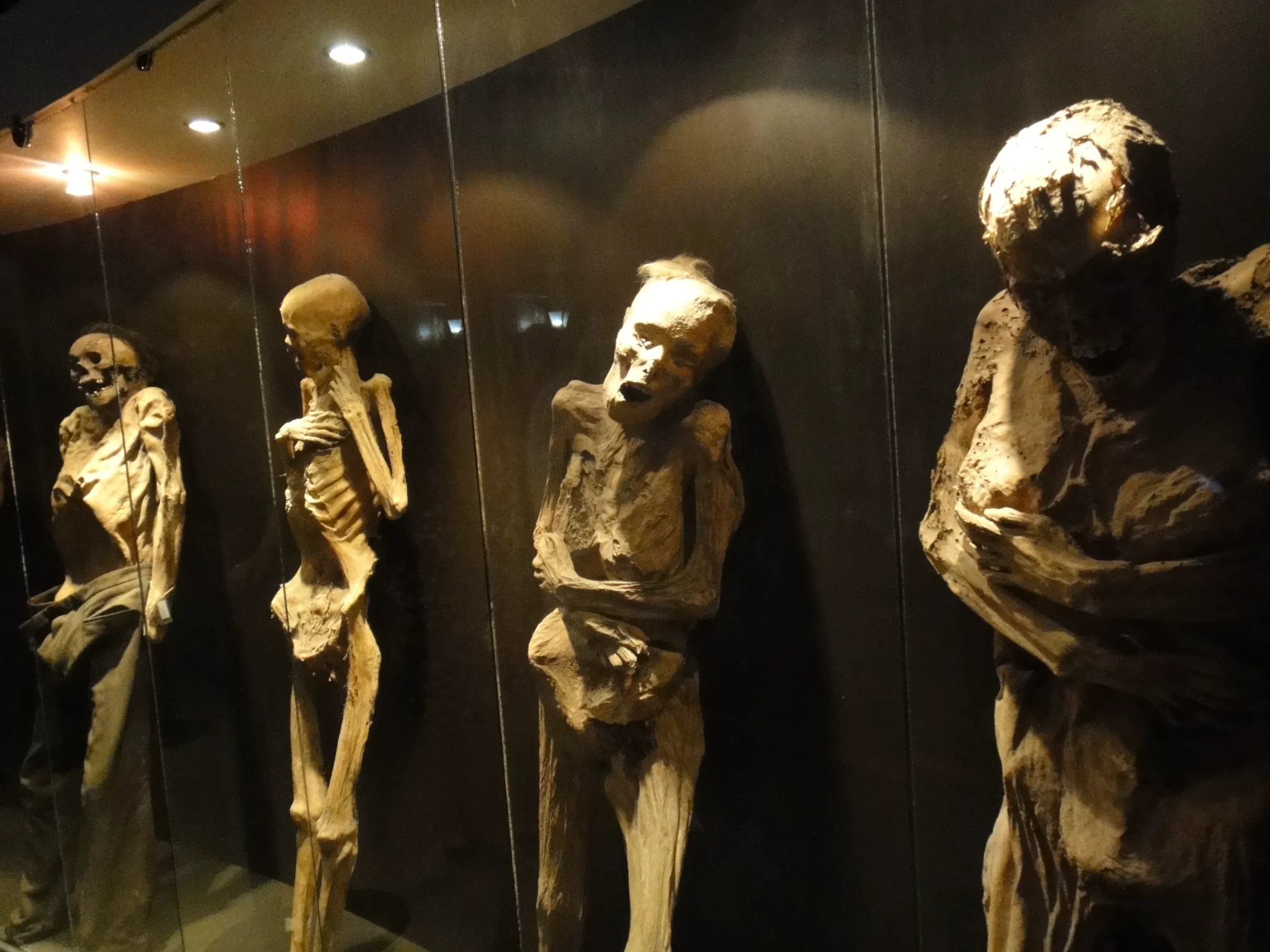
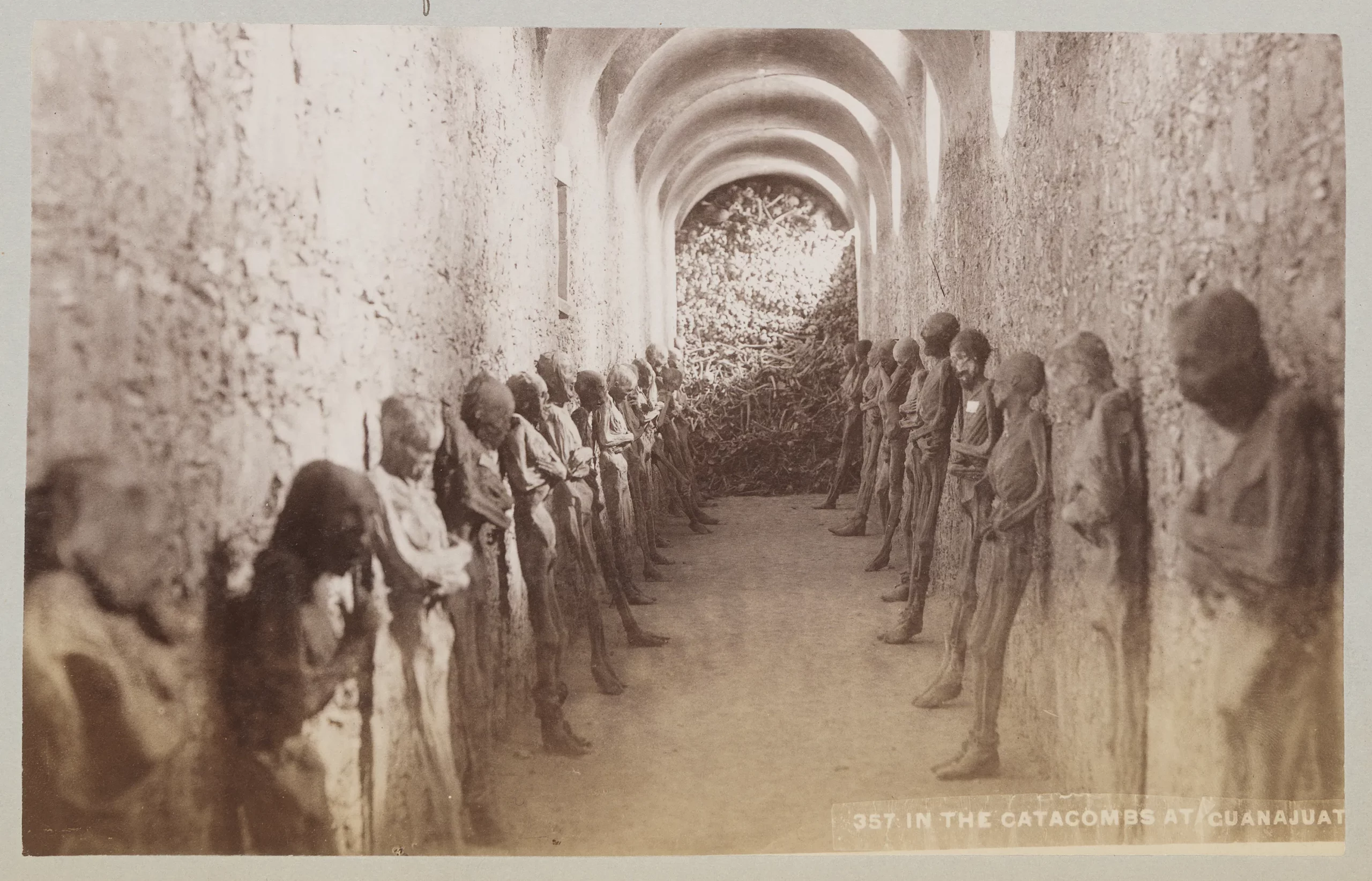
The Mummies of Guanajuato are naturally mummified bodies found in Mexico. They were originally buried in Guanajuato. Between 1870 and 1958, these bodies were disinterred. A local tax required a fee for “perpetual” burial. If unpaid, authorities removed the bodies. Some, in good condition, were stored in a nearby building. Guanajuato’s climate can cause natural mummification. However, studies show some bodies were partially embalmed. By the 1900s, the mummies began attracting tourists. Workers charged visitors to see the stored bones and mummies.
El Museo de las Momias
In 1969, the building housing the mummies became El Museo de las Momias. As of 2007, the museum displayed 59 of 111 mummies. The mummies were first exhumed due to a burial tax law. If families didn’t pay the tax, the body was removed. The law was abolished in 1958. As of 2006, the museum still exhibited 59 mummies. Some have been shown in the United States.
Dispute Over Mummy Maintenance
The local government of Guanajuato and the Instituto Nacional de Antropología e Historia (INAH) dispute over the mummies. INAH insists on managing the mummies as national heritage. In 2023, INAH warned that displaying the mummies could pose health risks. In 2024, they accused local authorities of mismanagement after a mummy’s arm fell off during renovations.
Origin of the Mummies
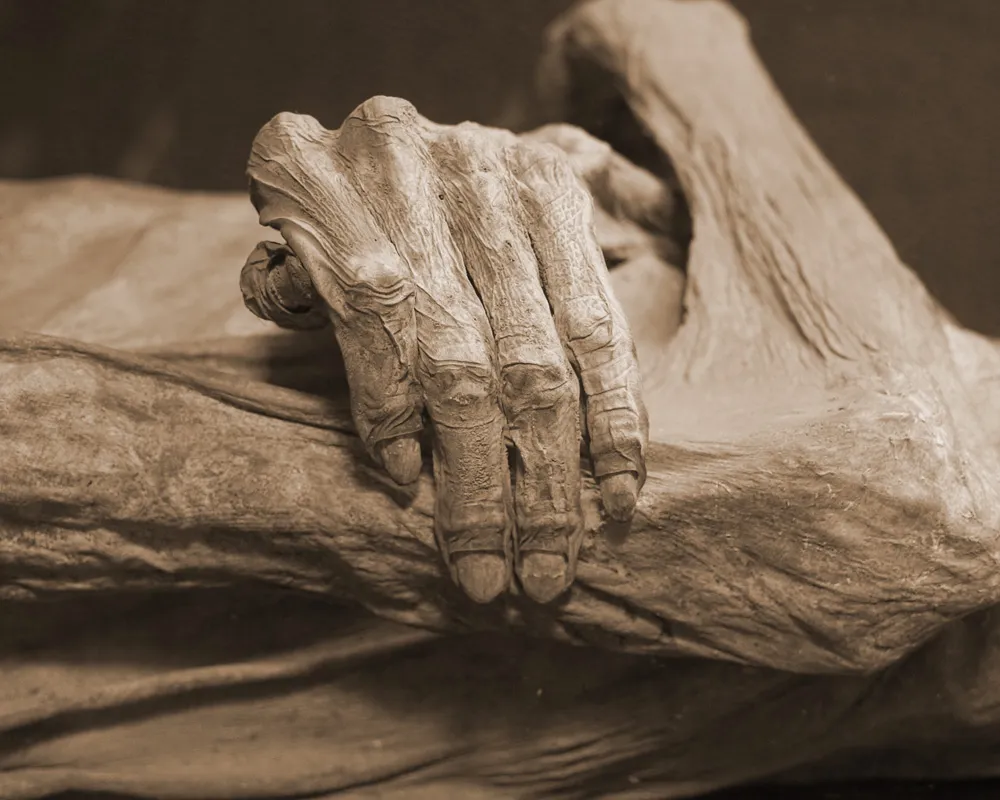
The cholera pandemic of 1829-51 led to more burials in San Cayetano and Cañada de Marfil. Some victims, buried hastily, might have been interred alive accidentally. This resulted in terrifying facial expressions. One such case was Ignacia Aguilar, who was buried alive after being mistakenly declared dead.
World’s Smallest Baby Mummy
The museum also houses the world’s smallest mummy, a fetus from a cholera victim. The mummies vary in size and some still wear their burial clothes. The mummies are a significant part of Mexican culture, featured in films and literature. For instance, they appeared in the B movie “Santo vs. The Mummies of Guanajuato”.
Cultural Impact
Ray Bradbury, profoundly impacted by the mummies, wrote “The Next in Line” after visiting the catacombs. Werner Herzog also used footage of the mummies in his film “Nosferatu the Vampyre”.
Other Locations with Natural Mummies
Natural mummification also occurs in Encarnación de Díaz, Jalisco, and El Carmen complex, Mexico City.
Sources:

Neural Pathways is a collective of seasoned experts and researchers with a profound passion for unraveling the enigmas of ancient history and artifacts. With a wealth of combined experience spanning decades, Neural Pathways has established itself as a leading voice in the realm of archaeological exploration and interpretation.