
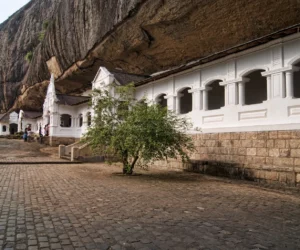
An In-Depth Look at Dambulla Cave Temple Introduction to Dambulla Cave Temple The Dambulla Cave Temple, also known as the Golden Temple of Dambulla, is a World Heritage site in Sri Lanka, distinguished by its significant contributions to the island’s religious, artistic, and historical landscape. Situated in the central part of the country, this temple…
Religious Structures
Aluvihare Rock Temple
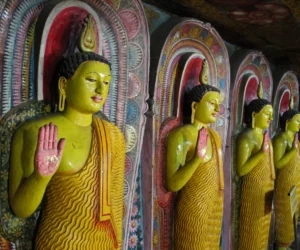
The Historical Significance of Aluvihare Rock Temple The Aluvihare Rock Temple: An Historical Overview The Aluvihare Rock Temple, known also as the Matale Alu Viharaya, is a sacred site of immense cultural and historical significance situated in Sri Lanka. Locating this temple within the historical timeline, it is discernible that the premises gained prominence during…
Temple of Nyatapola
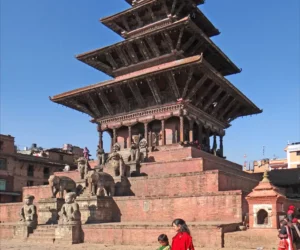
Introduction to Nyatapola Temple The Nyatapola Temple, located in Bhaktapur, Nepal, stands as a quintessential representation of the architectural prowess prevalent in the Kathmandu Valley during the early 18th century. This five-story edifice, dedicated to the Hindu goddess Siddhi Lakshmi, is not only a spiritual beacon but also a symbol of resilience, having endured the…
Haji Piyada Mosque
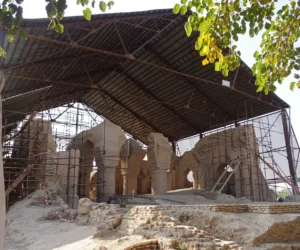
Historical and Architectural Significance of Haji Piyada Mosque The Haji Piyada Mosque, also known as the Noh Gonbad Mosque, holds a distinguished place in the annals of Islamic architecture as it is considered the oldest Islamic building in Afghanistan. Located near the ancient city of Balkh in Balkh Province, this mosque is a significant relic…
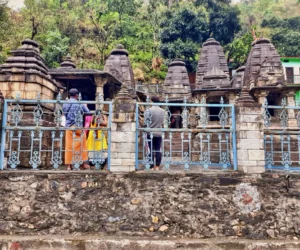
Adi Badri Temples, Uttarakhand
Adi Badri, located in the Chamoli district of Uttarakhand, is not just a tehsil but a window into India’s rich cultural past. This area, part of the Garhwal region, boasts of its natural beauty and profound cultural significance. The tehsil, also known as Helisera in revenue records, serves as the administrative center for 69 villages….
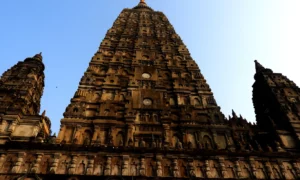
Mahabodhi Temple
The Mahabodhi Temple, also known as the “Great Awakening Temple,” is an ancient Buddhist temple located in Bodh Gaya, Bihar, India. It is recognized as a UNESCO World Heritage Site and is revered as the place where Siddhartha Gautama, who later became known as the Buddha, attained enlightenment. This site has been a focal point of Buddhist pilgrimage for over two millennia.