
Introduction to Horom Citadel
Horom Citadel, located in modern-day Armenia, stands as a significant archaeological site. It offers insights into the region’s ancient history. This citadel dates back to the Bronze and Iron Ages, specifically around the 3rd millennium BC to the 1st millennium BC. Researchers have extensively studied this site to understand its historical and cultural importance.
Historical Context
The Horom Citadel’s history spans several millennia. It first emerged during the Early Bronze Age, around 3000 BC. The site continued to be occupied through the Middle and Late Bronze Ages, and into the Iron Age. This long period of habitation indicates its strategic and cultural importance.
Archaeological Discoveries
Archaeologists have uncovered various artifacts at Horom Citadel. These include pottery, tools, and remnants of structures. The pottery found at the site shows intricate designs and craftsmanship, reflecting the advanced skills of its inhabitants. Tools made from stone and metal suggest a society proficient in various forms of labor and trade.
Architectural Features
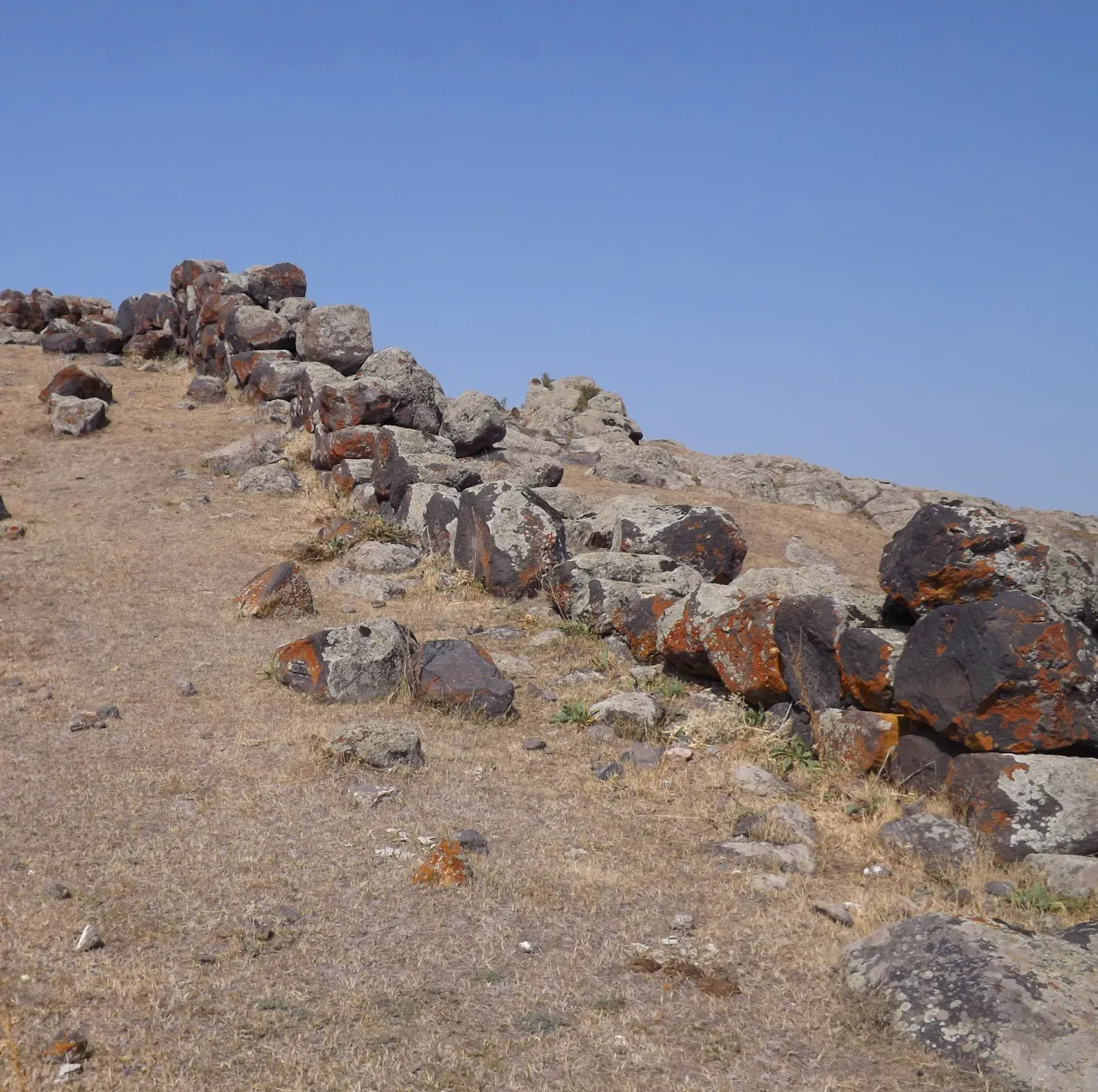
The citadel’s architecture reveals much about its defensive and residential functions. Thick walls and strategic positioning on elevated ground indicate a focus on defense. Inside the citadel, remains of dwellings and communal spaces suggest a well-organized settlement. These features highlight the citadel’s role as both a fortress and a community hub.
Cultural Significance
Horom Citadel holds cultural significance for several reasons. It provides evidence of early urbanization in the region. The artifacts and structures found here offer a glimpse into the daily lives of its ancient inhabitants. Additionally, the citadel’s long period of use suggests it played a central role in the region’s history.
Research and Excavations
Research at Horom Citadel has been ongoing for decades. Archaeologists from various institutions have conducted extensive excavations. These efforts have led to a better understanding of the site’s chronology and its role in the broader context of ancient Armenian history. The findings from Horom Citadel contribute to the larger narrative of human development in the region.
Conclusion
Horom Citadel remains a vital archaeological site. Its rich history, spanning from the Early Bronze Age to the Iron Age, offers valuable insights into ancient Armenian culture and society. Ongoing research and excavations continue to uncover new information, further enriching our understanding of this significant historical site.

Neural Pathways is a collective of seasoned experts and researchers with a profound passion for unraveling the enigmas of ancient history and artifacts. With a wealth of combined experience spanning decades, Neural Pathways has established itself as a leading voice in the realm of archaeological exploration and interpretation.