Overview of Fountains Abbey
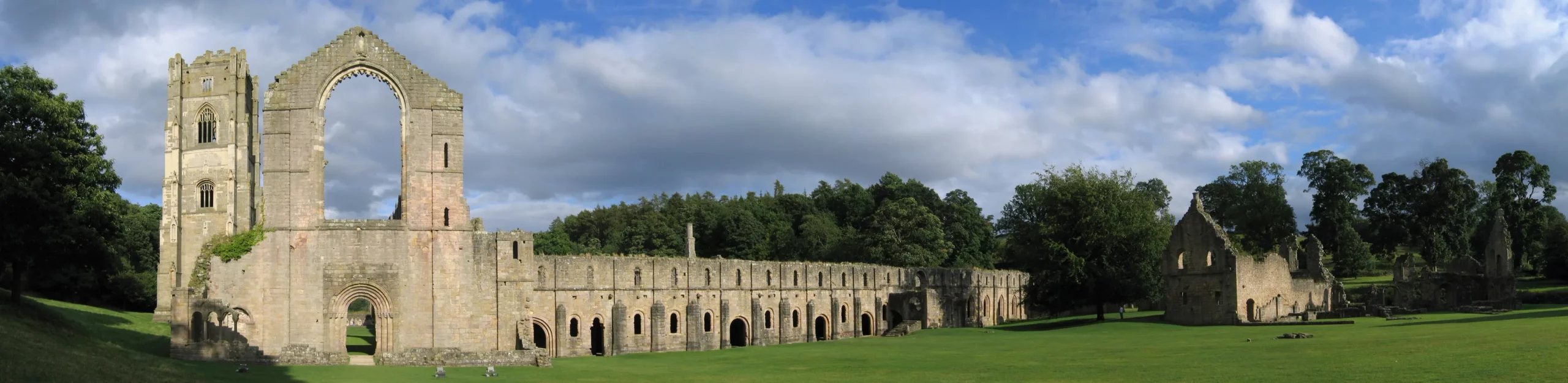
Fountains Abbey stands as one of the most expansive and well-preserved Cistercian monastery ruins in England. Located about 3 miles southwest of Ripon in North Yorkshire, near the village of Aldfield, the abbey’s historical significance is profound. Founded in 1132, it thrived for over four centuries, becoming one of England’s wealthiest monasteries until its dissolution in 1539 by Henry VIII.
Acquisition by the National Trust
In 1983, the National Trust acquired Studley Royal Park, which includes Fountains Abbey. English Heritage now maintains the site, ensuring its preservation and accessibility to the public.
The Foundation of Fountains Abbey
The origin of Fountains Abbey is tied to a dramatic event in 1132 involving a dispute at St Mary’s Abbey in York. This dispute led to the expulsion of 13 monks, including Saint Robert of Newminster. Under the protection of Thurstan, Archbishop of York, these monks were granted land in the River Skell valley. The natural resources of this valley, including water from six springs, were ideal for establishing a monastery, which the monks named Fountains.
Transition to the Cistercian Order
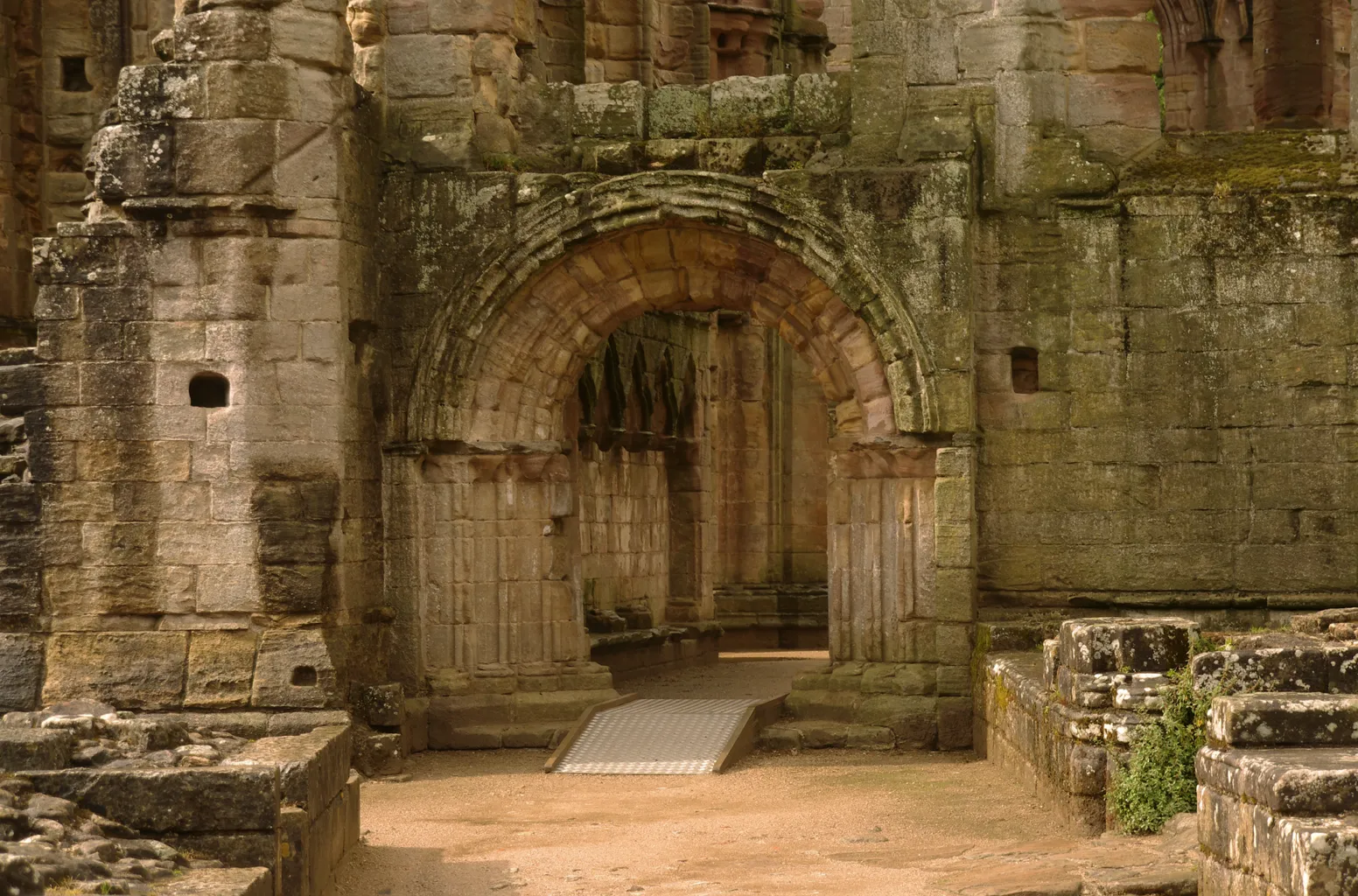
After a challenging winter in 1133, the monks sought affiliation with the Cistercian order, known for its reformative zeal. By 1135, Fountains Abbey became the second Cistercian establishment in northern England. The monks received guidance from Geoffrey of Ainai, a monk from Clairvaux, learning the Cistercian ways and building techniques.
Period of Consolidation and Expansion
Under the leadership of Abbot Henry Murdac, significant construction began in 1143, replacing earlier structures with robust stone buildings. Despite setbacks such as an attack in 1146, which resulted in significant damage, the abbey quickly recovered, founding four daughter houses and continuing to expand.
Leadership and Prosperity
The abbey saw considerable growth and stability under Abbot Richard (1150-1170), who initiated extensive building projects. Following leaders continued this trend, enhancing the abbey’s infrastructure and influence.
Challenges and Decline
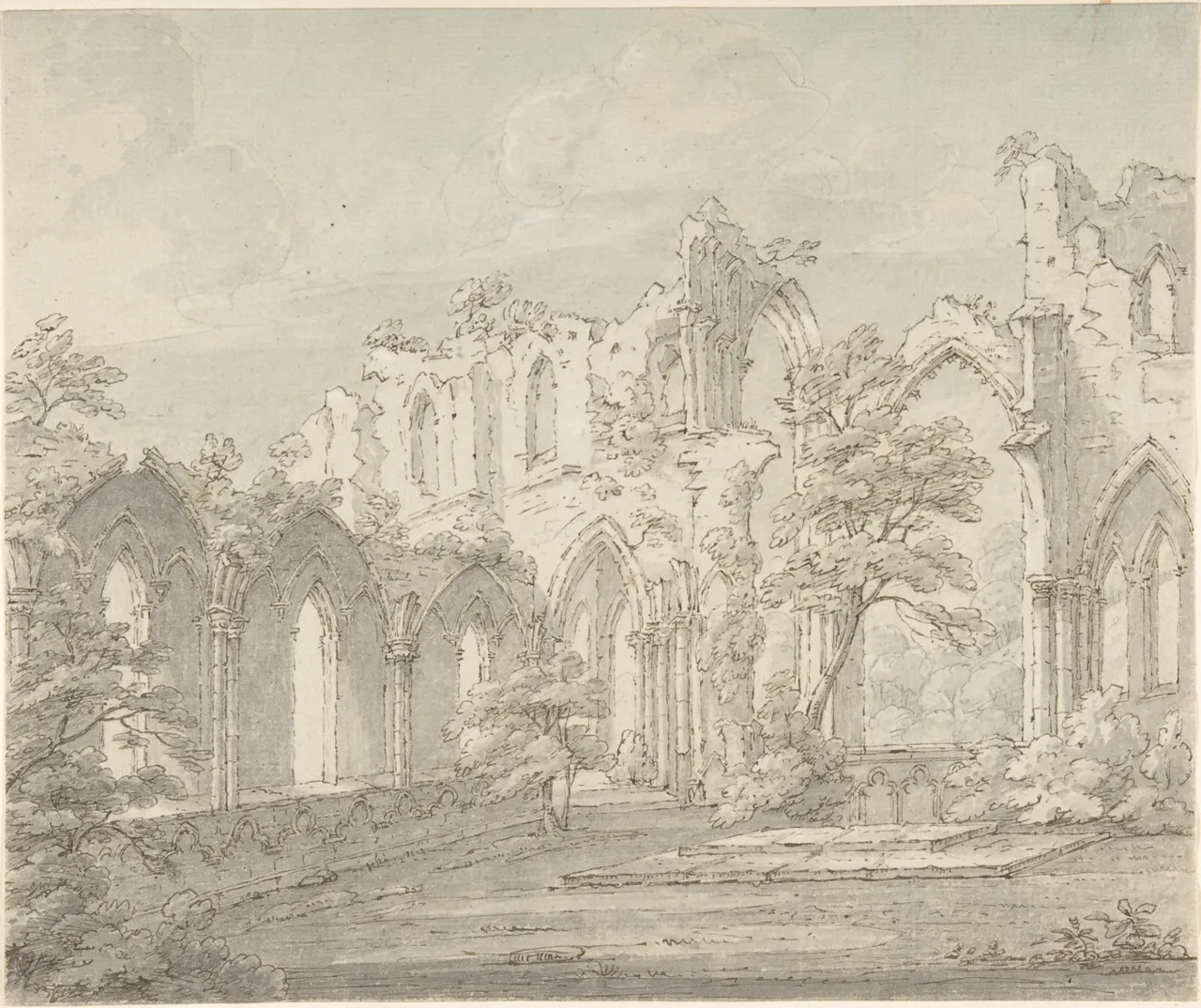
The late 13th century brought financial difficulties and political challenges, exacerbated by natural disasters and the Black Death. The abbey’s fortunes waned, culminating in its dissolution in 1539.
The Dissolution and Aftermath
The final abbot, Marmaduke Bradley, was instrumental in the peaceful surrender of the abbey during the Dissolution of the Monasteries. The abbey’s rich history ended abruptly, but its ruins remain, telling the story of a once-thriving monastic community.
Conclusion
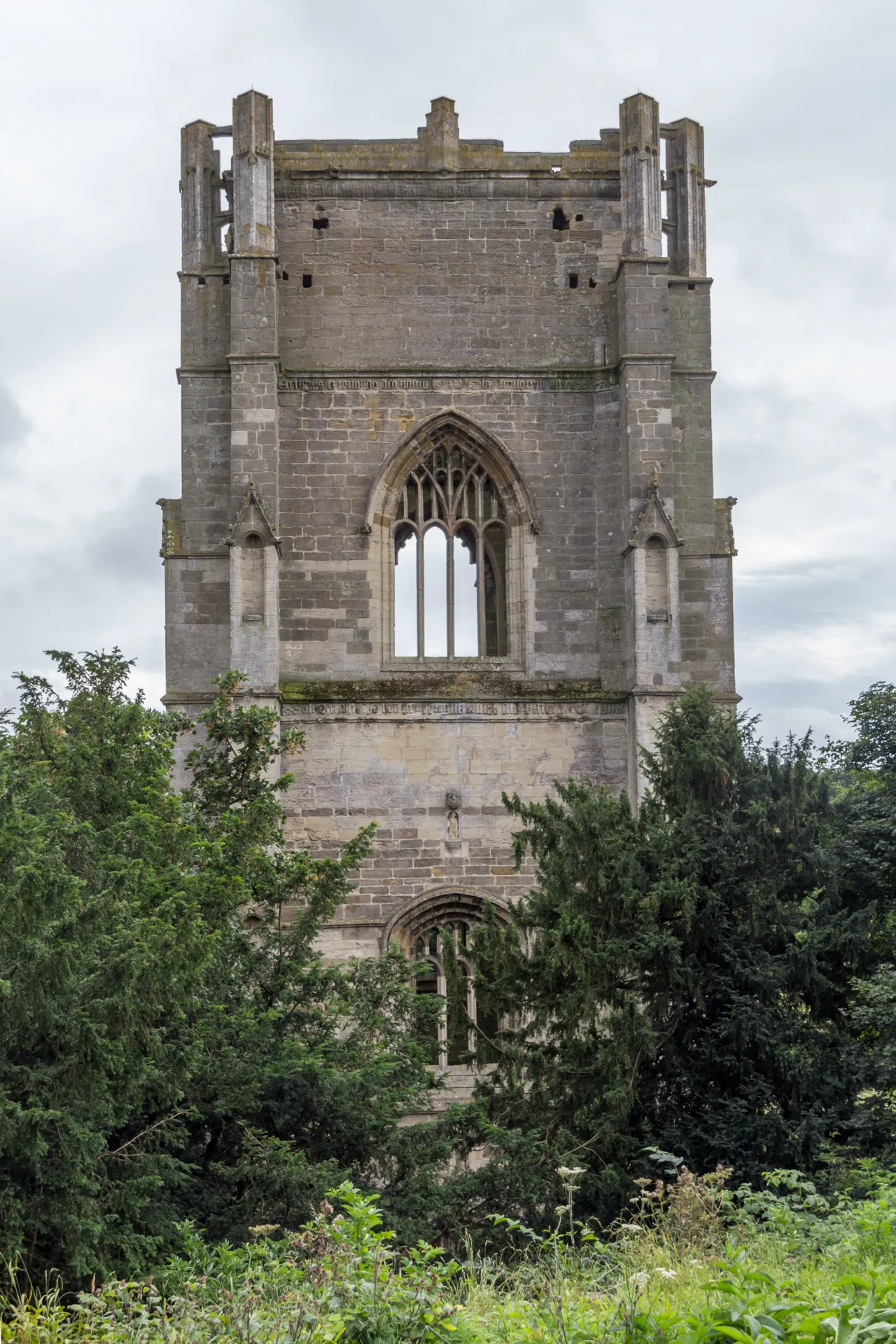
Today, Fountains Abbey is not only a site of historical importance but also a testament to the architectural and spiritual ambitions of England’s medieval Cistercian monks. Managed by English Heritage and owned by the National Trust, it continues to attract visitors from around the world, drawn by its serene beauty and fascinating history.
Sources:

Neural Pathways is a collective of seasoned experts and researchers with a profound passion for unraveling the enigmas of ancient history and artifacts. With a wealth of combined experience spanning decades, Neural Pathways has established itself as a leading voice in the realm of archaeological exploration and interpretation.