Ertij Fort: A Comprehensive Historical Analysis
Ertij Fort, located in the Tavush Province of Armenia, stands as a significant historical and archaeological site. This fort, dating back to the medieval period, offers valuable insights into the region’s military architecture and historical context.
Historical Background
Ertij Fort’s origins trace back to the 10th century AD. During this period, Armenia experienced frequent invasions and conflicts. The fort served as a strategic military stronghold, providing defense against invaders. Its construction reflects the architectural styles and defensive needs of the time.
Architectural Features
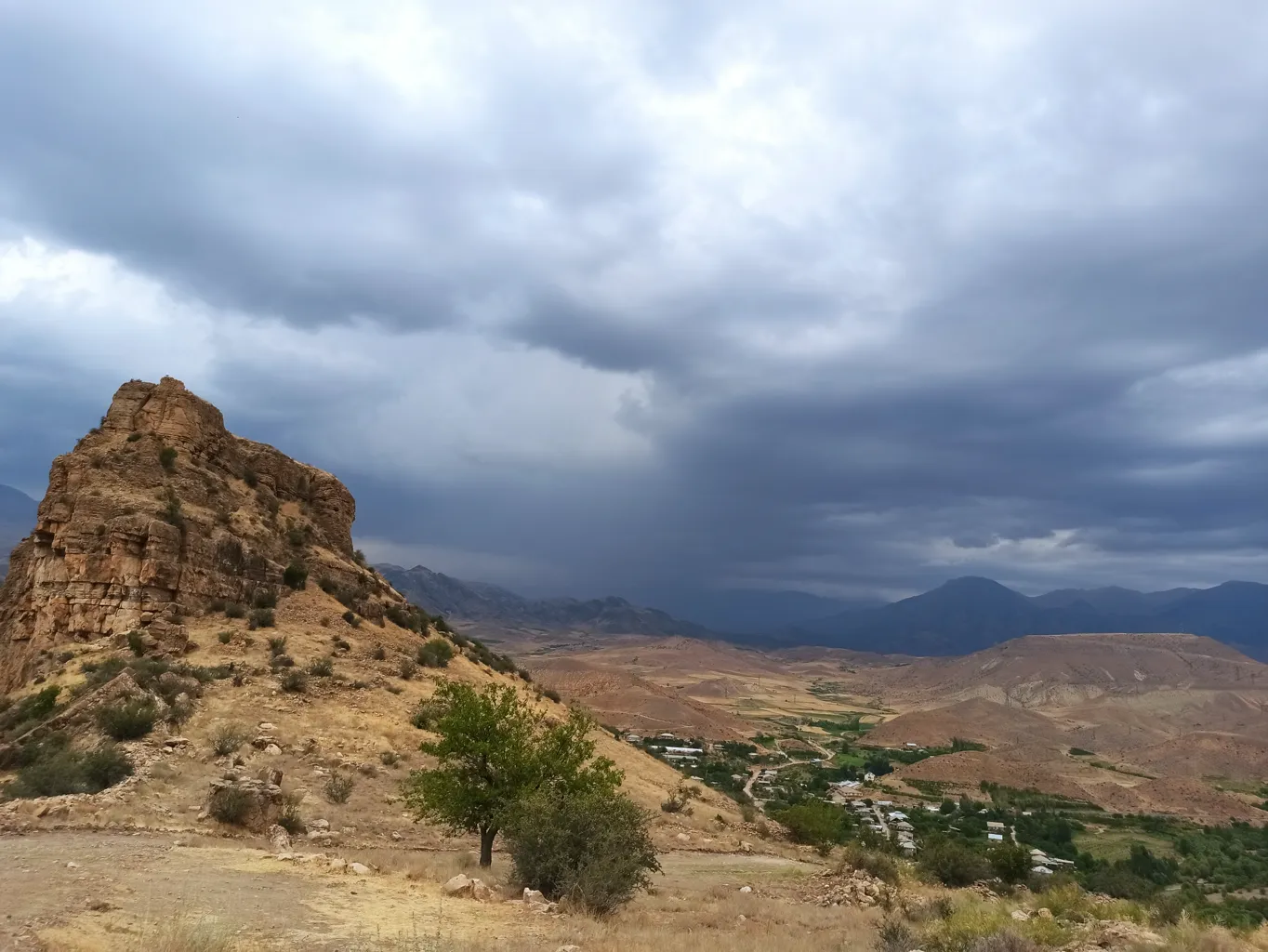
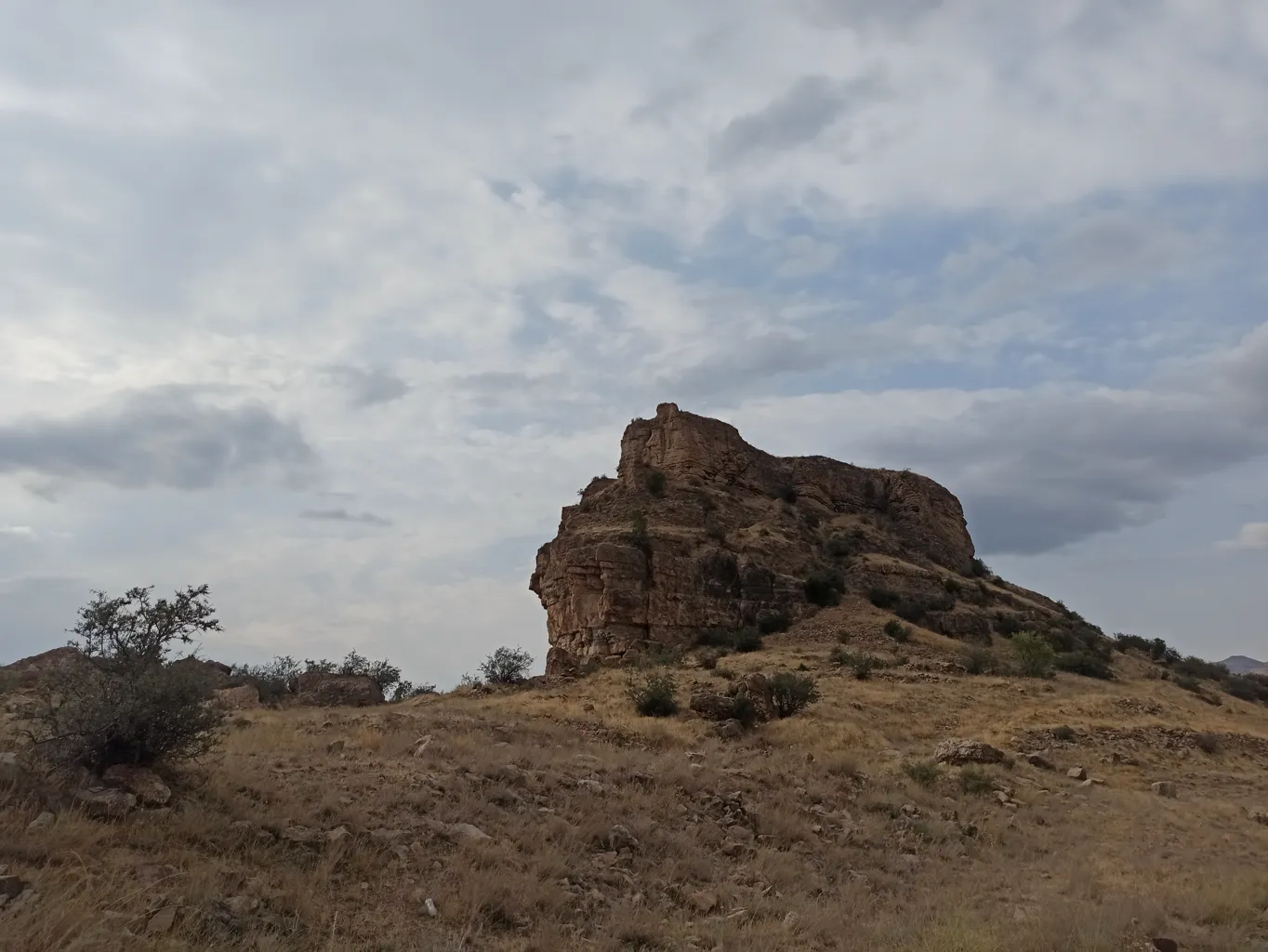
The fort’s architecture showcases typical medieval Armenian design. Builders used local stone, which provided durability and strength. The walls, thick and high, were designed to withstand sieges. Towers positioned at strategic points allowed for better surveillance and defense.
Strategic Importance
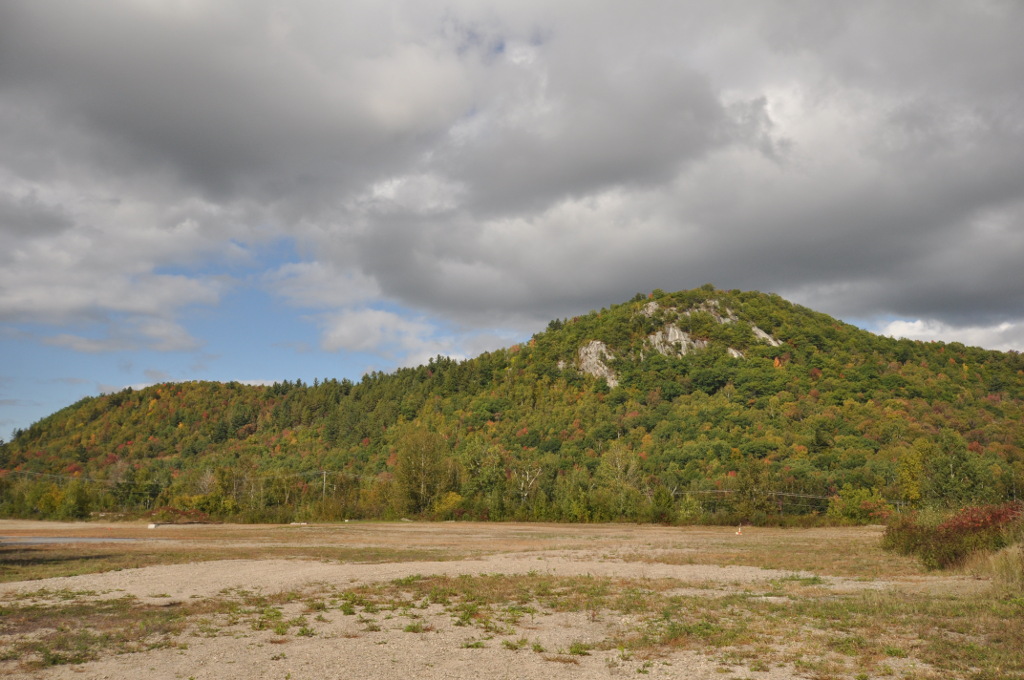
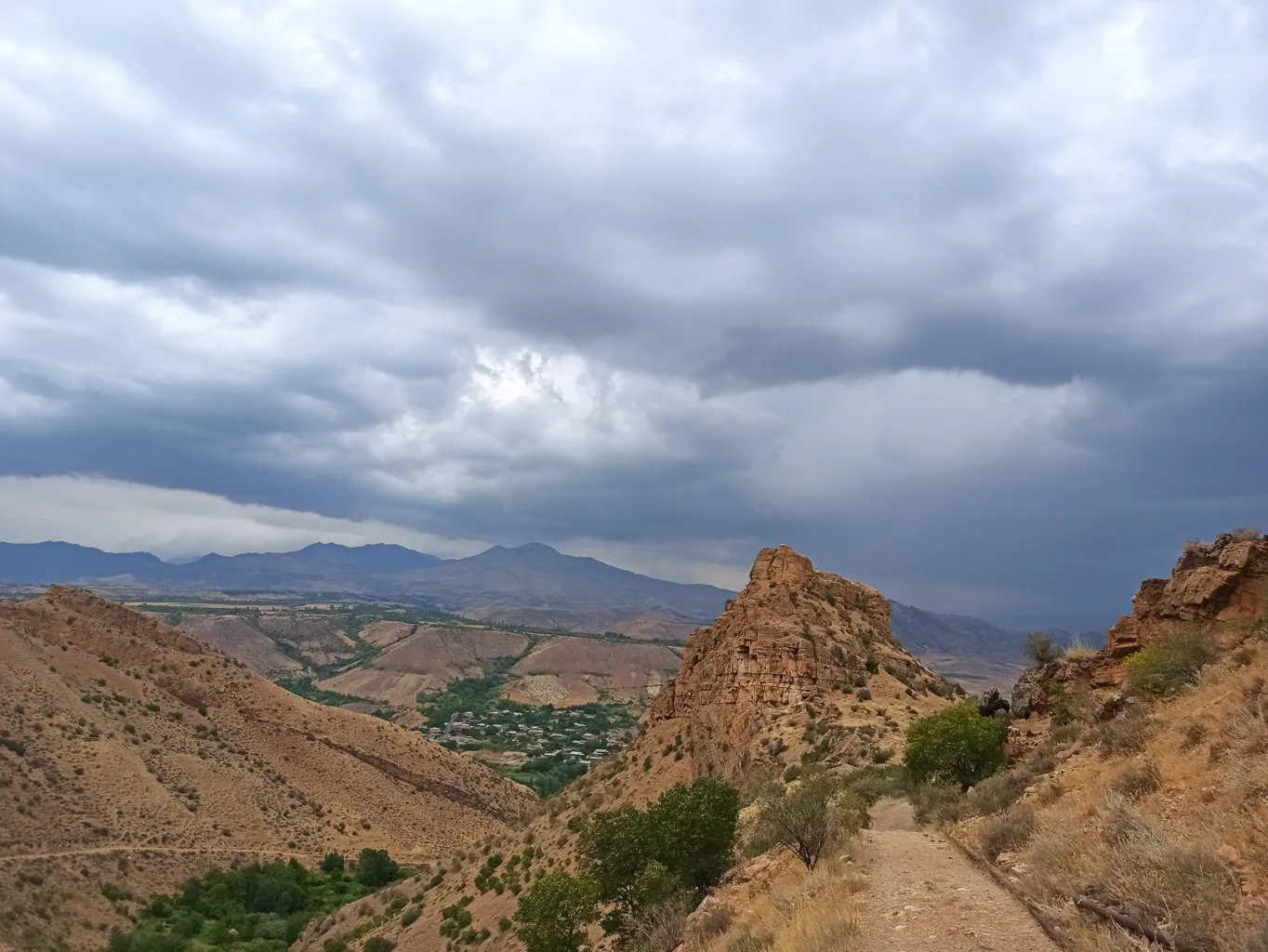
Ertij Fort’s location was not arbitrary. It sits atop a hill, offering a commanding view of the surrounding area. This vantage point allowed defenders to spot approaching enemies from a distance. The fort’s position also made it difficult for attackers to launch surprise assaults.
Archaeological Findings
Excavations at Ertij Fort have unearthed various artifacts. These include pottery, tools, and weapons, which provide insights into the daily lives of its inhabitants. The findings suggest that the fort was not only a military outpost but also a community hub.
Preservation Efforts
Preserving Ertij Fort is crucial for understanding Armenia’s medieval history. Efforts to maintain the site include regular inspections and restoration projects. These initiatives aim to protect the fort from natural decay and human interference.
Conclusion
Ertij Fort remains a vital link to Armenia’s past. Its historical and architectural significance offers valuable lessons in medieval military strategy and community life. Continued research and preservation will ensure that this important site remains accessible for future generations.
Sources:

Neural Pathways is a collective of seasoned experts and researchers with a profound passion for unraveling the enigmas of ancient history and artifacts. With a wealth of combined experience spanning decades, Neural Pathways has established itself as a leading voice in the realm of archaeological exploration and interpretation.