A Sacred Intersection
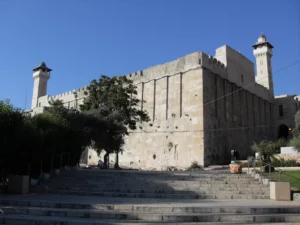
The Cave of the Patriarchs, revered by Jews as the Cave of Machpelah, stands 30 kilometers south of Jerusalem. It is also known to Muslims as the Sanctuary of Abraham. This sacred site rests in Hebron’s Old City within the West Bank. According to Abrahamic religions, Abraham purchased this site as a burial plot. However, most historians view the Abraham-Isaac-Jacob narrative as largely symbolic.
A Site of Continuous Worship
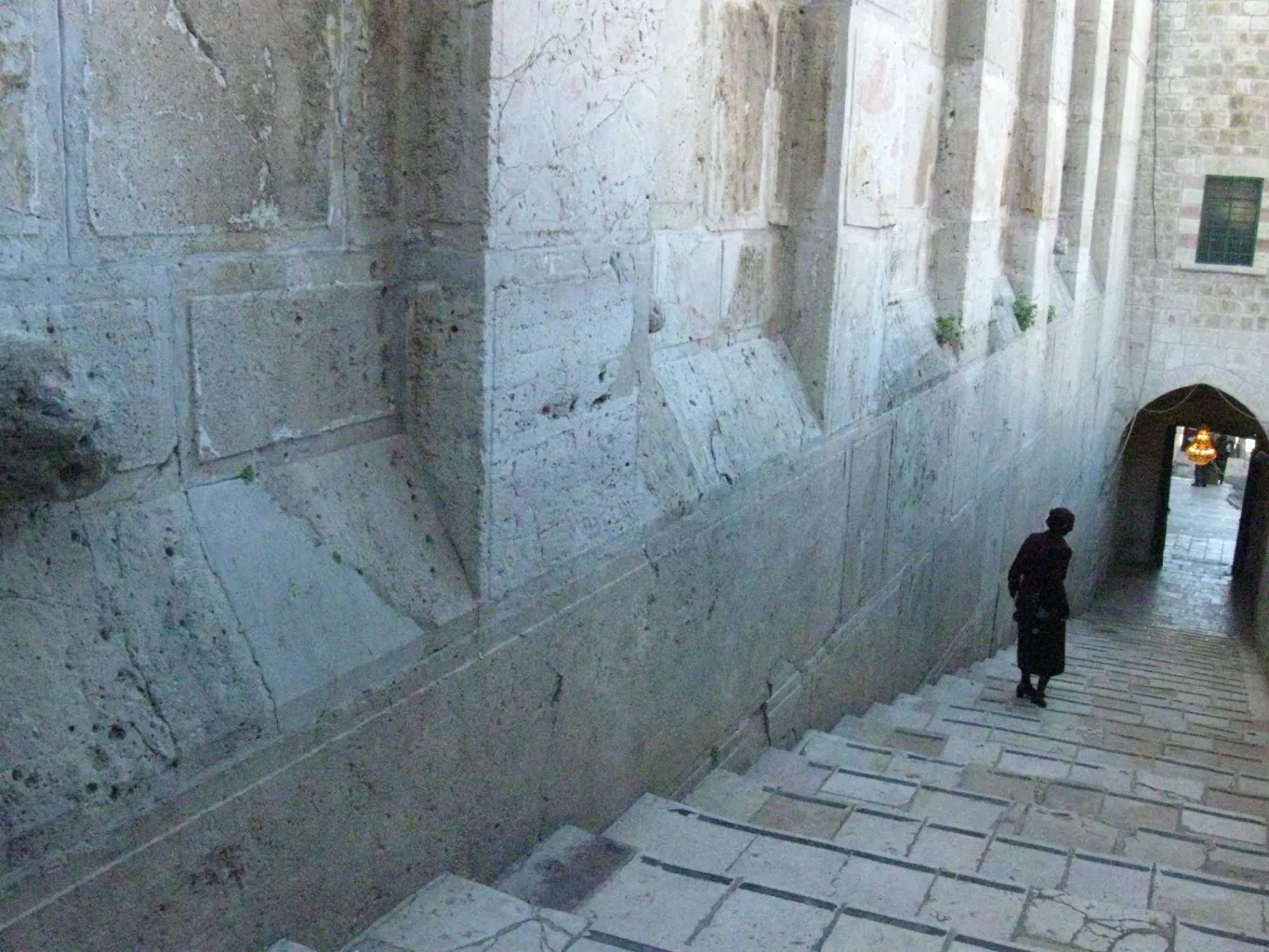
A large rectangular enclosure, dating back to the Herodian era, covers the cave. During the Byzantine period, a Christian basilica occupied the site. After the Muslim conquest of the Levant, this structure transformed into the Ibrahimi Mosque. By the 12th century, the Crusaders controlled it. However, Saladin reclaimed and restored it as a mosque in 1188.
A Modern Battleground
The Six-Day War in 1967 saw Israel seize this site from Jordan. Consequently, they divided the mosque, dedicating half as a synagogue. Conflicts escalated with grenade and bombing attacks in 1968, injuring many. In response, Israeli authorities expanded the Jewish prayer area in 1972. Controversial changes in 1975 led to protests. In 1994, the site witnessed a tragic massacre when an Israeli settler killed 29 Palestinian Muslims.
Biblical Foundations: The Burial of Sarah
Genesis 23 describes Abraham’s purchase of the cave to bury his wife Sarah, the first biblical account of a burial. This marked the cave as the first recorded commercial transaction. Abraham, Isaac, and later Jacob and his sons were also buried here, securing its importance as a family tomb.
Extra-Biblical Significance
Ugaritic texts parallel the biblical narrative, suggesting that 400 shekels was a standard price for land during that era. This context highlights the site’s deep historical roots beyond religious texts.
Architectural Heritage
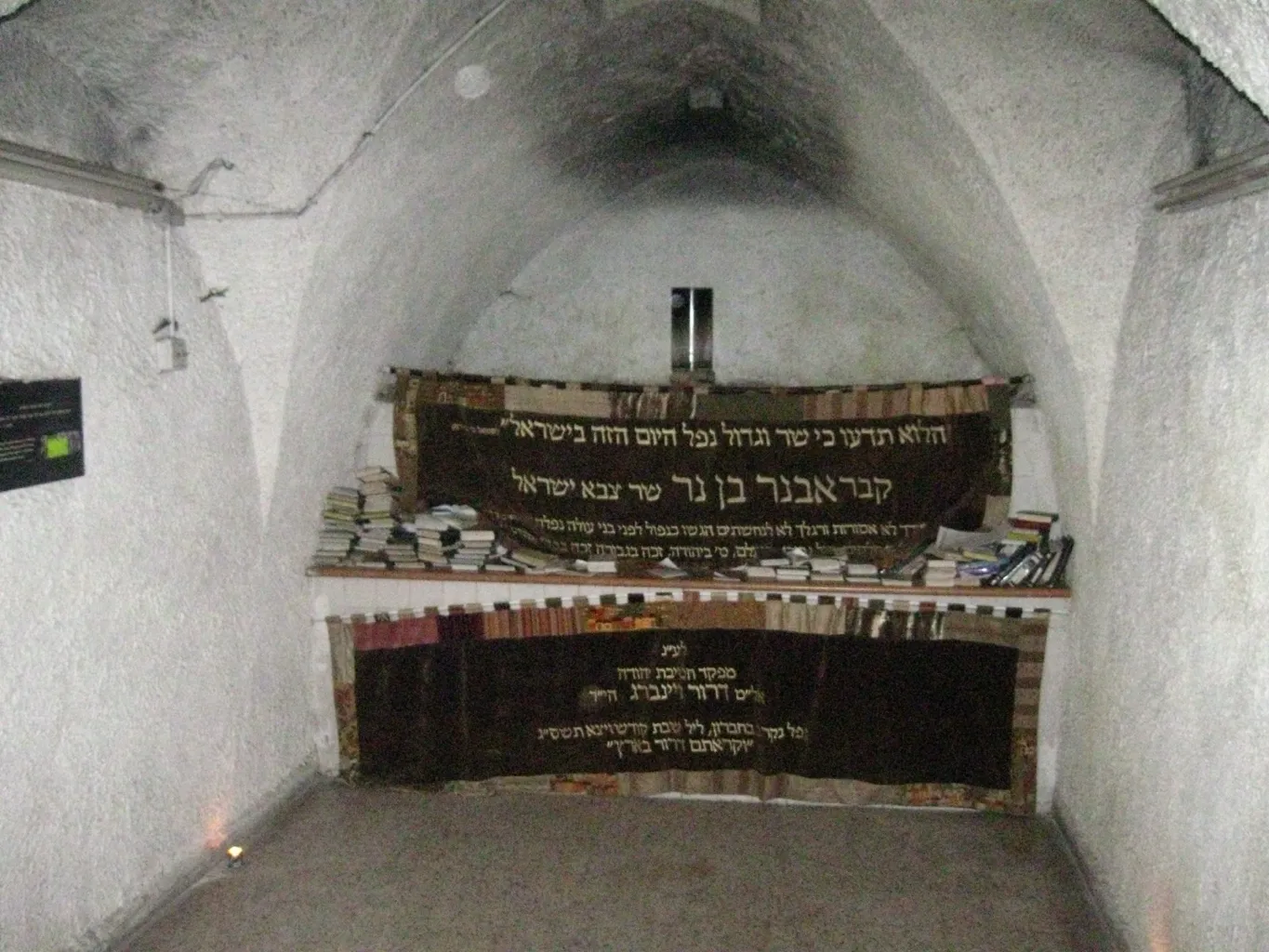
The structure is divided by a wall into two sections, each with distinctive features. The southeastern section functions primarily as a mosque. The site also includes cenotaphs for Abraham, Sarah, Isaac, and Rebecca, enhancing its religious significance.
Access and Preservation
Today, Jews and Muslims have restricted access to different parts of the site. The actual burial caves are not open to the public, preserving the sanctity of the tombs.
Conclusion
The Cave of the Patriarchs stands as a monument to faith, conflict, and coexistence. It serves as a powerful symbol of the intertwined histories and religions that shape this region. Through understanding its past, visitors and scholars alike can appreciate its profound impact on cultural and religious history.
Sources: Wikipedia

Neural Pathways is a collective of seasoned experts and researchers with a profound passion for unraveling the enigmas of ancient history and artifacts. With a wealth of combined experience spanning decades, Neural Pathways has established itself as a leading voice in the realm of archaeological exploration and interpretation.