
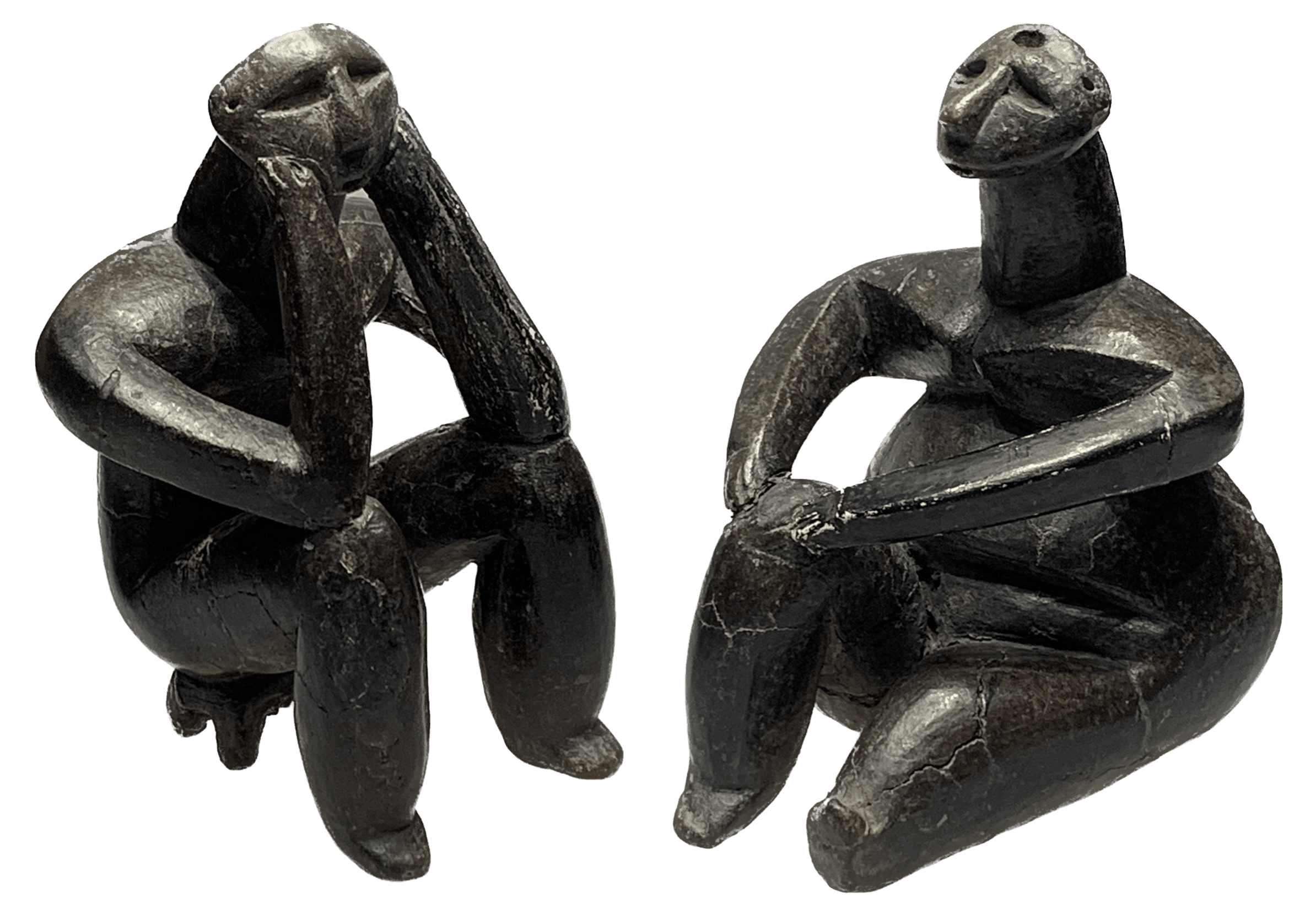
The Thinker of Hamangia is a Neolithic clay figurine that dates back to around 5000 BCE, making it approximately 7,000 years old. It was discovered in 1956 near the town of Cernavodă, Romania, as part of the Hamangia culture.
Neural Pathways
Neural Pathways is a collective of seasoned experts and researchers with a profound passion for unraveling the enigmas of ancient history and artifacts. With a wealth of combined experience spanning decades, Neural Pathways has established itself as a leading voice in the realm of archaeological exploration and interpretation.
Our team of researchers and scholars provide unparalleled depth of knowledge in deciphering the intricate narratives embedded within ancient artifacts and deciphering the cultural nuances that shaped civilizations of the past. Through meticulous research, rigorous analysis, and a collaborative spirit, Neural Pathways has made and continues to make significant contributions to our understanding of the human past.
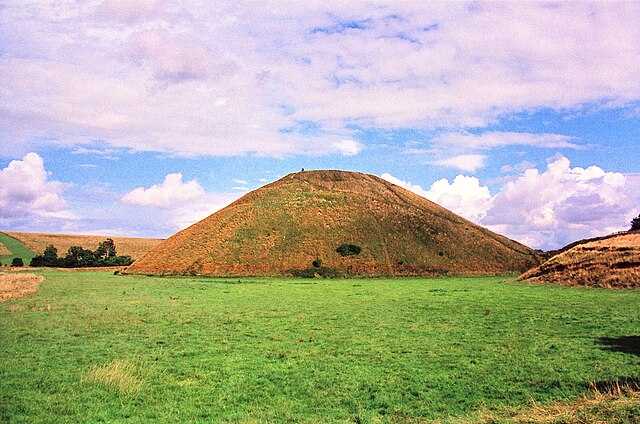
Silbury Hill Prehistoric Mound
Silbury Hill is a prehistoric monument located near Avebury in Wiltshire, England. It is an artificial mound that stands at 39 meters high, making it the largest man-made mound in Europe. Its construction began around 2400 BCE (4,423 years ago) and took many years to complete.
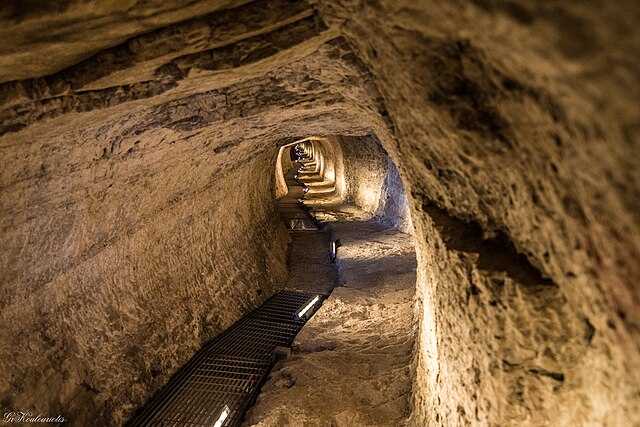
The Tunnel of Eupalinos
The Tunnel of Eupalinos, also known as the Eupalinian Aqueduct, is located on the Greek island of Samos. It was constructed in the 6th century BCE during the reign of Polycrates, making it around 2,600 years old. It is considered a remarkable feat of ancient engineering, as it was built to supply water from a spring to the city of Samos, which was located on the other side of a mountain.
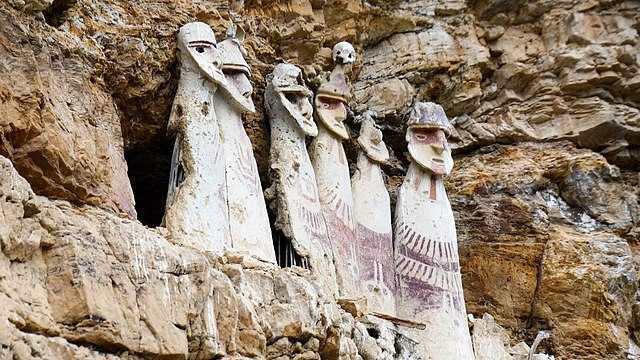
The Sarcophagi of Carajía
The Sarcophagi of Carajía (Sarcófagos de Carajía in Spanish) are a group of seven anthropomorphic wooden coffins located in the remote mountains of Chachapoyas, Peru. These figures, which stand up to 2.5 meters tall, are believed to have been created by the Chachapoya culture around 800 years ago. The sarcophagi are believed to hold the remains of important leaders or warriors. The coffins are carved in a distinctive style, with elongated heads and bodies, and are placed high up on a cliff face, making them difficult to access.
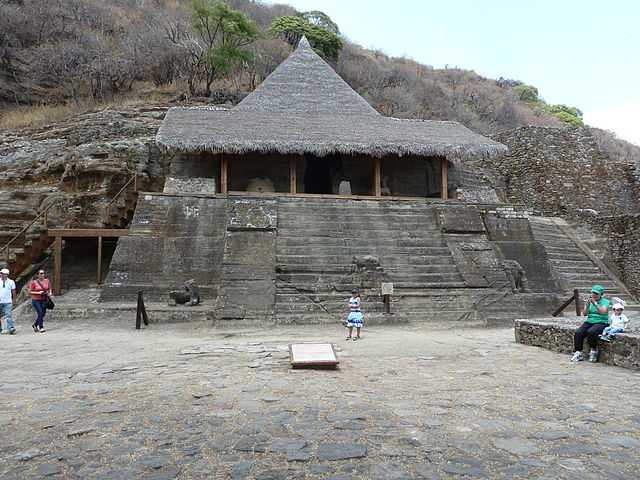
Cuauhtinchan
Cuauhtinchan, also known as Cuauhtinchan Archeological Zone, is an ancient Mesoamerican site located in the state of Puebla, Mexico. The site is estimated to be around 1,500 years old and was primarily occupied by the Chichimeca people, although it later came under the influence of other Mesoamerican cultures like the Aztecs. Cuauhtinchan is known for its complex of pyramids, plazas, and other architectural features.
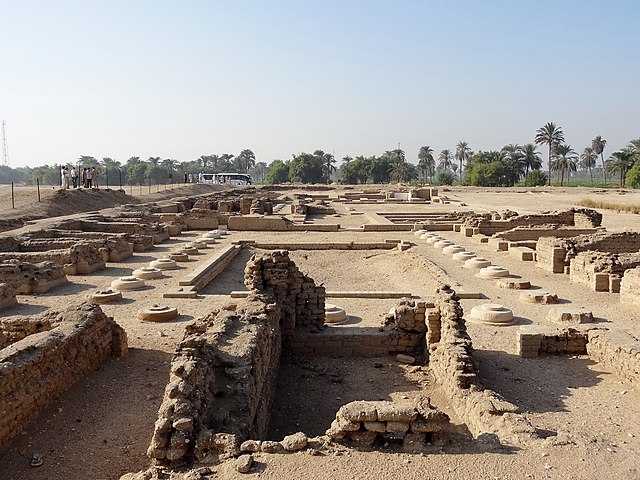
Amarna
The Amarna period in ancient Egyptian history is named after the city of Amarna, which served as the capital during the reign of Pharaoh Akhenaten. This period is known for its radical religious and artistic changes, as Akhenaten promoted the worship of the sun-disk god Aten and abandoned the traditional polytheistic beliefs. This led to the closure of many temples and the persecution of traditional priesthoods. Akhenaten also introduced a new artistic style, characterized by elongated and exaggerated features. The Amarna period saw a decline in Egypt’s international power, as Akhenaten focused on domestic reform and neglected foreign affairs. The period ended with the death of Akhenaten and the restoration of the traditional religious and political structure under his successors Tutankhamun and Horemheb.