
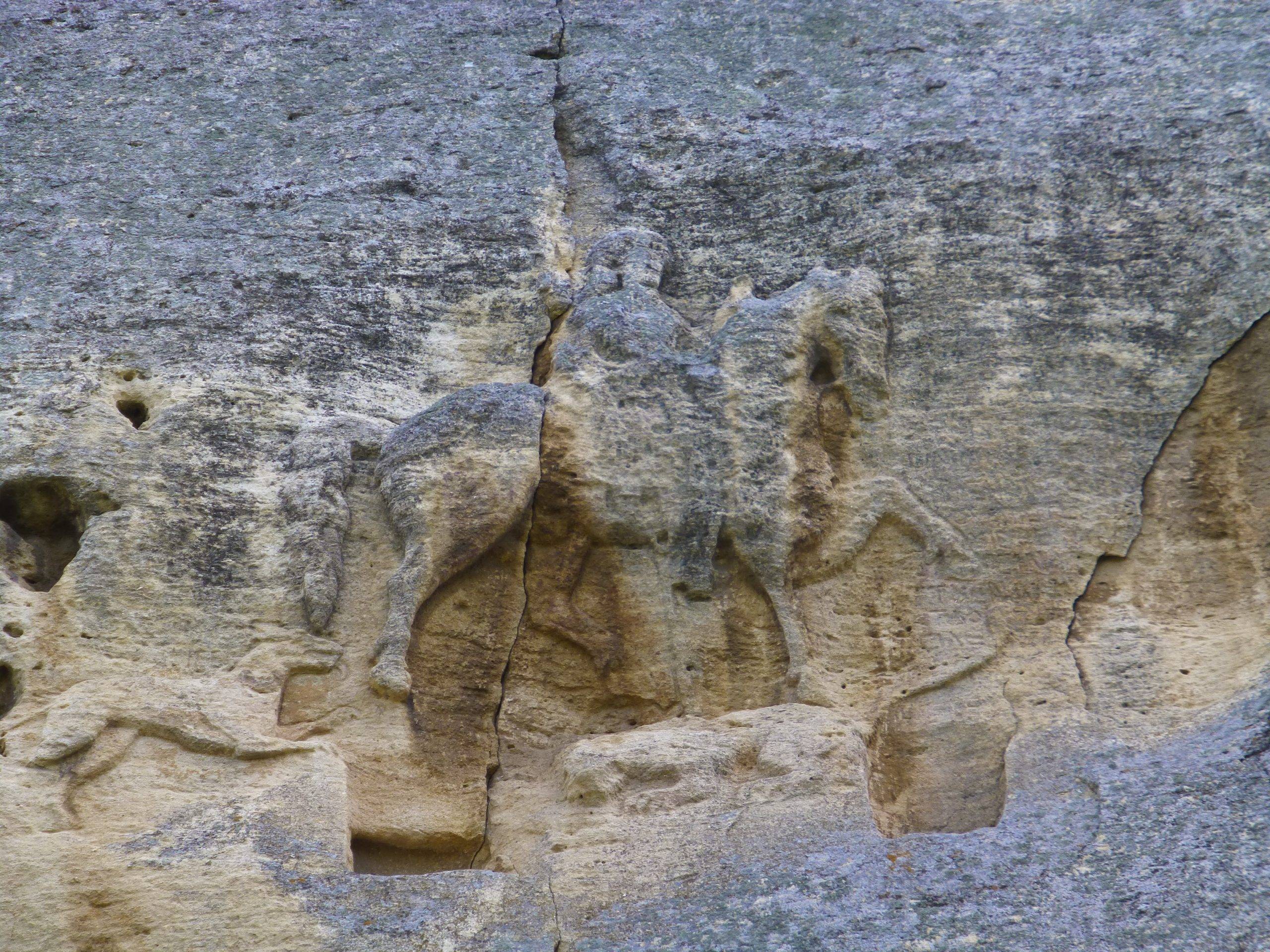
The Madara Rider, also known as the Madara Horseman, is a magnificent historical monument situated in northeastern Bulgaria. This relic, carved into a 100-meter-high cliff, dates back to the late 7th century. The Madara Rider is unique, being the only such relief found in Europe from the Early Middle Ages. It depicts a horseman thrusting a spear into a lion lying at his horse’s feet. An eagle is shown flying in front of the horseman, and a dog runs after him.
Neural Pathways
Neural Pathways is a collective of seasoned experts and researchers with a profound passion for unraveling the enigmas of ancient history and artifacts. With a wealth of combined experience spanning decades, Neural Pathways has established itself as a leading voice in the realm of archaeological exploration and interpretation.
Our team of researchers and scholars provide unparalleled depth of knowledge in deciphering the intricate narratives embedded within ancient artifacts and deciphering the cultural nuances that shaped civilizations of the past. Through meticulous research, rigorous analysis, and a collaborative spirit, Neural Pathways has made and continues to make significant contributions to our understanding of the human past.
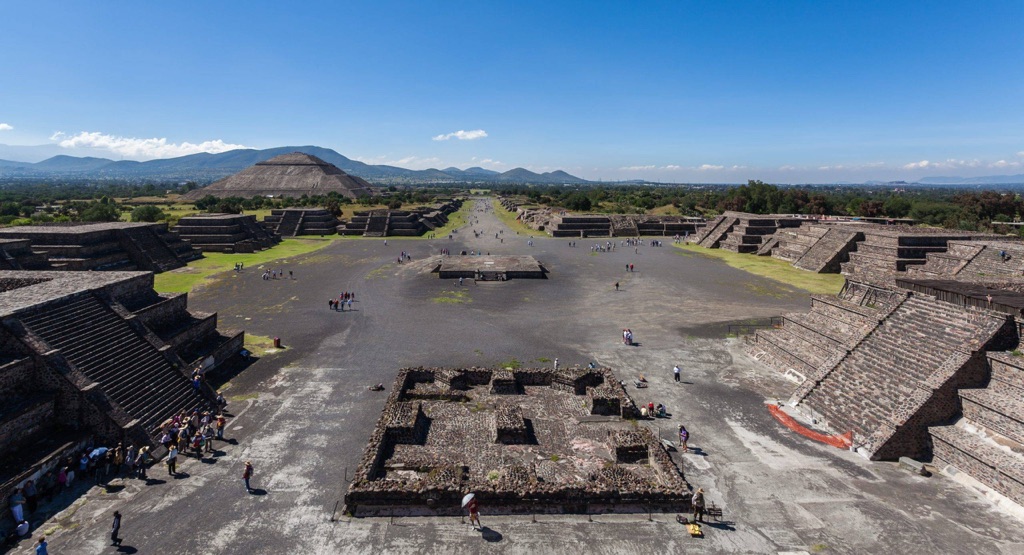
Teotihuacan
Teotihuacan, an ancient Mesoamerican city located in the Basin of Mexico, is a treasure trove of history and culture. Established around 100 BC, it was the largest city in the pre-Columbian Americas, with an estimated population of 125,000 or more, making it at least the sixth largest city in the world during its epoch. The city is known for its well-preserved murals, vast Avenue of the Dead, and the impressive Pyramids of the Sun and Moon.
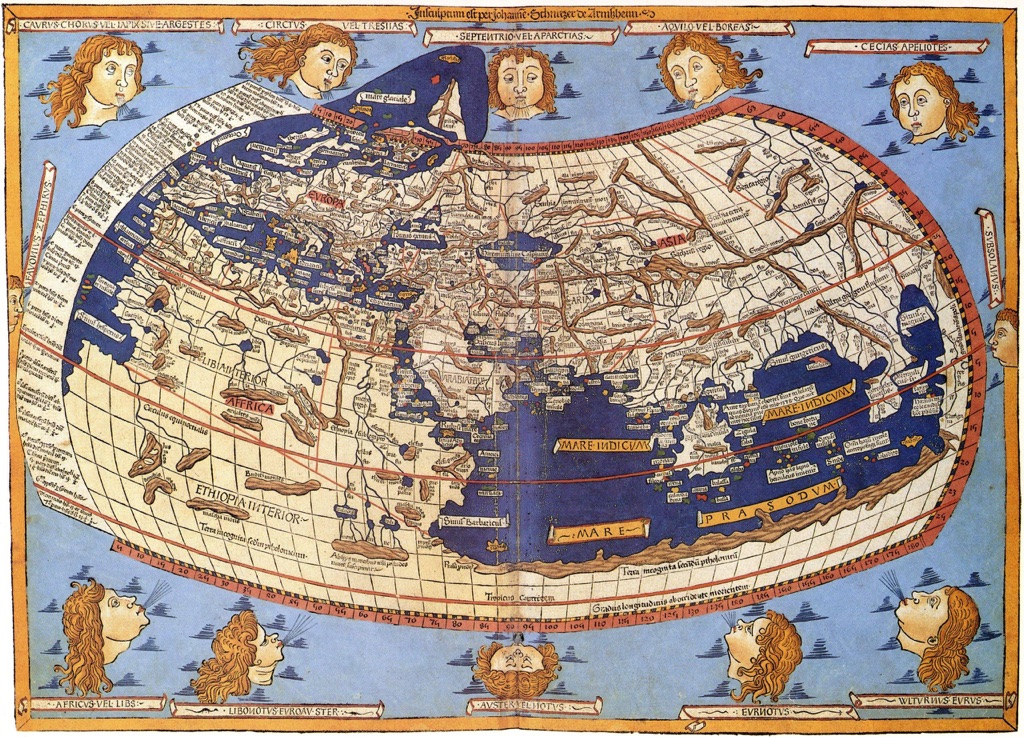
Terra Australis
Terra Australis, often referred to as the “Southern Land,” is a hypothetical continent first posited in antiquity and later explored by many brave adventurers. This landmass was believed to exist far south of the equator, balancing the known land in the Northern Hemisphere. While Terra Australis as initially imagined doesn’t exist, the term eventually became associated with Australia, a continent that indeed lies in the southern hemisphere.
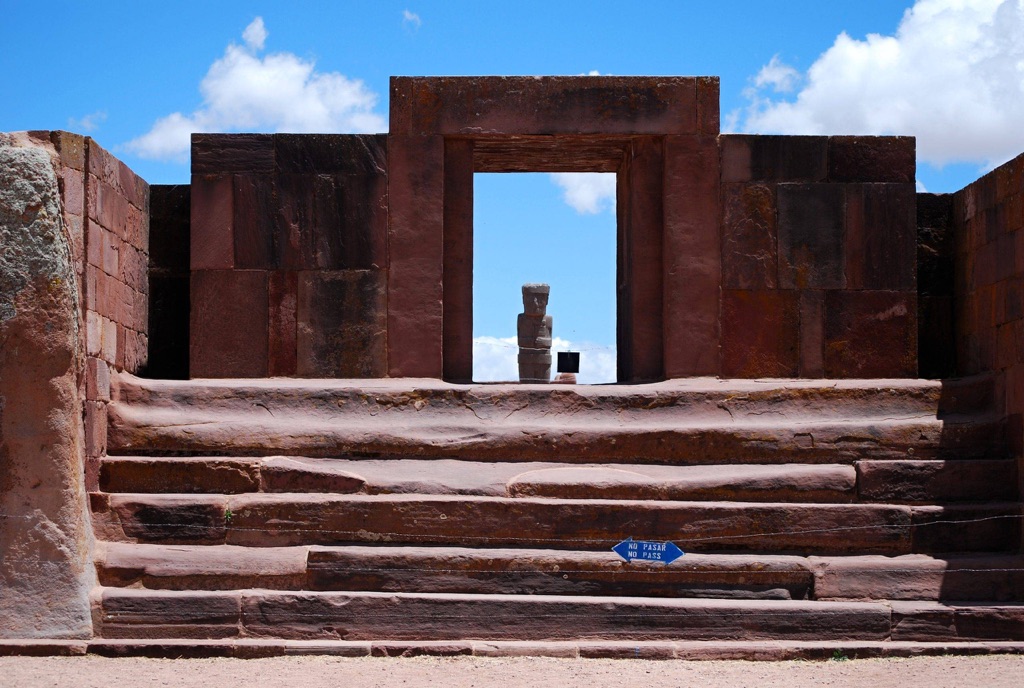
Kalasasaya
Kalasasaya, an ancient archaeological site located in western Bolivia, is a part of the larger Tiwanaku site, a UNESCO World Heritage Site. The name “Kalasasaya” translates to “standing stones” and is a testament to the site’s impressive stone architecture. The complex is renowned for its precision-cut stones and the Gateway of the Sun, a monolithic doorway intricately carved with depictions of a deity and celestial symbols.
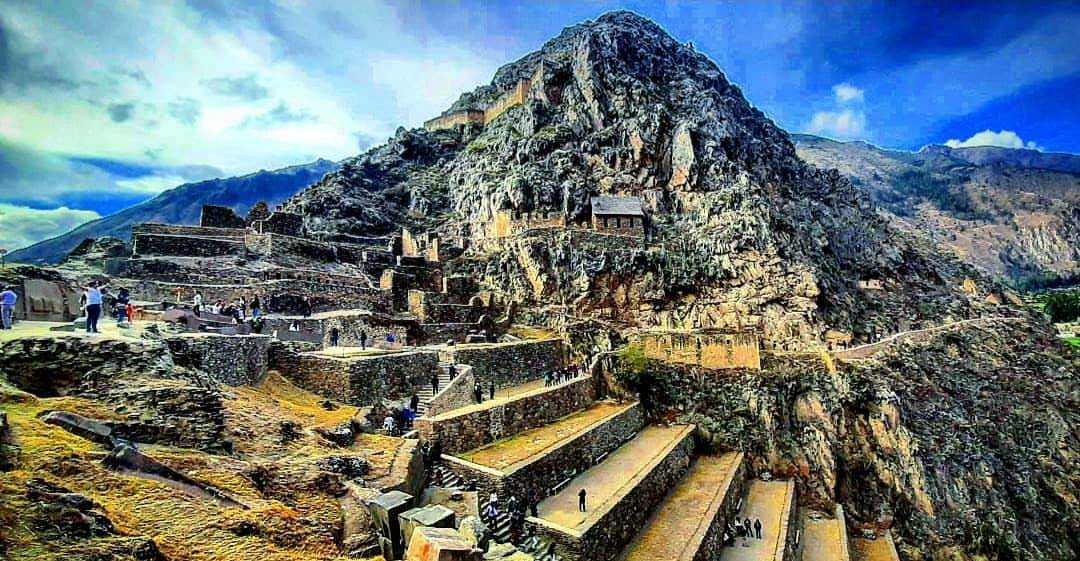
Ollantaytambo
Ollantaytambo, often referred to as ‘Ollanta’, is a town and an Inca archaeological site in southern Peru. This historic gem, nestled in the Sacred Valley of the Incas, is approximately 60 kilometers northwest of the city of Cusco. It’s one of the most monumental architectural complexes of the ancient Inca Empire, often considered a living museum. Ollantaytambo is famed for its terraces, intricate stone constructions, and the Sun Temple.
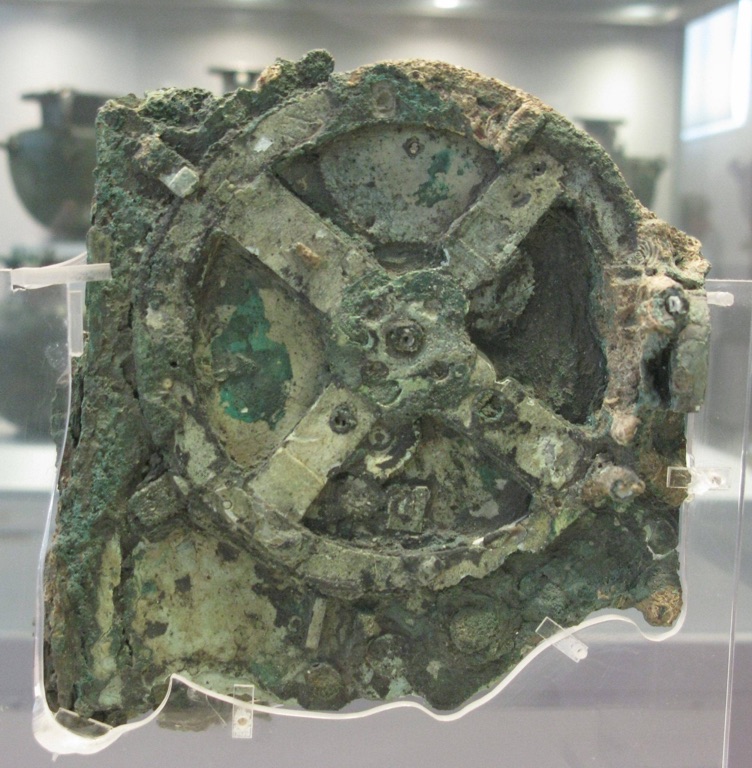
The Antikythera mechanism
The Antikythera mechanism, a fascinating artifact from ancient Greece, is considered the world’s first analog computer. Discovered in a shipwreck near the Greek island of Antikythera in 1901, this complex clockwork device was used to predict astronomical positions and eclipses decades in advance. It also tracked the four-year cycle of the ancient Olympic Games. Despite being over 2,000 years old, its intricate engineering and sophisticated functionality continue to astound scientists and historians alike.