
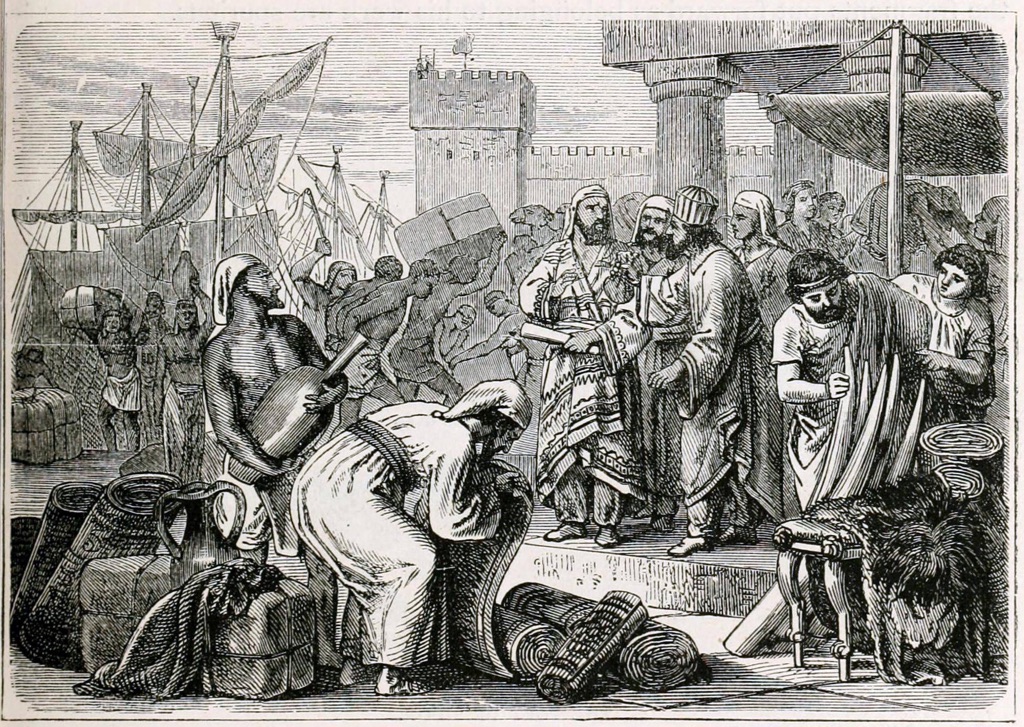
The Phoenicians were an ancient civilization that thrived in the eastern Mediterranean region, primarily on the coastal plains of modern-day Lebanon, from about 1500 BC to 300 BC. They were renowned seafarers, traders, and craftsmen, and they established colonies and trading posts throughout the Mediterranean and beyond. They also developed an alphabet that became the basis for many modern scripts.
Neural Pathways
Neural Pathways is a collective of seasoned experts and researchers with a profound passion for unraveling the enigmas of ancient history and artifacts. With a wealth of combined experience spanning decades, Neural Pathways has established itself as a leading voice in the realm of archaeological exploration and interpretation.
Our team of researchers and scholars provide unparalleled depth of knowledge in deciphering the intricate narratives embedded within ancient artifacts and deciphering the cultural nuances that shaped civilizations of the past. Through meticulous research, rigorous analysis, and a collaborative spirit, Neural Pathways has made and continues to make significant contributions to our understanding of the human past.
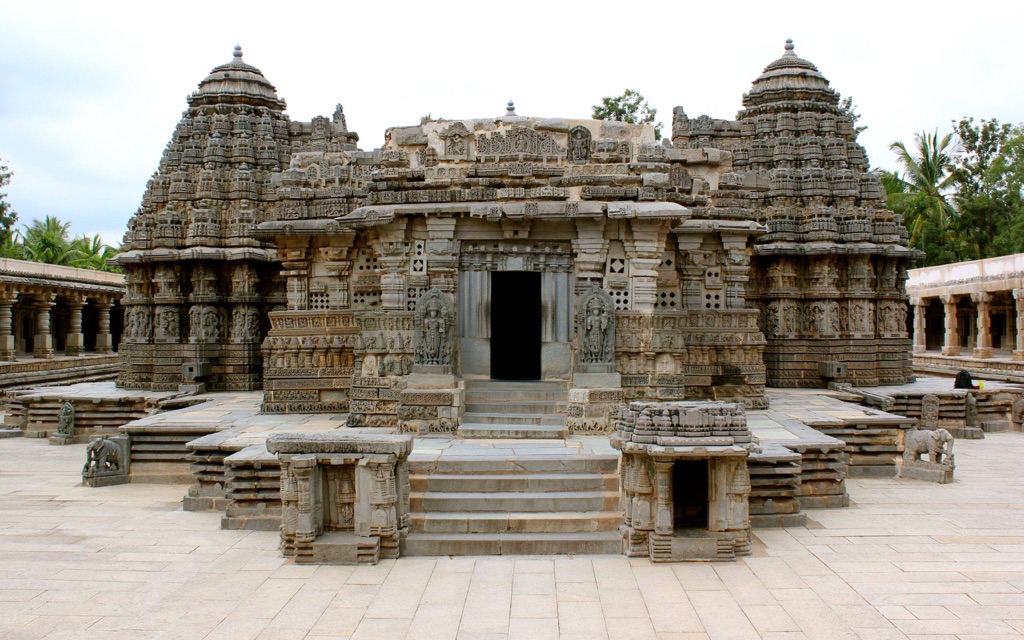
Chennakesava Temple – Somanathapura
The Chennakesava Temple, a magnificent example of Hoysala architecture, is located in Somanathapura, India. Constructed in the 13th century, this temple is dedicated to Lord Vishnu, also known as Chennakesava. It’s famed for its intricate carvings and sculptures depicting scenes from Hindu mythology. The temple is a testament to the craftsmanship of the Hoysala era, making it a significant historical and cultural landmark. It was built during the reign of the Hoysala king Narasimha III in 1258 AD.
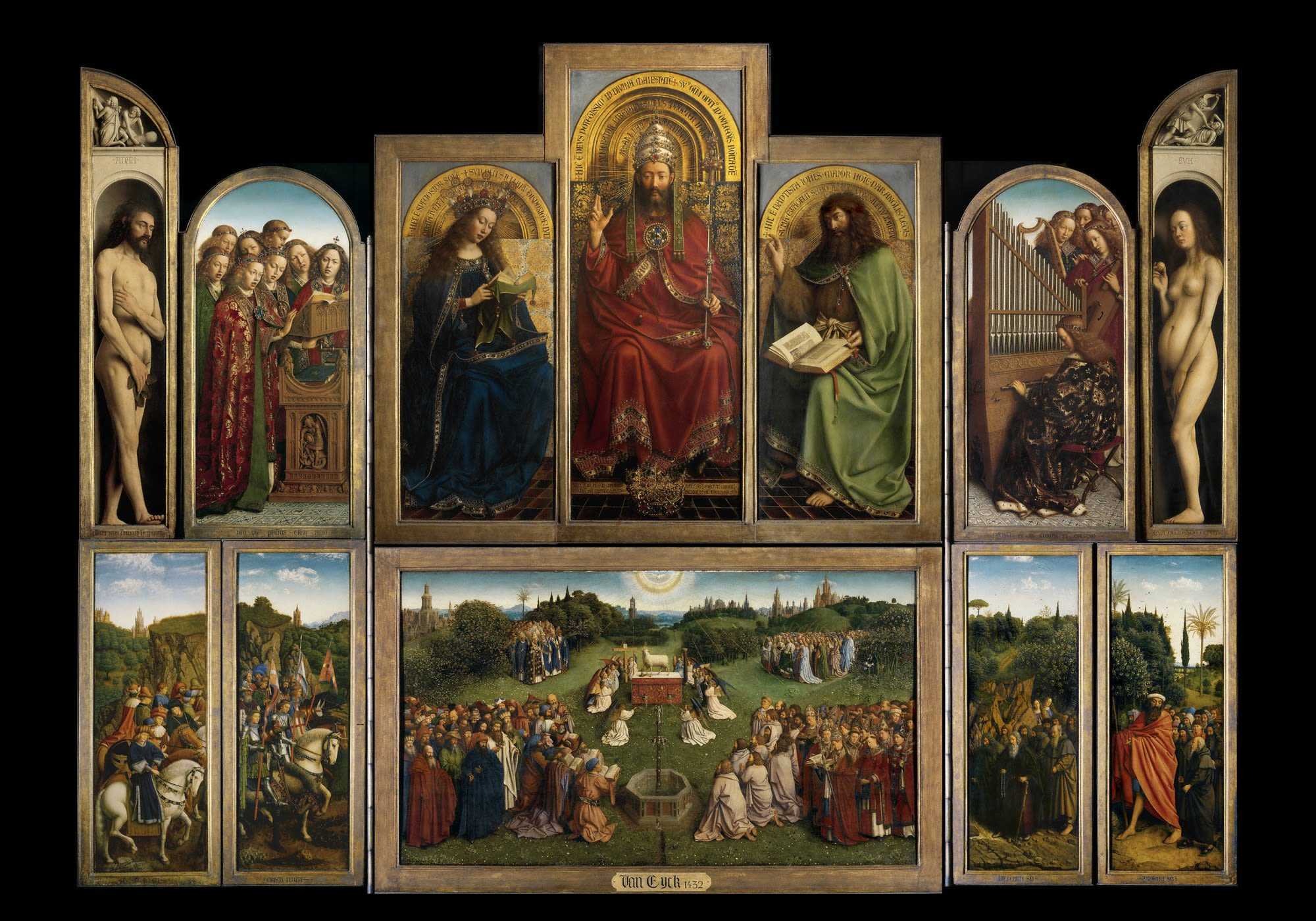
Ghent Altarpiece
The Ghent Altarpiece, also known as the Adoration of the Mystic Lamb, is a remarkable piece of art history. Created by the brothers Hubert and Jan van Eyck in the 15th century, this large and complex altarpiece has captivated viewers with its intricate details, revolutionary techniques, and profound religious symbolism. Composed of 12 panels, each richly adorned with various biblical scenes and figures, the Ghent Altarpiece is a testament to the artistic genius of the van Eyck brothers and the spiritual fervor of its time.
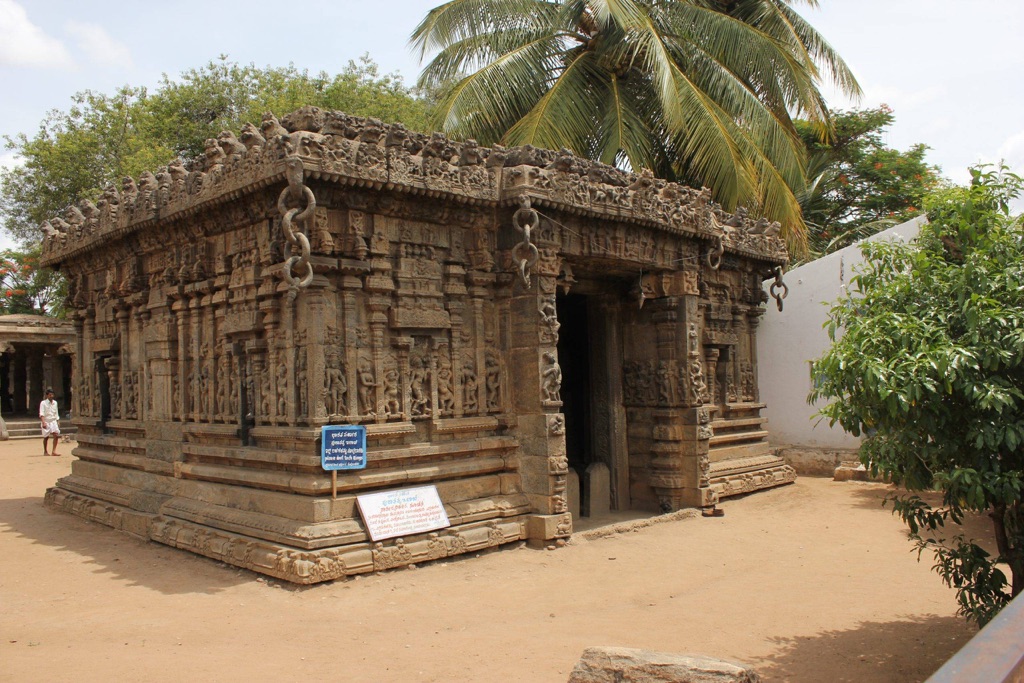
The Gaurishvara Temple
The Gaurishvara Temple, a beacon of Dravidian architecture, is nestled in the heart of Yelandur, Karnataka, India. Dedicated to Lord Shiva, this historical marvel was built by a chieftain under the Vijayanagara Empire in the 16th century. Its distinctive features include intricately carved reliefs, a towering entrance, and a uniquely designed sanctum. The temple, a testament to the rich cultural heritage of the region, continues to draw history enthusiasts and spiritual seekers alike.
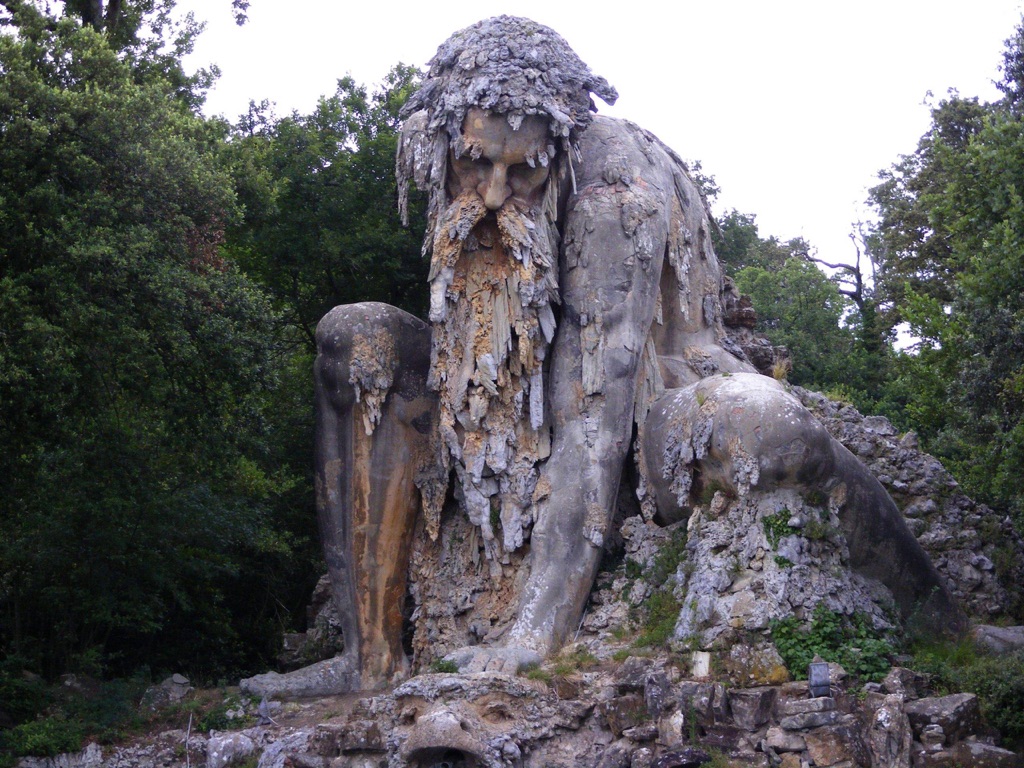
The Appennine Colossus
The Appennine Colossus, a remarkable statue standing tall in Villa Demidoff near Florence, Italy, is a true marvel of the 16th century. This 35-foot sculpture, designed by Giambologna, depicts a mythical giant embedded in the natural landscape. It’s not just a statue, but an architectural wonder with hidden rooms and passageways. A testament to the grandeur of the Renaissance period, the Colossus is a symbol of the harmonious relationship between man and nature.
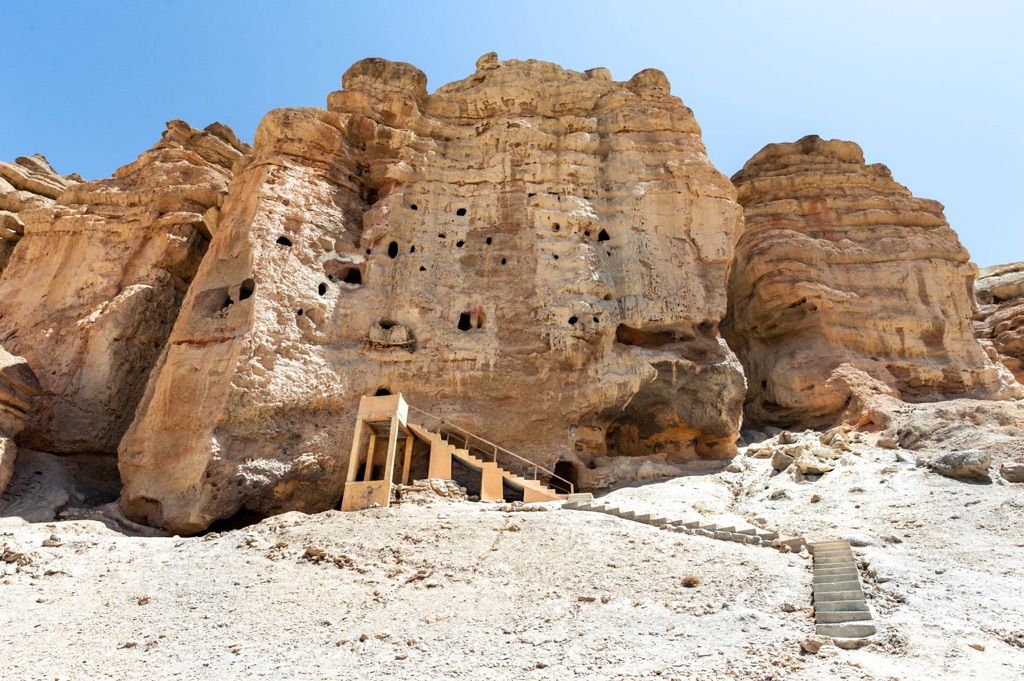
Mustang Caves – The Sky Caves of Nepal
The Mustang Caves, also known as the Sky Caves of Nepal, are an intriguing historical site. Nestled in the cliffs of the Mustang district in Nepal, these man-made caves date back over 2,000 years. They are stacked in vertical rows, sometimes reaching up to 14 stories high, earning them the name ‘Sky Caves’. The caves’ original purpose remains a mystery, though they have served as dwellings, burial chambers, and places of meditation. Despite extensive research, many of the caves remain unexplored, making them a fascinating subject for archaeologists and history enthusiasts alike.