
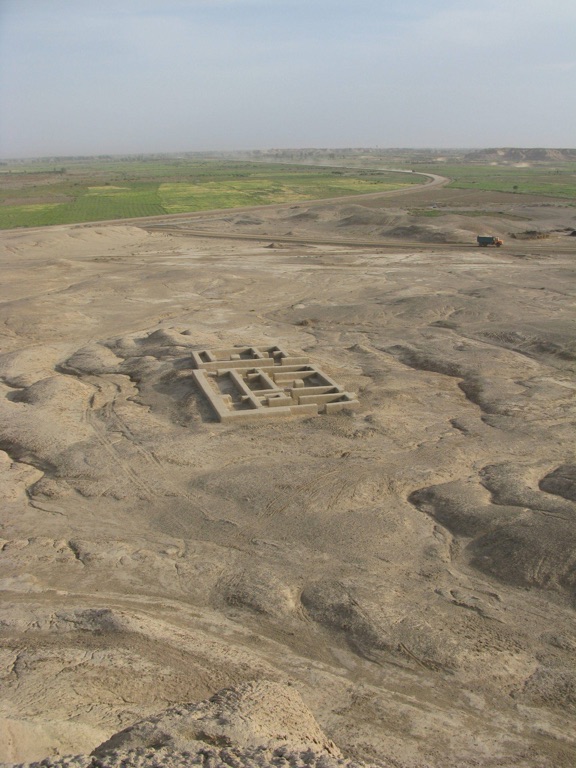
Dahan-e Gholaman is a historical city located in southeastern Iran. Unearthed in 1961 by Italian archaeologists, it dates back to the Achaemenid Empire (550-330 BC). The city’s name, translating to “Slave’s Gateway,” stems from a local legend. However, its original name remains unknown. The city’s ruins offer a glimpse into ancient Zoroastrian culture, featuring temples, residential areas, and a unique water management system.
Neural Pathways
Neural Pathways is a collective of seasoned experts and researchers with a profound passion for unraveling the enigmas of ancient history and artifacts. With a wealth of combined experience spanning decades, Neural Pathways has established itself as a leading voice in the realm of archaeological exploration and interpretation.
Our team of researchers and scholars provide unparalleled depth of knowledge in deciphering the intricate narratives embedded within ancient artifacts and deciphering the cultural nuances that shaped civilizations of the past. Through meticulous research, rigorous analysis, and a collaborative spirit, Neural Pathways has made and continues to make significant contributions to our understanding of the human past.
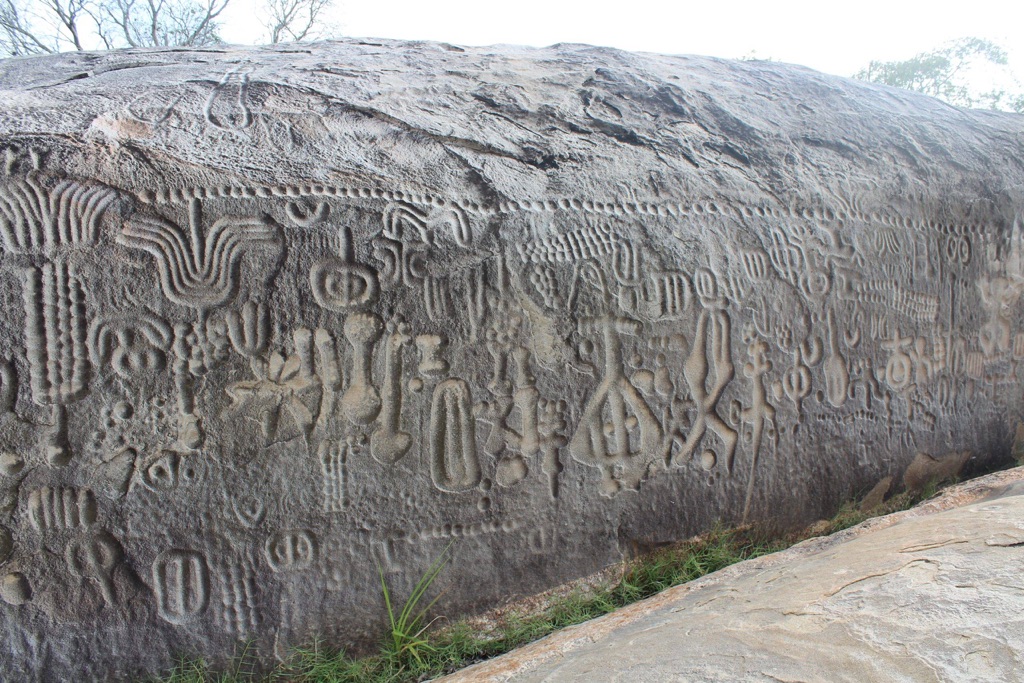
The Inga Stone
The Inga Stone, also known as the Itacoatiara do Inga, is a mysterious archaeological artifact located in Paraíba, Brazil. This unique stone, measuring approximately 250 feet in length, is renowned for its intricate carvings and inscriptions.

Viking Runestones
Viking Runestones are ancient stones or rocks, often found in Scandinavia, inscribed with symbols known as runes. They were typically erected as memorials to deceased individuals, though they also served other purposes.
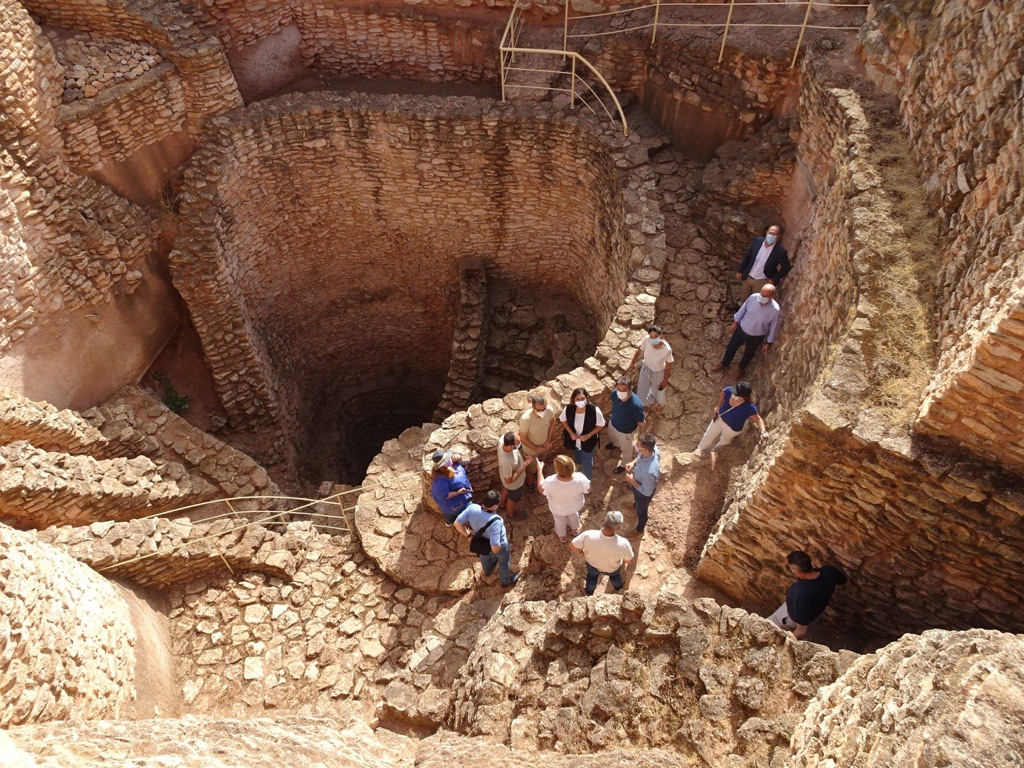
Motilla del Azuer
Motilla del Azuer is a historical and archaeological site located in the province of Ciudad Real, Spain. It is a Bronze Age fortress that dates back to around 2200-1500 BC, making it one of the oldest fortifications in Western Europe.
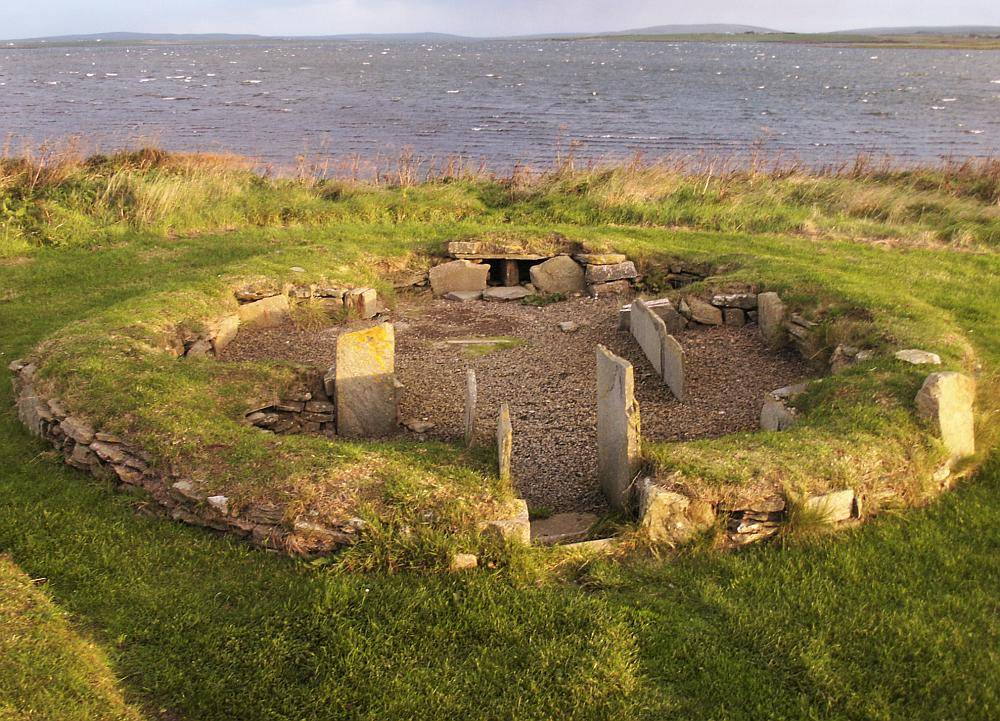
Barnhouse Settlement
The Barnhouse Settlement is a prehistoric village located on the island in Orkney, Scotland. The settlement was occupied from around 3300 to 2600 BC, during the Neolithic period.settlement was occupied from around 3300 to 2600 BC, during the Neolithic period.
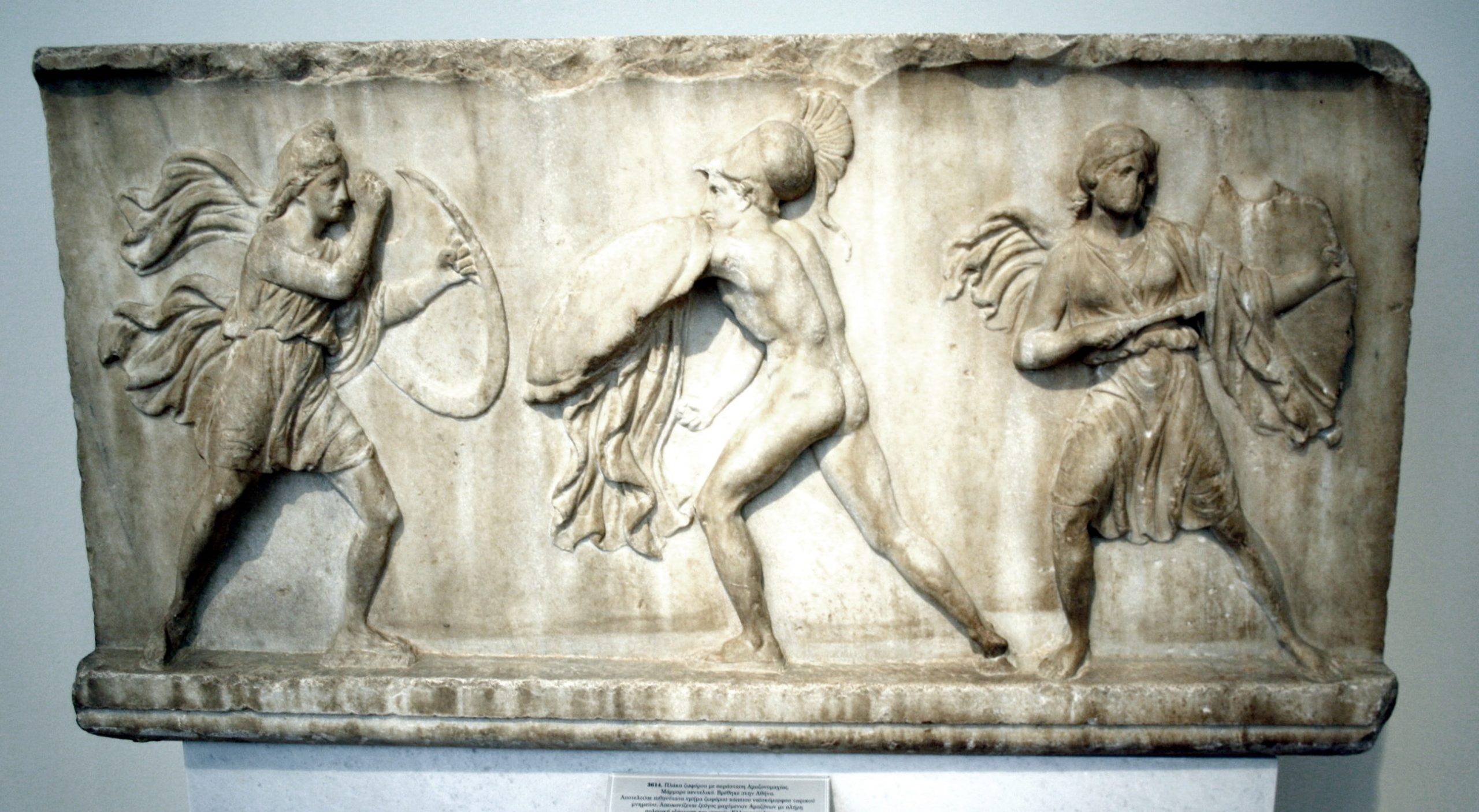
The Relief of an Amazonomachy
The Relief of an Amazonomachy is a historical artifact that showcases a significant mythological battle between the Greeks and the Amazons.