
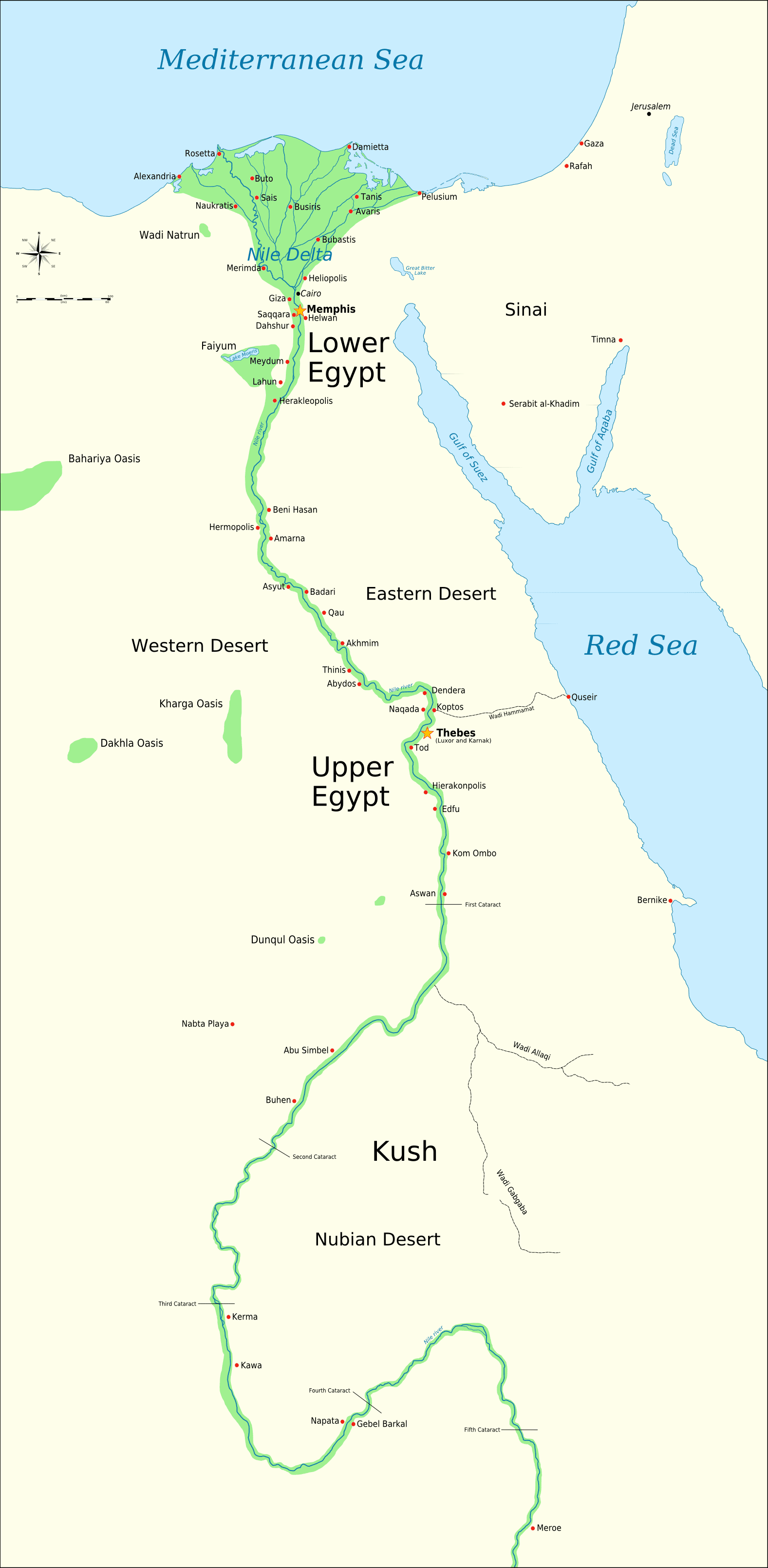
The Ancient Egyptians, one of the most remarkable civilizations in history, were known for their impressive achievements in various fields such as architecture, mathematics, medicine, and art. This civilization, which thrived in the northeastern part of Africa from 3100 BC to 332 BC, was characterized by its complex religious beliefs, social hierarchy, and a writing system that included hieroglyphs. Their lasting legacy is evident in the colossal pyramids, the Sphinx, and the rich artifacts found in the tombs of their pharaohs.
Neural Pathways
Neural Pathways is a collective of seasoned experts and researchers with a profound passion for unraveling the enigmas of ancient history and artifacts. With a wealth of combined experience spanning decades, Neural Pathways has established itself as a leading voice in the realm of archaeological exploration and interpretation.
Our team of researchers and scholars provide unparalleled depth of knowledge in deciphering the intricate narratives embedded within ancient artifacts and deciphering the cultural nuances that shaped civilizations of the past. Through meticulous research, rigorous analysis, and a collaborative spirit, Neural Pathways has made and continues to make significant contributions to our understanding of the human past.
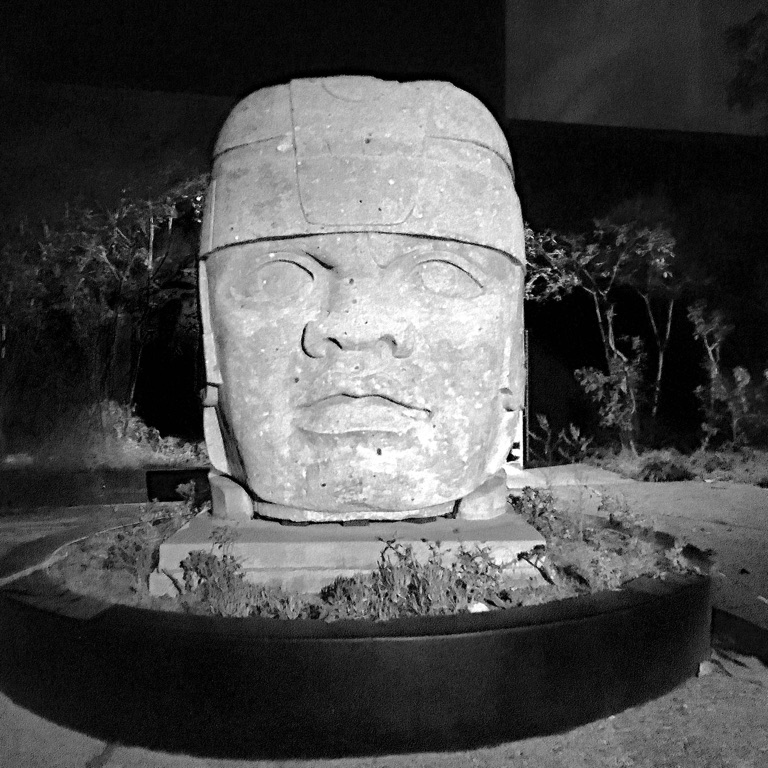
Who exactly were the Olmecs
The Olmecs were an ancient civilization that thrived in the tropical lowlands of south-central Mexico, in the modern-day states of Veracruz and Tabasco, from about 1500 BC to about 400 BC. They are considered the first major civilization in Mesoamerica and laid many of the foundations for the civilizations that followed, including the Maya and the Aztecs.
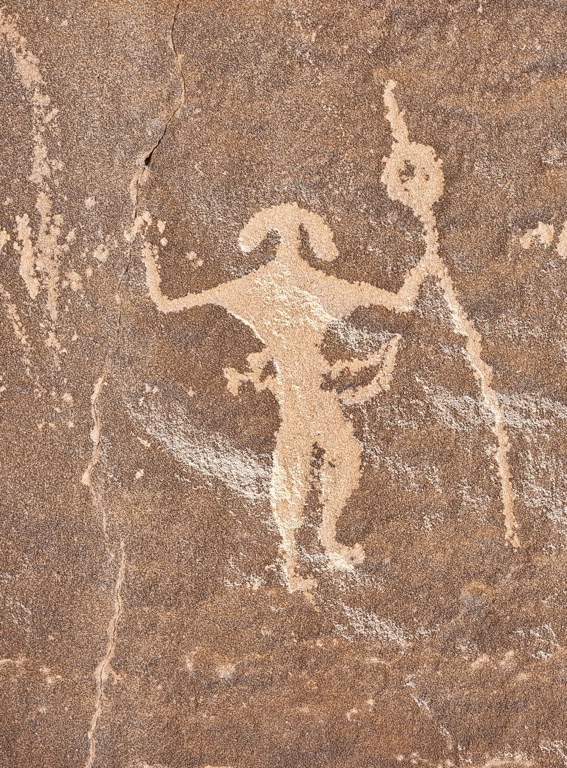
The Hima Cultural Area
The Hima Cultural Area is a historical region located in the southwestern part of Saudi Arabia. It is a place of great cultural and historical significance, with a rich history that dates back thousands of years. The area is known for its unique rock art, archaeological discoveries, and distinctive cultural features. The Hima Cultural Area is a UNESCO World Heritage Site, recognized for its cultural and historical importance. It is a fascinating place to visit, offering a glimpse into the past and a chance to learn about the history and culture of the region.
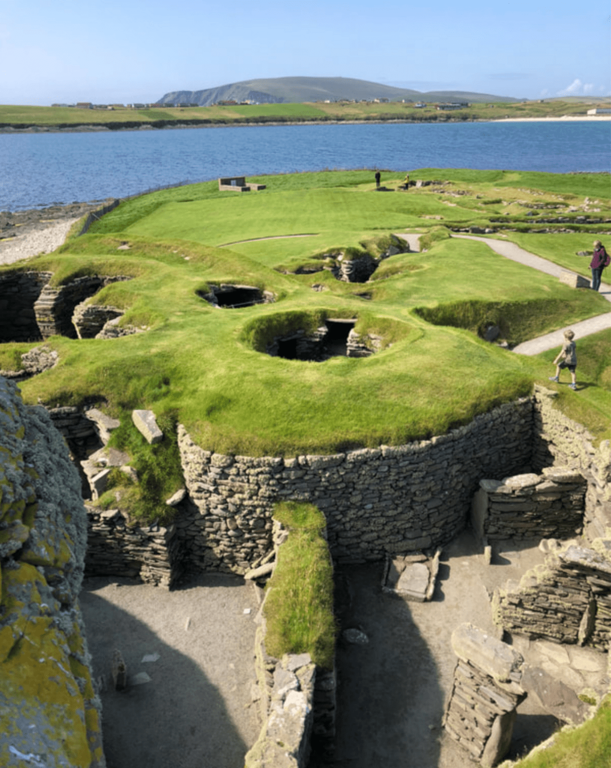
Jarlshof Prehistoric and Norse Settlement
Jarlshof Prehistoric and Norse Settlement is a significant archaeological site located in Shetland, Scotland. The site presents a remarkable timeline of human habitation spanning over 4,000 years, from the Bronze Age to the Viking Age. Jarlshof showcases a variety of structures and artifacts that offer a unique glimpse into the lives of its past inhabitants. The settlement’s rich history and well-preserved remains make it a fascinating study for archaeologists and a popular destination for history enthusiasts.
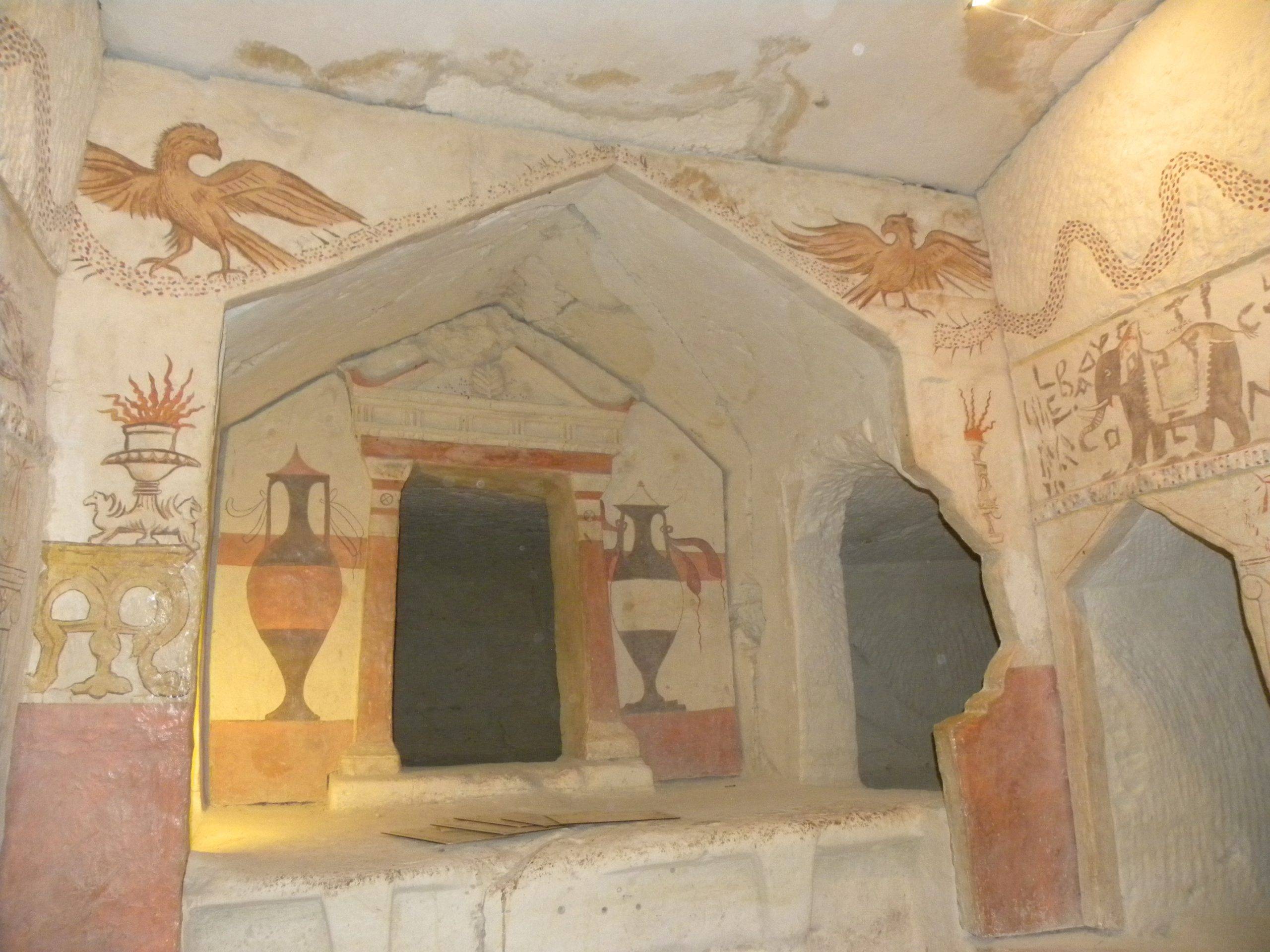
The Sidonian Burial Caves
The Sidonian Burial Caves, a series of tombs and burial sites, are an intriguing part of history. Located in modern-day Lebanon, these caves are remnants of the ancient Phoenician city of Sidon. Known for their elaborate carvings and inscriptions, they offer a glimpse into the rich cultural and religious practices of the Sidonians. The caves, discovered in the 19th century, have yielded numerous artifacts, shedding light on the Phoenicians’ life and death rituals.
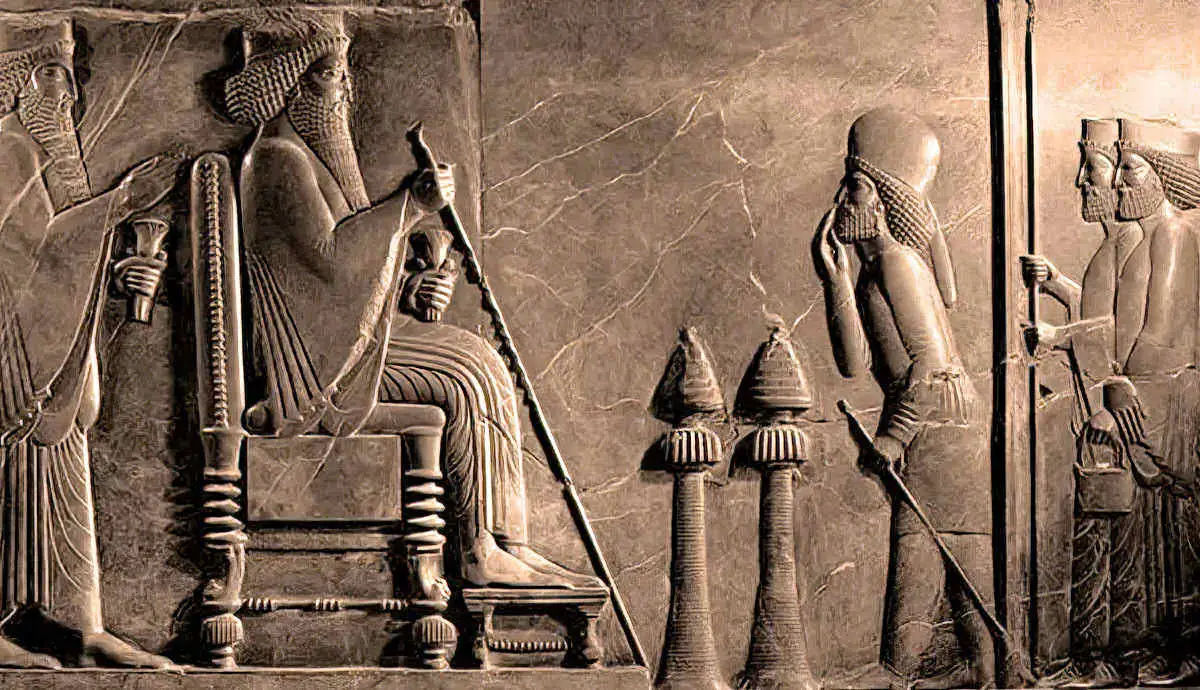
The Relief of Xerxes I at Persepolis
The Relief of Xerxes I at Persepolis is a remarkable artifact that offers a glimpse into the rich history of ancient Persia. This stone relief, carved during the reign of Xerxes I, is an important piece of Persian art and architecture. Located in the ancient city of Persepolis, it provides a visual narrative of the king’s power and the grandeur of the Persian Empire.