
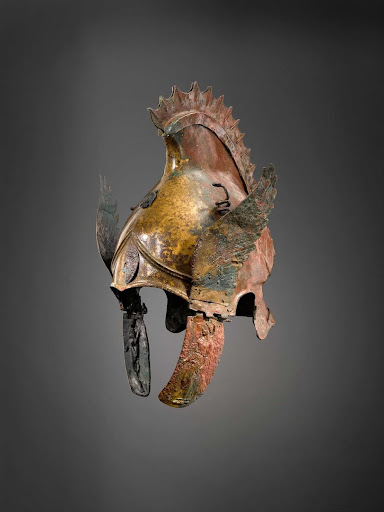
The Bronze Winged Helmet of Phrygian Chalcidian is a captivating artifact from ancient times. This remarkable piece of headgear, dating back to the 4th century BC, is a testament to the advanced craftsmanship of the Phrygian civilization. Its unique design combines elements of both Phrygian and Chalcidian styles, with its most striking feature being the ornate bronze wings. This helmet offers a fascinating glimpse into the past, revealing insights into ancient warfare, culture, and artistry.
Neural Pathways
Neural Pathways is a collective of seasoned experts and researchers with a profound passion for unraveling the enigmas of ancient history and artifacts. With a wealth of combined experience spanning decades, Neural Pathways has established itself as a leading voice in the realm of archaeological exploration and interpretation.
Our team of researchers and scholars provide unparalleled depth of knowledge in deciphering the intricate narratives embedded within ancient artifacts and deciphering the cultural nuances that shaped civilizations of the past. Through meticulous research, rigorous analysis, and a collaborative spirit, Neural Pathways has made and continues to make significant contributions to our understanding of the human past.
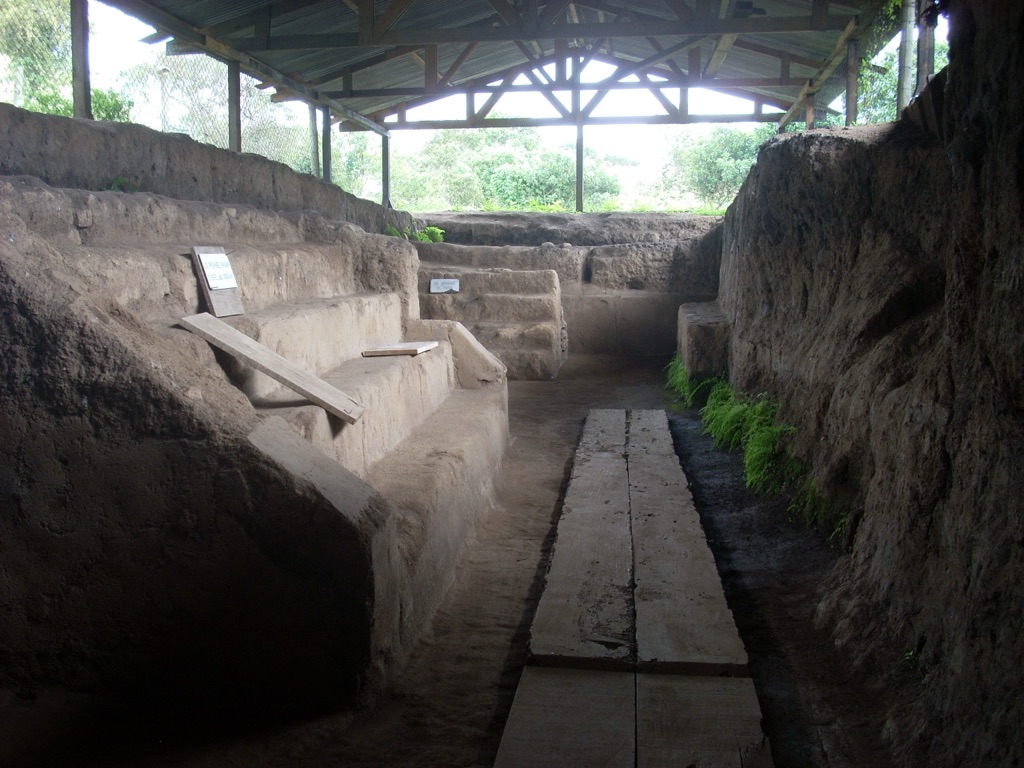
Kaminaljuyu
Kaminaljuyu, located in present-day Guatemala City, is one of the most significant archaeological sites in the region. This ancient city was a major center of the Maya civilization and played a crucial role in its development. Kaminaljuyu was inhabited from around 1500 BC to AD 1200, spanning the Preclassic and Classic periods of Mesoamerican history. Despite urban development, many artifacts and structures have been unearthed, providing invaluable insights into the civilization that once thrived here.
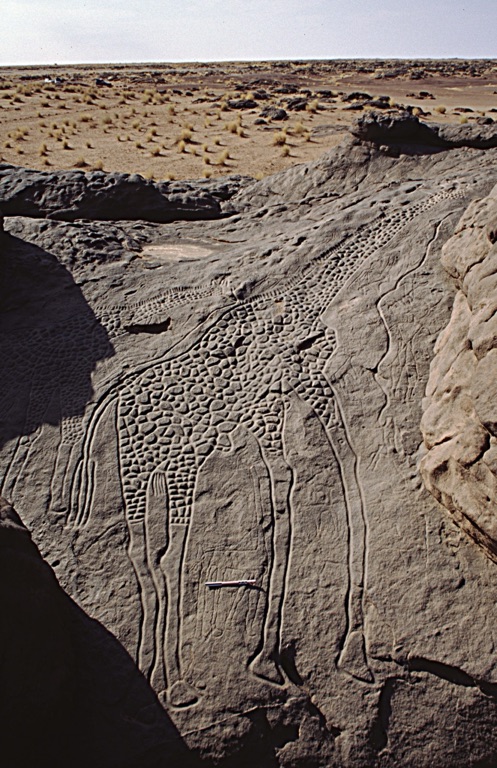
The Dabous Giraffes Petroglyphs
The Dabous Giraffes Petroglyphs are an iconic testament to the ancient artistry of the Sahara. Found in Niger, Africa, these rock carvings, believed to be around 6,000 to 8,000 years old, depict two life-sized giraffes. The larger of the two, a female, measures nearly 18 feet in height, making it one of the largest known animal petroglyphs in the world. The smaller, a male, stands just beside her. These carvings offer a window into the Sahara’s green past, a time when giraffes roamed freely in the region.
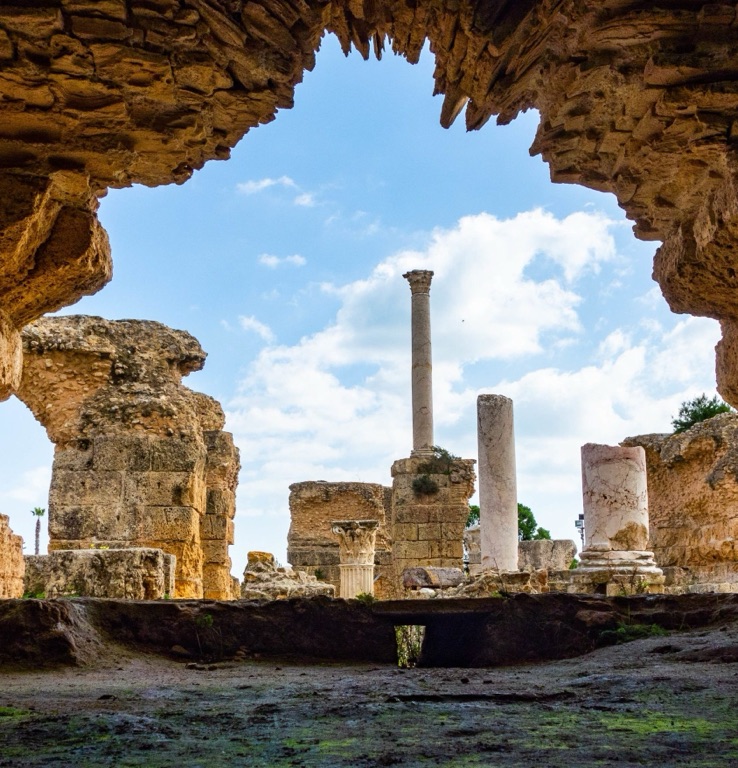
Carthage: A Beacon of Ancient Civilization
Carthage was an ancient city located on the eastern side of Lake Tunis, in what is now Tunisia. Founded by the Phoenicians in the 9th century BC, it grew to become a vast and powerful city-state that dominated the Mediterranean. Carthage was renowned for its wealth, sophistication, and naval prowess. It was a major hub of trade and commerce, and its influence extended across North Africa, the Iberian Peninsula, and the islands of the Mediterranean. Despite its eventual destruction by Rome in the Third Punic War, Carthage’s legacy continues to shape our understanding of the ancient world.
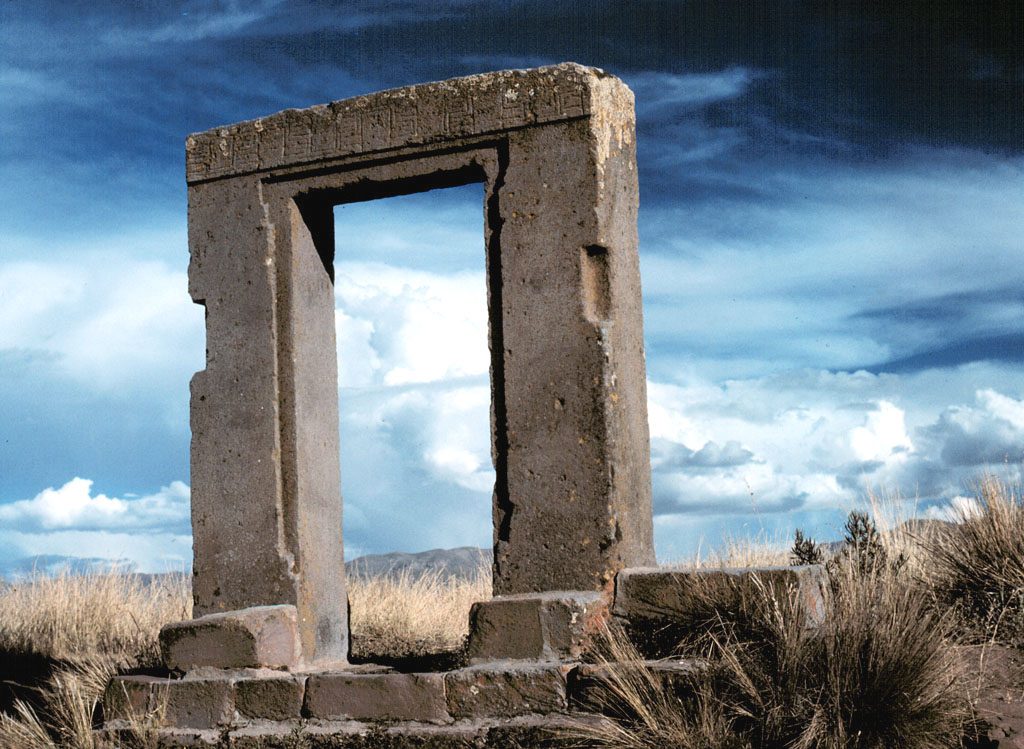
The Moon Gate in Tiwanaku
The Moon Gate, located in Tiwanaku, Bolivia, is a fascinating archaeological relic from the pre-Inca civilization. This semi-subterranean structure is a marvel of ancient architecture and a testament to the sophisticated construction techniques of the Tiwanaku people. The gate is adorned with intricate carvings and symbols, offering valuable insights into the beliefs, customs, and knowledge of this ancient civilization.
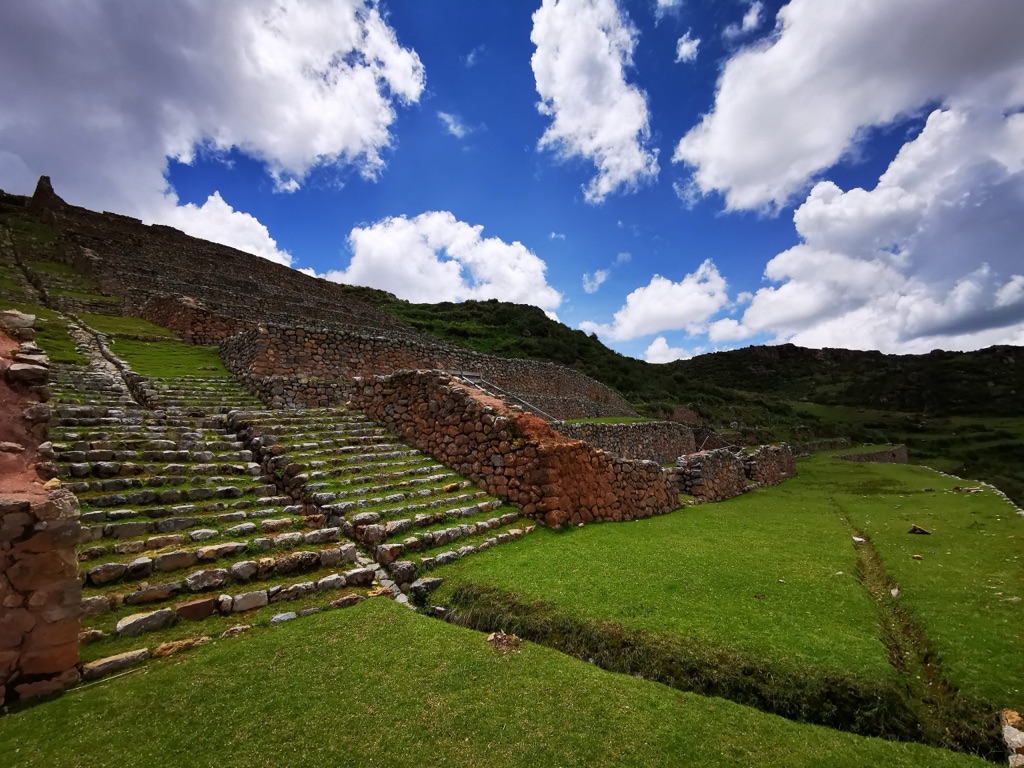
Tipon
Tipon is a significant archaeological site located in the southern region of Peru. This Inca ruin is known for its extensive and intricate agricultural terracing and water channels, showcasing the Inca’s advanced understanding of hydraulic engineering. It is believed to have been a royal estate, including residences, temples, and extensive agricultural lands. The area offers a fascinating insight into the life and technologies of the Inca civilization.