

As an underground symbol of early Christian life, the Roman Catacombs represent a remarkable segment of human history. These ancient burial sites, carved beneath the city of Rome, allow visitors to step back in time. Within the labyrinthine network, people can explore the corridors where early Christians practised their faith in secret. The catacombs hold the art, inscriptions, and tombs of martyrs, providing a powerful testament to religious devotion during times of persecution. They are not only a sacred pilgrimage destination but also a significant historical and archaeological resource, shedding light on the rituals and artistry of a past era.
Neural Pathways
Neural Pathways is a collective of seasoned experts and researchers with a profound passion for unraveling the enigmas of ancient history and artifacts. With a wealth of combined experience spanning decades, Neural Pathways has established itself as a leading voice in the realm of archaeological exploration and interpretation.
Our team of researchers and scholars provide unparalleled depth of knowledge in deciphering the intricate narratives embedded within ancient artifacts and deciphering the cultural nuances that shaped civilizations of the past. Through meticulous research, rigorous analysis, and a collaborative spirit, Neural Pathways has made and continues to make significant contributions to our understanding of the human past.
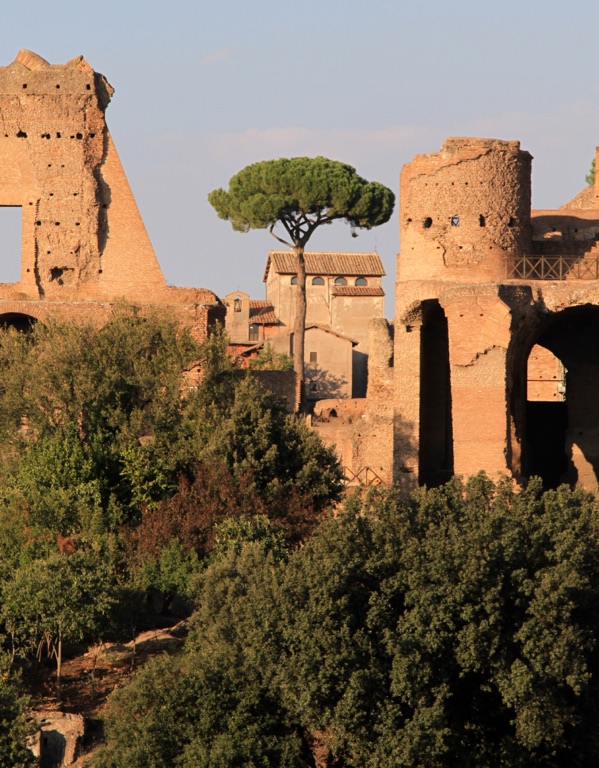
Domus Severiana Palatine Hill
The Domus Severiana stands as a testament to ancient Rome’s architectural ingenuity. Resting on the south-eastern edge of Palatine Hill, this expansive extension of the Roman Emperors’ residence overlooks the Circus Maximus and the Roman Forum. Historians and archaeologists believe Emperor Septimius Severus commissioned the grand structure in the late 2nd and early 3rd century AD. The complex showcases the Roman flair of merging form and function, as Severus aimed to solidify both his legacy and the Domus Augustana complex. The palatial remains encourage visitors to ponder the sheer scale of ancient engineering and the lifestyle of imperial Rome.
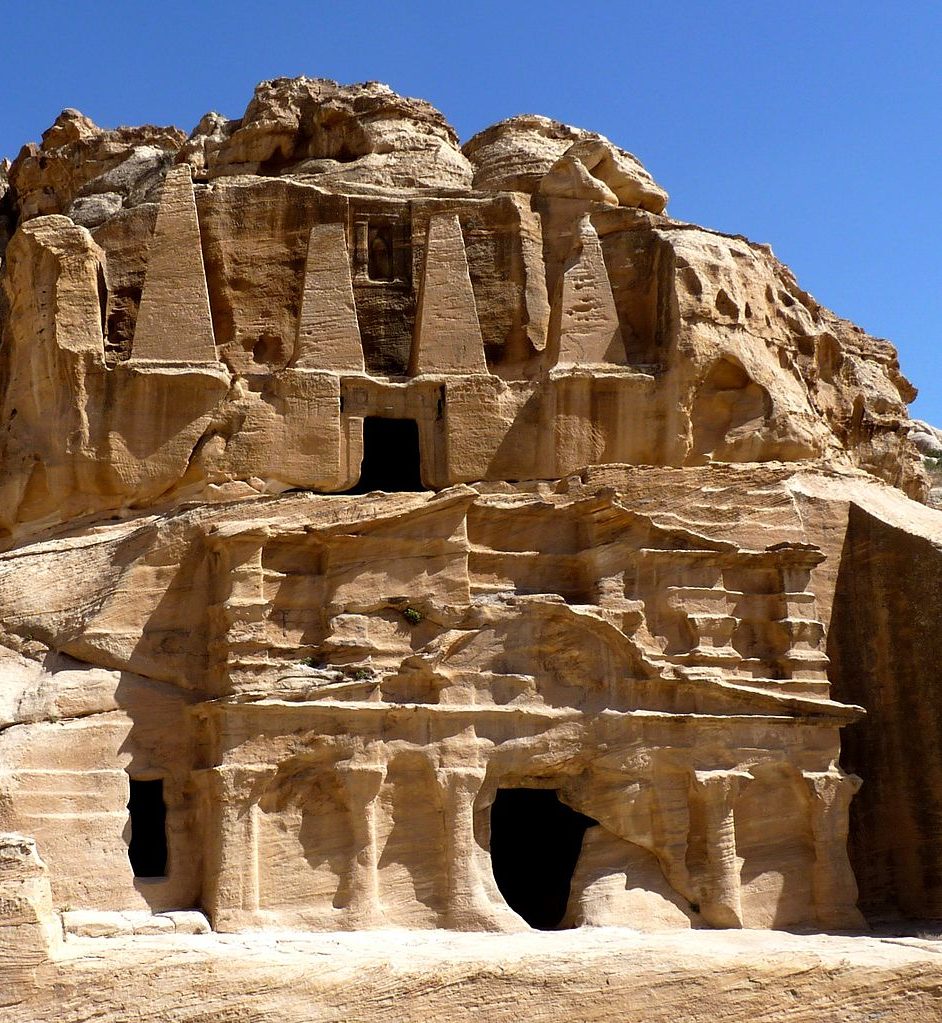
The Obelisk Tomb at Petra
The Obelisk Tomb at Petra stands as an enduring testament to Nabataean craftsmanship and cultural grandeur. Erected more than two millennia ago, this remarkable structure combines a grand tomb beneath four soaring obelisks, signifying a unique blend of native traditions with external Hellenistic influences. This tomb complex not only marks the resting place of the Nabataean elite but also showcases their sophisticated stonemasonry skills, as they ingeniously carved the entire monument out of the rose-colored sandstone cliffs. Its façade, damaged by time yet striking in beauty, continues to capture the imaginations of historians and travelers alike, offering a window into the ancient world of Petra.
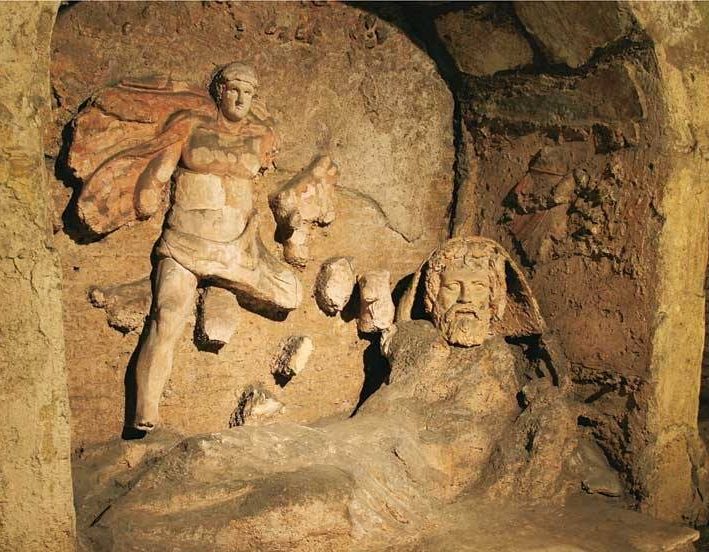
Mithraeum of Santa Prisca
Beneath the bustling streets of Rome lies the ancient Mithraeum of Santa Prisca, a subterranean temple dedicated to the god Mithras. This mysterious cult site dates back to the 2nd century AD, offering a rare look at the religion that rivaled early Christianity. Visitors can explore the remaining artifacts that highlight Mithraic rituals, such as the iconic image of Mithras slaying the bull. The preservation of the frescoes and the layout of the site provide valuable insights into the secretive gatherings that once took place here, evoking intrigue and fascination among history enthusiasts.
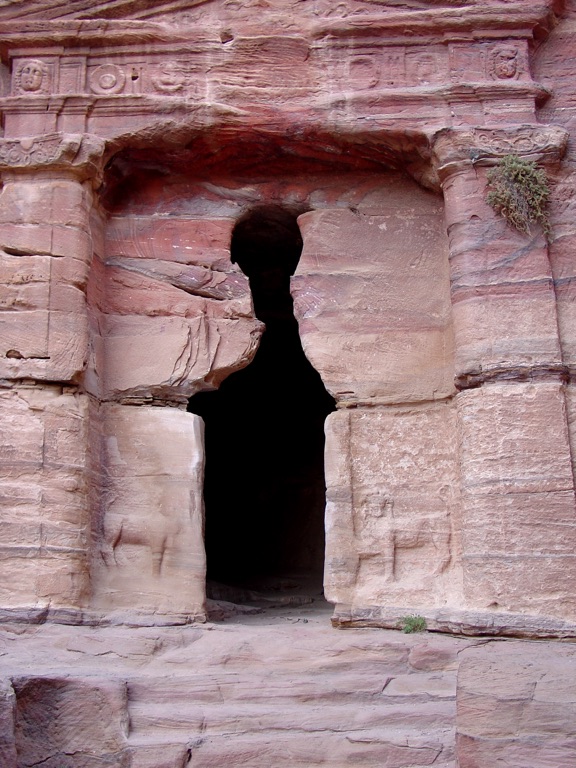
Lion Triclinium at Petra
Carved into the rosy sandstone cliffs, the Lion Triclinium stands as a testament to the engineering prowess of the Nabateans in Petra. Its facade, adorning the entrance of a tomb, is guarded by two majestic lion reliefs which symbolize protection for the dead. The triclinium itself served as a banquet hall for funeral feasts, showcasing the social customs and spiritual beliefs of the ancient people of Petra. Despite the ravages of time, this monument’s remains tell a story of reverence for the afterlife, underlining the cultural importance of elaborate burial practices in Nabatean society.
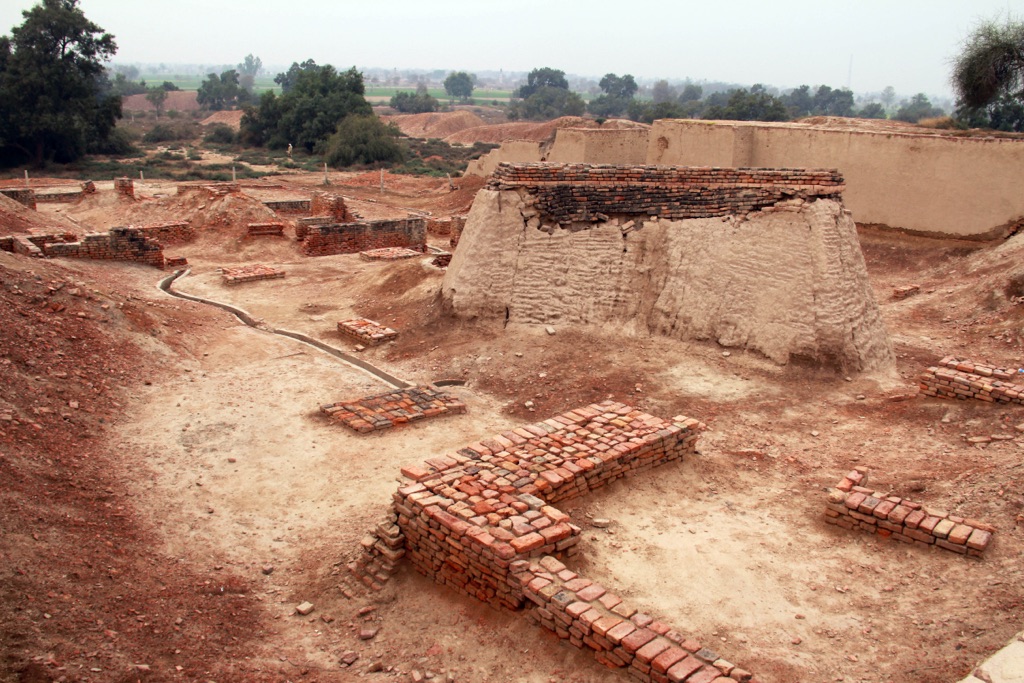
Harappa Archaeological Site
Harappa, a pivotal archaeological site in South Asia, offers a vivid glance into the advanced urban lifestyle of the ancient Indus Valley Civilization. Discovered in the 1920s, it showcases the remnants of a culture that flourished over 4,500 years ago in what is now modern-day Pakistan. This excavation site reveals a well-planned city with sophisticated town-planning that included a remarkable grid system and advanced drainage. Harappan society was known for its artisanal excellence, evident from the intricate jewelry, terracotta pottery, and inscribed seals found at the site.