
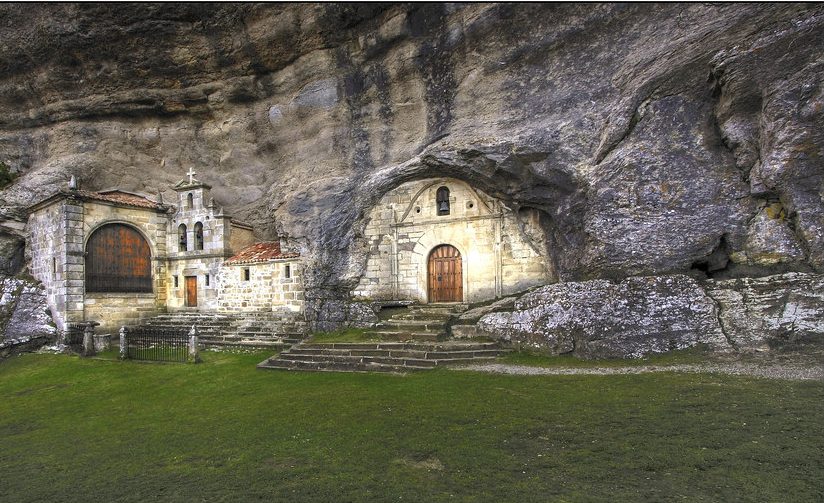
San Bernabé Hermitage Cave stands as a testament to timeless beauty and historical significance. Nestled in the picturesque landscape of the Montejaque hills in Spain, this cave hermitage not only provides a unique example of religious architecture but also tells a tale of human devotion and artistry that transcends generations. Originally carved by early Christian hermits, the cave served both as a spiritual retreat and a place of worship.
Neural Pathways
Neural Pathways is a collective of seasoned experts and researchers with a profound passion for unraveling the enigmas of ancient history and artifacts. With a wealth of combined experience spanning decades, Neural Pathways has established itself as a leading voice in the realm of archaeological exploration and interpretation.
Our team of researchers and scholars provide unparalleled depth of knowledge in deciphering the intricate narratives embedded within ancient artifacts and deciphering the cultural nuances that shaped civilizations of the past. Through meticulous research, rigorous analysis, and a collaborative spirit, Neural Pathways has made and continues to make significant contributions to our understanding of the human past.
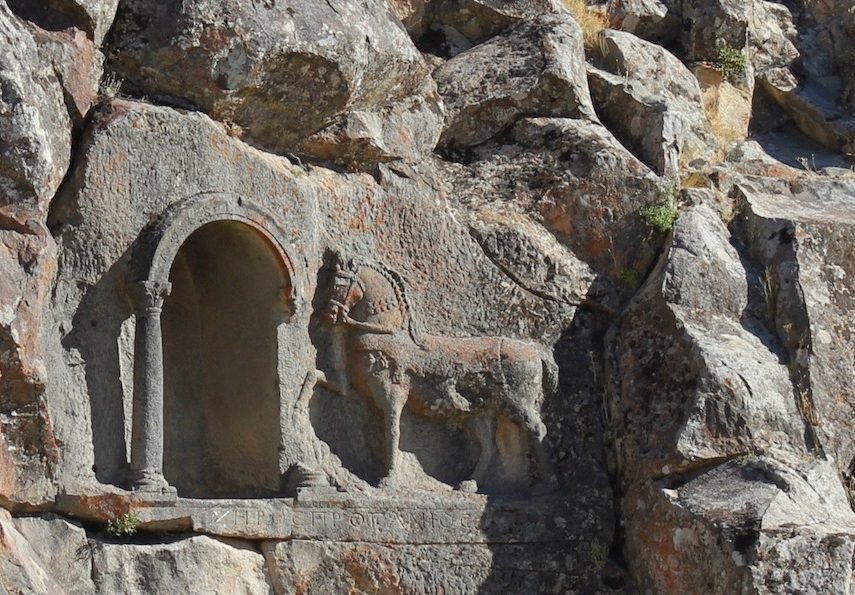
Lukyanus Kitabesi
Lukyanus Kitabesi, an enigmatic historical site, draws intrigue with its mysterious past. This ancient place is a treasure trove for historians and travelers alike. Its architecture whispers tales of an era long gone yet vibrantly alive through its ruins. Visitors flock to experience the aura of timelessness that Lukyanus Kitabesi offers. Its significance in the tapestry of history is undisputed, making it a must-visit for those who cherish the past.

Western Deffufa Kerma
Western Deffufa stands as a testament to the ancient Nubian city of Kerma, holding secrets from a civilization that thrived from 2500 BCE to 1500 BCE. This towering mud-brick structure, one of the oldest and largest of its kind, signifies the former glory of a powerful yet enigmatic kingdom. Archaeologists believe it served a religious purpose, possibly as a temple or a tomb. Its unique architectural style provides invaluable insight into the ancient customs and construction techniques of Nubia, highlighting the advanced skills of the Kerma culture.
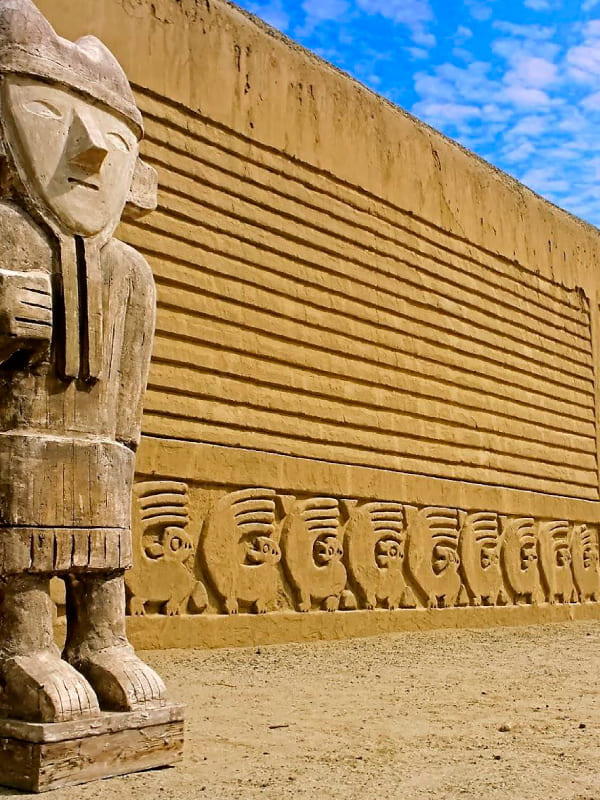
Chan Chan in Peru
Chan Chan, located in the Moche Valley of northern Peru, stands as a testament to the ingenuity of the Chimú civilization. It was the largest city of the pre-Columbian era in South America, and today it astonishes visitors with its grandeur. This archaeological site was once a vibrant center of politics, culture, and craftsmanship and held a population of approximately 30,000 people. Structures made from adobe clay, still visible, showcase the Chimú’s advanced engineering and artistic skills.
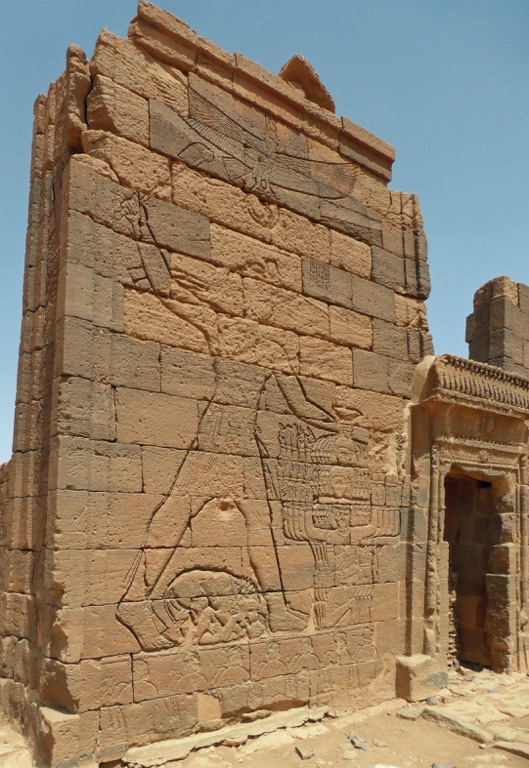
The Temples of Apedemak
Hidden within the arid landscapes of Sudan, the Temples of Apedemak hold an aura of ancient mystery and historical importance. These magnificent structures dedicated to Apedemak, a lion-headed warrior god revered in Nubian mythology, provide an invaluable window into the Meroitic period of Nubian history. Built between the 2nd century BCE and the 4th century CE, the temples stand as testaments to the architectural prowess, religious fervor, and sociopolitical dynamics of the Kingdom of Kush. They capture the blend of Egyptian, Hellenistic, and indigenous cultural influences, offering researchers crucial insights into the intricate rituals once performed within their walls. The resilience and restored elegance of these sites mesmerize visitors, serving as a poignant reminder of the rich cultural heritage of Nubia and its once flourishing civilizations.
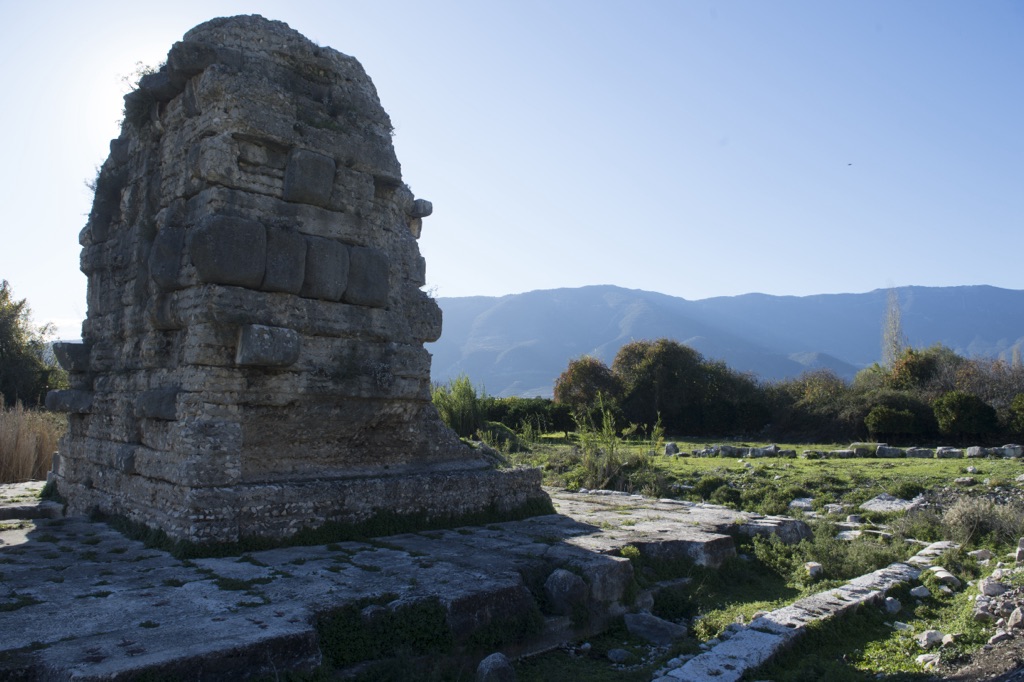
The Cenotaph of Gaius Caesar
The Cenotaph of Gaius Caesar stands as a testament to the far-reaching influence of Ancient Rome and the Julio-Claudian dynasty. Gaius Caesar, the beloved grandson of Augustus, the first Roman Emperor, was groomed for leadership but met an untimely death, leaving behind a legacy shrouded in both grand potential and sudden tragedy. This cenotaph, a monumental empty tomb, symbolizes the mourning of a future emperor that never was, captivating visitors with tales of what might have been. It holds a dual narrative of rich Roman history and the personal story of a promising life cut short.