
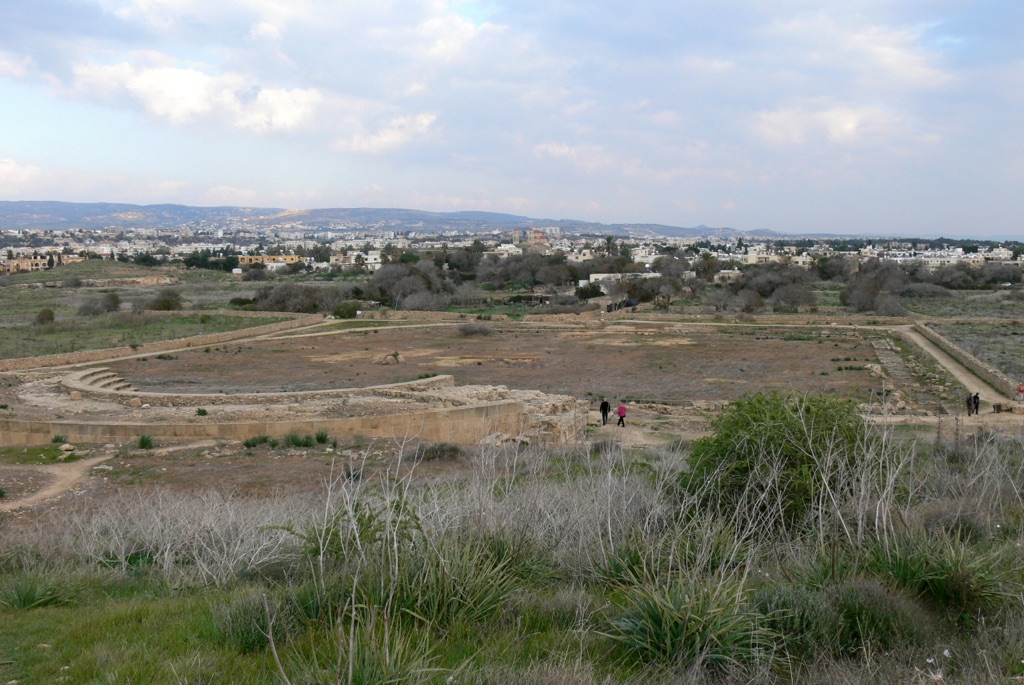
The Paphos Agora is a historical site located in Paphos, Cyprus. This archaeological site is known for its large market square, which was a bustling center of commerce and social interaction during ancient times. The Agora, which means ‘marketplace’ in Greek, was built during the Hellenistic period and was in use until the Byzantine era. The ruins of the Paphos Agora provide valuable insights into the ancient civilizations that once thrived in this region and their ways of life.
Neural Pathways
Neural Pathways is a collective of seasoned experts and researchers with a profound passion for unraveling the enigmas of ancient history and artifacts. With a wealth of combined experience spanning decades, Neural Pathways has established itself as a leading voice in the realm of archaeological exploration and interpretation.
Our team of researchers and scholars provide unparalleled depth of knowledge in deciphering the intricate narratives embedded within ancient artifacts and deciphering the cultural nuances that shaped civilizations of the past. Through meticulous research, rigorous analysis, and a collaborative spirit, Neural Pathways has made and continues to make significant contributions to our understanding of the human past.
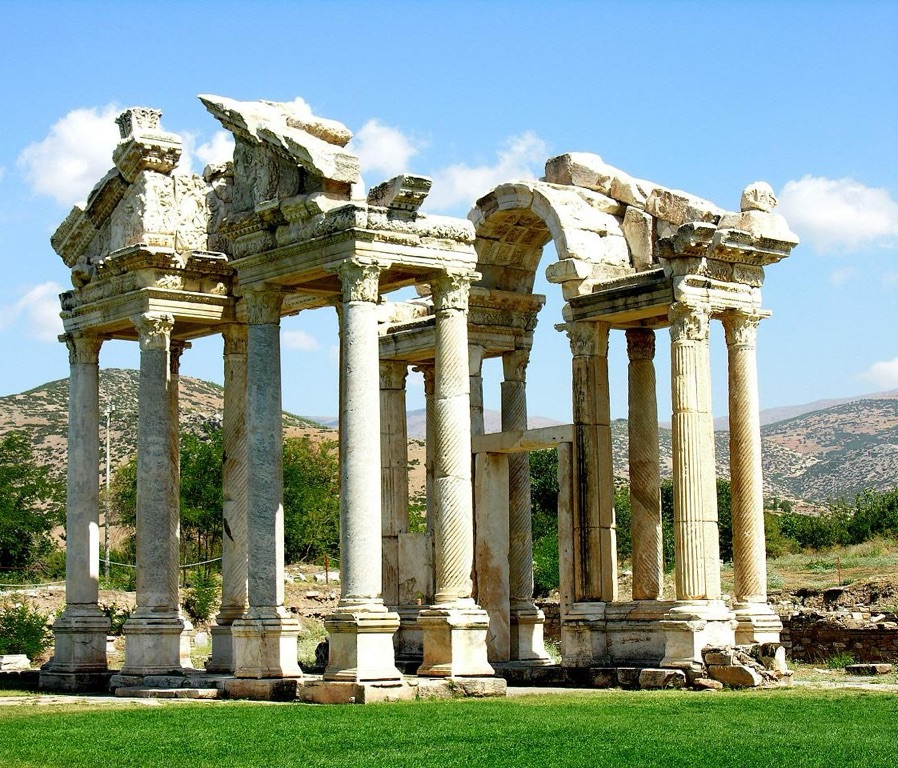
The Tetrapylon Aphrodisias
The Tetrapylon of Aphrodisias is a monumental gate located in the ancient city of Aphrodisias, now in modern-day Turkey. This impressive structure, built in the 2nd century AD, served as a ceremonial gateway to the sanctuary of Aphrodite, the Greek goddess of love and beauty. The Tetrapylon, meaning ‘four gates’, was so named because of its four-sided design, with each side having a row of four columns. The gate was intricately decorated with sculptures and reliefs, showcasing the architectural prowess of the ancient Romans. Despite being destroyed by an earthquake in the 7th century, the Tetrapylon was reconstructed in the 20th century, and today stands as a testament to the grandeur of the ancient city of Aphrodisias.
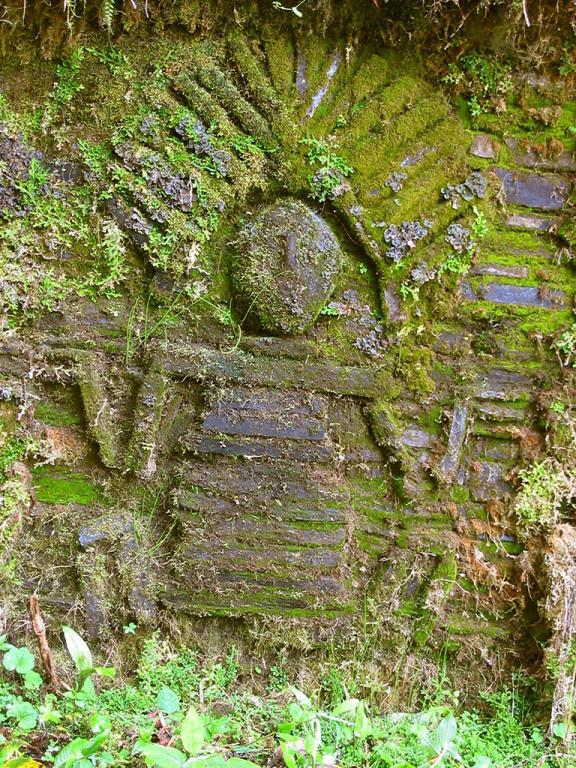
Gran Pajatén
Gran Pajatén is an archaeological site nestled in the Andean cloud forests of Peru. Discovered in 1965, it’s known for its intricate stone structures and ornate mosaic facades, reflecting the complex civilization that once thrived there. The site is believed to have been inhabited by the Chachapoyas, a pre-Incan civilization, from around 200 BC to 1470 AD. The ruins are spread over a large area, featuring circular buildings adorned with decorative friezes and a network of trails and plazas. Despite its historical significance, Gran Pajatén remains largely unexplored due to its remote location and the challenging terrain.
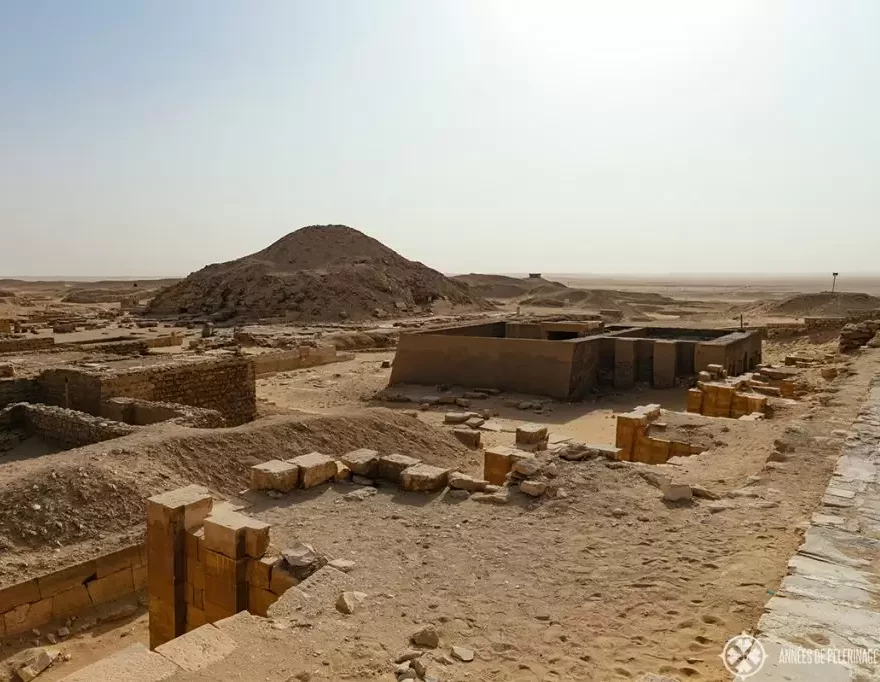
Sekhemkhet Pyramid (Buried Pyramid)
The Sekhemkhet Pyramid, also known as the Buried Pyramid, is an unfinished step pyramid in Saqqara, Egypt. Believed to have been constructed during the 3rd dynasty for the Pharaoh Sekhemkhet, the pyramid remains a significant artifact of the Old Kingdom. Despite its unfinished state, the pyramid provides valuable insights into the architectural practices and political climate of the time.
Pyramid of Djedefre
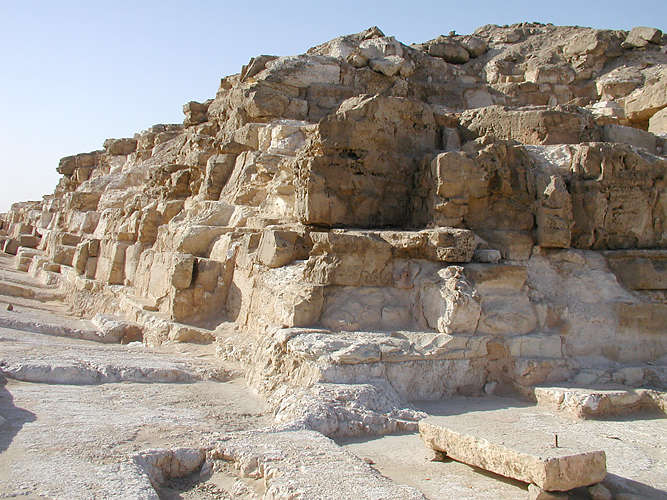
The Pyramid of Djedefre is a significant historical site located in Egypt. It was built as the tomb for Pharaoh Djedefre, who reigned during the Fourth Dynasty of the Old Kingdom of Egypt. This pyramid is unique as it is the only known pyramid to have been built on a hill and it’s also one of the few pyramids with significant parts still intact. Despite its incomplete state, the Pyramid of Djedefre provides valuable insights into the reign of Djedefre and the architectural practices of the time.
Mastaba of Ti
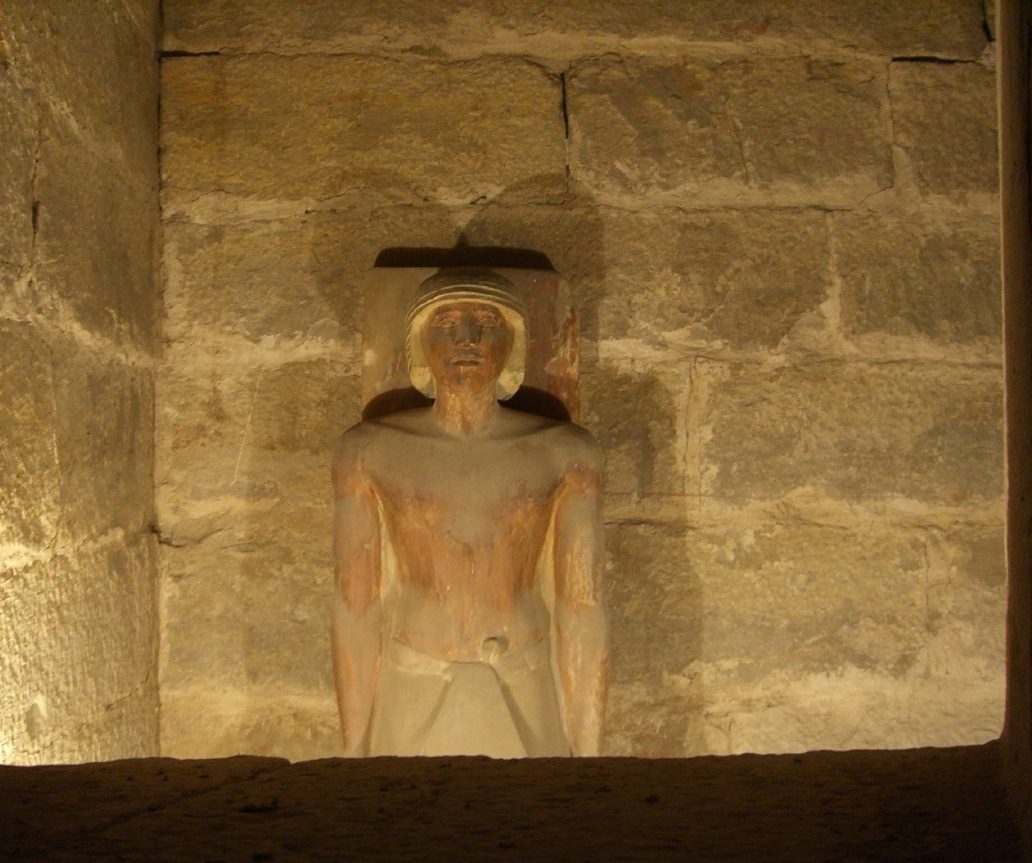
The Mastaba of Ti is a remarkable archaeological site located in the Saqqara necropolis, near Cairo, Egypt. Built during the 5th Dynasty of the Old Kingdom, it is the final resting place of Ti, a high-ranking official who served under the pharaohs Neferirkare Kakai and Nyuserre Ini. The mastaba, a type of ancient Egyptian tomb, is known for its well-preserved carvings and inscriptions, which provide invaluable insights into the life, culture, and society of ancient Egypt.