
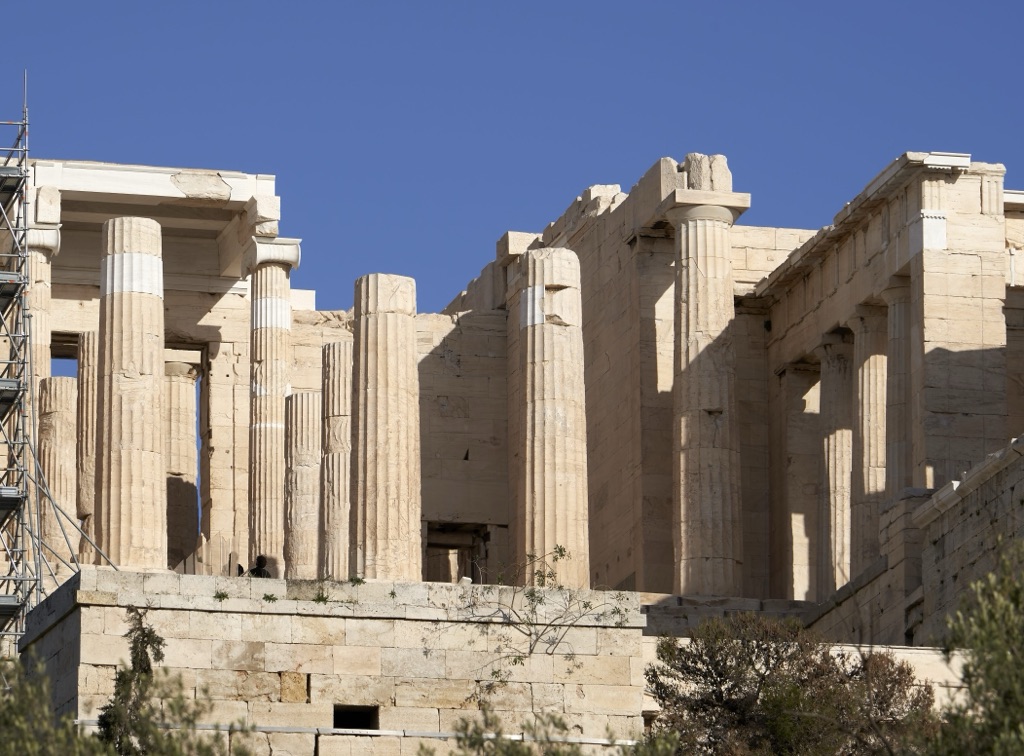
The Propylaea is a monumental gateway that serves as the entrance to the Acropolis in Athens, Greece. Constructed in the 5th century BC, during the age of Pericles, it is a masterpiece of classical architecture. The structure was designed by the architect Mnesicles and its construction was overseen by the sculptor Phidias. The Propylaea was built with white Pentelic marble and gray Eleusinian marble, showcasing the grandeur and the aesthetic values of the Athenian democracy.
Neural Pathways
Neural Pathways is a collective of seasoned experts and researchers with a profound passion for unraveling the enigmas of ancient history and artifacts. With a wealth of combined experience spanning decades, Neural Pathways has established itself as a leading voice in the realm of archaeological exploration and interpretation.
Our team of researchers and scholars provide unparalleled depth of knowledge in deciphering the intricate narratives embedded within ancient artifacts and deciphering the cultural nuances that shaped civilizations of the past. Through meticulous research, rigorous analysis, and a collaborative spirit, Neural Pathways has made and continues to make significant contributions to our understanding of the human past.
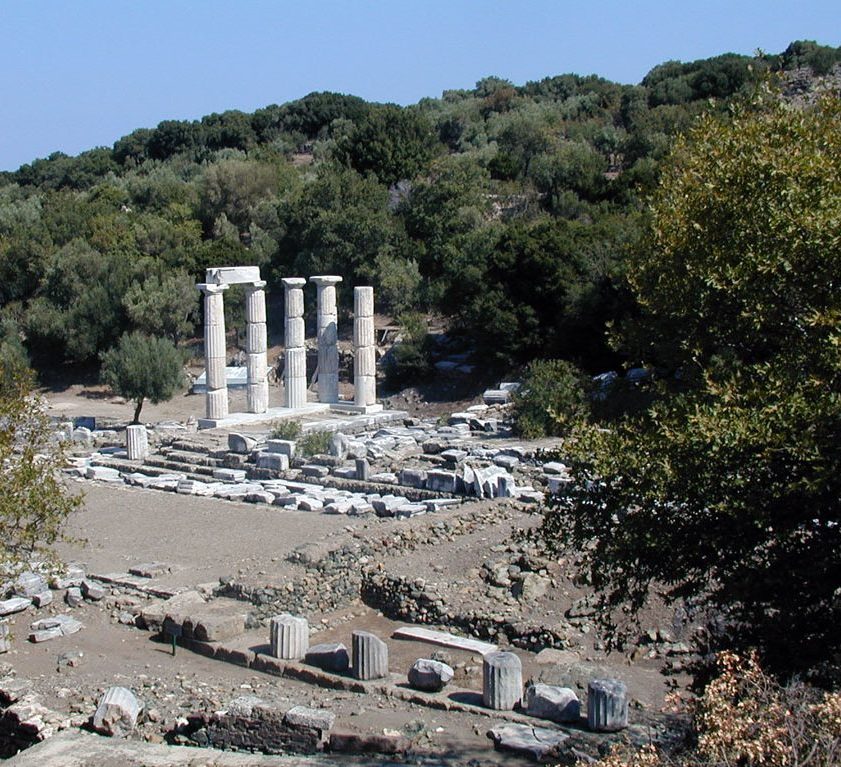
Samothrace Temple Complex
The Samothrace Temple Complex, also known as the Sanctuary of the Great Gods, is an ancient Greek religious site located on the island of Samothrace. Established in the 7th century BC, the complex was a significant center of worship for the mystery cult of the Great Gods, a pantheon of deities distinct from the classical Greek gods. The site is most famous for the statue of the Winged Victory of Samothrace, one of the greatest masterpieces of Hellenistic sculpture. The temple complex is characterized by its unique architectural features and the intriguing rituals that took place there.
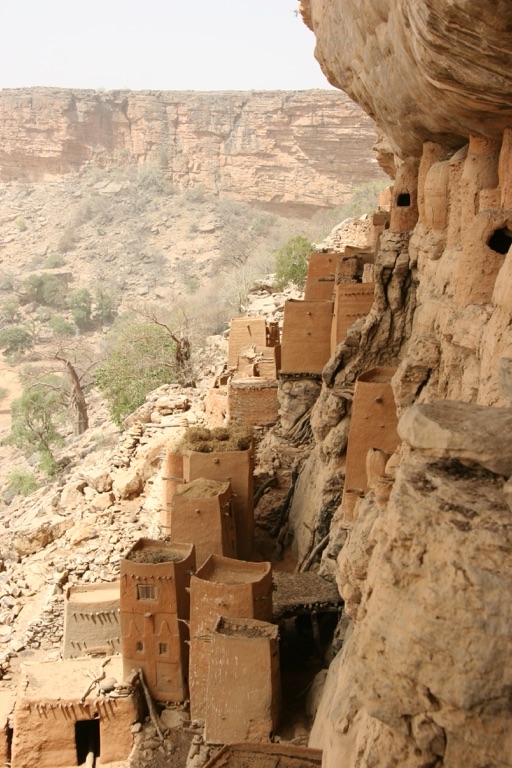
Bandiagara Escarpment
The Bandiagara Escarpment is a geological formation in Mali, West Africa. It is a sandstone cliff that spans approximately 150 miles and reaches heights of over 500 meters. The escarpment is renowned for its archaeological, ethnological, and historical significance. It is home to the Dogon people, who have inhabited the area for centuries and have left a rich cultural and architectural legacy. The Bandiagara Escarpment was designated a UNESCO World Heritage site in 1989 due to its cultural and natural importance. The Bandiagara Escarpment is not just a natural wonder, but also a repository of cultural and historical significance. It has been inhabited since the Paleolithic era, with the Tellem and Dogon people leaving their mark on the region.
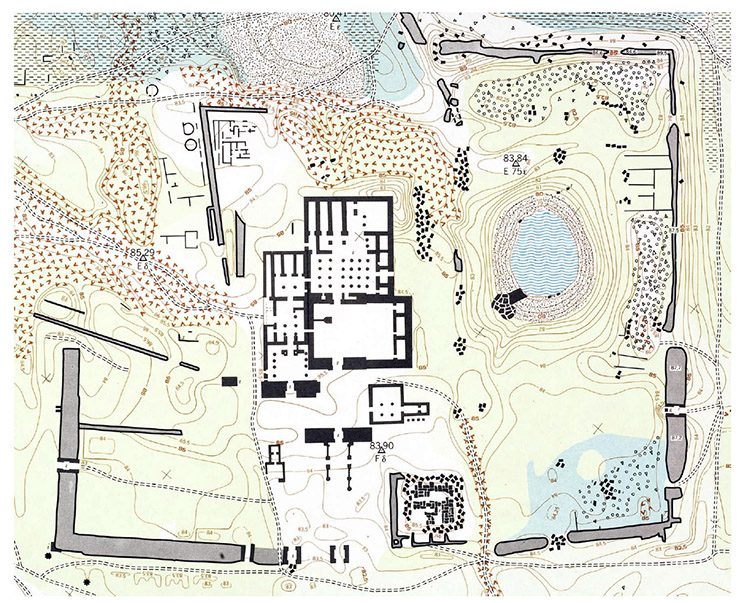
El Kab
El Kab, also known as Nekheb, is an ancient city located on the east bank of the Nile in Upper Egypt. This site holds a rich history that dates back to the Predynastic Period of Ancient Egypt, making it one of the oldest inhabited cities in Egypt. The city was a significant religious and political center, housing several temples, tombs, and fortresses. Its ruins offer valuable insights into the various civilizations that have inhabited it over the centuries.
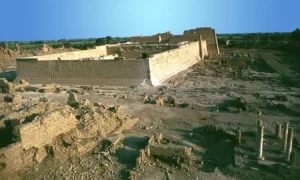
Medinet Habu (Temple of Ramesses III)
Medinet Habu, the Temple of Ramesses III, is a significant archaeological site located on the West Bank of Luxor in Egypt. Constructed as a mortuary temple for the Pharaoh Ramesses III, it is one of the best-preserved temples in Egypt. The complex is adorned with intricate reliefs and inscriptions that provide a wealth of information about the New Kingdom period of Ancient Egypt, particularly the reign of Ramesses III. It is renowned for its architectural grandeur, historical significance, and the role it played in ancient Egyptian religion and society.
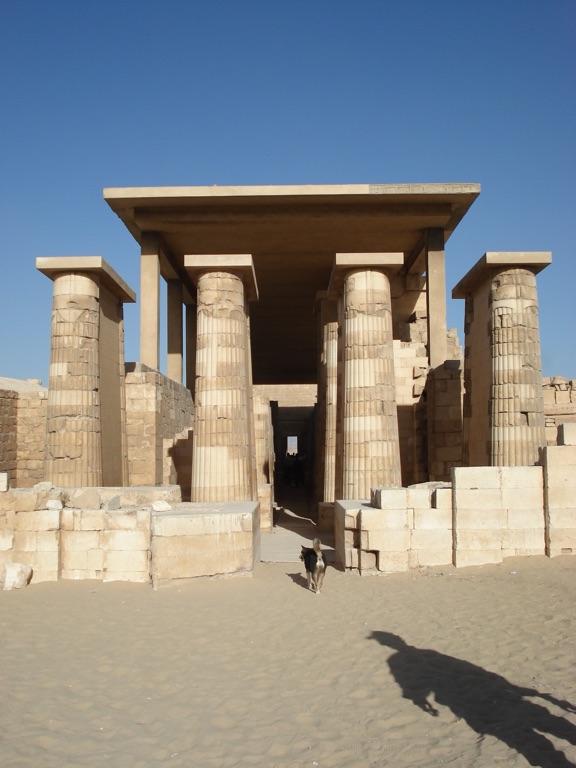
The mortuary complex of Djoser
The mortuary complex of Djoser, located in Saqqara, Egypt, is one of the most significant archaeological sites in the world. Built during the 27th century BC for Pharaoh Djoser by his architect Imhotep, the complex is known for its step pyramid, the first colossal stone building and the earliest colossal stone pyramid constructed in Egypt. The complex is a significant reflection of early development in stone architecture and the belief in the afterlife in ancient Egypt. It also offers valuable insights into the reign of Pharaoh Djoser and the evolution of burial practices during his time.